9 takeaways from California, Illinois and Ohio elections

posted in: Politics | 0

Daniela Altimari and Mary Ellen McIntire | CQ-Roll Call (TNS)

WASHINGTON — Incumbents on the hot seat won, one without really breaking a sweat, while other primaries and special elections in California, Illinois and Ohio set matchups for fall battlegrounds or picked nominees for safe open seats.

Here are nine things to know about the election results.

Trump — and Schumer — got what they wanted

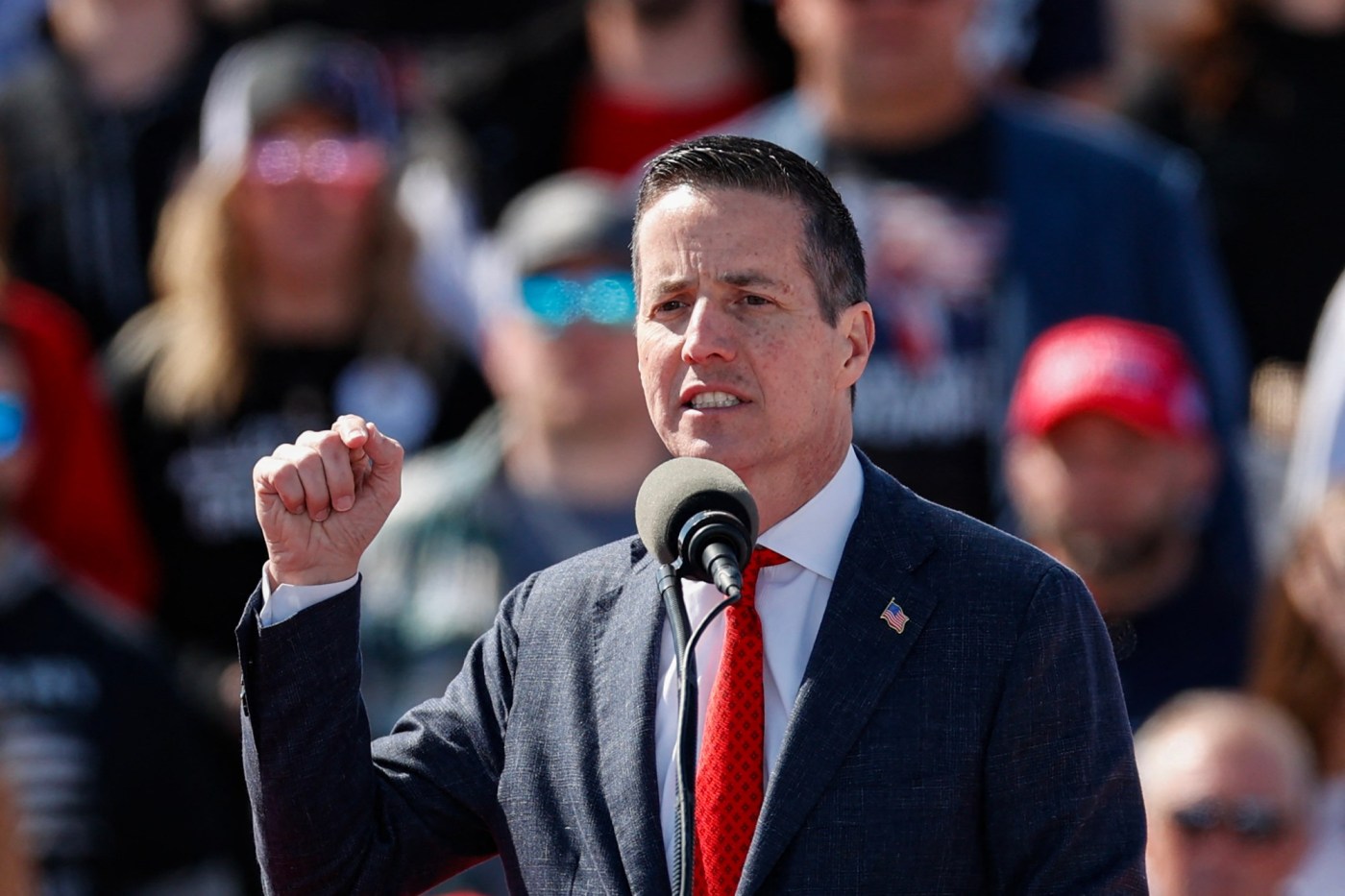
In the battle of MAGA vs. the Ohio GOP establishment for the chance to unseat vulnerable Democratic Sen. Sherrod Brown, chalk up another win for the Trump wing. Bernie Moreno’s lopsided triumph over state Sen. Matt Dolan, a traditional Republican, and Secretary of State Frank LaRose in Ohio’s nasty and expensive Senate primary came just days after former President Donald Trump appeared at a rally in Dayton alongside Moreno. Dolan had the backing of Gov. Mike DeWine and former Sen. Rob Portman, but he lost by more than 17 percentage points.

Moreno’s win was also a victory for Senate Majority Leader Charles E. Schumer. A super PAC aligned with the New York Democrat invested about $3.2 million, including $2.5 million reported on Friday, to lift up Moreno. The group, Duty and Country PAC, ran TV ads portraying Moreno as a close ally of Trump who is “too conservative for Ohio.” While the ad looked like an attack, it likely boosted Moreno’s standing among Republican primary voters — a sign that Democrats view him as the weakest opponent against Brown.

So did Speaker Johnson

In Ohio’s 9th District, House Republicans were divided over who they wanted to challenge Democratic Rep. Marcy Kaptur, who’s been in the House since 1983. Rep. Jim Jordan, the influential Ohio Republican who helped found the House Freedom Caucus, backed former three-term state Rep. Craig Riedel. House Speaker Mike Johnson was behind state lawmaker Craig Merrin, a last-minute recruit who entered the race in December after audio surfaced of Riedel bashing Trump.The Congressional Leadership Fund, a super PAC aligned with Johnson, spent $756,000 supporting Merrin, and the former president himself endorsed him just hours before the polls opened. Trump beat Joe Biden in this district in 2020, and Republicans view it as a top pickup opportunity.

Matt Gaetz didn’t

Florida Rep. Matt Gaetz reportedly sparred with Illinois Rep. Mike Bost last year as House Republicans struggled to elect a speaker. Gaetz then campaigned with Darren Bailey, who was challenging Bost, the chairman of the Veterans’ Affairs Committee. But Bost heavily outspent Bailey and was leading by 3 percentage points when The Associated Press called the race Wednesday morning.

Bost, who is now on track to win a sixth term in a district rated Solid Republican by Inside Elections in November, was endorsed by Trump, which helped underscore his credentials to Republican primary voters. Bailey, meanwhile, also played up his own ties to Trump, who endorsed his unsuccessful 2022 gubernatorial campaign.

Gaetz has also targeted fellow GOP Rep. Tony Gonzales, who faces a May 28 runoff in Texas after failing to win 50% of the vote in a primary earlier this month. The dynamics of that race could differ from Bost’s though. While Bost is a member of the Republican Main Street Partnership, which casts itself as a group of Republicans focused on governing, he rarely strays from the party line. Gonzales, on the other hand, has split with his party on gun control and border security.

A mixed night for J.D. Vance

The junior senator from Ohio had a win and a loss on Tuesday. Vance was an early and vocal backer of Moreno in the GOP’s Senate slugfest. But businessman and Marine Corps veteran Chris Banweg, Vance’s preferred candidate to take on Democratic freshman Rep. Emilia Sykes in Ohio’s 13th District, lost the primary to businessman Kevin Coughlin, who had the support of Jordan.

A crowd can help

Related Articles

National Politics |


US Jews upset with Trump’s latest rhetoric say he doesn’t get to tell them how to be Jewish

National Politics |


Nearly 8 in 10 AAPI adults in the US think abortion should be legal, an AP-NORC poll finds

National Politics |


No Labels struggles to recruit US presidential nominee

National Politics |


Election misinformation is a problem in any language. But some gets more attention than others

National Politics |


Biden tells Latino voters they’re the reason he defeated Trump in 2020 and says, ‘I need you back’

Sometimes you don’t need to rack up big numbers, or even win a majority of the vote, to secure the nomination. In Ohio’s safe-red open 2nd District, concrete company owner and former prosecutor David Taylor won the 11-person Republican primary with just 25% of the vote, according to the AP. Taylor, staffing company owner Larry Kidd and former Marine drill instructor and retail franchisor Tim O’Hara each put in more than $1 million of their own money and ran as conservatives who support Trump. Former Cincinnati City Council member Phil Heimlich criticized the others in the race for overlooking Trump’s attempts to overturn the 2020 election and used an ad to tell Democrats and independents they could ask for a Republican ballot in the primary. Heimlich finished in sixth place with 5% of the vote.

Taylor will face Democrat Samantha Meadows, who lost by 49 points to retiring incumbent Rep. Brad Wenstrup in 2022.

Geography can too

State Sen. Michael Rulli had a geographical edge over state Rep. Reggie Stoltzfus and chiropractor Rick Tsai in the GOP race for a vacant seat in the 6th District: The two counties that hold the majority of the congressional district’s voters are part of Rulli’s current state Senate district. Also, his family owns two eponymous grocery stores, and they featured prominently in one of Rulli’s ads.

The solid Republican seat opened after former Rep. Bill Johnson resigned to lead a local college, and on Tuesday there were two simultaneous primaries with the same candidates, one for a full term starting in January and the other for the remainder of Johnson’s term this year. A special election to fill that seat will take place June 11. Democrats nominated Michael Kripchak in the district, which backed Trump over Biden by 29 points in 2020.

McCarthy replacement has to wait

In California’s 20th District, state Assemblymember Vince Fong finished first in the special election to fill the unexpired term of former House Speaker Kevin McCarthy. But Fong, who was also the top vote-getter two weeks ago in a primary for a full term starting next year, finished with about 41% in the nine-candidate field, incomplete returns show. That means there will be a runoff on May 21 to fill the seat, but Fong’s opponent had not yet been called by the AP early Wednesday afternoon. Republican Michael Boudreaux and Democrat Marisa Wood were about 3,300 votes apart for the second spot with an estimated 84% of the vote counted. Fong has the backing of both McCarthy and Trump.

Age concerns don’t stick

Illinois Rep. Danny K. Davis, 82, appears set to win a 15th term in November after finishing more than 30 percentage points ahead of his closest challenger in a five-way primary Tuesday night. He brushed off any concerns about his age, and he argued that Biden’s age shouldn’t be an issue.

“Don’t ever write off the senior citizens,” Davis said in his victory remarks. “Don’t write off President Joe Biden because he’s going to lead this country where it needs to be, and I’m going to be standing right there beside him.”

Biden, 81, is running for reelection as the oldest president in American history, a concern for voters that he’s tried to ease. He is set to face Trump, the presumed GOP nominee who is just four years younger.

Coffee doesn’t buy you votes

Illinois Rep. Jesús “Chuy” García essentially won another term on Tuesday by defeating Chicago Alderman Raymond Lopez with 69% of the vote in a Democratic primary for the 4th District, where there isn’t a Republican running. But the day wasn’t without its drama.

García’s campaign accused Lopez’s campaign of passing out coffee, doughnuts and money for lunch to election judges on Tuesday.

Lopez said in a statement that Garcia was trying to “smear anyone who stands in his way” and that providing election judges with coffee and lunch is an old tradition.

(CQ-Roll Call staff writer Herb Jackson contributed to this report.)

©2024 CQ-Roll Call, Inc., All Rights Reserved. Visit cqrollcall.com. Distributed by Tribune Content Agency, LLC.
New way for states to cover pricey gene therapies will start with sickle cell disease

posted in: Politics | 0

Nada Hassanein | Stateline.org (TNS)

The U.S. Food and Drug Administration late last year approved two breakthrough gene therapies for sickle cell disease patients. Now a new federal program seeks to make these life-changing treatments available to patients with low incomes — and it could be a model to help states pay for other expensive therapies.

The new sickle cell treatments have brought hope to those with the debilitating blood disorder, which is hereditary and disproportionately affects Black people. But the therapies come with a price tag of as much as $3 million for a course of treatment, which can take up to a year. Despite those high upfront costs, cell and gene therapies have the potential to reduce health care spending over time by addressing the underlying cause of the disease.

Under the so-called Cell and Gene Therapy Access Model, the federal government will negotiate discounts with sickle cell drug manufacturers Vertex Pharmaceuticals, CRISPR Therapeutics and Bluebird Bio on behalf of state Medicaid agencies, which provide health care coverage to low-income patients. To participate, state Medicaid agencies must agree to prices based on those negotiations, and pledge to provide broad access to the therapies.

The federal government said it will negotiate an “outcomes-based agreement” with the companies, meaning the prices for treatments will be tied to whether the therapy improves health outcomes.

If there are no in-state treatment centers, Medicaid agencies would pay for patients to receive the therapies in another state. Between 50% and 60% of sickle cell patients are on Medicaid, according to federal estimates.

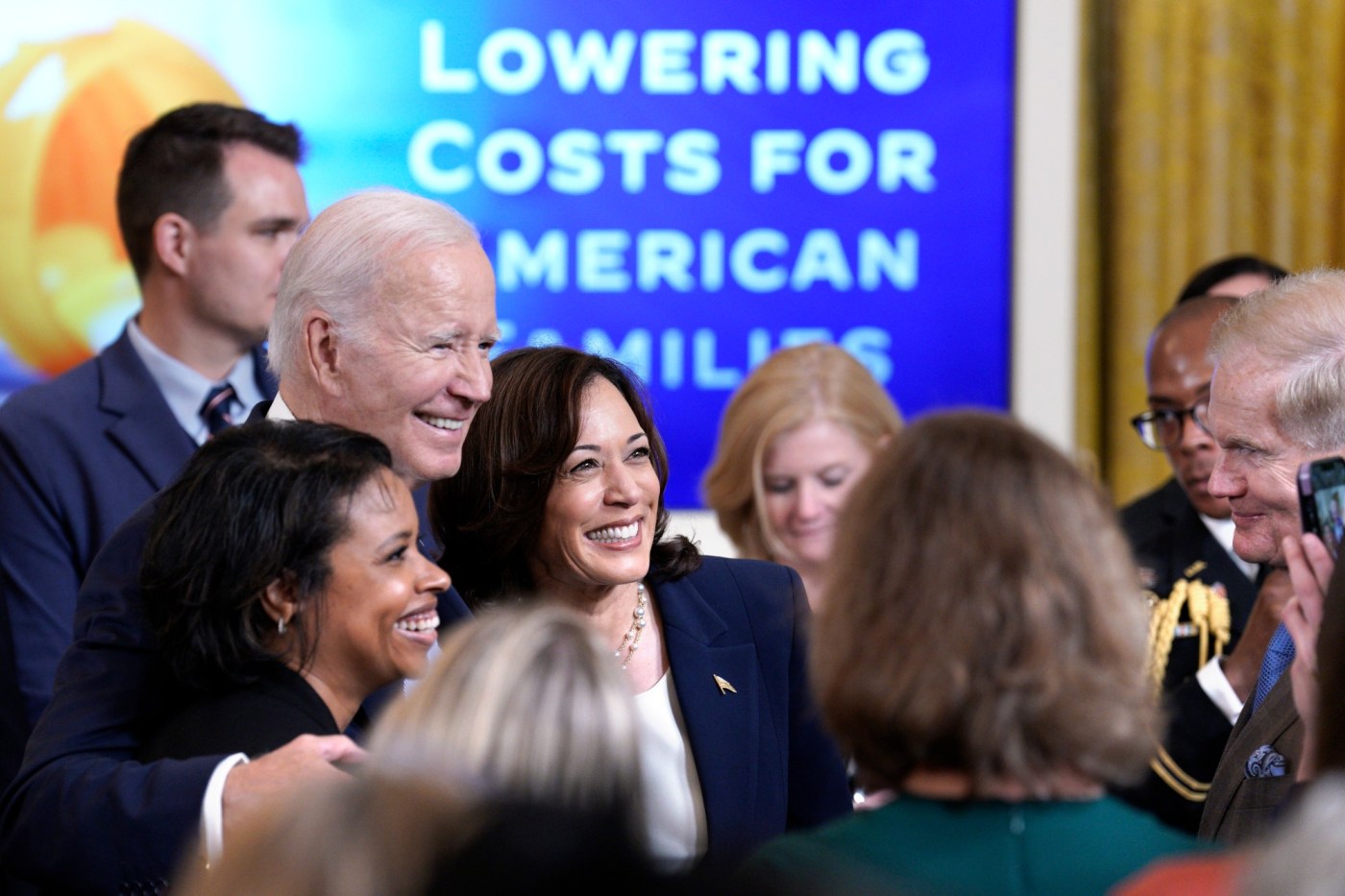
The federal Centers for Medicare & Medicaid Services (CMS) launched the program, which is scheduled to begin next year, in response to President Joe Biden’s 2022 executive order on lowering prescription drug prices.

CMS officials say the framework is being tested with sickle cell disease treatments first, but that other conditions may be added over time.

Several public health organizations, including the American Society of Gene and Cell Therapy and the Alliance for Regenerative Medicine, say the new program could be a model for helping patients with lower incomes afford other gene therapies.

Gene therapies, a rapidly emerging type of treatment, aim to correct genes responsible for rare hereditary diseases. So far, the FDA has approved treatments for a rare inherited eye condition and certain types of cancer, but more therapies are in the pipeline.

Dr. Lakshmanan Krishnamurti, chief of pediatric hematology and oncology at Smilow Cancer Hospital at Yale New Haven Hospital, called the model “path-breaking.”

“This is an initiative the government has taken to responsibly shepherd resources, but at the same time, maintaining access. From a racial equity, health equity perspective, it’s really important that we make this work,” said Krishnamurti, whose sickle cell patients have participated in clinical trials testing gene therapies.

Some states, such as Michigan, are opting to form their own agreements with Bluebird Bio. The company said it’s in talks with Medicaid agencies in 15 other states and is reviewing the CMS framework. Bluebird spokesperson Jess Rowlands said the company looks “forward to working with the agency on an outcomes-based approach that enables access.”

In a statement released last week, Tom Klima, the company’s chief commercial and operating officer, said, “Our commercial approach is built on the principle that people with sickle cell disease insured through Medicaid deserve the same timely access to gene therapy as patients with other forms of insurance.”

In an earnings call last month, Vertex’s chief operating officer Stuart Arbuckle called the new model an “important additional path to access.”

Who is affected?

The majority of sickle cell patients in the U.S. are Black, but people of Hispanic, Middle Eastern and South Asian descent are also disproportionately affected. There are several types of sickle cell disease, but all of them affect hemoglobin, the protein inside red blood cells that carries oxygen. All types of the disease cause the body’s red blood cells to be deformed.

The disease affects an estimated 100,000 Americans. It can cause strokes, severe anemia and episodes of extreme pain, leading to repeated hospitalizations. Those with sickle cell disease have a life span more than two decades shorter than the U.S. average.

The two gene therapy treatments for sickle cell disease recently approved by the FDA, called Casgevy and Lyfgenia, cost $2.2 million and $3.1 million per patient, respectively. The therapies require several other procedures — including chemotherapy prior to the treatments, which involve removing blood cells from a patient and modifying the DNA before re-introducing them in the body.

In Atlanta, Mapillar Dahn’s three daughters have sickle cell disease.

Her oldest daughter, Amatullaah Tyler, who is 20, was hospitalized earlier this month for another pain crisis. At the end of last year, she underwent a hip replacement due to avascular necrosis, which is the death of bone tissue due to lack of blood supply and a complication of the disease.

Related Articles

Health |


Knees stiff with arthritis? This company is studying whether fat injections can improve motion

Health |


Following measles outbreaks, scientists grow wary of renewed threat

Health |


A new $16,000 postpartum depression drug is here. How will insurers handle it?

Health |


Intermittent fasting linked to heart risks in research surprise

Health |


Operating in the red: Half of rural hospitals lose money, as many cut services

Sickle cell disease is a leading cause of stroke in children. Dahn’s 18-year-old daughter had her first stroke in second grade, causing neurocognitive and academic issues. She’s had more than 10 surgeries, including a brain surgery. Like her older sister, Dahn’s 14-year-old also suffered learning challenges after a series of ministrokes and is slated for the same brain surgery later this month. Both rely on monthly blood transfusions to prevent future strokes.

Dahn, who founded the nonprofit patient advocacy group MTS Sickle Cell Foundation, also known as “My Three Sicklers,” said she wants Georgia to participate in the model.

Her oldest daughter isn’t currently eligible for the therapy because she is high risk. But Dahn is optimistic for her two younger daughters.

“The hope of it was overshadowed by the access to it,” Dahn said about the new gene therapy treatments. “The bulk of our patient community relies on [Medicaid] for payment. So, I think this is wonderful that they’re testing out this model to not only make it possible for patients to access, but in the long run to somehow make it more affordable.”

Tabatha McGee, executive director of the Sickle Cell Foundation of Georgia, was part of a group that advised federal officials developing the program.

“We’re very excited because it is a step in the right direction,” she said. “This is something we absolutely want to come to fruition. … We’ve never had a singular focus on sickle cell disease to help improve the inefficiencies, to help improve the inequality, inside of the health care system.”

In a statement, the Georgia Department of Community Health told Stateline it is reviewing the framework.

Expanding access

Dr. Lewis Hsu, chief medical officer of the Sickle Cell Disease Association of America, said the gene therapies are an innovative option that don’t come with the same risks as a bone marrow transplant — the only procedure that may be able to “cure” sickle cell disease for some patients — since the treatment uses the body’s own stem cells and doesn’t require a match from another person.

“Having gene therapy available for sickle cell disease is just very exciting,” Hsu said.

Reliable transportation is essential to beginning treatment. In a memo on state obligations, the federal government said states must ensure necessary transportation and travel expenses for both patients and their caregivers.

Hsu, who is also a professor of pediatrics and director of the Pediatric Sickle Cell Center at the University of Illinois Chicago, said transportation and lodging costs are important to consider, as patients come from all over the state or cross state lines to get treatment.

Federal officials told Stateline that multiple states have expressed interest in participating but wouldn’t say which ones.

Illinois’ Medicaid agency told Stateline it intends to participate.

“People with sickle cell disease often confront barriers to accessing treatments that can improve their health outcomes, including the high costs and geographic challenges,” said spokesperson Jamie Munks. “Expanding access to these high-cost treatments can significantly improve the quality of life for people across Illinois who need them, and will contribute to a more equitable health care system overall.”

In Georgia, Democratic state Rep. Gloria Frazier told Stateline she is pushing her state Medicaid agency to enroll. But Frazier noted that because Georgia has not expanded Medicaid under the Affordable Care Act, many patients would miss out.

“I am urging them to definitely participate in the process,” she said. “If we want to really help cure this disease, it has to be affordable.”

Stateline is part of States Newsroom, a national nonprofit news organization focused on state policy.

©2024 States Newsroom. Visit at stateline.org. Distributed by Tribune Content Agency, LLC.

National poll finds Biden-Trump tie. State of the Union didn’t help president.

posted in: Politics | 0

The presidential election is a dead heat between President Joe Biden and former President Donald Trump.

A nationwide Florida Atlantic University poll released Tuesday found Biden and Trump tied at 44%.

When the responses were narrowed to likely voters, Biden fared slightly better, but the contest is still essentially tied, with 47% for Biden and 45% for Trump.

That’s generally in line with most recent national polls, which have one or the other candidate slightly ahead. The latest RealClearPolling average had Trump leading Biden, 45.5% to 47.2%.

And it’s somewhat expected given “how highly partisan this race is and how fairly evenly divided the country is,” said Kevin Wagner, a Florida Atlantic University political scientist.

The FAU poll was conducted among voters across the country, and comes as five states, including Florida, are holding their presidential primaries — even though the Biden vs. Trump contest is, for all practical purposes, set.

The election is almost eight months away, and public opinion can shift. And the outcome is determined in state-by-state races for electoral votes, not the overall national totals.

Relatively few people are open to changing their minds. The poll found 4% of those surveyed said they’d vote for another candidate and 4% were undecided.

The FAU poll found the vast majority of Democrats favor Biden (86% to 8%) and the overwhelming majority of Republicans favor Trump (86% to 9%).

Independents are evenly split at 43% for Biden and 40% for Trump, which is within the margin of error and not a statistically significant difference.

The never Trump, never Biden votes

Non-Trump voters were asked why they felt the way they did.

It was an easy question for the overwhelming majority: 67% of non-Trump voters who responded that they would “never” consider voting for him.

That left a relatively small share of non-Trump voters to explain other reasons. The top concern of non-Trump voters was performance, cited by 12%. Just 2% cited the former president’s age. He is 77.

Among non-Trump voters age 18-to-34, 43% said they would “never” consider voting for him, while among those 65 and older, it was 79%.

Non-Biden voters were asked the same question, with 43% saying they would never consider voting for him.

The top concern for non-Biden voters was “performance,” cited by 30%, followed by age, cited by 2%. He is 81.

The reasons for not supporting Biden varied for different groups. Among 18-34 year-olds, 37% cited performance and 11% cited age. Among votes 65 and older, 23% cited performance and just 5% cited age.

No SOTU boost

Biden’s performance at the annual State of the Union Address, which  many independent analysts said was a strong showing that dispelled the narrative that he isn’t mentally up to the job, didn’t produce a rush of voters to him.

Among all voters, 29% said his State of the Union speech made them view Biden as more fit for office with 34% saying it made no change. But 37% said it made him less fit.

Wagner said some of the reaction to the State of the Union is “clearly driven by partisanship. People see political events through their partisan lens.” Still, he said, he expected “Biden was likely to get a more positive response than our numbers suggested. And I expect that would be disappointing for the Biden (campaign).”

Women were more likely than men to say it made him more fit. Men were more likely to say the speech  made him less fit.

There was the usual partisan split as well, with 52% of Democrats saying they saw Biden as more fit after the State of the Union Address and 63% of Republicans said they believe Biden is less fit.

It didn’t help Biden with independents, with 25% saying the speech made Biden seem more fit and 35% less fit.

Overall, Biden is underwater, with more people disapproving of his performance than approving.

His approval is 47% and disapproval 51%.

Wagner said the approval rating for Biden is higher than in some other recent national surveys. “It’s a much better number for Biden than we’ve seen,” he said. It could be a one-time result based on this survey’s sample or, more significantly, the beginning of an improvement for Biden.

There’s no significant difference between men and women.

Age differences

Biden’s approval is lower among the youngest voters (39%) than among the oldest voters (53%).

The Biden vs. Trump matchup question revealed some potentially significant differences among the youngest and oldest voters.

The poll found younger likely voters (traditionally a demographic group that favors Democrats) favor Trump. And older voters (who turn out in greater numbers than younger voters) favored Biden.

18-34 year-olds: Biden, 37%; Trump 54%.35-49 year-olds: Biden, 44%; Trump 48%.50-64 year-olds: Biden, 46%; Trump 43%.65 and older: Biden, 54%; Trump 41%.

The differences among age groups were surprising Wagner said, adding that the responses of younger voters are a cause for concern for the Biden campaign if it continues.

“It would be one thing to see younger voters who were disenchanted or unhappy with Biden’s performance. We’ve seen some evidence of that related to foreign policy, both Israel and Ukraine,” Wagner said. What is potentially ominous for the president’s reelection, he said, was “not just that Biden was doing less well, but Trump was doing considerably better…. It’s hard to see how Biden can win without doing disproportionately well with younger voters.”

Gender divide

The poll found men favor Trump and women favor Biden.

Among female likely voters, Biden was at 53% with Trump at 38%, an advantage of 15 percentage points for the president.

Among male likely voters, Biden had 41% compared to 51% for Trump, an advantage of 10 points for the former president.

Income differences

Lower income voters prefer Trump. As earnings increase, support for Biden increases as well.

Less than $50,000: Biden, 42%; Trump, 51%.
$50,000 to $75,000: Biden 48%; Trump 39%.
$75,000 to $100,000: Biden 52%; Trump 41%.
More than $100,000: Biden 56%; Trump 38%.

House of Representatives

Voters are evenly divided about the U.S. House of Representatives, with 45% of likely voters saying they’d vote for Democrats if the election were held today and 44% for Republicans.

Party affiliation has a huge correlation with how people would vote in congressional races, with 88% of Democrats voting for a candidate in their party and 92% of Republicans voting for one of their own.

Independents split 41% for Democrats and 35% for Republicans.

Fine print

The poll of 1,053 registered voters was conducted March 15 through March 17 by Mainstreet Research for Florida Atlantic University’s PolCom Lab, which is a collaboration of the School of Communication and Multimedia Studies and Department of Political Science.

The survey used text messages to reach registered voters who responded to a link to complete the survey online and used automated phone calls to reach other voters. The margin of error is plus or minus 3 percentage points for the full survey of Democrats, Republicans and independents. The margin of error for smaller groups, such as Republicans or Democrats, or men and women, is higher because the sample sizes are smaller.

Anthony Man can be reached at aman@sunsentinel.com and can be found @browardpolitics on Facebook, Threads.net and Post.news.

Concerns grow over quality of care as investor groups buy not-for-profit nursing homes

posted in: Society | 0

Harris Meyer | (TNS) KFF Health News

Shelly Olson’s mother, who has dementia, has lived at the Scandia Village nursing home in rural Sister Bay, Wisconsin, for almost five years. At first, Olson said, her mother received great care at the facility, then owned by a not-for-profit organization, the Evangelical Lutheran Good Samaritan Society.

Then in 2019, Sanford Health — a not-for-profit, tax-exempt hospital system — acquired the nursing home. The COVID-19 pandemic struck soon after. From then on, the facility was regularly short of staff, and residents endured long wait times and other care problems, said Olson, a registered nurse who formerly worked at the facility.

Now Scandia Village has a new, for-profit owner, Continuum Healthcare. Olson said she was reassured when Continuum hired two locals as the facility’s new administrator and nursing director.

But Kathy Wagner, a former Scandia Village nursing director, is not optimistic. “The for-profit owner will face the same problems,” said Wagner, who is now retired and serves on an informal task force that monitors the facility’s quality of care. “No one has articulated what the for-profit owner will bring to the table to change the picture.”

The sale of Scandia Village this year is part of a trend of for-profit companies, including private equity groups and real estate investment trusts, snapping up struggling not-for-profit nursing homes, many of which were operated for decades by Lutheran, CatholicJewish, and other faith-based organizations.

The pace of sales has ticked up, reaching a high last year, according to Ziegler Investment Banking. Since 2015, 900 not-for-profit nursing homes and senior living communities nationwide have changed hands, with more than half of them acquired by for-profit operators.

For-profit groups own about 72% of the roughly 15,000 nursing homes in the United States, which serve more than 1.3 million residents.

While overall for-profit ownership percentage hasn’t notably increased in recent years, the type of for-profit companies that own these facilities has shifted toward private equity, real estate investment trusts, and complicated ownership structures, said David Grabowski, a professor of health care policy at Harvard Medical School.

Consumer advocates, researchers, and regulators are leery about this trend. They point to studies showing that nursing homes owned by for-profit companies — particularly investors in private equity and real estate — tend to have skimpier staffing, lower quality ratings, and more regulatory violations. Motivated by these concerns, the Biden administration issued a rule last fall that requires nursing homes to disclose more information about their owners and management firms.

Executives at not-for-profit organizations, as well as researchers who study nursing homes, wonder how for-profit companies can accomplish what the previous not-for-profit owners could not: reviving financially struggling nursing homes.

“I don’t know where these investor groups can see savings without cutting back on the level of quality,” Grabowski said.

Part of the problem is that to boost profits, many for-profit operators set up a network of related companies to provide fee-based services such as management, physical therapy, and staffing. They also may sell a nursing home’s real estate to a sister company, which then charges high rent. These payments cut into the available operating funds to provide adequate staffing and quality care.

Last year, New York Attorney General Letitia James sued the for-profit owners of four nursing homes for financial fraud and resident neglect, alleging that they used more than $83 million in public funds to enrich themselves through a complex network of related companies while providing horrendous care.

“When nonprofits are sold, you start to see a precipitous decline in quality,” said Sam Brooks, director of public policy for National Consumer Voice for Quality Long-Term Care. “Nonprofits generally staff well above for-profits. When churches and nonprofits divest these homes, for-profits move in, and the care gets really bad.”

The leaders of not-for-profits that have sold facilities to for-profit operators cite a variety of reasons for exiting or downsizing. Those reasons include state Medicaid payment rates that are too low to cover operating costs and a shortage of nursing and other staffers that makes it hard to maintain quality care. In addition, they say their facilities have seen fewer admissions, at least partly because Medicare Advantage plans have tightened coverage policies for rehabilitation care in nursing homes.

Susan McCrary, chief executive of St. Ignatius Community Services in Philadelphia, said her organization sold its nursing home because it was losing money. She said low state Medicaid rates forced their hand, even after the state bolstered its Medicaid payments by 17.5% in January 2023.

McCrary said the St. Ignatius board worried the losses would jeopardize the organization’s ability to continue its mission of serving low-income seniors, for whom it also operates three independent-living and assisted living buildings.

At the same time, “our board definitely had concerns about selling to a for-profit because we’re aware of the research that shows the quality of care is not the same as with a nonprofit,” McCrary said. “But we knew we needed to move forward with this process to continue our services in West Philadelphia.”

Nate Schema, CEO of the Evangelical Lutheran Good Samaritan Society, said his organization decided to sell some of its long-term care facilities to Continuum Healthcare, a New Jersey-based corporation, and a second company, Idaho-based Cascadia Healthcare, as part of its strategy to better serve its communities. Good Samaritan now operates in seven Midwestern states, down from 22 states. Consolidating markets better enables his organization to launch programs for nursing home residents in conjunction with Sanford’s hospitals and clinics.

“We’ve been very intentional about finding quality partners to carry on our mission,” Schema said. “Unfortunately, we haven’t seen a lot of nonprofit providers coming to us.”

Continuum, which took over Scandia Village nursing home in January, will address staffing shortages by improving wages, benefits, and career opportunities, said Tim Hodges, the corporation’s communications director. Continuum, which is owned by private investors and commercial lenders, owns eight nursing homes in four states.

Similarly, Steve LaForte, Cascadia’s executive vice president, said his company has revived the finances of the nine Good Samaritan nursing homes it took over in the Pacific Northwest partly by attracting more patient referrals and strengthening relationships with state policymakers, in the hope it “leads to more realistic Medicaid rates.” He said Cascadia has also focused on workplace culture — such as by not using workers from staffing agencies — and on empowering those who run the individual facilities to select vendors for pharmacy, rehabilitation, and other services.

Cascadia, he said, does not use tactics like contracting with sister vendors to boost its profits. “That type of organization gives the whole industry a bad name,” LaForte said.

The overall perception of for-profit corporations is unfair, said Zach Shamberg, CEO of the Pennsylvania Health Care Association, because all nursing homes are struggling under inadequate Medicaid rates and high labor costs due to a shortage in workers.

He said he hopes that Pennsylvania’s Medicaid rate increase — plus a new minimum staffing requirement and a mandate that 70% of total costs be dedicated to resident care — will address the financial and quality issues. Nursing homes in Pennsylvania and across the country are also lobbying state lawmakers and the federal government to offer extra payments tied to quality outcomes for residents.

“If there aren’t for-profit entities to buy these facilities, these facilities are closing, which would exacerbate the existing access to care crisis as the population gets older,” Shamberg said.

___

(KFF Health News, formerly known as Kaiser Health News (KHN), is a national newsroom that produces in-depth journalism about health issues and is one of the core operating programs of KFF — the independent source for health policy research, polling and journalism.)

©2024 KFF Health News. Distributed by Tribune Content Agency, LLC.