Abortion coverage is limited or unavailable at a quarter of large workplaces

posted in: News | 0

By Rachana Pradhan, KFF Health News

About a quarter of large U.S. employers heavily restrict coverage of legal abortions or don’t cover them at all under health plans for their workers, according to the latest employer health benefits survey by KFF.

The findings demonstrate another realm, beyond state laws, in which access to abortion care varies widely across America since the Supreme Court overturned the constitutional right to abortion last year in Dobbs v. Jackson Women’s Health Organization.

More than ever, where someone works and the constraints of their health insurance can determine whether an abortion is possible. Workers without coverage are left to pay out-of-pocket for abortion care and related costs.

In 2021, the median costs for people paying out-of-pocket in the first trimester were $568 for a medication abortion and $625 for an abortion procedure, according to a report from Advancing New Standards in Reproductive Health at the University of California-San Francisco. By the second trimester, the cost increased to $775 for abortion procedures.

KFF’s 2023 annual survey found that 10% of large employers — defined as those with at least 200 workers — don’t cover legal abortion care under their largest job-based health plan. An additional 18% said legal abortions are covered only in limited circumstances, such as when a pregnancy is the result of rape or incest, or endangers a person’s life or health.

The share of employers that said they don’t cover abortion under any circumstances “is bigger than I would have expected,” said Matthew Rae, an associate director at KFF who helped conduct the survey.

So far, 14 states, mostly in the South and Midwest, have enacted near-total abortion bans, and an additional seven states have instituted gestational limits between six and 18 weeks. Abortion is legal in 24 states and the District of Columbia.

Sharply divergent state abortion laws solidified in the aftermath of the Dobbs decision compound the complexity for employers with workers across multiple states, Rae said. Many large companies employ people in places with vastly different abortion policies, and their health benefits are more likely to cover dependents who may live elsewhere.

“Those dependents can be college kids — and college kids can be anywhere — or any other type of dependent who could just spread out over an area much larger than where you just have actual physical establishments,” Rae said.

The KFF survey found that about a third of large companies said they cover legal abortions in most or all circumstances; the largest companies, with at least 5,000 employees, were more likely to offer the benefit compared with smaller firms. An additional 40% said they were unsure of their coverage — perhaps because employer policies are in flux, Rae said.

Employer health plans’ treatment of abortion has changed little since the Dobbs decision, the survey found. Among companies that said they did not cover legally provided abortion services or covered them in limited circumstances, 3% reduced or eliminated abortion coverage. By contrast, of the large companies that generally covered abortion, 12% added or significantly expanded coverage.

That’s in sharp contrast to the rapidly changing laws governing abortion access in the states. It’s unclear whether workers at companies that don’t cover abortion or heavily restrict coverage are located primarily in states that have outlawed the procedure.

The KFF survey includes information from more than 2,100 large and small companies on their health benefits and the related costs for workers. Annual premiums for family coverage rose 7% on average this year, to $23,968, with employees on average contributing $6,575 toward that cost. The jump in premiums represents a notable increase compared with that of the previous year, when there was virtually no growth in those costs. Average yearly deductibles for workers were $1,735 for single coverage, a cost that was relatively unchanged.

One tactic employers use is to provide separate benefits for abortion-related expenses. In response to increasingly restrictive state abortion laws and the Supreme Court’s decision, large companies — such as Amazon, Starbucks, Disney, Meta, and JPMorgan Chase, among others — announced they would pay for employees’ abortion-related travel expenses.

However, the KFF survey found that a small share of large employers said they provide or plan to provide workers with financial help to cover abortion-related travel expenses. Companies with at least 5,000 workers are the most likely to provide that assistance. Overall, 7% of large employers said they provide or plan to provide financial assistance to employees who must travel out of state for abortion care.

According to the Brigid Alliance, a New York-based nonprofit that helps people with logistics and defrays abortion-related costs, average travel costs now exceed $2,300. As restrictive laws proliferate, distances traveled have also increased since the Dobbs ruling, with each person on average traveling roughly 1,300 miles round trip in the first half of 2023.

Recent research published by job-search firm Indeed, the Institute of Labor Economics, and academics from the University of Southern California and the University of Maryland found that employers that announced abortion-related travel benefits saw an 8% increase in clicks on their job postings compared with similar jobs at comparable employers that did not announce such a policy.

However, job satisfaction among existing employees also dropped at those companies, with ratings of senior management dropping “8%, driven by workers in typically male-dominated jobs,” they wrote, “illustrating both the potential perks and pitfalls for companies that choose to wade into contentious political waters.”

KFF Health News, formerly known as Kaiser Health News (KHN), is a national newsroom that produces in-depth journalism about health issues and is one of the core operating programs of KFF — the independent source for health policy research, polling and journalism.

©2023 KFF Health News. Distributed by Tribune Content Agency, LLC.
Health care ‘game-changer’? Feds boost care for homeless Americans

posted in: Adventure | 0

By Angela Hart, KFF Health News

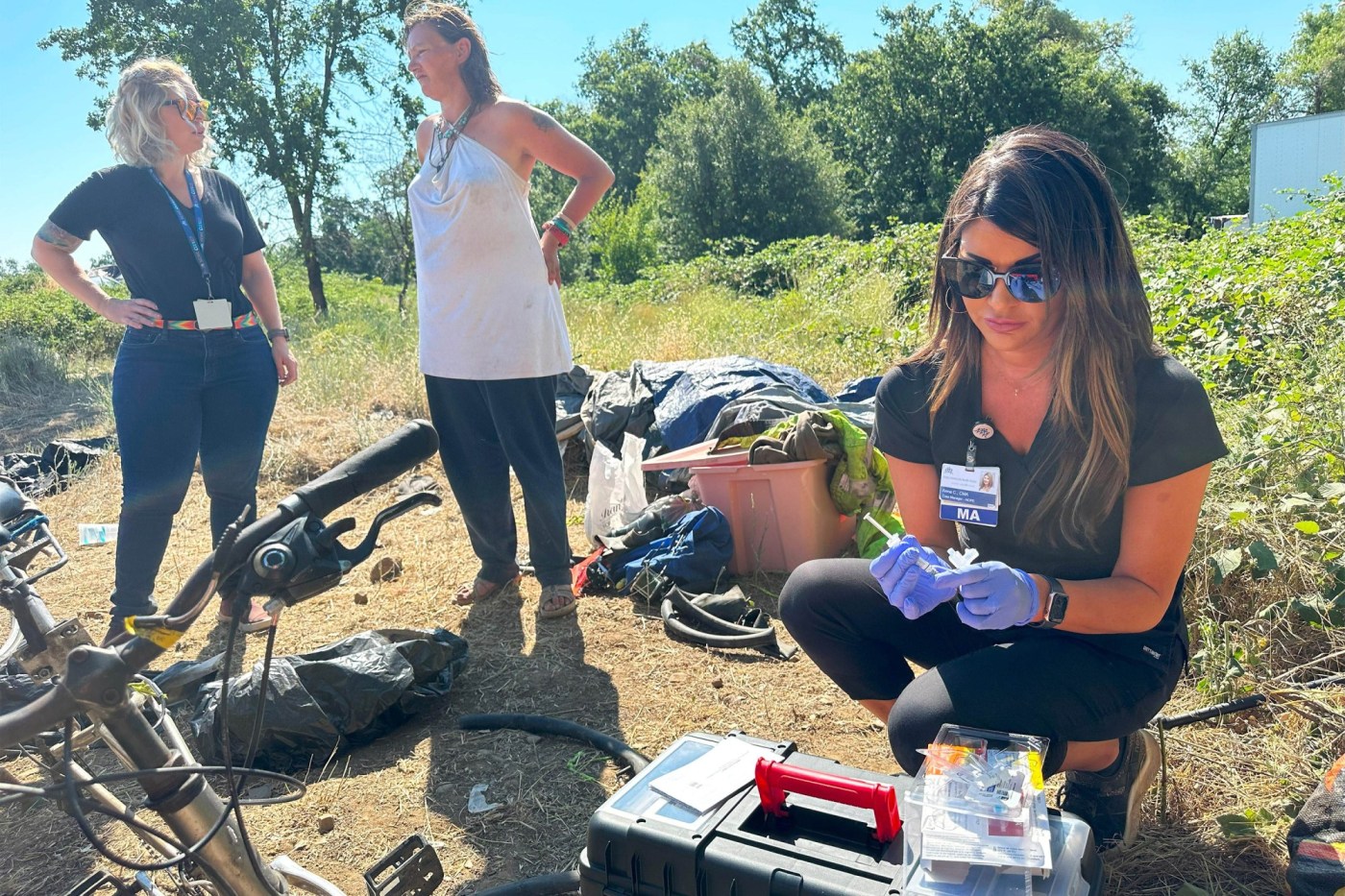
The Biden administration is making it easier for doctors and nurses to treat homeless people wherever they find them, from creekside encampments to freeway underpasses, marking a fundamental shift in how — and where — health care is delivered.

As of Oct. 1, the Centers for Medicare & Medicaid Services began allowing public and private insurers to pay “street medicine” providers for medical services they deliver anyplace homeless people might be staying.

Previously, these providers weren’t getting paid by most Medicaid programs, which serve low-income people, because the services weren’t delivered in traditional medical facilities, such as hospitals and clinics.

The change comes in response to the swelling number of homeless people across the country, and the skyrocketing number of people who need intensive addiction and mental health treatment — in addition to medical care for wounds, pregnancy, and chronic diseases like diabetes.

“It’s a game-changer. Before, this was really all done on a volunteer basis,” said Valerie Arkoosh, secretary of Pennsylvania’s Department of Human Services, which spearheaded a similar state-based billing change in July. “We are so excited. Instead of a doctor’s office, routine medical treatments and preventive care can now be done wherever unhoused people are.”

California led the nation when its state Medicaid director in late 2021 approved a new statewide billing mechanism for treating homeless people in the field, whether outdoors or indoors in a shelter or hotel. “Street medicine providers are our trusted partners on the ground, so their services should be paid for,” Jacey Cooper told KFF Health News.

Hawaii and Pennsylvania followed. And while street medicine teams already operate in cities like Boston and Fort Worth, Texas, the new government reimbursement rule will allow more health care providers and states to provide the services.

“It’s a bombshell,” said Dave Lettrich, executive director of the Pittsburgh-based nonprofit Bridge to the Mountains, which provides outreach services to street medicine teams in Pennsylvania. “Before, you could provide extensive primary care and even some specialty care under a bridge, but you couldn’t bill for it.”

Under the new rule, doctors, nurses, and other providers can get reimbursed to care for patients in a “non-permanent location on the street or found environment,” making it the first time the federal government has recognized the streets as a legitimate place to provide health care. This will primarily affect low-income, disabled, and older people on Medicaid and Medicare.

“The Biden-Harris administration has been focused on expanding access to health care across the country,” said CMS spokesperson Sara Lonardo, explaining that federal officials created a new reimbursement code at the request of street medicine providers who weren’t consistently getting reimbursed.

The White House unveiled an ambitious strategy this year to reduce homelessness in America 25% by 2025, in part by plowing health care money into better care for those living on the streets.

Legislation pending in Congress would further expand reimbursement for street medicine, taking aim at the mental health and addiction crisis on the streets. The bipartisan bill, introduced earlier this year, has not yet had a committee hearing.

Nearly 600,000 people are homeless in America, based on federal estimates from 2022, and on average they die younger than those who have stable housing. The life expectancy for homeless people is 48, compared with the overall life expectancy of 76 years in the U.S.

More than 150 street medicine programs operate across the country, according to street medicine experts. At least 50 are in California, up from 25 in 2022, said Brett Feldman, director of street medicine at the University of Southern California’s Keck School of Medicine.

Feldman spearheaded the state and national efforts to help street medicine providers get paid, alongside the Street Medicine Institute. They submitted a formal request to the Biden administration in January 2022 to ask for a new street medicine billing code.

In the letter, they argued that street medicine saves lives — and money.

“This is done via walking rounds with backpacks, usually working out of a pickup truck or car, but is also done via horseback, kayak, or any other means to reach hard-to-reach people,” they wrote. “The balance of power is shifted to the patient, with them as the lead of their medical team.”

Street medicine experts argue that by dramatically expanding primary and specialty care on the streets, they can interrupt the cycle of homelessness and reduce costly ambulance rides, hospitalizations, and repeated trips to the emergency room. Street medicine could help California save 300,000 ER trips annually, Feldman projected, based on Medicaid data. Some street medicine teams are even placing people into permanent housing.

Arkoosh said there’s already interest bubbling up across Pennsylvania to expand street medicine because of the federal change. In Hawaii, teams are plotting to go into remote encampments, some in rainforests, to expand primary and behavioral health care.

“We’re seeing a lot of substance abuse and mental health issues and a lot of chronic diseases like HIV,” said Heather Lusk, executive director of the Hawai’i Health & Harm Reduction Center, which provides street medicine services. “We’re hoping this can help people transition from the streets into permanent housing.”

But the federal change, undertaken quietly by the Biden administration, needs a major public messaging campaign to get other states on board and to entice more providers to participate, said Jim Withers, a longtime street medicine provider in Pittsburgh who founded the Street Medicine Institute.

“This is just the beginning, and it’s a wake-up call because so many people are left out of health care,” he said.

This article was produced by KFF Health News, which publishes California Healthline, an editorially independent service of the California Health Care Foundation. KFF Health News, formerly known as Kaiser Health News (KHN), is a national newsroom that produces in-depth journalism about health issues and is one of the core operating programs of KFF — the independent source for health policy research, polling and journalism.

A day of Seattle glassblowing adventures, Chihuly and all

posted in: News | 0

In Seattle, glassblowing is more than an art form. It’s an Emerald City passion in a city that offers visitors multiple ways to experience it for themselves.

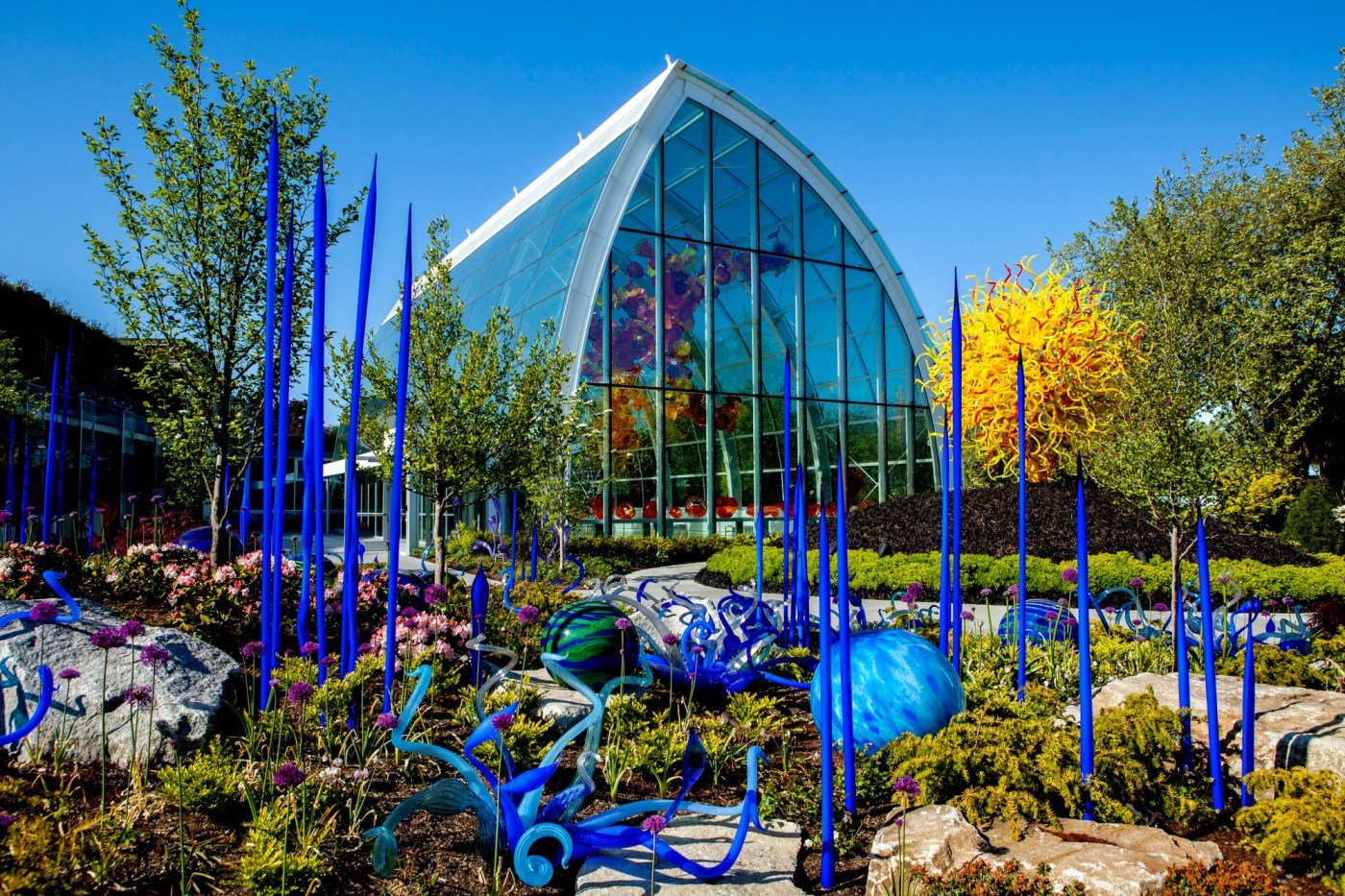
Art lovers will want to head straight for the Seattle Center, where Chihuly Garden and Glass houses Dale Chihuly’s dazzling, vibrant glass sculptures — and the museum’s new restaurant lets you sip and dine among his collections. But you can also visit glass art studios around town, watch glassblowing demonstrations and even try making a molten glass keepsake yourself.

Preston Singletary and Raven Skyriver demonstrate the art of glassblowing in Seattle. (Megan Swann Photography)

Consider it an immersive adventure of the most artistic sort.

Explore the Chihuly legacy

You’ll find Chihuly’s wildly creative glass installations at museums and venues around the world, from the Toyama Glass Art Museum in Japan to the Oklahoma City Museum of Art, which holds the largest permanent collection of his work.

But Washington holds a special place in the heart of this legendary Tacoma-born glass artist. You’ll find his works displayed at the Tacoma Art Museum, on the University of Puget Sound campus — where the alum dedicated a glass installation to his favorite professor — and, of course, in Seattle where Chihuly’s studio lies just a few miles from the 74-acre urban park that houses Chihuly Garden and Glass.

Just steps from the Space Needle, the museum’s striking glass edifice and sculpture garden showcase towering glass structures both indoors and out. The massive, suspended scarlet and yellow Glasshouse Sculpture was installed in 2012, when the museum first opened. Indoors, you’ll find the colorful Mille Fiori — a floral garden of glass that practically glows — and boats filled with ikebana and glass floats and so much more.

Dale Chihuly’s iconic Mille Fiori is on display at the Chihuly Garden and Glass museum in Seattle. (Chihuly Garden and Glass)

If you’re curious about how glass is made, glassmiths or gaffers give outdoor glassblowing demonstrations at the museum’s retrofitted 1967 Airstream — it’s known as the Community Hot Shop — daily starting at 11:15 a.m.

Set a new bar

Many museums have cafeterias or restaurants. This one has a cocktail bar — dubbed simply The Bar. It’s a testament to the Pacific Northwest, with locally sourced ingredients and seasonal menus that complement the cocktail program; they also serve beer and wine.

The Bar is almost a second museum with 25 of Chihuly’s private collections on display. Antique accordions hang from the ceiling, small glass bottles and other trinkets nestle under the glass-topped dining tables and Chihuly drawings line the walls.

The Bar at Seattle’s Chihuly Garden and Glass offers Pacific Northwest-inspired cocktails and bites in a setting surrounded by Dale Chihuly’s collections. (Alabastro Photography)

Sip a barrel-aged negroni or a pistachio-infused rye and bourbon Inkwell ($17 each) alongside warm, smoked king salmon dip ($13) and crispy calamari ($11), showcasing the PNW’s oceanic offerings (there’s also fish and chips, soft shell crab and miso clams). Or opt for a Columbia Valley wine alongside slightly spicy Bolognese pasta ($16) or wagyu beef sliders with smoked scamorza cheese ($17 for two).

For those abstaining from alcohol, the housemade sodas are anything but basic — think red wine vinegar, blood orange and cedar smoke ($9). And for those who came for the social experience, communal cocktails ($55, serves four) are available as well.

Blow your own

Once you’ve accumulated enough inspiration (but preferably not immediately after indulging in a cocktail), head to the Seattle Glassblowing Studio, a half-mile walk away. Here, a team of talented artists waits to open their kilns and share their knowledge of glassblowing with you as you embark on a DIY project in the hot shop.

The studio gets hot, and protective gloves and goggles are required, but the experience is surprisingly interactive. So choose a project from the wall of beginner options — paperweights, bowls, perhaps a decorative pumpkin — and let the pros help you get started.

There are a few safety rules and tricks — the practice requires constant movement, for example, so the melted materials don’t fall back into the oven as you’re working. Follow the studio’s guidance, and you’ll be just fine.

Paperweights offer the most creative control. But — happy surprise — you can use the bowls you make here, as long as you keep them out of the heat. Don’t put them in a dishwasher, for example, or microwave. (Tip: Ship your handmade glass art home, so your creation makes it safely.)

Start a collection

Looking to do a little shopping? The shelves at the Seattle Glassblowing Studio shop offer everything from large vases to animal trinkets; some, perhaps, created by the pro who just assisted you.

Then explore more glassblowing studios and shops. Among the possibilities: Seattle’s Totally Blown Glassworks, Glasshouse Studio, Avalon Glassworks, DeCicio Artisan Glass, Karaba Art Glass and Fremont Antique Glass Co., as well as galleries such as Edge of Glass and Blowing Sands.

Think outside the box when choosing blown glass. You can buy artwork to grace your shelves, of course, but many blown glass items — drinking glasses, lamps, jewelry dishes — are made to be used. They’re beautiful and practical at the same time.

If You Go

Chihuly Garden & Glass: Admission is $26-$35. The museum opens at 10 a.m. daily at 305 Harrison St. in Seattle. The Bar is open from 10:30 a.m. to 8 pm.; www.chihulygardenandglass.com.

Seattle’s Chichuly Garden and Glass offers glass blowing demonstrations daily. (Andreas Conrad/Visit Seattle)

Seattle Glassblowing Studio: The studio is open from 10 a.m. to 6 p.m. daily at 2227 Fifth Ave. Hands-on glassblowing experiences ($70 and up) are available daily by reservation; www.seattleglassblowing.com.

Related Articles

Travel |


Spirit cancels more than 40 flights at Orlando International, grounds 25 jetliners for mandatory inspections

Travel |


When booking a cruise, here’s how to choose less scary destinations

Travel |


How climate change could affect when and where people travel

Travel |


Walt Disney’s childhood home opens doors for first public tours

Travel |


The world’s top 10 best cruise lines, according to travelers

Totally Blown Glassworks: Hours vary. 5607 Corson Ave.; www.dehannajones.com.

Glasshouse Studio: Opens at 10 a.m. Monday-Saturday, 11 a.m. Sundays at 311 Occidental Ave. in Pioneer Square; www.glasshouse-studio.com.

Avalon Glassworks: Open noon to 4 p.m. Thursday-Saturday at 2914 SW Avalon Way; www.avalonglassworks.com.

DeCicio Artisan Glass: Open 10 a.m. to 4 p.m. on Sundays at 5416 Shilshole Ave. NW; www.decicioglass.com.

Karaba Art Glass: Opens at noon Mondays, 11 a.m. Tuesday-Sunday at Pike Place Market; www.theglasspumpkin.com.

Fremont Antique Glass Co: Make an appointment to view glass production and shop at the warehouse by emailing fremontantiqueglass@gmail.com. 3614 Second Ave. NW; www.fremontantiqueglass.com

Before investigation was revealed, Gophers football changed play-call process for Michigan game

posted in: News | 0

The Gophers football program altered a key in-game process when it played the Michigan Wolverines for the Little Brown Jug on Oct. 7.

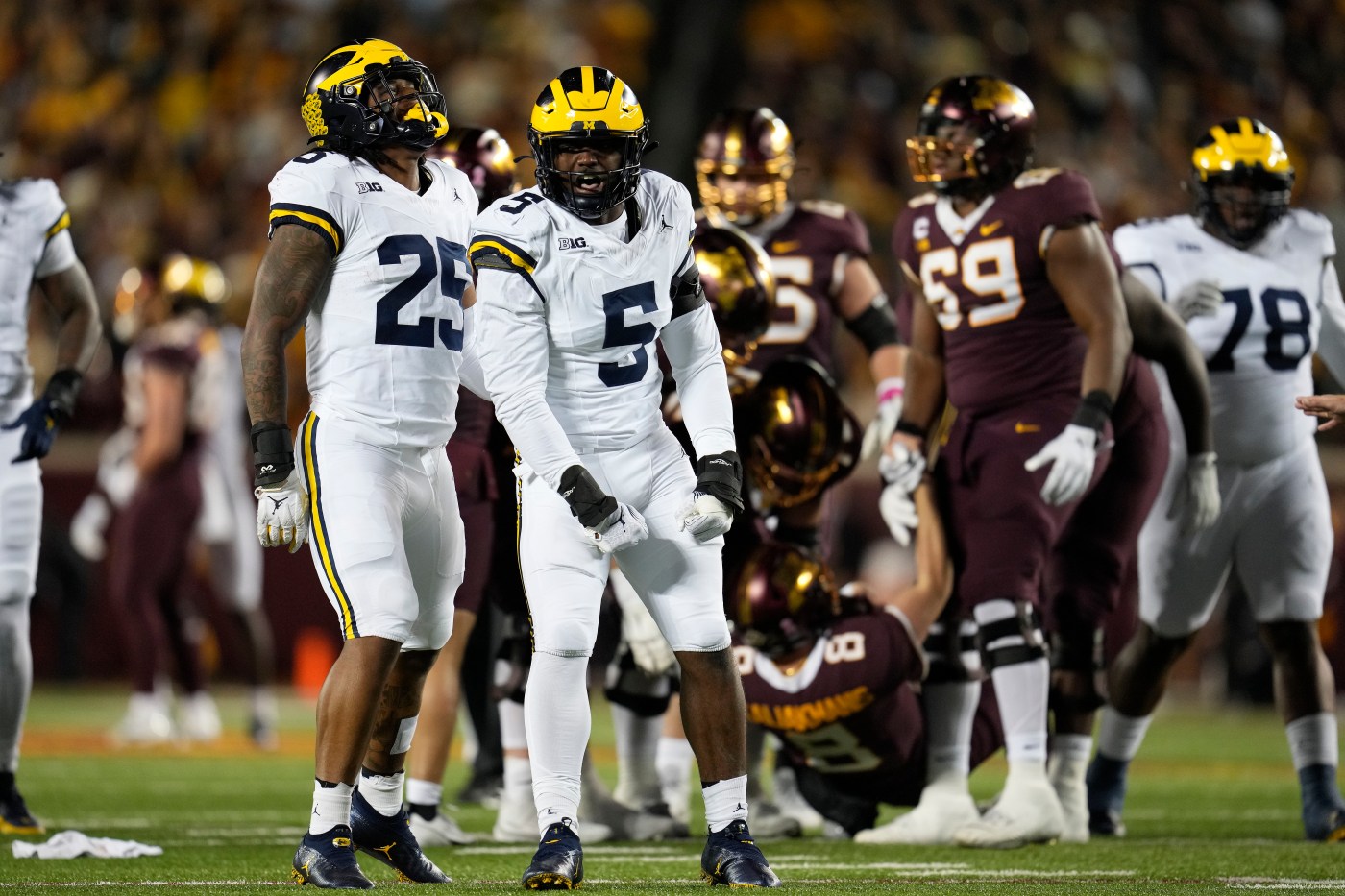
On Sept. 30, players on Minnesota’s offense looked to the sideline for play-call signals during the 35-24 win over Louisiana. But in Michigan’s 52-10 win the following Saturday, the Gophers huddled before plays, with quarterback Athan Kaliakmanis often consulting a play card on his left wrist band. The Gophers offense huddled again in last Saturday’s 12-10 victory at Iowa.

Twelve days after the Minnesota-Michigan game, the Big Ten said the NCAA was investigating allegations of sign stealing by the Wolverines. The process of trying to glean what the other team is signaling from the sideline pre-snap is permitted during games, but scouting future opponents in-person has been prohibited since 1994.

Gophers coach P.J. Fleck was asked about the Michigan investigation on Monday; all he shared to the Pioneer Press was that the Gophers huddled up to make play calls against the Wolverines.

The Big Ten Conference and NCAA have not communicated with the Gophers about this topic, the Pioneer Press has learned.

ESPN reported Monday that suspended Michigan staff member Connor Stalions has purchased tickets in his own name to more than 30 games over the past three years at 11 Big Ten schools.

ESPN said one Big Ten school consulted in-stadium surveillance video from a game this season and sources told ESPN the person in the seat of the ticket purchased by Stations held up his phone and appeared to film one sideline the entire game.

The Gophers might have discovered something on this issue at one of their prior games this season. Before they played Michigan in early October, the U played at Northwestern on Sept. 23 and hosted Nebraska on Aug. 31. The U has also had home games against Eastern Michigan and Louisiana and played at North Carolina.

Nebraska coach Matt Rhule was asked Monday if he felt there was an “unusual amount of knowledge” on Michigan’s sideline during the Wolverines’ 45-7 win over the Cornhuskers on Sept. 30 in Lincoln, Neb.

“No one from the Big Ten or NCAA has asked me anything, so I’m probably not going to comment on anything like that,” Rhule said. “I would never want to (cash in) on somebody else going though a hard time. I don’t know anything.”

Rhule acknowledged sign stealing happens in every game. “There is nothing wrong with teams over there looking over trying to steal our signs,” he said. “There is nothing wrong with us trying to look at their signs.”

Rhule, who coached the NFL’s Carolina Panthers from 2020-22, advocated for communication capabilities in the helmets of college quarterbacks, like they have in the NFL.

“All these (college) coaches vote against it every year; they don’t want to teach their quarterback,” Rhule said. “In the NFL, each quarterback goes out there with three play calls.”

With an earpiece in a quarterback’s helmet, Rhule said college programs wouldn’t have to go to current lengths to disguise play calls.

The Gophers often use three staff members to signal in play calls. They each wear a unique bright color shirt and hat to differentiate who might be the correct signaler at any given sequence.

“We could get rid of all the stupid signs on the sideline — pictures of rock stars and all that stuff — and we could just play football the way it was meant to be,” Rhule said. “You go to a high school game, there is technology on the sideline. You go to an NFL game, there is technology on the sideline. You go to college, there is nothing.”

Related Articles

College Sports |


Big Ten, NCAA stand behind call at end of Gophers’ win over Hawkeyes

College Sports |


A look behind the scenes of Gophers’ emotional win over Hawkeyes

College Sports |


‘Fine me.’ Hawkeyes coach Kirk Ferentz fired up over controversial call in loss to Gophers

College Sports |


Gophers find a way to beat Iowa, 12-10, to grab Floyd of Rosedale trophy

College Sports |


Gophers bounce back from self-inflicted errors to shut down Iowa in 12-10 win