Biden approves military airdrops of aid into Gaza after chaotic encounter left more than 100 dead

posted in: News | 0

WASHINGTON — The U.S. will begin airdropping humanitarian assistance into Gaza, President Joe Biden said Friday, a day after more than 100 Palestinians were killed during a chaotic encounter with Israeli troops.

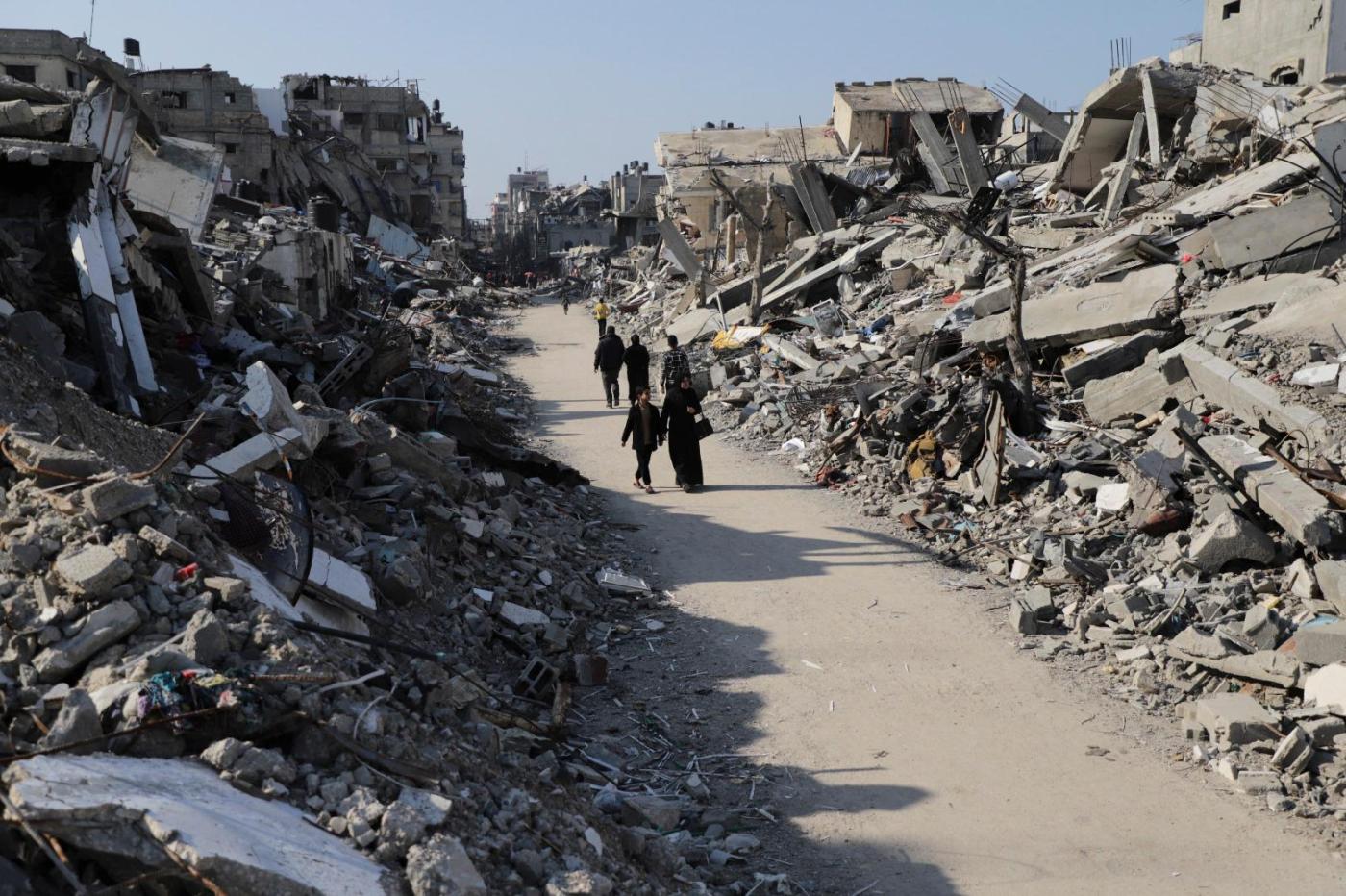
The president announced the move after at least 115 Palestinians were killed and more than 750 others were injured, according to Gaza’s Hamas-run health ministry, on Thursday when witnesses said Israeli troops opened fire as huge crowds raced to pull goods off an aid convoy.

Biden said the airdrops would begin soon and that the United States was looking into additional ways to facilitate getting badly needed aid into the war-battered territory to ease the suffering of Palestinians.

“In the coming days we’re going to join with our friends in Jordan and others who are providing airdrops of additional food and supplies” and will “seek to open up other avenues in, including possibly a marine corridor,” Biden said.

The president twice referred to airdrops to help Ukraine, but White House officials clarified that he was referring to Gaza.

Israel said many of the dead were trampled in a stampede linked to the chaos and that its troops fired at some in the crowd who they believed moved toward them in a threatening way. The Israeli government has said it is investigating the matter.

Biden made the announcement while hosting Italian Prime Minister Giorgia Meloni at the White house.

“Aid flowing to Gaza is nowhere nearly enough,” Biden said. “Now, it’s nowhere nearly enough. Innocent lives are on the line and children’s lives are on the line. We won’t stand by until we get more aid in there. We should be getting hundreds of trucks in, not just several.”

The White House, State Department and Pentagon had been weighing the merits of U.S. military airdrops of assistance for several months, but had held off due to concerns that the method is inefficient, has no way of ensuring the aid gets to civilians in need and cannot make up for overland aid deliveries.

Administration officials said their preference was to further increase overland aid deliveries through the Rafah and Kerem Shalom border points and to try to get Israel to open the Erez Crossing into northern Gaza.

The incident on Thursday appeared to tip the balance and push Biden to approve airdrops. White House national security spokesman John Kirby said that airdrops are difficult operations, but the acute need for aid in Gaza informed the president’s decision.

He stressed that ground routes will be continued to be used to get aid into Gaza, and that the airdrops are a supplemental effort.

“It’s not the kind of thing you want to do in a heartbeat. you want to think it through carefully,” Kirby said. He added, “There’s few military operations that are more complicated than humanitarian assistance airdrops”

Biden in his visit with Meloni at the White House on Friday also sought to assure European leaders that the U.S. remains behind Ukraine even as he’s been unable to win passage of a supplemental foreign aid package that includes $60 billion for Ukraine in addition to $35 billion for Israel and Taiwan. The legislation has passed the Senate, but Republican Speaker Mike Johnson has refused to put it up for a vote in the House.

Ahead of Meloni’s visit, White House officials said they don’t have good answers for allies about finding an end to the impasse with House Republicans and reopening the American spigot of aid to Kyiv that’s badly needed as Ukraine tries to fend off Russia’s invasion.

Biden, along with top Democrats and Senate Republican Leader Mitch McConnell, strongly urged Johnson during a White House meeting this week to take up the foreign aid package, but Johnson responded by saying that Congress “must take care of America’s needs first.”

The leaders’ agenda also discussed the U.S., Egypt and Qatar to broker an extended cease-fire between Israel and Hamas, Italy’s priorities for a G7 presidency, migrant flows into Italy from North Africa, and their countries’ China policies. Hamas has been designated as a terrorist organization by the United States, Canada and the European Union.

Biden said earlier this week that he was optimistic that a cease-fire deal could be reached by early next week. But he acknowledged that a prospective deal may have been set back after Israeli troops on Thursday fired on a large crowd of Palestinians racing to pull food off the aid convoy.

With Meloni by his side, Biden on Friday expressed cautious optimism that a deal can still be struck.

“We’ve been working and hopefully we’ll know shortly,” Biden said.

Meloni said solving the humanitarian crisis in Gaza was Italy’s top priority.

“We need to coordinate our actions to avoid an escalation, and this regard we fully support the U.S. mediation efforts,” she said.

Associated Press writers Colleen Barry in Milan and Seung Min Kim contributed reporting.
Column: Would a new stadium solve the Chicago White Sox’s attendance problems? Only if it comes with a new owner.

posted in: News | 0

A new Chicago White Sox ballpark in the South Loop is only a figment of someone’s imagination right now.

But at least the news Wednesday that the Sox are in “serious talks” to build a downtown stadium in the area known as “the 78″ near Clark Street and Roosevelt Road gave us something to talk about besides the Justin Fields-versus-Caleb Williams debate during a down time for our local sports teams.

With no SoxFest on tap and no big-name signings to get fans excited about the season, the leak of the ballpark rumor provided the Sox with front-page news on another cold, dreary day in January.

Nothing wrong with that.

Who doesn’t want to dream of a beautiful new ballpark with a skyline view and surrounding bars and restaurants to go to before and after games? It’s what the Sox should’ve done in the mid-1980s when they held the state hostage for public funding for what was then called new Comiskey Park.

Instead we got an unlovable structure ridiculed by fans for its steep upper deck, a moat separating the field from the bleachers and a lack of entertainment options anywhere near the park. The “Ball Mall” was the popular nickname after it opened in 1991.

“When people came out for that first opening day, they were in awe of the place,” Chairman Jerry Reinsdorf told the Tribune’s Teddy Greenstein in 1999. “But now the stadium is a popular thing to attack. Look, I thought people wanted unobstructed views and wide aisles. I guessed wrong.

“People wanted a more homey feeling. But I really believe that if we had built Camden Yards instead, I would have been massacred. People wanted a modern park.”

Oops.

In a rare mea culpa, Reinsdorf eventually agreed to a series of renovations that included removing eight rows and 6,600 seats from the upper deck and a canopy-style roof to replace the flat one over the 13 highest rows. A sports bar/restaurant was constructed across the street. The moat was filled in with new bleacher seating. The Sox even allowed tailgating.

Once renovated, “The Cell” grew on fans, at least those who didn’t have to sit in the upper deck. It wasn’t as beloved as old Comiskey Park but it was fine. Still, the only time outside opening day that the ballpark was typically filled was when the Sox were in the midst of a winning season or playing the Cubs in the City Series.

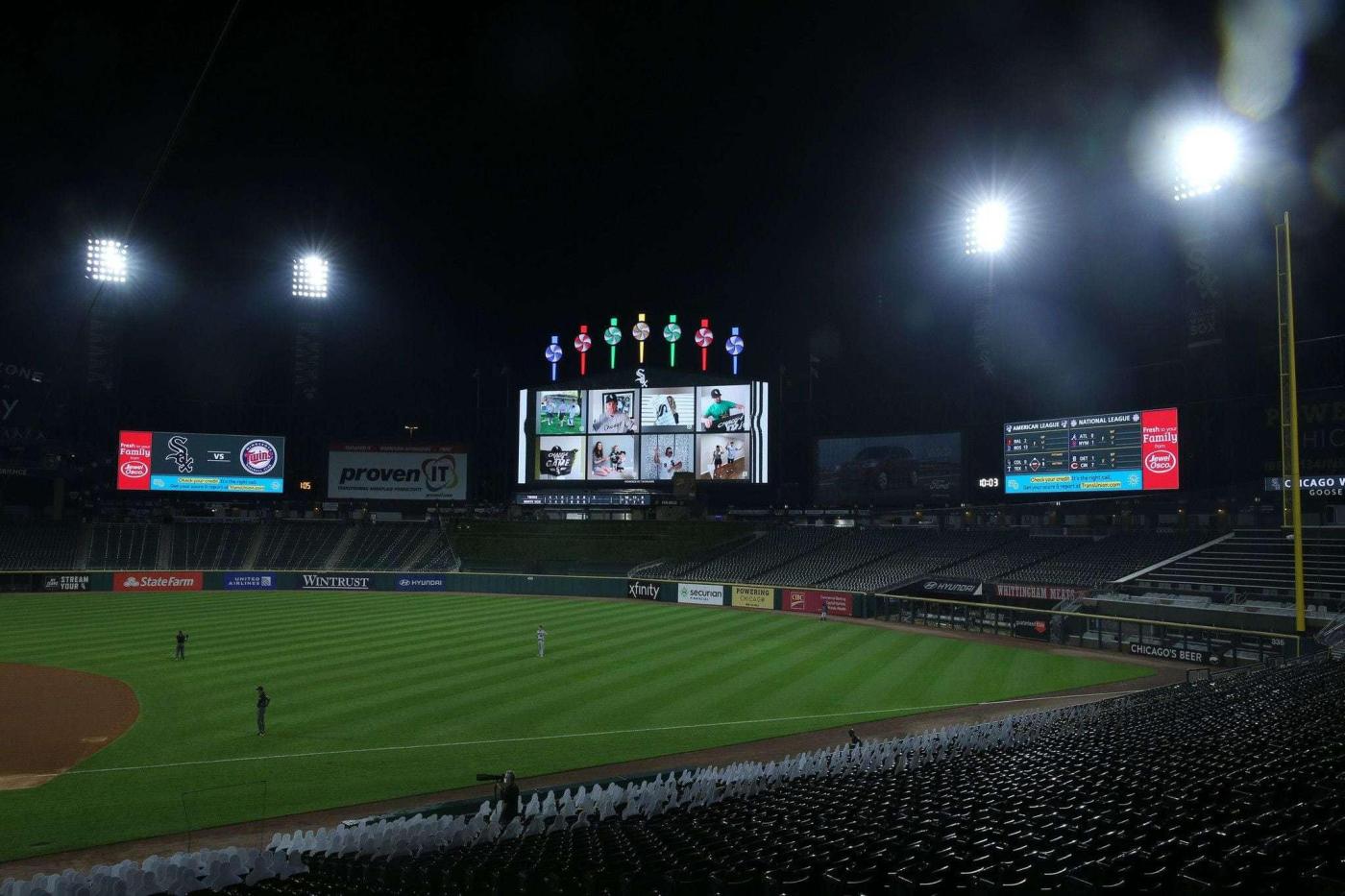
Now comes another mea culpa from Reinsdorf — an admission that what’s now called Guaranteed Rate Field is obsolete after only 33 years. Reinsdorf wouldn’t say that, of course, but by making a new ballpark a priority, it’s obvious he “guessed wrong” about the one at 35th Street and Shields Avenue.

After the Sun-Times broke the news about new stadium talks between the Sox and the city, Mayor Brandon Johnson and the Sox released a statement Thursday.

“Mayor Brandon Johnson and Chicago White Sox Chairman Jerry Reinsdorf met to discuss the historic partnership between the team and Chicago and the team’s ideas for remaining competitive in Chicago in perpetuity,” the statement read. “The partnership between the City and the team goes back more than a century and the Johnson administration is committed to continuing this dialogue moving forward.”

The idea the Sox will remain competitive in Chicago “in perpetuity” suggests they are competitive now. Anyone following the team’s downward spiral since the 2022 postseason, including its uninspiring offseason this winter, knows that’s a joke.

But for the sake of argument, let’s assume the Sox intend to compete in the near future. Would a ballpark in the South Loop help bring in fans who generally have avoided going to Sox Park over the last couple of decades?

If they build it, will they come?

Only if a new ballpark comes with a new owner.

It goes without saying that Reinsdorf’s popularity among Sox fans is lower than the sewer system under Lower Wacker Drive. But Reinsdorf, who turns 88 in February, said in September that he had no intention of selling the Sox.

“Friends of mine have said, ‘Why don’t you sell? Why don’t you get out?’” he said. “My answer always has been, ‘I like what I’m doing, as bad as it is, and what else would I do?’

“I’m a boring guy. I don’t play golf. I don’t play bridge. And I want to make it better before I go.”

Evidence of Reinsdorf making the Sox better is harder to find than the owner of the gun who fired bullets that hit two fans last summer in the Guaranteed Rate Field bleachers. The payroll is going down, and the organization’s strange infatuation with bringing in former Kansas City Royals personnel has reached a crescendo.

A new South Loop ballpark sounds cool, but it would not be a panacea for the Sox’s attendance problems, just as the new Comiskey Park wasn’t after that new ballpark smell wore off following the first few seasons. Traffic jams on the Kennedy and Dan Ryan expressways won’t make it any easier to get to, and taking the “L” at night is much scarier now than it was prepandemic.

Even in the highly unlikely event the Sox would pay most of the tab, what would happen to the soon-to-be white elephant in Bridgeport that Illinois taxpayers helped pay for? Will the Sox ever explain why they need to leave after all those renovations?

At least the Sox should acknowledge the current ballpark, the last one built before the “retro” parks such as Camden Yards, was an architectural mistake.

“I talk to fans a lot, and they tell me they don’t like the ambience,” Reinsdorf told Greenstein in 1999 during another Sox rebuild. “But what people really want is something better in the uniforms.”

That statement rings true 25 years later.

Maybe the Sox need to work on that before talking about a new ballpark.

()

Study: About a third of children hospitalized with COVID-19 experience persistent symptoms

posted in: News | 0

BALTIMORE — A new study by 12 medical sites found that up to a third of children who were hospitalized because of COVID-19 experienced persistent symptoms one to two years after they were released.

The research, published earlier this month in Frontiers in Pediatrics, analyzed the post-hospital quality of life for children previously diagnosed with COVID-19 or multisystem inflammatory syndrome in children — a rare condition associated with COVID where body parts like the heart, lungs, kidneys, brain, skin and eyes become inflamed.

Researchers found that 30% of the families participating in the study reported that their child had not fully recovered from COVID or the syndrome also known by its initials as MIS-C.

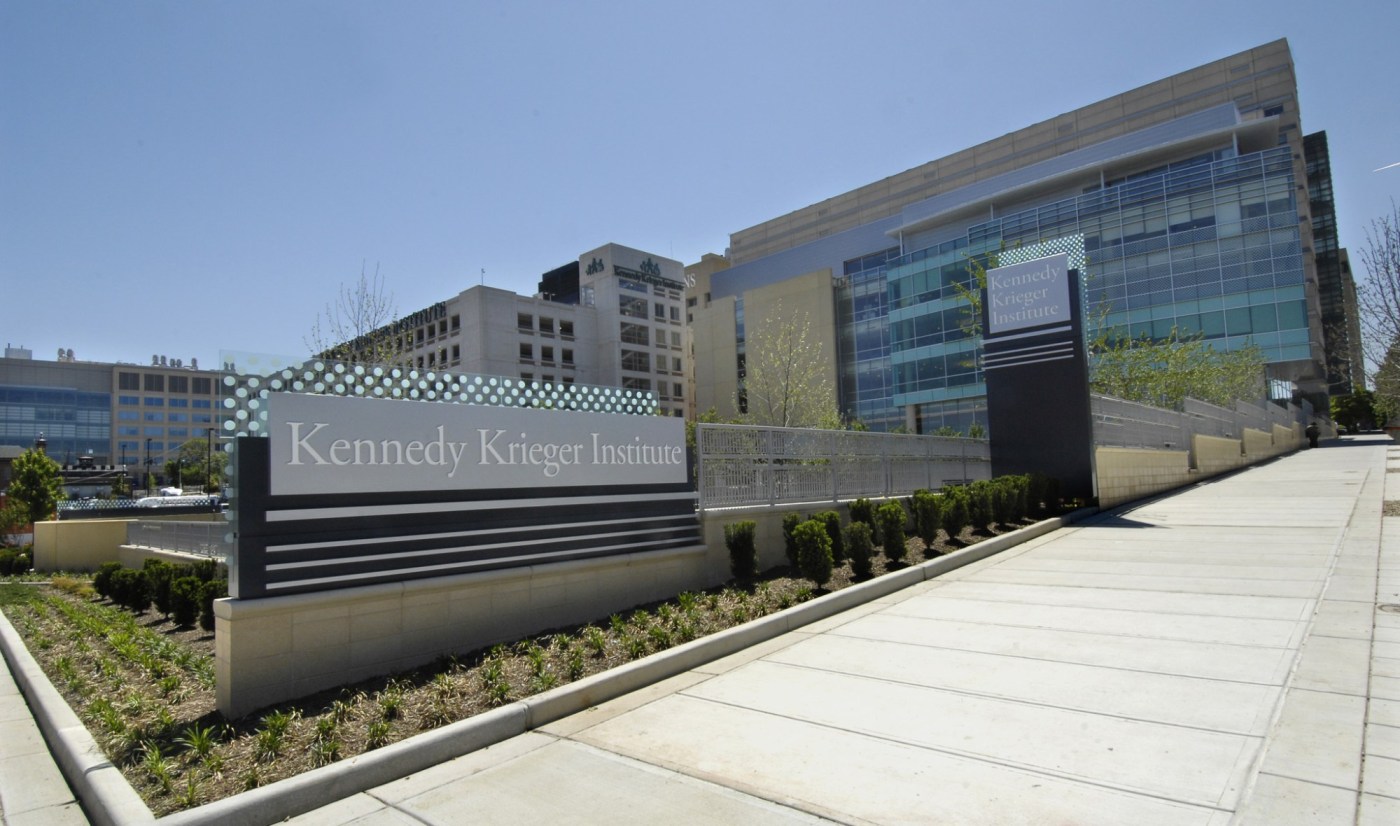
Of the children who hadn’t recovered following their hospital discharge, the majority — 87% — had neurological symptoms, the Kennedy Krieger Institute in Baltimore said in a news release this week. About three in five children continued to struggle with headaches and just under half experienced weakness.

These numbers “speak volumes” about the lasting effects that COVID has on some children, said Dr. Beth Slomine, co-director at Kennedy Krieger’s Brain Injury Clinical Research Center and one of the study’s co-authors.

“Our findings highlight the urgent need for better monitoring systems and care strategies to address the long-term effects that the pandemic made on pediatric health,” said Slomine, who is also Kennedy Krieger’s assistant vice president of psychology.

The study included 79 children from 12 medical centers across the country and lasted from January 2020 to July 2021 during the coronavirus pandemic. It is part of a global research effort to better understand how often people hospitalized with COVID experience neurological problems once they are released.

Other important findings from the study included that of the children who had not recovered from COVID, 40% had at least one return emergency visit and 24% were readmitted to the hospital. These children also had increased signs of inflammation when they were admitted to the hospital, compared to those whose parents reported them being recovered.

Related Articles

Health |


Do we simply not care about old people?

Health |


Largest COVID vaccine study yet finds links to health conditions

Health |


Zeynep Tufekci: Could Long Covid be the Senate’s bipartisan cause?

Health |


Study finds connection between COVID-19 and insomnia

Health |


Review of COVID death stats finds likely undercount in official numbers

Researchers also noted that children in the “not recovered” category were more likely to be from families who had reported changes in their routines, stress, food access and access to mental health treatment during the pandemic.

“More research is needed to better understand the relationship between pandemic-related social stress and prolonged symptoms,” Slomine said in the news release.

Also in the news release, Dr. Ericka Fink — lead author of the study and a critical care pediatrician at the UPMC Children’s Hospital of Pittsburgh – said the next step for researchers is to dig deeper into understanding factors that could help predict which patients are at risk for persistent symptoms.

In the future, she said, scientists may be able to develop a screening tool to help doctors identify those children more likely to require longitudinal, multidisciplinary care.

Most children diagnosed with COVID and long COVID — a collection of ongoing, returning or new symptoms experienced after an initial COVID infection — don’t require hospitalization, according to Kennedy Krieger’s news release. However, Slomine emphasized the importance of equipping families with information about the risks associated with the illness so they can make the best decisions for their children.

“As we continue to learn about COVID-19, education and awareness remains at the forefront at Kennedy Krieger and around the world,” Dr. Slomine said. “Collaborative endeavors such as these are pivotal in guiding our research and ensuring the best care possible for children affected by the virus.”

Column: Rat Hole Park? Second City Stadium? It’s never too early to name the new White Sox Park.

posted in: News | 0

Everyone is giddy for the new White Sox ballpark in the South Loop, even without the team or the city announcing any details about their plans.

Kudos to the Sox for getting fans excited for opening day, even if it’s Opening Day 2030, and to Mayor Brandon Johnson, who figures to be long gone before the first shovel hits the ground on the ballpark construction.

If we’re rushing toward an agreement to make Chairman Jerry Reinsdorf’s new pet project come to fruition, we might as well start thinking about the naming rights.

Guaranteed Rate Field, the name of the current ballpark, never has caught on since replacing U.S. Cellular Field, which was widely known as “the Cell.” U.S. Cellular Field replaced “new Comiskey Park,” the original name in 1991 which honored the demolished ballpark across the street. Former owner Charles Comiskey named the ballpark after himself, an idea that Reinsdorf assuredly won’t copy.

No matter what name it went by, many fans still referred to the Sox’s home as “Sox Park,” an easily remembered name that spans generations.

While we anxiously await Reinsdorf and Johnson’s plan, here are 10 suggestions for the name of the new South Loop ballpark:

1. Manny’s Cafeteria & Delicatessen Stadium

The South Loop’s most beloved restaurant deserves dibs for the new stadium name.

The classic Jewish deli is only a three-minute drive down Roosevelt Road from the proposed stadium site, and figures to be as popular for pregame dining as McCuddy’s once was for pregame drinking.

2. Rat Hole Park

The Rat Hole Preservation Society, our nickname for those anonymous do-gooders in Roscoe Village who helped save the city’s latest tourist attraction from vandalism, needs to set up a GoFundMe page for the naming rights.

The Rat Hole is a rodent-shaped crater in a sidewalk that somehow became as famous as the Bean. The Sox could even get creative and design a park with the same imprint. Rat Hole Park would be a perfect destination for a ballgame in Chicago and would honor both our favorite rodents and our history of corrupt politicians.

The only problem might be that some Sox fans already refer to Wrigley Field as “the rat hole.”

3. The 78

The area around Clark Street and Roosevelt Road is already called “the 78″ based on someone’s idea that it eventually would become the 78th neighborhood in Chicago.

“The 78″ could also be seen as an homage to the 1978 White Sox, a team that had the misfortune of following the popular ‘77 group known as the “South Side Hit Men.” Without “rent-a-players” Richie Zisk and Oscar Gamble, the stars of the Hit Men, the Sox plunged to a 90-loss season. They did however manage to acquire Claudell Washington in a trade for Bobby Bonds, and the outfielder’s inability to play hard inspired the famous banner in right field: “Washington Slept Here.”

4. Obama Yards

The world’s most famous Sox fan is former President Barack Obama, though he once called Comiskey Park “Comiskey Field” in an interview with Bob Costas.

Obama’s presidential library currently is under construction in Jackson Park and could use a bookend a few miles north. One Sox fan publicly pleaded with Reinsdorf in a Chicago Tribune op-ed to sell the team to Obama, but first things first. Naming the stadium after Obama might even convince him to attend some games.

5. Loop Park

Getting people to go back to the Loop again might be easier if it meant going to a ballpark by the same name, and the former classic rock radio station called “the Loop” would be an appropriate tie-in for nostalgic Sox fans.

A statue of Steve Dahl blowing up disco albums would look nice in center, commemorating one of the most celebrated moments in Sox history.

6. Second City Stadium

The Second City improv theater includes some of the most recognized names in comedy over the years, from John Belushi and Dan Aykroyd to Tina Fey and Stephen Colbert.

In the mid ‘90s I asked Second City alum George Wendt, a South Side Sox fan who played Norm on “Cheers,” to give his theory on the team’s attendance issues in the new Comiskey Park.

“Maybe you could’ve put it on the free TV versus cable TV thing a few years back,” Wendt replied. “But now they’re on WGN sometimes, so I don’t know. It seems like emigres to Chicago, the postgraduates who settle here in the suburbs, north or south, become Cubs fans. It seems like to be a Sox fan, you have to be born and raised on the South Side.”

That might still be true today.

7. This Space for Rent Field

A temporary solution while the Sox try to find a sponsor from the cryptocurrency world.

8. Ozzie Guillen Field

The manager of the only Sox team to win a championship since 1917 doesn’t have a statue in Guaranteed Rate Field. To make amends, the Sox could name the new ballpark after Guillen, who currently works as an analyst for NBC Sports Chicago and provides unfiltered commentary on the team’s issues.

“Meet you at ‘the Oz’” sounds like a good way to start a day.

9. Taylor Swift Stadium

Being associated with the world’s biggest pop star seemed to work well for the NFL. The Sox could use the boost in attendance, even if Reinsdorf has to pay Swift for the use of her name.

10. Sox Park

Well, this is what it will eventually be called no matter what it’s named, so why not just cut to the chase?

()