St. Paul schools names John Thein as interim superintendent — again

posted in: Politics | 0

A familiar face will temporarily lead St. Paul schools when Superintendent Joe Gothard steps down from his role next month.

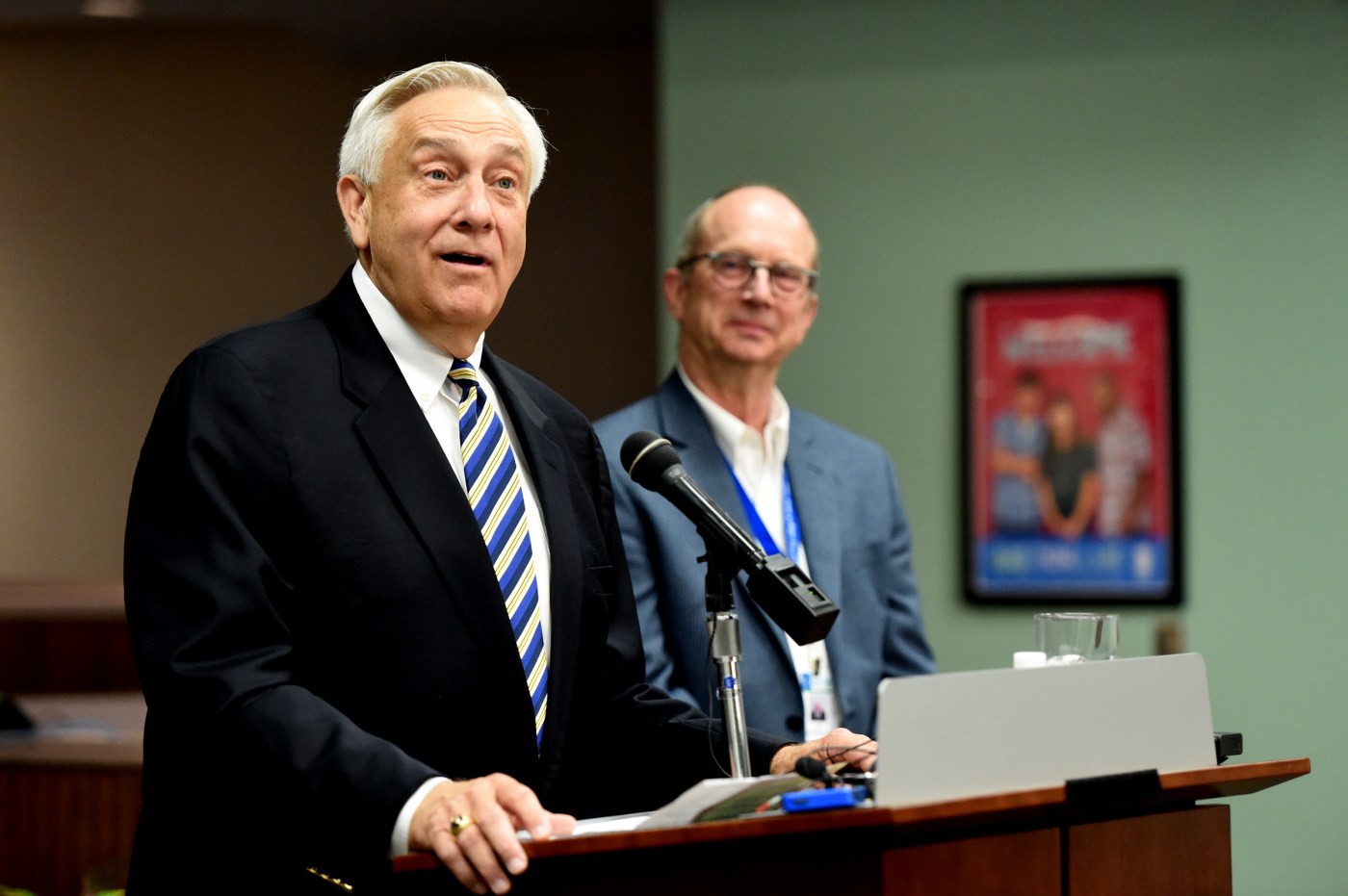
John Thein, who served as interim superintendent of St. Paul Public Schools from 2016-17, has agreed to take the reins of the district once again on May 20. The district’s Board of Education approved his contract at a Wednesday night meeting.

School board chair Halla Henderson said the board chose Thein due to his experience with the district and enthusiasm for the job.

“His knowledge of and connection to our school communities will be indispensable as we begin our search for the next permanent superintendent,” she said in a news release following Thein’s appointment.

Thein will lead the state’s second-largest school district, which has about 33,000 students and is among the state’s most diverse, until district leadership can find a permanent replacement. The district said it plans to hire an outside firm to help with the search.

In February, Gothard, who has led St. Paul schools since 2017, accepted a job with his hometown school district in Madison, Wis. His contract, which had many incentives to get him to stay in St. Paul, started in 2023 and was supposed to end in 2026.

The school board on Wednesday agreed to release Gothard from his contract early. Gothard sent his resignation on Feb. 26. In a change to his contract approved by the board Wednesday, Gothard’s last day on the job in St. Paul will be May 17. He’ll collect his normal pay until then, but he won’t be able to cash out his accumulated vacation.

Gothard told the school board his first day on the job in Madison will be May 20, the day Thein takes over as interim. Gothard in a statement from the district said it was a “familiar feeling” passing the baton back to Thein, who held the role before he took over.

SPPS will pay Thein a salary of $230,000 a year, according to his employment contract with the district. And while he starts the job on May 20, he’ll begin providing his services to the district “as needed” starting April 29, something he’ll get paid for at a rate of $111 an hour.

St. Paul Schools Superintendent Joe Gothard accepts the national superintendent of the year award from the American Association of School Administrators at the group’s annual conference in San Diego, Calif., on Thursday, Feb. 15, 2024, (Courtesy AASA, The School Superintendents Association)

Thein was superintendent of Roseville Area Schools for 17 years before he retired in 2015. He became interim superintendent of SPPS in 2016 after the board ousted former Superintendent Valeria Silva.

He stepped down after St. Paul Public Schools hired Gothard, who at the time was superintendent of the Burnsville-Eagan-Savage School District.

In addition to St. Paul, Thein has served as interim superintendent of ROCORI Public Schools, a school district southwest of St. Cloud.

In a statement released by the district, Thein said he was grateful to serve SPPS once again.

“The memories of my previous tenure at SPPS are still fresh, and I am excited to reconnect with the students and staff we serve,” he said.

Thein faces a challenging budget picture as he returns to the school district he briefly led seven years ago.

St. Paul Public Schools faces a $107.7 million budget shortfall and has been working to make big cuts. The shortfall is in large part tied to the expiration of federal pandemic aid and declining enrollment.

District officials have identified about $71.3 million in cuts but still need to find other areas to trim. The district needs to get a new budget together by June.

Related Articles

Education |


St. Paul high school 4-year graduation rate drops amid slight statewide decline

Education |


Markus Flynn: With a coalition and collective action, we’ll address the scarcity of Black male teachers

Education |


Central High softball players head to D.C. Tuesday, buoyed by donations from foundations

Education |


After biggest snowfall of the season, more snow Tuesday impacts after-school activities

Education |


How St. Paul’s Woke Coach pushes through discomfort to strengthen office culture
Opinion: Pass the Full NY HEAT Act in This Year’s Budget

posted in: News | 0

“As our planet hurtles toward climate tipping points, beyond which climate chaos is irreversible, every dollar we spend on fossil fuels today takes us backwards.”

Ken Schles

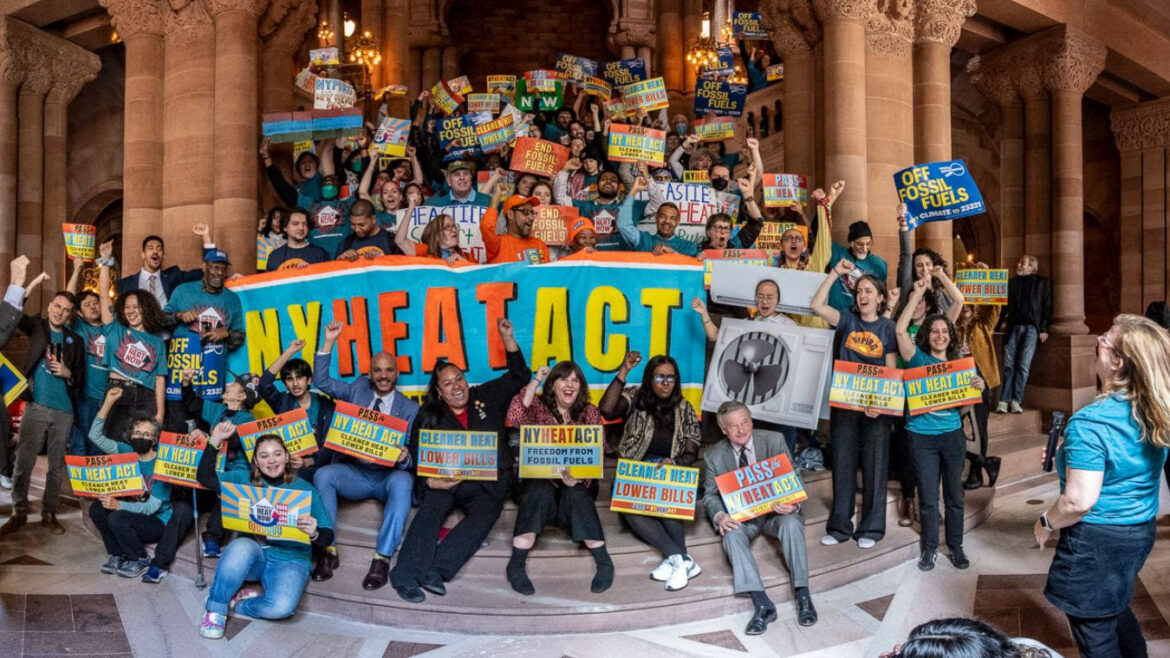
A rally for passage of the NY Heat in Albany last month.

CityViews are readers’ opinions, not those of City Limits. Add your voice today!

Last week, I took a hike. If you commute across the Williamsburg Bridge, you may have seen our hardy group of grassroots activists wearing hiking boots, backpacks, and, critically, giant utility bills.

We walked from Brooklyn to Gov. Kathy Hochul’s office in Midtown, singing songs and leading chants for the better part of two hours. At the end of the march, over 50 New Yorkers rallied to demand cleaner heat and lower energy bills. Our demand was simple: pass the full NY HEAT Act in the budget.

Our hike against rate hikes comes as Con Edison and National Grid customers face cost increases of nearly $50 every month, and as legislators debate a final state budget, expected any day now. On the table in these negotiations is the NY HEAT Act, popular legislation that would stop the consumer subsidization of New York’s fracked gas system, moving off fossil fuels and limiting household energy bills to 6 percent of a family’s income. The urgent need for this legislation could not be more obvious.

New York is embracing the move off fossil fuels, from our city and state gas bans to Local Law 97. But the job is not done without NY HEAT. Substantial federal and state funds exist to aid landlords and homeowners with electrification, but we need to ensure that the clean energy transition doesn’t leave low- and middle-income families hanging. The move off fossil fuels must be an equitable one that ensures affordability for everyone—that’s where this bill comes in.

The NY HEAT Act would end the “100 foot rule” and change the obligation to serve, which force consumers to subsidize the expansion of the gas system and therefore undermine electrification. Just as crucially, the bill would cap energy bills for everyone. The Senate is on board, putting the full NY HEAT Act in their “one house” budget the last two years. The Assembly and governor have also included versions of the bill in their budget proposals, but neither have embraced the affordability provisions central to the bill’s popularity with New Yorkers.

New Yorkers are mad about our rising utility bills—and we should be. Every year, ratepayers spend at least $200 million on new fracked gas infrastructure. As our planet hurtles toward climate tipping points, beyond which climate chaos is irreversible, every dollar we spend on fossil fuels today takes us backwards.

The status quo is hurting New Yorkers. Households that pay more than 6 percent of their income on energy are considered as highly energy burdened, meaning they pay an unsustainable amount relative to their income and other costs. According to a new report from WIN Climate and NY Renews, nearly 1 in 4 New York City households fit this description. These households are more likely to stay stuck in cycles of poverty than those who pay proportionally less for their energy, forced to choose between paying for energy and other necessities like food or medicine.

The NY HEAT Act would make New Yorkers’ energy burden a thing of the past. By capping energy bills at 6 percent of income, the 24 percent of New York City households currently struggling with high energy bills would save an average of $142 each month, essentially cutting bills in half.

As Gov. Hochul negotiates a final state budget with Senate Majority Leader Andrea Stewart-Cousins and Assembly Speaker Carl Heastie, she must heed the calls of those rallying outside her office this week: New Yorkers need the full NY HEAT Act, and we need it now.

Alex Beauchamp is northeast region director at the national environmental advocacy group Food & Water Watch. He is based in Brooklyn.

St. Paul considers mandating electric vehicle charging infrastructure at future parking lots

posted in: News | 0

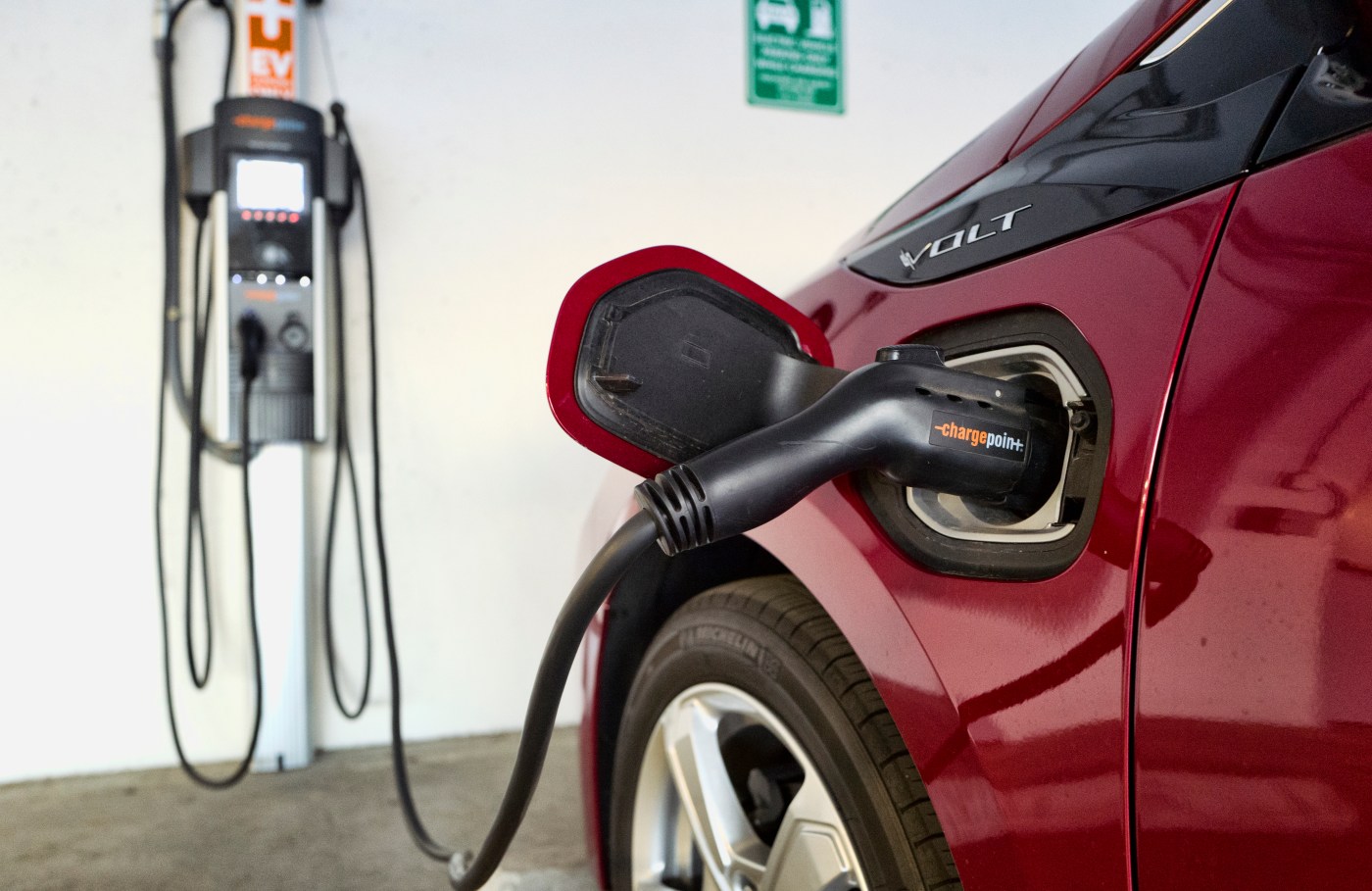
The St. Paul City Council will vote next Wednesday on new rules that would require new surface parking lots with more than 15 parking stalls to be developed with conduit capable of hosting future electrical vehicle charging stations.

The reasoning goes that while electric battery-powered vehicles are still a slim share of the auto vehicle market, they’re likely to boom with time, and retrofitting properties to make room for “EV chargers” can cost several times the price of installing the infrastructure upfront.

Following a public hearing last summer, the St. Paul Planning Commission recommended that the requirements roll out for all new surface lots of a certain size, regardless of whether they are commercial or residential lots. At the same time, they did not recommend requiring the installation of the chargers themselves.

“There is some concern that technology could change,” explained city planner Bill Dermody, during a recent presentation to the city council. “The folks who are developing or own properties do not want to have to put in technology today that will be out of date in a couple of years.”

Minneapolis, Bloomington and St. Louis Park all require the installation of actual chargers, though the number varies.

“What’s being proposed here is zero,” Dermody said. “In other places, 2% to 10% of spaces would have actual chargers.”

Projected to grow

Dermody presented proposed zoning code amendments to the city council on March 27. Across the United States, he said, 7.6% of auto sales were purely electric battery vehicles last year, up from less than 6% the year before. That’s projected to grow heavily, reaching over 50% by 2030 or shortly after.

“Change is in the works. … It’s market watchers who are saying this,” said Dermody, noting government policy and consumer preference are both supporting the growth of EV industry. “And with more electric vehicles, there’s more charging need. … Most of that charging today happens in single-family homes. Most St. Paul residents will be (in) multi-family (buildings).”

In fact, some 44% of the city’s housing units today are in multi-family buildings. The city’s 54,000 multi-family units are expected to grow to about 65,000 units by the year 2040.

“Almost all that we’re planning to add in the next couple of decades will be multi-family,” Dermody said.

Should commercial lots have lighter requirements?

The proposed rules EV charging rules would apply to lots with more than 15 parking stalls, provided the lot requires site plan review, such as a new, expanded or heavily redeveloped lot “taken all the way down to the dirt,” he said, where “putting some pipes in the ground is not that much more, or a prohibitive cost.” A restriped lot would not trigger the requirements.

Under the proposal, future parking lots would have to be “EV capable,” meaning 80% of the new stalls would have conduit in the ground and appropriate spacing between electric panels. One stall out of every 30 spaces would have to be “EV ready,” or installed with all the necessary wiring and infrastructure except the charger itself.

Some developers have questioned whether commercial lots — such as a coffee shop, which a patron might visit for no more than an hour or two — should be treated the same as residential lots. Still, charging stations at commercial lots would better accommodate potential owners who have been hesitant to purchase electric vehicles because they’re unsure where to charge their “EV”s while driving out and about.

In response, city staff have recommended reducing the requirement for commercial lots so that just 20% of the new stalls would be “EV capable,” a proposal that has won the backing of Minneapolis-based Sherman Associates, which sent a representative to testify at a public hearing Wednesday before the city council.

‘Zoning can only do so much’

Also testifying Wednesday was a Payne-Phalen resident, who noted that the city’s new network of EVIE Spot charging stations has been a ripe target for copper wire thieves.

The city’s Planning Commission held its own public hearing last July, and city staff have also presented details to the city’s Business Review Council and various property developers.

Dermody acknowledged that there is no market for EV cars in certain situations today, such as low-income senior housing, though that could evolve with time.

“We are not solving all the problems that have been identified,” he said. “Zoning can only do so much.”

Related Articles

Local News |


Joe Soucheray: Reckless car thieves, streetlamp wreckers … we’re tired of this

Local News |


St. Paul Council members call for changes to police practices after no charges in fatal shooting

Local News |


Dave Thune: We need to support our public-safety people every day

Local News |


Letters: Why would we think a zoning sledgehammer is the right tool for Minnesota?

Local News |


Joe Soucheray: ‘If you would shoot at a cop, you would shoot at anybody’

In day 3 of Apple River tubing murder trial, jurors see stabbing victims’ scars, hear from other witnesses

posted in: News | 0

A man stabbed during a tubing excursion on Wisconsin’s Apple River, who survived with the most serious injuries, showed jurors a long scar from below his belt line to above his ribs Wednesday.

Another person injured, who also was called to testify, cried as an attorney displayed a photo in court of her lying injured near the river.

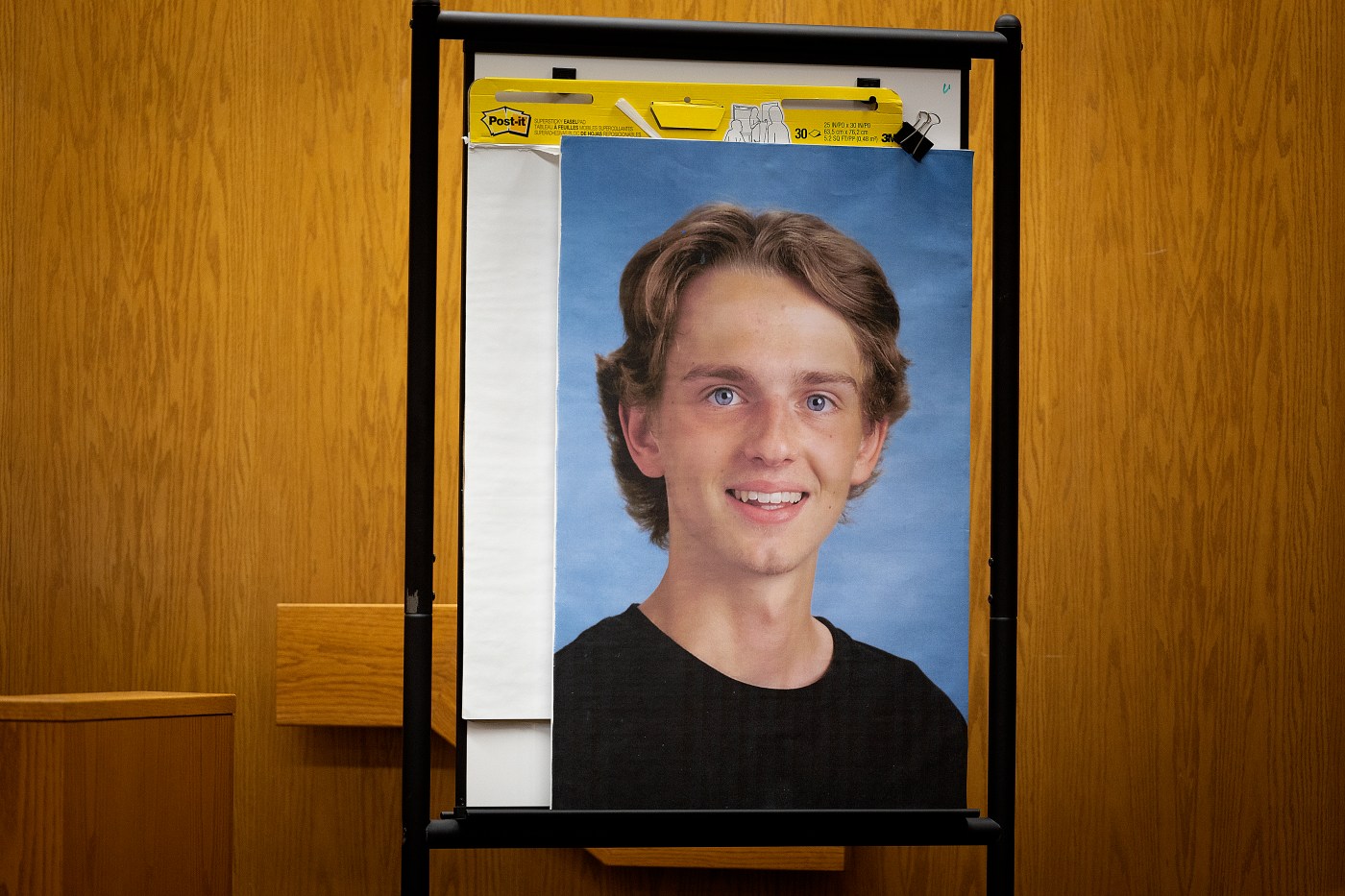
During the third day of the trial of Nicolae Miu, who is accused of murder in the stabbing of 17-year-old Isaac Schuman, jurors heard from people who’d been injured and other witnesses from various tubing groups, including Miu’s own group and his now-ex wife.

Just over two hours after setting off on the western Wisconsin river on July 30, 2022, Schuman was fatally stabbed during a chaotic confrontation that he and others had with Miu, a then 52-year-old mechanical engineer who is also charged with stabbing and injuring four others some 100 to 200 yards upstream from the Highway 35/64 bridge in Somerset.

Miu, of Prior Lake, claimed he acted in self-defense after being attacked by a large group of floaters who accused him of being a “pedophile” while he was looking for his friend’s lost cellphone and carrying a snorkel and goggles. Miu’s attorney, Aaron Nelson, told jurors on Monday that he was “outnumbered” and “feared for his life.”

The trial will continue Thursday, with prosecutors continuing to call people to the stand to testify. When they are done, it will be defense attorneys’ turn to the do same.

Related Articles

Crime & Public Safety |


St. Paul man sentenced for fatally stabbing acquaintance while watching TV

Crime & Public Safety |


St. Paul police investigating overnight homicide in Frogtown

Crime & Public Safety |


Willmar hospital employee stabbed by combative patient, police say

Crime & Public Safety |


Manslaughter charge: After reporting friend’s suicide, man tells police he accidentally shot him

Crime & Public Safety |


Stillwater teen’s mom, friend who recorded stabbing give emotional testimony in Nicolae Miu murder trial