Opinion: Why More Black Male Judges Matter in New York City

posted in: All news | 0

“A bench that mirrors the city’s diversity is not just more representative—it is better equipped to deliver justice that is fair, credible, and trusted.”

A view of the Queens County Criminal Courthouse located on Queens Boulevard on the morning of November 20, 2024.

New York City’s courts shape millions of lives, yet one gap remains stark: Black men are dramatically underrepresented on the bench. Despite the city’s growing diversity, political and judicial leadership has not kept pace, leaving too few Black male judges in positions of influence.

Demographics have long shaped city politics. In the 1970s and 1980s, rising engagement by Black and Hispanic voters reshaped the landscape. By the 1990s, minority candidates—many women—gained ground in the City Council, State Legislature, Congress, and county leadership in the Bronx, Brooklyn, and Manhattan.

The judiciary followed a similar path.  Early waves of elected minority judges often included Black men who had practiced law in their own communities and were well known to local voters and elected officials. As the legal profession diversified, women—long the backbone of minority voting communities—advanced steadily. More Black women began winning Civil Court judgeships with strong support from Democratic county leadership. This was, and remains, a positive and important development for communities of color.

Yet this progress has produced an unintended consequence. As more women excelled in the pipeline, identifying and elevating qualified Black men to the bench has become increasingly difficult. New York State’s Office of Court Administration publishes an annual self-reported judicial demographics report reflecting participation by roughly 76 percent of eligible jurists. In the city’s elected Civil Court, about 22 percent of judges are Black; in Supreme Court, just 19 percent. Appointed courts show similar disparities: roughly 15 percent of criminal court judges and 23 percent of Family Court judges are Black. Including men and women, Black male judges are an even smaller share, reflecting a narrowing pipeline despite qualified candidates.

Nowhere is this imbalance more consequential than in criminal court. NYPD arrest data and New York City Criminal Justice Agency reports show roughly 49 percent of arrests are Black, with Black men making up the overwhelming majority. Black men thus constitute a substantial—often the plurality—of defendants, even as their chances of appearing before a Black male judge remain exceedingly low.

Representation matters not because judges should decide cases based on identity, but because courts depend on legitimacy and public trust. For many Black male defendants, the system has long felt distant or unresponsive. Seeing Black men on the bench strengthens confidence that courts understand defendants as individuals and can administer justice with rigor and humanity.  That trust reinforces respect for court outcomes and compliance with judicial decisions.

Judges must follow the law, but within it, judicial discretion matters—especially in criminal court, where decisions on bail, sentencing, and alternatives to confinement can shape a person’s life. Black male judges, informed by both professional training and lived experience, may be especially attuned to when a defendant is a strong candid][ate for rehabilitation rather than jail.  This is not a call for favoritism, but for the thoughtful use of discretion to promote public safety while reducing unnecessary incarceration.

Remarkably, more Black judges—of any gender—build trust not only between Black defendants and the courts but also influence white judges. Their relationships with Black colleagues deepen understanding of Black defendants’ circumstances and encourage more thoughtful discretion.  That influence, in turn, can strengthen Black defendants’ trust—not just in the Black judges they encounter, but in their white colleagues and the court system as a whole.

2023 study in the American Political Science Review found that as Black judges serve in greater numbers, white judges are less likely to impose custodial sentences on Black defendants, narrowing racial disparities by up to 7 percentage points. A 2022 Journal of Criminal Justice study found similar patterns, with lower confinement rates in jurisdictions with more Black judicial representation. In short, greater diversity on the bench reshapes judicial discretion and reduces reliance on incarceration.

The path forward is clear. To build a more representative bench, promising Black male candidates—whether from district attorney offices, public defender organizations, the courts, or community-based legal institutions—must be identified, mentored, and supported through transparent election and appointment processes. 

That work should begin early, with law schools re-emphasizing criminal law, practice and procedure, and expanding access to public-sector training increasingly constrained by economic pressures—cultivating a pipeline that strengthens judicial decision-making and better reflects the communities it serves. Local Democratic and Republican Party organizations, bar associations, judicial nonprofits, justice centers, and judicial screening committees also play a critical role in providing these candidates the guidance, resources, and opportunities they need to succeed.

New York City has proven its institutions can evolve to reflect the people they serve. By intentionally cultivating the next generation of Black male judges, the city can build on decades of progress, restore confidence in the courts, and strengthen justice. A bench that mirrors the city’s diversity is not just more representative—it is better equipped to deliver justice that is fair, credible, and trusted.

Arthur Greig, Esq. is a Manhattan-based election lawyer and former counsel to the New York County Democratic Party. Michael Oliva is a public relations consultant who has specialized in New York City judicial elections.

The post Opinion: Why More Black Male Judges Matter in New York City appeared first on City Limits.

Chicago man cleared in Border Patrol bounty trial now faces immigration proceedings

posted in: All news | 0

By SOPHIA TAREEN, Associated Press

CHICAGO (AP) — A Chicago carpenter cleared of accusations that he put a $10,000 bounty on the life of a Border Patrol commander has been taken into immigration custody and faces deportation, attorneys confirmed Tuesday.

Juan Espinoza Martinez, 37, was acquitted of one count of murder-for-hire last week. Within 24 hours, he was picked up by federal immigration agents, said defense attorneys Jonathan Bedi and Dena Singer.

Born in Mexico, Espinoza Martinez was brought from Mexico to the U.S. as a young child, according to a videotaped interview played during the short trial. His immigration status was not part of the first criminal trial stemming from the Chicago immigration crackdown.

Defense attorneys said the federal government, which referred to Espinoza Martinez as a “criminal illegal alien,” engaged in “character assassination.” Prosecutors accused Espinoza Martinez of being a “ranking” member of the Latin Kings, but the claim quickly unraveled when they didn’t present evidence and a judge barred mentions of the street gang at trial.

“This verdict is a reminder that juries see through political prosecutions. They demand real evidence, not speculation and character assassination,” Bedi and Singer said in a joint statement. “The government didn’t have it. They never did.”

Related Articles


Shooting involving Border Patrol leaves 1 in critical condition near US-Mexico border


UPS looks to cut up to 30,000 jobs this year


TikTok settles as social media giants face landmark trial over youth addiction claims


Fed expected to keep rates unchanged as Chair Powell pivots back to economics


More arctic air is expected for Southern states hit by ice and riddled with power outages

Espinoza Martinez, a married father of three, was arrested in October.

His wife, Bianca Hernandez, told the Chicago Tribune that her husband was a recipient of Deferred Action for Childhood Arrivals, the Obama-era program that’s shielded hundreds of thousands of people from deportation if they meet certain criteria, including no criminal history. However, Espinoza Martinez was not able to reapply in 2020 due to financial hardship, according to family.

“We were very, very happy because we knew that he didn’t do anything,” Hernandez told the Tribune. “But at the same time, it is a very bittersweet victory because he doesn’t actually get to come home.”

She did not return messages left this week by The Associated Press.

Espinoza Martinez was charged in October as the city of 2.7 million and surrounding suburbs were seeing a surge of federal immigration agents. Protests and standoffs with immigration officers were common, particularly in the city’s heavily Mexican Little Village neighborhood where Espinoza Martinez lived.

He was accused of sending Snapchat messages to his brother and a friend who turned out to be a longtime government informant. One read in part “10k if u take him down,” along with a picture of Gregory Bovino, a Border Patrol official who has led aggressive crackdowns nationwide, including in the Chicago area.

After the verdict, the Department of Homeland Security dismissed the decision by the jury, which deliberated less than four hours.

“This verdict does not change the facts: Espinoza targeted federal law enforcement with violence via Snapchat,” DHS Assistant Secretary Tricia McLaughlin said in a statement. She referred reports to the Department of Justice, which did not immediately respond to a message Tuesday.

The case has fueled skepticism about the Trump administration’s narratives surrounding the immigration enforcement surges. Of the roughly 30 criminal cases stemming from Operation Midway Blitz in the Chicago area, roughly half have been dismissed or dropped.

St. Paul, Roseville, West St. Paul among clean-up grant recipients

posted in: All news | 0

The Minnesota Department of Employment and Economic Development issued $6 million in environmental assessment and clean-up grants to 13 communities across the state, including Minneapolis, Roseville, St. Paul and West St. Paul.

The goal is to ready sites for redevelopment and support $486 million in planned private investment, which would increase tax base by nearly $5.5 million. The grants are expected to help clean up 75 acres of polluted lands and create 1,500 housing units, in addition to new school spaces and commercial areas.

Contamination clean-up grants pay for up to 75% of the costs of assessment and clean-up at polluted sites slated for public or private redevelopment, and can be applied for by cities, port authorities, housing and redevelopment authorities, economic development authorities or counties.

Among the larger grants, the Roseville Economic Development Authority will receive $2 million in clean-up funding toward a 152,000 square-foot light industrial building at its sprawling Twin Lakes Technology Center. The 12.5-acre site, which is contaminated with petroleum and other chemicals, was previously used as a trucking terminal and maintenance shop.

DEED awarded the city of St. Paul $211,000 in clean-up funding at a .22-acre site at 1170 Arcade St. that had been used as a gasoline filling station. The site will be redeveloped by Face 2 Face into 24 units of affordable housing for homeless youth, with support services on the lower level.

The city of West St. Paul is receiving $137,000 in clean-up funding at the Thompson Oaks redevelopment site, an 11-acre site contaminated with volatile organic compounds and other chemicals. The site, previously used as a distribution center, a fitness center and for other commercial reasons, will be redeveloped into a five-story, 272-unit market-rate apartment building, as well as 19 townhomes. An existing 7,000-square-foot commercial building will be renovated.

The city of Minneapolis has received $192,000 in clean-up funding at the future site of a 16,800 square foot theater addition to the

Related Articles


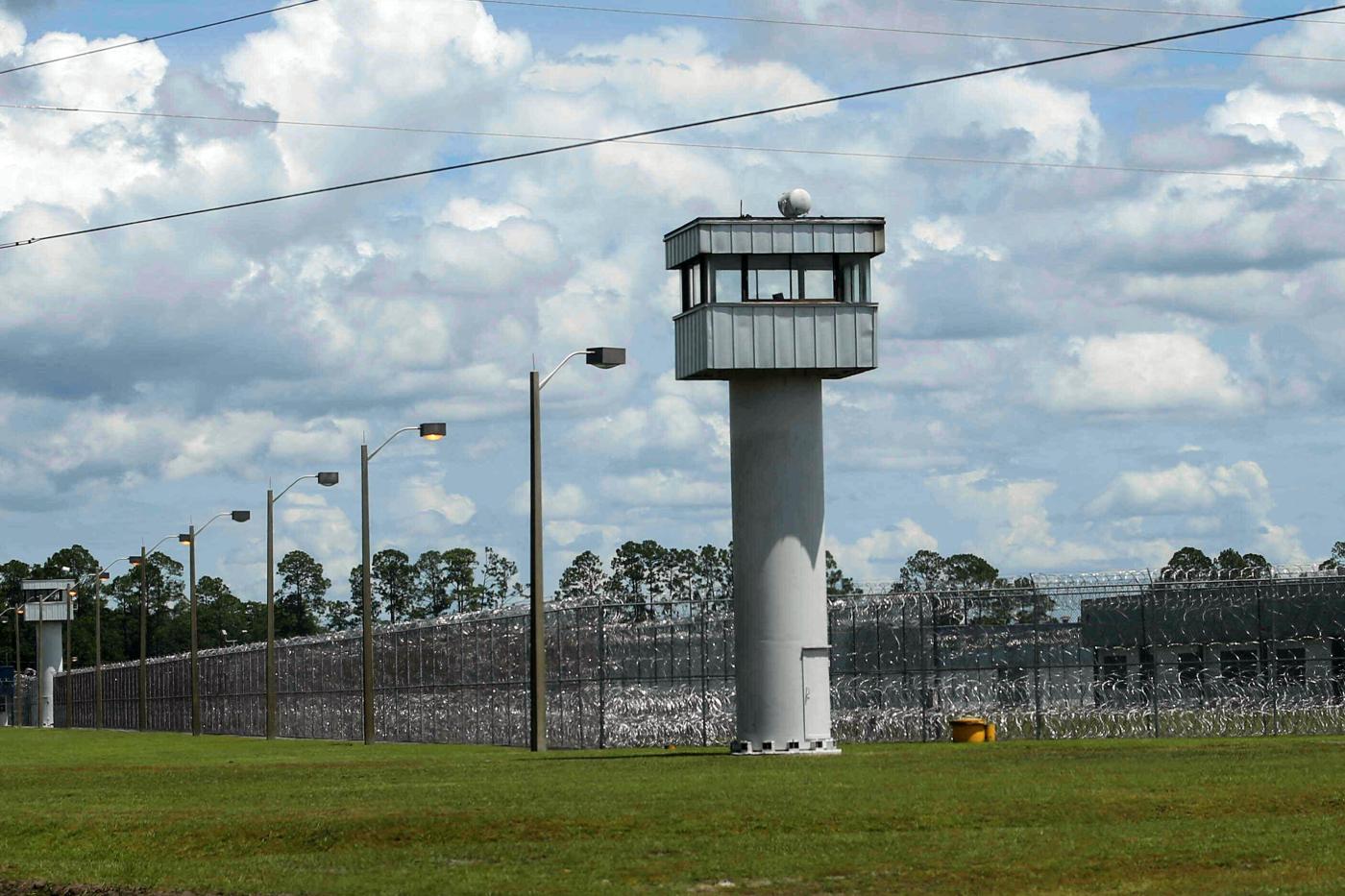
MN prisons say many fed ‘arrests’ are routine transfers to ICE


Who are the 3 charged in St. Paul church protest? St. Paul school board member, civil rights attorney, social media personality


Thomas Friedman: Minneapolis and Gaza now share some of the same violent language


James Seifert: It’s time for the federal courts to do their duty


How is Operation Metro Surge impacting pets? Here’s what rescues tell us

Lundstrum Performing Arts school off Washington Avenue in North Minneapolis. The 1.3-acre site, which is contaminated with petroleum and other chemicals, was previously used as a scrap metal recycling facility, an auto salvage business and a coal yard before a commercial building was added about 20 years ago.

Additional grants were awarded in Albert Lea, Austin, Duluth, Ely, Hermantown, Litchfield, Melrose, Rogers and St. Louis Park.

US says it’s taking first steps to possibly reopen embassy in Venezuela after Maduro’s ouster

posted in: All news | 0

By MATTHEW LEE, Associated Press

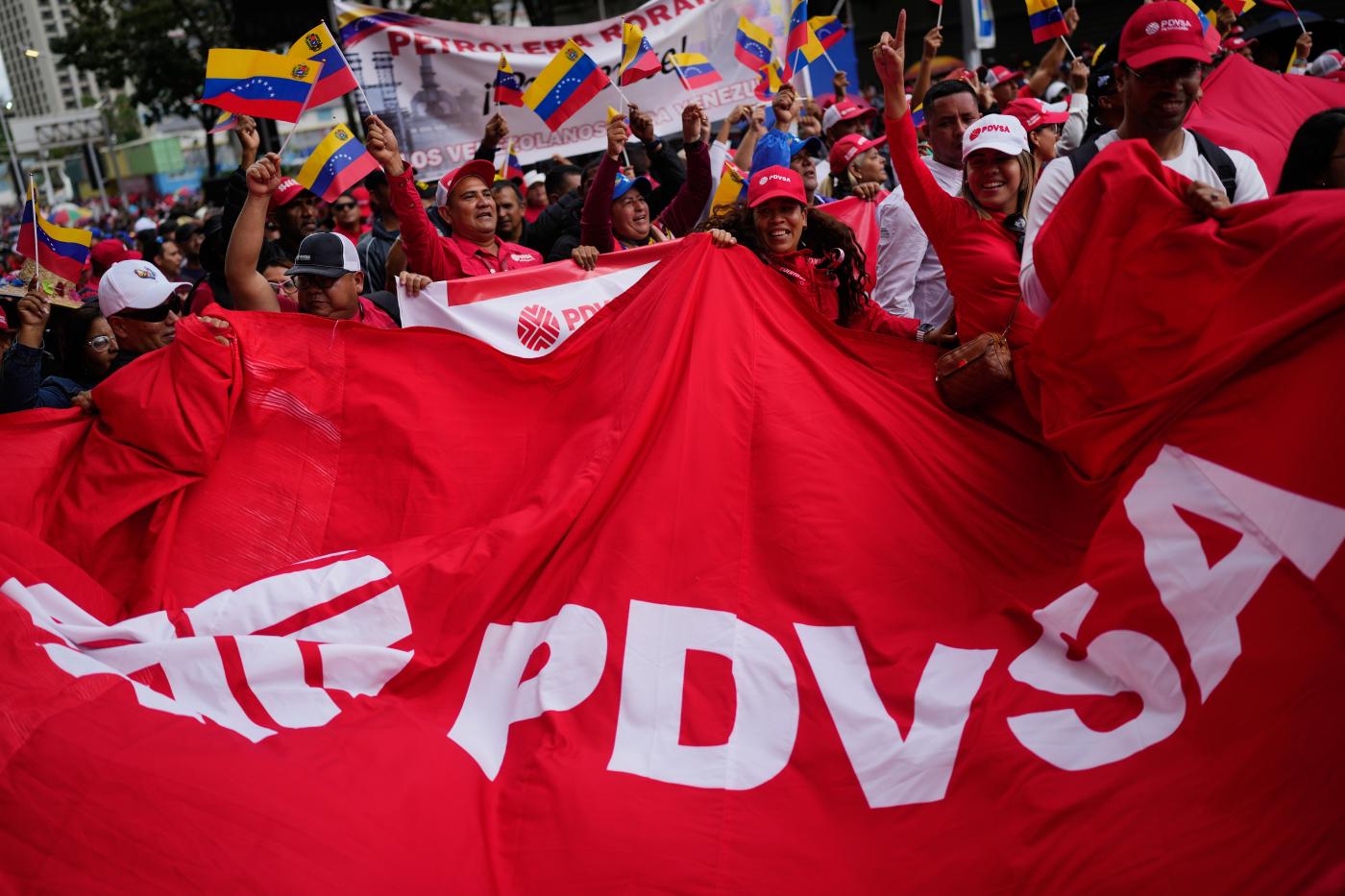
WASHINGTON (AP) — The Trump administration has notified Congress that it is taking the first steps to possibly reopen the shuttered U.S. Embassy in Venezuela as it explores restoring relations with the South American country following the U.S. military raid that ousted then-President Nicolás Maduro.

Related Articles


Carney rolls his eyes at US Treasury secretary, telling Trump he meant what he said at Davos


Families of 2 men killed in boat strike sue Trump administration over attack they call ‘unlawful’


What to know about Gregory Bovino, the commander of Trump’s immigration crackdown


Top US trading partners pledged to invest $5 trillion in America. These researchers have doubts.


Trump’s use of AI images pushes new boundaries, further eroding public trust, experts say

In a notice to lawmakers dated Monday and obtained by The Associated Press on Tuesday, the State Department said it was sending in a regular contingent of temporary staffers to conduct “select” diplomatic functions.

It said the staffers would live and work in a temporary facility while the existing embassy compound is brought up to standard. It was shuttered in March, 2019.

“We are writing to notify the committee of the Department of State’s intent to implement a phased approach to potentially resume Embassy Caracas operations,” the department said in separate but identical letters to 10 House and Senate committees.

This is a developing story; check back for updates.