Si bien las cifras específicas para Nueva York bajo la nueva administración federal aún no están disponibles, los informes de los medios de comunicación y los comunicados de prensa del Servicio de Inmigración y Control de Aduanas de Estados Unidos (ICE, por sus siglas en inglés) sugieren que ha habido más de 340 arrestos de inmigrantes entre enero y mediados de abril en todo el estado.
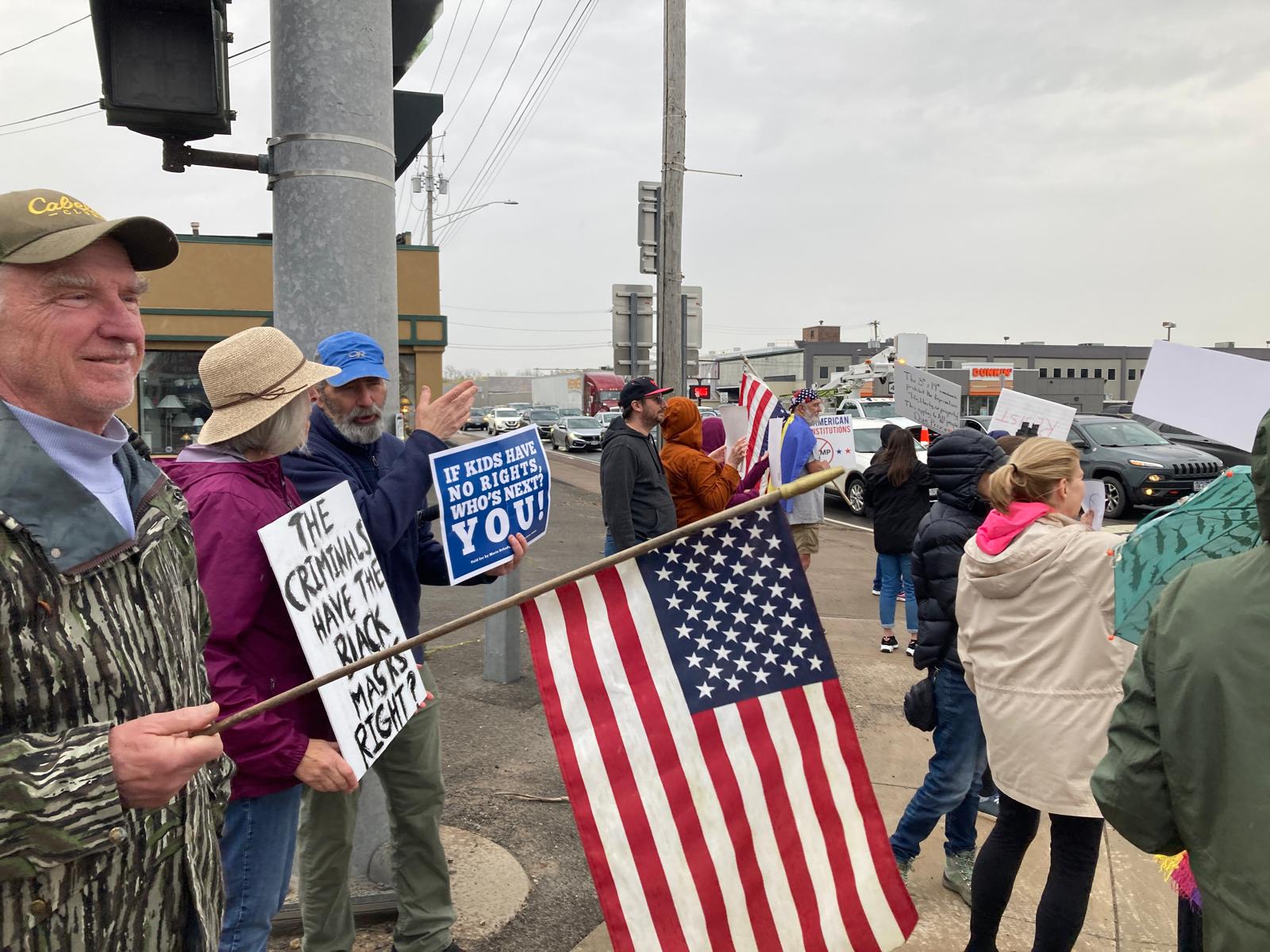
Manifestación de residentes contra la actividad local de ICE en Fulton, Nueva York, el 25 de abril de 2025.. (Erin Fiorini/Syracuse Immigrant and Refugee Defense Network)
Este artículo se publicó originalmente en inglés el 5 de mayo. Traducido por Daniel Parra. Read the English version here.
Era la tarde del 21 de enero y el presidente Donald Trump acababa de tomar posesión unas horas antes.
Ese día el esposo de María recogió a sus cuatro hijos del colegio y, de camino a casa, otro vehículo chocó contra ellos. María había estado trabajando en el turno de la noche limpiando oficinas desde las 7 p.m. hasta las 6 a.m. en Fulton, en la región norte del condado de Oswego, Nueva York. Pero las llamadas a su teléfono móvil la despertaron.
“Mami, llegó inmigración y se lo llevaron”, recuerda que le dijo su hija de 15 años, que en ese momento iba en el asiento delantero del vehículo familiar. Después del choque, María dijo que su esposo llamó a la policía e inmigración también llegó, de acuerdo con su hija.
Cuando María, quien pidió ser identificada con un pseudónimo por miedo a poner en peligro su proceso de inmigración, llegó al lugar del accidente, su esposo ya estaba esposado.
Él es uno de los cientos de inmigrantes indocumentados que se estima han sido arrestados en Nueva York en lo que va de año, como parte de la promesa de la administración Trump de llevar a cabo deportaciones masivas. En todo el país, el número de arrestos de inmigrantes en febrero ha sido el más alto de todos los meses en los últimos siete años, informó The Guardian.
Si bien las cifras específicas para Nueva York bajo la nueva administración federal aún no están disponibles, los informes de los medios de comunicación y los comunicados de prensa del Servicio de Inmigración y Control de Aduanas de Estados Unidos (ICE, por sus siglas en inglés) sugieren que ha habido más de 340 arrestos de inmigrantes entre enero y mediados de abril en todo el estado.
“Como parte de sus operaciones rutinarias, ICE detiene a los extranjeros que cometen delitos y otras personas que han violado las leyes de inmigración de nuestra nación”, dijo un portavoz de ICE a través de correo electrónico, y agregó que la oficina regional de ICE en el norte del estado de Buffalo “está investigando activamente los delitos de inmigración en ciudades de todo el norte, oeste y centro del estado de Nueva York.”
María dijo que su esposo no tiene antecedentes penales.
En un comunicado de prensa sobre los primeros 100 días de la nueva administración, el Departamento de Seguridad Nacional (DHS por sus siglas en inglés) afirmó que el 75 por ciento de las 158.000 detenciones de ICE en todo el país desde que Trump asumió el cargo eran inmigrantes con condenas pasadas o cargos pendientes. Pero los informes de los medios de comunicación han documentado un número creciente de personas sin antecedentes que son atrapadas por ICE.
Bajo la sombra de la estatua de la libertad, Nueva York ha sido percibida durante mucho tiempo como una ciudad que acoge a inmigrantes. Pero las iniciativas de la administración Trump se están sintiendo incluso en la ciudad de Nueva York, donde se han realizado cientos de arrestos de ICE a pesar de las leyes santuario que restringen la cooperación del gobierno local con las autoridades de inmigración.
El alcalde Eric Adams también ha desafiado una de las leyes santuario que expulsó a ICE de Rikers Island hace más de una década.
Aunque el alcalde afirma que la medida tiene por objeto mantener a “las personas peligrosas fuera de nuestras calles”, los legisladores de la ciudad criticaron el cambio, diciendo que haría que los inmigrantes neoyorquinos se mostrarán aún más reacios a cooperar con la policía o a denunciar delitos.
Tras la demanda interpuesta por el Concejo de la ciudad contra el gobierno de Adams, el 21 de abril la jueza neoyorquina Mary Rosado bloqueó la orden ejecutiva del alcalde por la que se permitía la entrada de agentes de ICE a Rikers Island, decisión que la jueza reiteró el 25 de abril, prorrogando la orden de restricción temporal.
Concejales y defensores de los derechos humanos llevaron a cabo una manifestación frente a la alcaldía el 10 de abril para protestar contra el plan del alcalde Adams de permitir que ICE opere en Rikers Island. (Gerardo Romo / NYC Council Media Unit)
Durante una entrevista en el programa de Fox News “My View With Lara Trump”, el alcalde Eric Adams —quien recientemente vió cómo se le retiraron los cargos de corrupción contra él por el Departamento de Justicia de Trump— se refirió a las leyes de ciudad santuario como un “concepto”.
“Mucha gente no se da cuenta de que no hay una ley de ciudad santuario. No es una ley. Es un concepto”, dijo el alcalde en una entrevista el 19 de abril.
Más allá de los límites de la ciudad, el estado de Nueva York tiene un mosaico de leyes santuario, que existen principalmente en ciudades como Ithaca y la capital en Albany.
En 2020, durante el primer mandato del presidente Trump, los defensores de los inmigrantes de Nueva York y los legisladores estatales presentaron el New York for All Act, un proyecto de ley que prohibiría el uso de recursos estatales y locales en la ejecución de la aplicación de la ley de inmigración.
Una legislación similar fue aprobada en estados vecinos como Nueva Jersey y Connecticut. Pero tras años de presión, este proyecto aún no es aprobado.
Los defensores que hablaron con City Limits dijeron que la transformación en la aplicación de la ley de inmigración en Nueva York es evidente. Después de los arrestos, las personas son colocadas en un centro de detención, lo que significa que ha habido un aumento no sólo de arrestos, sino también de detenidos.
Durante unas semanas, el esposo de María estuvo detenido en el centro de detención del ICE en Batavia, Nueva York, antes de ser trasladado a un centro de detención en Luisiana. Fue deportado a El Salvador el 14 de marzo, un día antes de que salieran los tres primeros vuelos de inmigrantes amparados bajo la ley Alien Enemies Act.
“Todos los extranjeros que infrinjan la ley de inmigración estadounidense pueden ser objeto de arresto, detención y, si se determina que pueden ser expulsados por orden definitiva, expulsión de los Estados Unidos, independientemente de su nacionalidad”, dijo un portavoz de ICE.
Tras la detención de su esposo, María perdió su trabajo de limpieza porque tenía que cuidar de sus hijas por la noche. Acaba de encontrar un nuevo trabajo, pero dice que han sido tiempos difíciles para todos.
“No era un hombre delincuente: iba de la iglesia al trabajo”, dijo María a City Limits. “Era un buen padre. Eso es lo que más me dolía”.
Un efecto escalofriante, pero también solidaridad
Los defensores de inmigrantes del norte del estado afirman que cada día reciben más informes sobre detenciones de inmigrantes.
“Hemos visto actividad en granjas, madereras, restaurantes, distribuidores de alimentos, iglesias, plantas de empaquetado, obras de construcción”, dijo Jessica Maxwell, directora del Workers’ Center of Central New York. “La mayoría parece tener como objetivo a los trabajadores y tratar de atraparlos mientras transitan, cuando son más vulnerables”.
Los avistamientos de agentes de la Patrulla Fronteriza, ICE o el Departamento de Seguridad Nacional, combinados con los informes de los medios de comunicación y las historias que circulan en los canales de la comunidad inmigrante, han creado un “efecto escalofriante” en todas estas comunidades.
Los activistas describieron que la gente ha dejado de ir de compras al mercado, a la iglesia o a eventos sociales por miedo, tal y como ocurrió durante la pandemia.
El 25 de abril, un grupo de residentes protestó en Fulton “contra ICE y a favor del debido proceso”, dijo Erin Fiorini, defensora voluntaria de la Red de Defensa de Inmigrantes y Refugiados de Syracuse.
“Hay granjas de las que ya no sale nadie”, dijo Maxwell. “¿Cuánto tiempo es esto sostenible para la gente?”.
“Para gran parte de nuestra comunidad, sobre todo en North Country, es como una pandemia. No salen a cenar. Se han cancelado las ligas de fútbol”, añadió. “La gente ya no sale a eventos sociales. Ni siquiera a la iglesia”.
En medio de este miedo, voluntarios, residentes y organizaciones como el grupo de base Alianza Agrícola, dirigido por trabajadores agrícolas, han creado redes para encargar y entregar alimentos a quienes tienen demasiado miedo a salir de sus casas o sus lugares de trabajo.
Las medidas no se detienen ahí.
“Uno de ellos [un trabajador agrícola] me dijo ayer que todo el mundo está empacando cajas y enviándolas de vuelta a Guatemala porque la gente siente que es como una bomba de tiempo”, dijo Maxwell. “Es cuestión de tiempo y no quieren perderlo todo. No quieren perder todas sus cosas”.
Para ponerse en contacto con el reportero de esta noticia, escriba a Daniel@citylimits.org. Para ponerse en contacto con la editora, escriba a Jeanmarie@citylimits.org.
The post En primeros 100 días de Trump, arrestos a inmigrantes provocan temor en toda Nueva York, pero también forjan lazos comunitarios appeared first on City Limits.