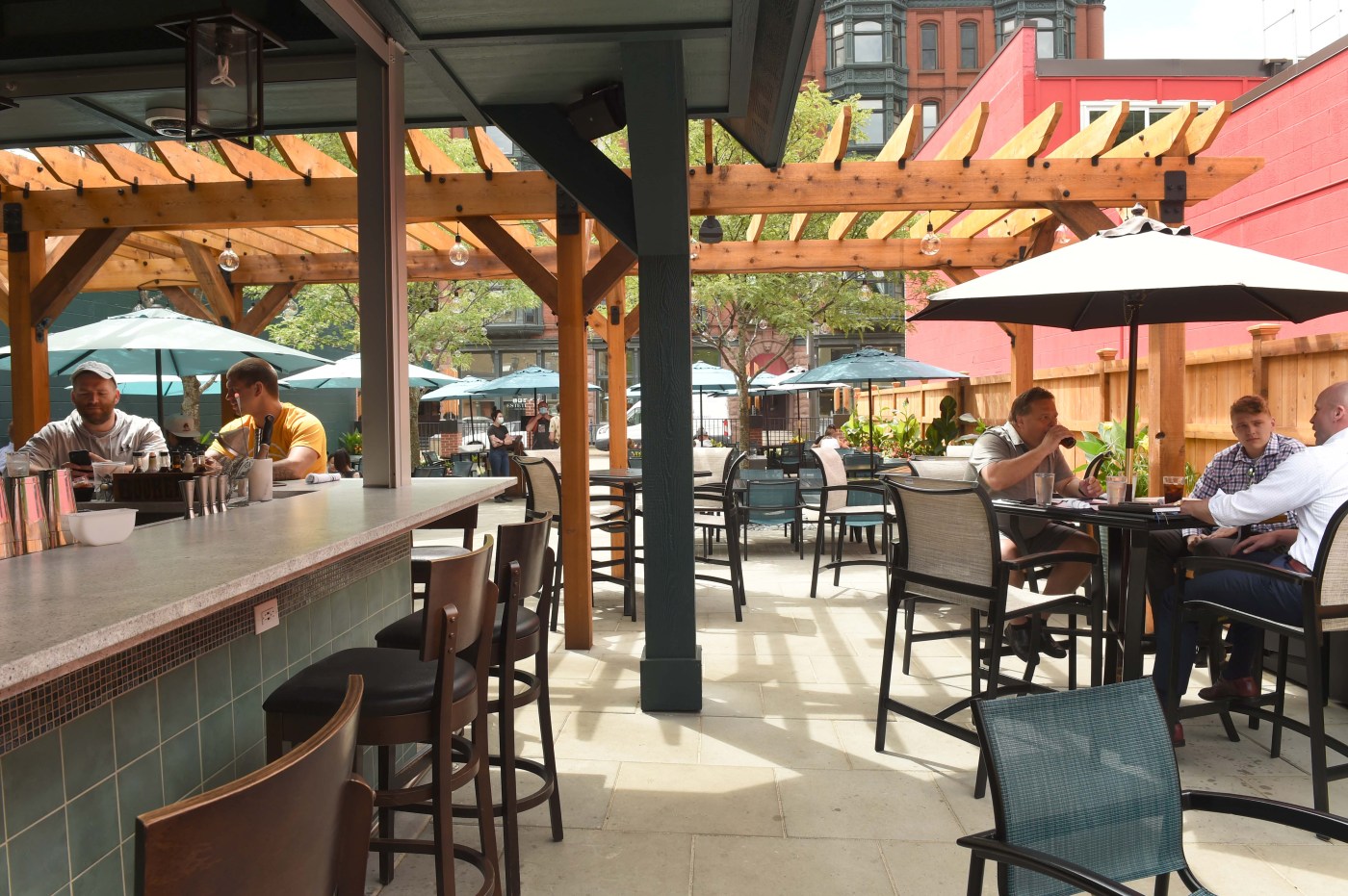
Reliable and surprising neighborhood treasures you should check out. See the rest of the Pioneer Press 2025 patio guide here.
* An asterisk denotes an updated patio.
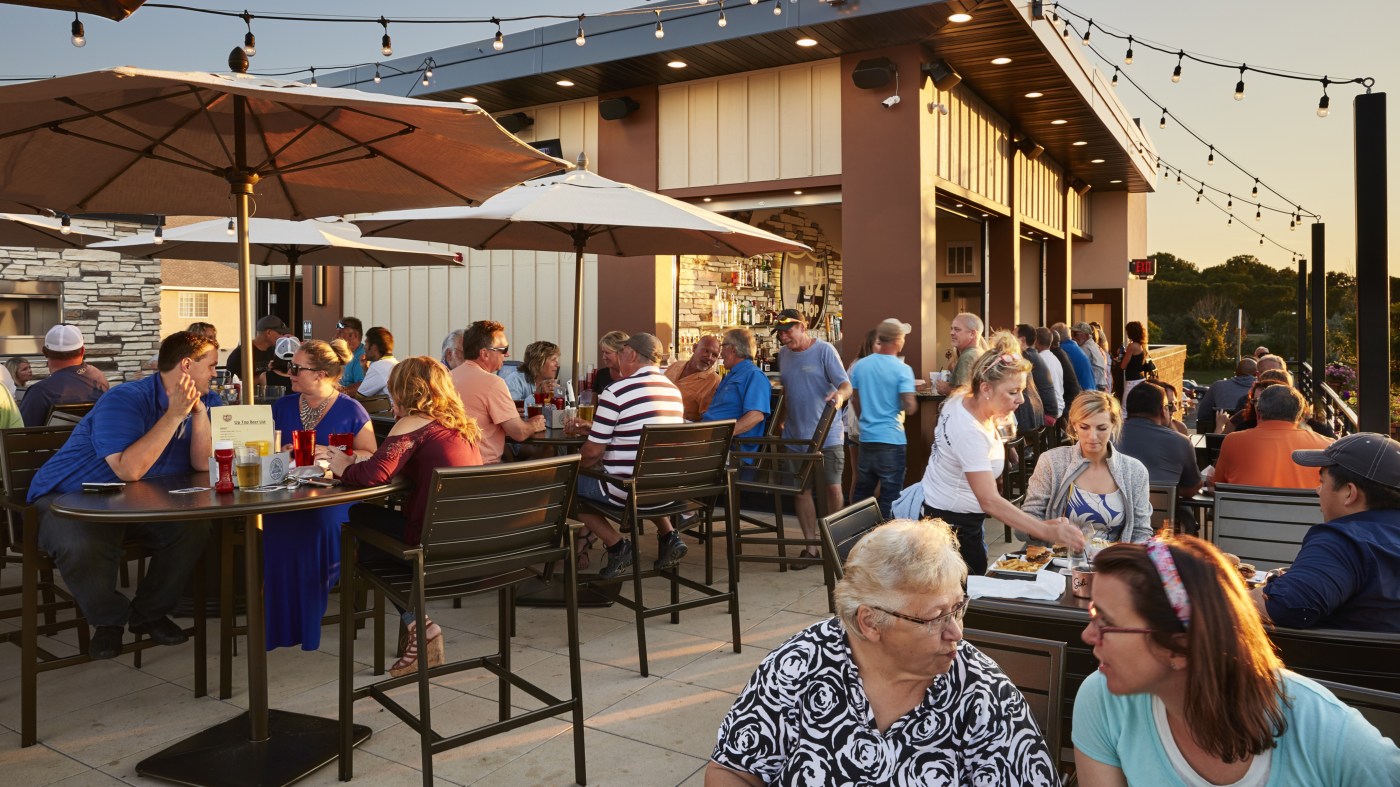
Rooftop patio at B-52 Burgers and Brew in Inver Grove Heights. (Courtesy Progressive Architecture)
B-52 BURGERS AND BREW, 5639 Bishop Ave., Inver Grove Heights; 651-451-3838; b52burgersandbrew.com: B-52’s rooftop patio has several seating options, such as a long marble-top bar and a lounge area. Fireplaces and television screens add to the vibe.
BARBETTE, 1600 W. Lake St., Minneapolis; 612-827-5710; barbette.com: Nabbing a seat on this bustling 46-seat Uptown patio and having a glass of rosé and pommes frites — in our opinion, some of the best around town — is a favorite pastime.
BOCA CHICA, 11 Cesar Chavez St.; St. Paul; 651-222-8499; bocachicarestaurant.com: One of St. Paul’s staples for authentic Mexican fare boasts a cute stone terrace with a few umbrella-laden tables looking out onto Cesar Chavez Street.
BOLE ETHIOPIAN, 1341 Pascal St., St. Paul; 651-330-2492; boleethiopiancuisine.com: This long-standing, multi-level, landscaped and fenced patio in the Como neighborhood now has a new and delicious tenant. Eat your platter of African food amidst the flowers, plants and trees at this pretty spot.
BRIT’S PUB, 1110 Nicollet Mall, Minneapolis, 612-332-3908; britspub.com: Multi-tiered expansive rooftop patio accommodates large groups that come to lawn bowl and eat fish and chips. Others can pull up to the sidewalk cafe in front and catch the Nicollet Mall street action.
Brunson’s Pub in St. Paul. (Courtesy Brunson’s)
BRUNSON’S PUB, 956 Payne Ave., St. Paul; 651-447-2483; brunsonspub.com: The dozen or so tables with blue umbrellas on the two-tiered, landscaped deck fill fast. Probably because it’s a great place to soak in some sun. The reliable sandwiches, burgers and salads with Southern flair and craft cocktails with down-to-earth prices don’t hurt either.
THE BUNGALOW CLUB, 4300 E. Lake St., Minneapolis; 612-866-3334; thebungalowclubmpls.com: We’re not sure what took us so long to check out this charming spot, which has been open since 2018 in the former Craftsman spot, but we’ll definitely be frequenting Bungalow club for chef Andrew Kraft’s tasty prix fixe menus, delicious craft cocktails and the pretty patio, which has plenty of shade from an expansive pergola with a rooftop.
BURGER MOE’S, 242 W. Seventh St., St. Paul, 651-222-3100; burgermoes.com: Thanks to the canopies and flower beds, this playful, casual spot is bursting with colorful decor. The vibe is casual and, as the name implies, burgers take center stage on the menu.
Customers eat and relax on the enclosed patio at Churchill St. in Shoreview on Thursday, May 12, 2022. (John Autey / Pioneer Press)
CHURCHILL STREET, 4606 Churchill St., Shoreview; 612-466-2596; churchillst.com: Pretty, covered space ringed with planters and equipped with permanent heaters to beat the chill is a great spot to lunch with friends. Counter-service model for lunch ensures efficient service, and their salads, sandwiches and breakfast foods are top-notch. In the evening, enjoy elevated comfort foods like chicken, salmon and steak as well as craft cocktails in a full-service environment.
THE COPPERFIELD, 735 Maple St., Mendota Heights; 651-340-5144; thecopperfieldmn.com: Much-needed neighborhood patio in Mendota Heights serves breakfast, lunch and dinner. There are huge heaters if the weather is chilly, and pretty planters and strings of Edison lights set the mood. Dog-friendly; full bar.
COZZIE’S TAVERN AND GRILL, 11154 60th St. N.; Stillwater; 651-342-0447; cozziestavern.com: Spacious roadside spot off Minnesota 36 sports a multifaceted backyard oasis. There’s a stone patio (designated nonsmoking), a wood deck, lawn area with bean-bag toss and even a small spot for volleyball during the warm-weather months and boot hockey during the chilly season. The mini-Coney dogs from the casual menu are not to be missed.
CRASQUI, 84 Wabasha St., Suite No. 3, St. Paul; 952-600-5578; crasquirestaurant.com: Urban terrace with bright blue umbrellas for a tropical vibe. The arepas and seafood here are spectacular, and they serve what is probably our favorite pork chop in town. Bonus: the craft cocktails here, with a special emphasis on rum, are phenomenal and the wine list is excellent.
DAY BY DAY CAFE, 477 W. Seventh St., St. Paul, 651-227-0654; daybyday.com: Breakfast and lunch spot offers a fenced-in, multi-tiered patio that makes for a serene retreat in the middle of the city. Landscaping touches such as potted flowers, fish pond and waterfall add to its restfulness.
DIVE BAR AT COASTAL SEAFOODS, 286 Snelling Ave. S., St. Paul; 651-698-4888; coastalseafoods.com: The new Coastal Seafoods location, just down the street from the old one, has an adorable diner counter with indoor seating and a patio to the side of the building. The menu is full of casual seafood favorites such as lobster rolls, fish and chips, fish sandwiches, calamari, and fresh oysters. There will eventually be canned beer, wine and cocktails, but the city of St. Paul is behind on licensing new establishments, so if you’re counting on alcohol, I’d call first.
DOCK & PADDLE, 1360 Lexington Parkway N., St. Paul; dockandpaddle.com: Park pavilion restaurant has a menu of salads, sandwiches, tacos and burgers. It’s a prime spot for eating outside, thanks to a spacious pavilion and bench and lawn areas overlooking Lake Como.
EAT STREET CROSSING, 2819 Nicollet Ave, Minneapolis; 612-345-4136; eatstreetcrossing.com: The patio at the new Minneapolis food hall is spacious yet cozy, with plenty of tables, a firepit and a walk-up bar. Pick from sushi, burgers, Brazilian pizza, ice cream, or pan-Asian fare at the new Staff Meeting restaurant — a new concept from chef Louross Edralin that replaces a ramen shop. Cocktails from the central bar are well-made, too.
EL BURRITO MERCADO, 175 Concord St., St. Paul; 651-227-2192; elburritomercado.com: This beloved Mexican grocery, deli and restaurant offers a sprawling, festive patio that even comes with weekend entertainment.
Ropa vieja at El Cubano in West St. Paul. (Jess Fleming / Pioneer Press)
* EL CUBANO, 870 Dodd Road, West St. Paul; 651-227-1510; elcubanorestaurante.com: It’s not a new restaurant or a new patio, but this little neighborhood spot has been steadily making improvements to what used to be a small parking lot in front of the building. There are now several palapa-covered picnic tables, more than a handful of colorful wrought-iron tables and some tropical greenery, and new for the 2025 season, more palapa-covered tables around back! They have beer and wine, now, too. It’s a great neighborhood spot to meet friends for a casual, counter-service dinner.
EM QUE VIET, 1332 Grand Ave., St. Paul; 651-330-4363; emqueviet.com: This adorable Vietnamese restaurant, run by the family that sells the delicious giant egg rolls on a stick at the State Fair, features a hidden oasis with a wood-paneled plant wall and cute furnishings. We are big fans of the banh xeo savory crepe and the bun rice noodle salad topped with one of those egg rolls. There are craft cocktails, too!
The patio at Estelle includes a colorful mural and overhead heaters to extend the season. (Jess Fleming / Pioneer Press)
* ESTELLE, 1806 St. Clair Ave., St. Paul; 651-330-9648; estellestp.com: This hot Mac Grove restaurant serves excellent cocktails and Italian-, Spanish- and Portuguese-inspired dishes, but did you know they have a cute patio, too? In addition to sidewalk seating in front of the eatery, there’s also a wood deck in the back. It’s decked out with wrought-iron furniture, vertical planters filled with herbs on the walls and string lights for just the right ambiance. New this year: Overhead heaters to extend the patio season.
FRENCH MEADOW BAKERY & CAFE, 1662 Grand Ave., St. Paul, 651-789-8870; frenchmeadowcafe.com: Nab a sidewalk table in front of the restaurant. Or, head to the back of the restaurant, where a fenced-in patio with wood benches, wrought-iron tables, draped lights and colorful flower beds offers an escape from the city hustle and bustle. Enjoy the health-conscious eating options while there.
GAI NOI, 1610 Harmon Place, Minneapolis; gainoimpls.com: After opening Minneapolis stunner Khaluna a few years back, Laotian chef Ann Ahmed launched Gai Noi in Loring Park in spring 2023 to immediate national acclaim. The restaurant is quite large and walk-in only; the patio, with comfortable seats and cute flower boxes, is well-arranged to provide guests with a choice of sunnier or shadier table. And the food is great: The uber-flavorful wok-fried beef and the basil wings, succulent with a dry rub that feels like a Southeast Asian Old Bay, are both particular standouts.
GLORIA’S TO GO AND LEO’S, 320 Chestnut St. E., Stillwater; 651-351-3943; leosgrill.com: Renovated patio at Leo’s in downtown Stillwater with a new outdoor food concept serving soft serve ice cream and hot dogs, in addition to Leo’s current offerings such as burgers and malts.
THE GNOME CRAFT PUB, 498 Selby Ave., St. Paul; thegnomepub.com: The Gnome, which replaced the Happy Gnome a few years ago, has undergone a revamp, including an expansion of the patio that is now three times the size of the previous outdoor dining area. What’s more, the new 200-seat expansive wood deck dotted with tables and chairs takes advantage of shaded trees on the deck by adding hanging hammock swings — how fun is that? Enjoy pretty spring, summer and fall days here while dining on the menu of burgers, pastas, a giant pretzel, salads and more.
The patio at Groveland Tap in St. Paul. (Jess Fleming / Pioneer Press)
GROVELAND TAP, 1834 St. Clair Ave., St. Paul; 651-699-5058; grovelandtap.com: This neighborhood burger joint recently added several spaces — a bar, which is helpful for those waiting for tables, and a giant, covered patio out back. The patio, which has at least a dozen booths in addition to tables, also sports a few TVs for catching the big game and a fireplace for those chilly fall and spring nights.
HAI HAI, 2121 University Ave. N.E., Minneapolis; 612-223-8640; haihaimpls.com: This spot serves up Southeast Asian street food and has a colorful, 80-seat patio that transports you to another place. Colorful stools and floral fabrics bring tropical notes to the decor. If full sun is not your thing, half of the patio is covered and can be enclosed for those wanting shade or protection against bad weather. There’s even a service window for ordering drinks.
HERBIE’S ON THE PARK, 317 Washington St.; St. Paul; 651-726-1700; herbiesonthepark.com: The 60-seat downtown patio near the Ordway on Washington Street is a bit hidden from the street. And if you nab the right seat, you can catch the sidewalk action and views of Rice Park while dining on tavern fare cranked up a notch.
A beet salad and the full-proof mineral cocktail at Herbst in St. Paul. (Jess Fleming / Pioneer Press)
HERBST EATERY & FARM STAND, 779 Raymond Ave., St. Paul; 651-340-0254; herbstsaintpaul.com: True farm-to-table eating, in a pretty, shaded, private patio? Sign us up! This newbie has patio dining dialed in, from the ample shade to the comfy chairs and tables. The menu changes frequently, but is always heavy on vegetables, freshly made pastas and beautifully composed meat dishes. The cocktails are innovative, the wine list spectacular and the service next-level.
HOLMAN’S TABLE, Holman Field, 644 Bayfield St., St. Paul, 612-800-5298, holmanstable.com: You’re practically on the tarmac when sitting on the patio at this St. Paul Downtown Airport (also known as Holman Field) eatery. Sink into one of the dark, wicker chairs on the 36-seat, elevated patio and, if your timing is right, watch planes fly in and out of the reliever airport.
THE HOWE, 3675 Minnehaha Ave. S., Minneapolis, 612-729-3663; howempls.com: Two patios — a sidewalk and back deck — offer plenty of choices for enjoying nice weather. The spot is also a draw as a dog-friendly patio, complete with yoga mats for your furry friend to lounge on and a dog menu to order from.
The patio at Iron Ranger in St. Paul. (Courtesy of Iron Ranger)
IRON RANGER, 1085 Grand Ave., St. Paul; 651-487-1913; ironrangermn.com: This neighborhood favorite expanded its patio to include an outdoor bar and ornate fencing, and they also now have a full liquor license. It’s a popular neighborhood hangout, so if you’re looking for a seat, best to arrive early. Check the restaurant’s social media pages for a live music schedule. And definitely order a porketta sandwich when you’re there.
JAX CAFE, 1928 University Ave. N.E., Minneapolis, 612-789-7297; jaxcafe.com: Classic steakhouse with a zen-like garden and koi pond in the back is a place to get your “om” and filet mignon on.
KENDALL’S TAVERN & CHOPHOUSE, 12800 Bunker Prairie Road N.W., Coon Rapids, 763-755-1234; kendallstc.com: Restaurant at Bunker Hills Golf Club includes a sizable deck looking out onto sprawling greenery.
LA GROLLA, 452 Selby Ave., St. Paul, 651-221-1061; lagrollastpaul.com: Friendly neighborhood Cathedral Hill spot is a place to eat pasta while sitting on a patio lined with flower beds. Flowering trees add to the vibrant colors.
LUCI ANCORA, 2060 Randolph Ave., St. Paul; 651-698-6889; luciancora.com: During the pandemic, Luci Ancora was allowed to add tables on the property along the concrete sidewalk right next to the building facing the parking lot. They amped it up by repairing the parking lot and sidewalk that includes brick pavers, planters, colorful umbrellas and rechargeable lights illuminating each table. The result: a quaint, charming patio with a country European/Italian feel, a perfect complement to the menu.
* MALCOLM YARDS, 501 30th Ave. S.E., Minneapolis, 612-886-1022; malcolmyards.market: Fire pits and Adirondack chairs in the front, more utilitarian picnic tables with planters as a border in the back. Great place to meet friends with a variety of dietary needs — find everything from stellar burgers to Detroit-style pizza to Bangkok burritos from World Street Kitchen, which is new this year. Full bar, but also a beer and wine wall for quick self-service.
MANCINI’S CHAR HOUSE, 531 W. Seventh St., St. Paul; 651-224-7345; mancinis.com: Before, the patio area at this institution was just an afterthought, functioning more as a smoking den than anything. That all changed during the pandemic when Mancini’s went all out and created a pretty, landscaped patio with brick flooring, tented areas for shade and flower beds for diners to have the option of dining al fresco.
MOSCOW ON THE HILL, 371 Selby Ave., St. Paul, 651-291-1236; moscowonthehill.com: Neighborhood spot with wood deck with tents, string lights and colorful cushions attracts regulars from Cathedral Hill and beyond. Russian fare such as pelmeni, cabbage rolls and house-infused vodkas are also a draw.
Flowers bloom on the patio at Mucci’s in St. Paul’s West 7th Street neighborhood on Wednesday, May 18, 2022. (John Autey / Pioneer Press)
MUCCI’S, 786 Randolph Ave., St. Paul; 651-330-2245; muccisitalian.com: The side yard of this West Seventh neighborhood gem is an outdoor oasis, complete with a full privacy fence, pergola, hanging planters and even a waiting area. The restaurant has added a full bar in recent years, too, so enjoy a negroni with your house-made pasta or pizza.
NICO’S TACOS ON COMO, 2260 Como Ave., St. Paul; 651-450-8848; nicostacobar.com: This Mexican restaurant in St. Anthony Park continues the reputation of its predecessor, Muffuletta, in having a front patio that quickly attracts a crowd on warm weather days. After all, the open-air patio is still a great place to catch some rays, and greenery still fills the landscape — this time tropical-themed accents such as banana leaf, birds of paradise and agave plants. And bonus: In addition to the popular patio in the front, there’s also a quaint backyard courtyard that transports you to Europe.
NINA’S COFFEE CAFE, 165 Western Ave., St. Paul; 651-292-9816; ninascoffeecafe.com: This institution on Cathedral Hill added a new sidewalk patio during the pandemic. It’s all thanks to supporters stepping up while restaurants were struggling — Nina’s received an up-to-$5,000 match from an anonymous customer. Some of the money helped create a 30-seat patio with umbrellas, planters and more.
OSTERIA I NONNI, 981 Sibley Memorial Highway, Lilydale; 651-905-1081; osteriainonni.com: A spacious back patio with luscious planters and stylish furnishings overlooks a pretty pond, and the recent addition of heaters makes it more accessible on chilly evenings. Great wine list and happy hour, too.
PATRICK McGOVERN’S, 225 W. Seventh St., St. Paul, 651-224-5821; patmcgoverns.com: A retractable roof is part of this pretty, three-tiered, landscaped patio, making the casual hangout a place to come rain or shine.
PORZANA, 200 N. First St., Minneapolis; 612-489-6174; porzanampls.com: Daniel del Prado’s new North Loop steakhouse, which swapped out the upscale Midwestern quirk of the Bachelor Farmer for the Argentinian chef’s trademark creative elegance, makes excellent use of a slim alleyway for a charming European-style patio. It’s a splurge, to be sure — a single 6-oz entrana (like skirt steak; juicy, beefy, perfectly seared) with chimichurri, a side of crispy oven-roasted potatoes with smoky red pepper sauce and a pair of cocktails topped $100 — but the top-notch service and overhead twinkle lights make for a transporting patio experience.
Flowers and abundant greenery make the St. Paul Red Rabbit patio special. (Jess Fleming / Pioneer Press)
* RED RABBIT, two locations, 788 Grand Ave., St. Paul; 651-444-5995, and 201 Washington Ave. N., Minneapolis; 612-767-8855; redrabbitmn.com: The centrally located Red Rabbit in St. Paul sports a quaint patio with a fireplace where you can take in the action along Grand Avenue while sipping on Aperol spritzes and negronis and dining rustic Italian fare. New this year: The original patio has been spruced up and expanded, with nicer seating that wraps around the back of the restaurant. The original Red Rabbit, in Minneapolis’ North Loop, is also a hot spot for dining al fresco with its spacious patio with plenty of tables and lounge areas with, of course, red cushions.
POTLUCK, Rosedale Center, 1595 Minnesota 36, Roseville; 651-400-7918; potluckmn.com: Rosedale Center’s food hall includes a 60-seat patio. That way, you can order from one of the handful of food and beverage concepts inside, and then take it outside.
RUDY’S REDEYE GRILL, 4940 U.S. 61 N., White Bear Lake, 651-653-6718; rudysredeye.com: Rooftop terrace with colorful tents, comfy wicker chairs and banana-leaf palm trees make snowbirds feel like they never left Florida. On top of that, the menu of salads, sandwiches, burgers, fish, steaks and chops should have something for everyone.
SHAMROCK’S PUB AND GRILL, 995 W. Seventh St., St. Paul; 651-228-9925; crshamrocks.com: A bright spot of the pandemic was that places that were usually so busy that they barely have time to catch their breath finally tackled their patio projects. Shamrock’s added a sweet little space with pavers, built-in wooden booths, picnic tables and a brand new bar that opens to the outside, with a separate indoor lounge in case of inclement weather. There’s a flowering tree planted in the corner of the space, too.
SMORGIE’S, 127 W. Seventh St.; 651-204-5096; smorgiesbar.com: The affordable spot across from the Xcel Energy Center has adopted a new motto: “It’s not too terrible.” The very Minnesotan compliment-ish also applies to the patio, which is nothing fancy. If the restaurant is busy, you might have to order food (via QR code) inside and carry it out yourself to some of the metal tables or lounge chairs alongside the building, or to the walk-up bar. Not a destination patio, exactly, but if you’re looking to grab a bite to eat outside before heading to the X, Smorgie’s will do the trick.
ST. PAUL TAP, 825 Jefferson Ave., St. Paul; 651-227-6315; stpaultapmn.com: The 2,000-square-foot patio includes a full-service bar along with booth-and-table seating that accommodates shaded or sunny areas. Catch a Twins game under the stars on one of the many televisions.
STOCKYARDS TAVERN & CHOP HOUSE, 456 S. Concord Exchange, South St. Paul; 651-350-7743; stockyardstc.com: Tucked-away, but sprawling patio features fire tables at nearly every seat, outdoor bar, umbrellas, a pergola and a large high-top table made from reclaimed barn wood. Adjacent to wooded area that makes you feel like you’re far from the city. Big menu that includes some of the best rotisserie chicken we’ve tasted and a full bar.
THE ‘WICK PUB & GRILL, 9555 Wedgewood Drive, Woodbury, 651-294-3160; thewickpubgrill.com: Prestwick Golf Club restaurant spotlights from-scratch pub fare. The stone deck with its signature orange umbrellas and views of the golf course greenery are as popular as ever. Potted plants, flower beds and a stream also make for a picturesque setting.
THE TAVERN GRILL, several metro locations, including 772 Bielenberg Drive, Woodbury, 651-578-3000; 10950 Club West Parkway, Blaine, 763-398-8100; 3561 Lexington Ave., Arden Hills, 651-478-4450 and 15435 Founders Lane, Apple Valley, 952-683-1222; thetaverngrill.com: Tavern Grill draws regulars not only for its wide-ranging menu — casual burgers and pizzas as well as fancy steak and seafood — but also for its elaborately landscaped patios. Fireplaces, lounge areas, waterfalls and wrap-around bars are part of dining al fresco at Tavern Grill, depending on the restaurant location.
THE TILTED TIKI, 324 Main St. S., Stillwater, 651-342-2545; thetiltedtiki.com: Tiki-themed spot in the Grand Garage Building includes a patio with palm trees and thatched decor, with Polynesian cocktails and food to match. The spot along downtown’s Main Street lets you take in sidewalk and street action.
TRIA, 5959 Centerville Road, North Oaks, 651-426-9222; triarestaurant.com: Take in nature at this popular dinner and Sunday brunch spot on the former farm of railroad mogul James J. Hill. The menu changes seasonally. Edison bulbs strung across the entire patio means it is no longer pitch black when the sun sets, so patrons get some extra patio time each night.
WASHINGTON SQUARE BAR AND GRILL, 4736 Washington Ave., White Bear Lake; 651-407-7162; washingtonsquareonline.net: This patio regularly makes the list in our annual readers’ patio picks and it’s easy to see why. This spacious deck in the heart of downtown White Bear Lake sports a fun vibe and a delicious menu of American- and Mexican-influenced fare at affordable prices.
Whimsical plantings, bright flowers and fun pinwheels adorn the new Yum! Bakery patio in Woodbury. (Jess Fleming / Pioneer Press)
YUM! KITCHEN AND BAKERY, 164 N. Snelling Ave., St. Paul, 651-615-1230; or 8340 City Centre Drive, Woodbury, 651-603-4444; yumkitchen.com: One of our favorite lunch spots in St. Paul has an indoor-outdoor space that features a screen to keep out the rain if the weather is bad but you still really want some fresh air. And in Woodbury, brightly colored flowers and whimsical pinwheels surround a lovely 60-seat space with giant red umbrellas for shade. Counter-service model serves homey but delicious sandwiches, salads and plated dishes, including the best tuna melt in town, served on a house-made English muffin. Save room for dessert — all the baked goods here are delicious.
YUMI JAPANESE RESTAURANT + BAR, 400 Selby Ave., St. Paul; 651-207-6810; yumisushibar.com: This patio is so cute and the food so delicious that we almost don’t want to tell you about one of St. Paul’s best-kept al fresco dining secrets. In addition to a sizable indoor dining room, this Cathedral Hill spot features a more-than-30-seat outdoor dining space with bamboo and teak accents. A private, fenced-in patio offers some privacy from the hustle and bustle of Selby Avenue. The space is just the right backdrop for dining on sushi rolls, sashimi plates, noodle dishes and teriyaki and tempura platters.
ZAMBONI’S ON 7TH, 174 W. Seventh St., 651-225-2999; zambonison7th.com: Familiar name, new location: With Eagle Street Grille gone, pizza joint Zamboni’s joined forces with The Loon Cafe to move into the large corner spot across from the Xcel Energy Center and expand their Italian-influenced menu. Sports bar vibes reign supreme inside, but the semi-secluded back patio captures a quaint, weathered charm that feels like old St. Paul.
Related Articles
Dining Diary: Three established patios and one fabulous newbie
Dining Diary: FoodSmith goulash, Russell’s chicken, Soul Lao crispy rice
Dining Diary: A pair of lunches at D&G Jamaican and The Main Cafe, with a stop for cookies
Dining Diary: Fish fry at St. Paul Brewing and a gas-station tasting menu at El Sazon
Dining Diary: Potato pancakes and spätzle at Waldmann, dumplings at Ruam Mit and Sunday specials at Brunson’s