Mexican banks face cascading consequences following US sanctions

posted in: All news | 0

By MEGAN JANETSKY

MEXICO CITY (AP) — Three Mexican financial institutions sanctioned by the Trump administration last week have felt a cascade of economic consequences following the allegations that they helped launder millions of dollars for drug cartels.

Related Articles


US won’t send some weapons pledged to Ukraine following a Pentagon review of military assistance


FBI says it plans to move headquarters to different location in Washington


What the Justice Department’s push to bring denaturalization cases means


UPenn to update swimming records set by Lia Thomas, settling with feds on transgender athletes case


Billions in grants for summer school, English instruction delayed during Trump administration review

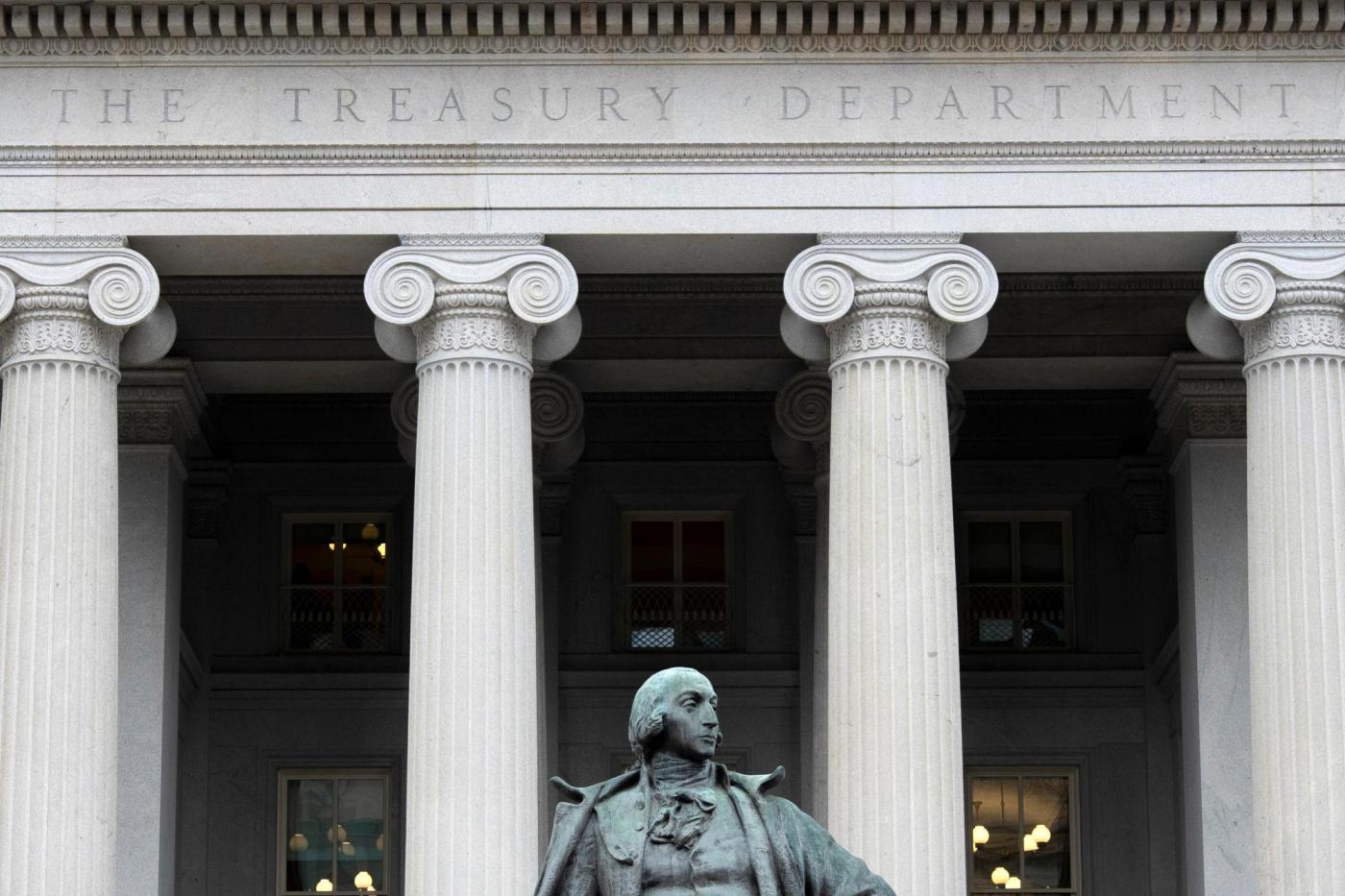
The U.S. Treasury Department announced that it was blocking transactions between U.S. banks and Mexican branches of CIBanco and Intercam Banco, as well as the brokering firm Vector Casa de Bolsa. All three have fiercely rejected the claims.

Mexico’s President Claudia Sheinbaum accused U.S. officials of providing no evidence to back their allegations, though the sanctions announcement made specific accusations on how money was transferred through the companies. It detailed how “mules” moved money through accounts in the U.S., as well as transactions carried out with Chinese companies that U.S. officials said provided materials to produce fentanyl.

Mexico’s banking authority has announced that it is temporarily taking over management of CIBanco and Intercam Banco to protect creditors.

Sheinbaum said Tuesday that the Mexican government is doing everything within its power to ensure that creditors aren’t affected, and said they were well “within their right” to pull their money from the banks.

The U.S. Treasury Department said that the sanctions would go into effect 21 days after the announcement.

Fitch Ratings has downgraded the three institutions and other affiliates, citing “anti-money laundering concerns” and saying the drop “reflects the imminent negative impact” that the sanctions could have.

“The new ratings reflect the significantly more vulnerable credit profile of these entities in response to the aforementioned warnings, given the potential impact on their ability to meet their financial obligations,” the credit rating agency wrote in a statement.

On Monday, CIBanco announced that Visa Inc. had announced to them with little warning that it had “unilaterally decided to disconnect its platform for all international transactions” through CIBanco. The bank accused Visa of not complying with the 21-day grace period laid out by the sanctions.

“We would like to reiterate that your funds are safe and can be reimbursed through our branch network,” the bank wrote. “We reiterate to our customers that this was a decision beyond CIBanco’s control.”

S&P Ratings also withdrew CIBanco from its ratings index, saying that it was because it had terminated its contracts with the bank following the U.S. Treasury announcement.


Disabled American Veterans of Minnesota marks 100 years with time capsule

posted in: All news | 0

A major Minnesota veterans support organization is marking a century of service by sealing a snapshot of the present day to be opened in the year 2125.

Disabled American Veterans of Minnesota commemorated its 100th year with a time capsule ceremony at the Minnesota Veterans Service Building in St. Paul on Tuesday.

Members and leadership from Minnesota’s local disabled veterans groups placed photos, pins, patriotic mementos, a commemorative bottle of rye whiskey and other materials, like a copy of the state’s first veteran-focused omnibus bill from 2022, into a cedar-lined chest to be kept sealed for 100 years.

“We hope that when this capsule is opened our future leaders will see in it what we see today: unwavering commitment, sacrifice and a legacy of service,” said Mike McElhiney, a Green Beret who lost his right arm while serving in Afghanistan in 2001.

A chest containing photos, commemorative items, a flag, and other materials, like a copy of the state’s first veteran-focused omnibus bill from 2022, will be on display at the Minnesota Veterans Service building at the State Capitol Complex. The “time capsule” seen here on Tuesday, July 1, 2025, commemorates a century of service by Disabled American Veterans of Minnesota, which was chartered on July 1, 1925. (Alex Derosier / Pioneer Press)

McElhiney has been recognized by the national Disabled American Veterans organization for his advocacy work.

Disabled American Veterans Minnesota started in the wake of the First World War and has around 19,000 members across 32 chapters. The national organization started in 1920.

Minnesota’s disabled veterans group, chartered on July 1, 1925, advocates for military veterans and their families and provides services like transportation to medical appointments and help with housing.

Among those in attendance Tuesday was a member who was born before the founding of Minnesota’s branch of the nonprofit.

Paul Wojahn, a 104-year-old World War II Veteran, is thought to be the organization’s oldest member and serves as commander of the New Ulm Chapter.

Wojahn, who served in the Marine Corps in the Pacific Theater of World War II, placed a copy of the state chapter’s original charter into the chest.

The ceremony took place in the offices of the Minnesota Department of Veterans Affairs and was attended by the agency’s commissioner, Brad Lindsay.

Gov Tim Walz issued an official proclamation commemorating the 100-year anniversary of Disabled American Veterans Minnesota, which was also placed in the capsule.

Besides documents and patriotic mementos, the chest also contains the Tuesday, July 1, 2025 editions of the Pioneer Press and Star Tribune newspapers.

St. Paul Chapter Commander Jeff Lubarski placed a photo of his chapter’s members in the capsule.

The capsule will be kept on display at the Veterans Service Building, and possibly brought to various chapters of Disabled American Veterans of Minnesota.

“As we seal this time capsule, we are preserving the values that define us — beauty, integrity, relentless service,” said John Walker, commander of the state’s chapter. “We’re sending the message forward: the DAV of Minnesota was here, and we laid the foundation for the next 100 years.”

Related Articles


St. Cloud trooper dies in South Dakota lake accident


Cross-country campers rescue motorist after accident at Minnesota rest area


Cook County jury faults polygamist cult leaders for $834,000


Lane splitting, filtering become legal for MN motorcyclists Tuesday. Here’s what to know.


Mikayla Raines, who rescued foxes and other animals, is dead at 30

US won’t send some weapons pledged to Ukraine following a Pentagon review of military assistance

posted in: All news | 0

By WILL WEISSERT and MATTHEW LEE

WASHINGTON (AP) — The U.S. is halting some shipments of air defense missiles and other munitions to Ukraine amid concerns that its own stockpiles of such supplies have declined too much, officials said Tuesday.

Related Articles


What the Justice Department’s push to bring denaturalization cases means


UPenn to update swimming records set by Lia Thomas, settling with feds on transgender athletes case


Billions in grants for summer school, English instruction delayed during Trump administration review


Mayors, doctor groups sue over Trump’s efforts to restrict Obamacare enrollment


Justice Department says 2 Chinese nationals charged with spying inside the US for Beijing

The munitions were previously promised to Ukraine for use during its ongoing war with Russia under the Biden administration. But the pause reflects a new set of priorities under President Donald Trump.

“This decision was made to put America’s interests first following a DOD review of our nation’s military support and assistance to other countries across the globe,” White House spokesperson Anna Kelly said in a statement. “The strength of the United States Armed Forces remains unquestioned — just ask Iran.”

The Pentagon review determined that stocks were too low on some items previously pledged, so pending shipments of some items won’t be sent, according to a U.S. official, who spoke on condition of anonymity to provide information that has not yet been made public.

To date, the U.S. has provided Ukraine more than $66 billion worth of weapons and military assistance since Russia invaded in February 2022.

Anne Wojcicki’s nonprofit gets court approval to buy 23andMe for $305 million

posted in: All news | 0

By WYATTE GRANTHAM-PHILIPS

NEW YORK (AP) — Anne Wojcicki’s bid to buy 23andMe, the genetic testing company she cofounded nearly 20 years ago, has received the court greenlight.

Related Articles


Consumer Financial Protection Bureau dismisses $95M overdraft case vs. Navy Federal Credit Union


Fireworks will light up this Fourth of July. Next year could be different if tariff talks fizzle


AI ghosts: Researchers explore planning for death with new technology


Fed vs. Trump on tariffs impact will soon be put to test


‘An American tradition’: Strong demand for fireworks nationally this year

That means Wojcicki’s nonprofit TTAM Research Institute will purchase “substantially all” of San Francisco-based 23andMe’s assets for $305 million. The transaction — which arrives more than three months after 23andMe filed for Chapter 11 bankruptcy — is set to officially close in the coming weeks.

“I am thrilled that TTAM will be able to build on the mission of 23andMe to help people access, understand and benefit from the human genome,” Wojcicki said in a statement Monday — later adding that, “the future of health care belongs to all of us.”

The sale, which was approved by U.S. Bankruptcy Judge Brian C. Walsh on Friday, marks the end of a monthslong bidding war between TTAM and Regeneron Pharmaceuticals — a biotech company that had previously agreed to buy most of 23andMe’s assets for $256 million in May. But Wojcicki’s nonprofit later topped that offer, winning the final round of bidding held last month.

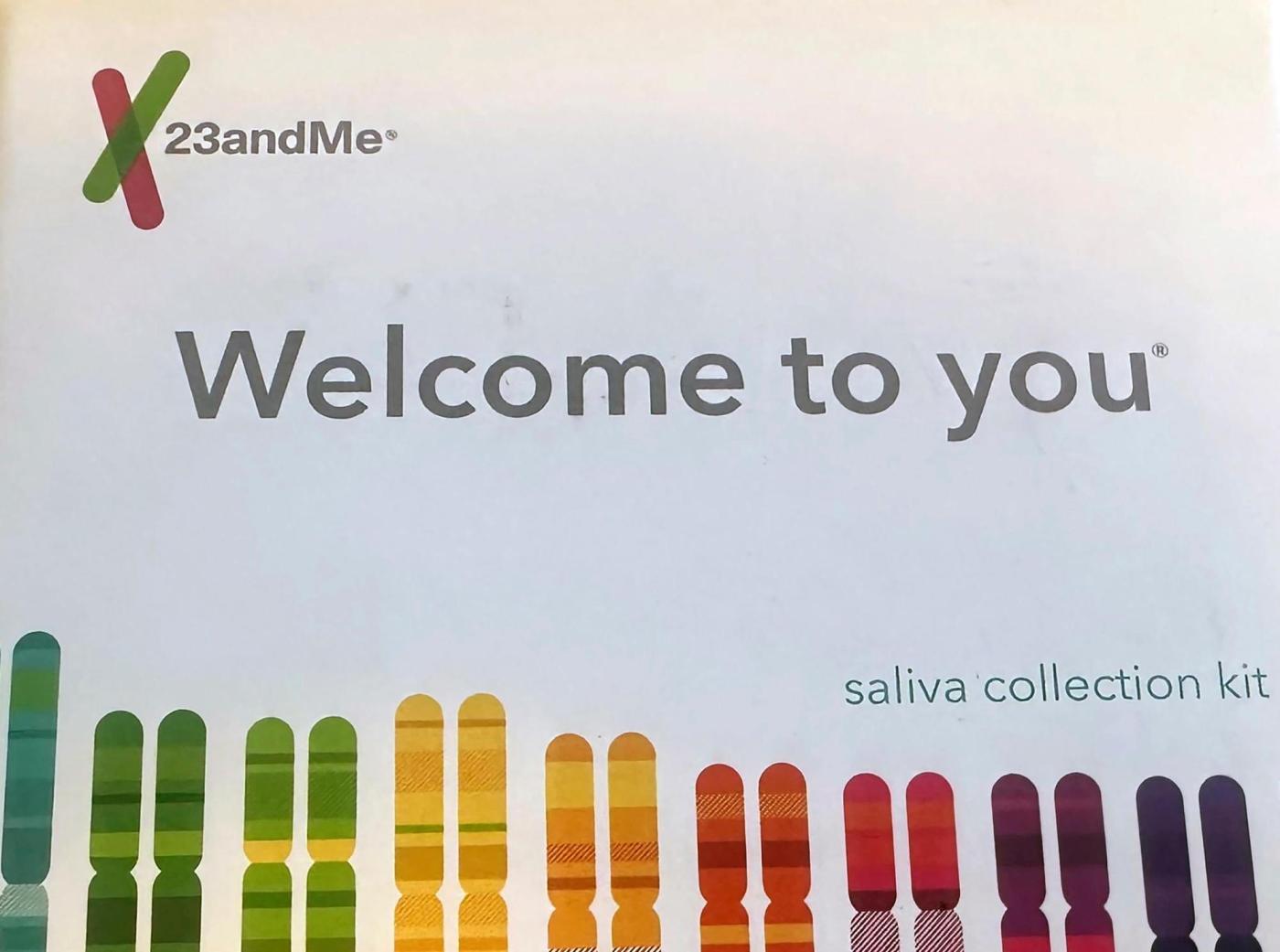
Under the deal, TTAM will acquire 23andMe’s signature “Personal Genome Service” provided through the company’s saliva-based DNA testing kits — as well as research operations and its Lemonaid Health subsidiary, a telehealth services provider that 23andMe previously planned to wind down.

Wojcicki had worked to take 23andMe private for some time. With the company struggling to find a profitable business model since going public in 2021, she’s maintained that it would operate better outside market pressures. But that endeavor proved to be tumultuous — notably in September of last year, when all of 23andMe’s independent directors resigned from its board citing a “clear” difference of opinion with Wojcicki on the company’s future following drawn-out negotiations.

Leading up to 23andMe’s March bankruptcy filing, subsequent efforts from Wojcicki to acquire the company were unsuccessful. And when 23andMe filed for Chapter 11 in late March, Wojcicki resigned as CEO — noting at the time that she was stepping down to be “in the best position” as an independent bidder.

Now that Wojcicki’s nonprofit will acquire 23andMe, it’s unclear whether the co-founder will step back into the CEO seat. But despite stepping down from the top post months ago, Wojcicki has remained on the company’s board throughout the bankruptcy process.

Beyond financial strains leading up to 23andMe’s bankruptcy, privacy concerns related to customers’ genetic information also emerged — dating back to even before the bankruptcy process, notably with a 2023 data breach. But concern what new ownership could mean for 23andMe users’ personal data has bubbled up in recent months. The genetic testing business had about 13 million customers at the time of its sale hearing, court documents note.

In June, 27 states and the District of Columbia filed a lawsuit seeking to block the sale of personal genetic data by 23andMe without customer consent. And in a memorandum opinion outlining his approval 23andMe’s sale to TTAM on Friday, Walsh acknowledged these states’ objections to the acquisition — but that noted many had since been resolved. Still, California, Kentucky, Tennessee, Texas, and Utah “remain actively opposed to the sale.”

In a statement to Politico on Monday, California Attorney General Rob Bonta’s office maintained that 23andMe’s sale “does not comply” with genetic privacy law in the state — and said it was “disappointed” with the court’s approval, adding that it was evaluating next steps.

The Associated Press reached out to Bonta’s office for further comment on Tuesday.

When announcing its intended sale to Wojcicki’s nonprofit last month, 23andMe confirmed that TTAM “has affirmed its commitment” to comply with the company privacy policies and applicable law. That means TTAM will honor existing policies around consumer data, the company said, which includes allowing users to delete their data and “opt out” of research.

All customers will be emailed at least two business days before the acquisition closes — with details on TTAM’s privacy commitments and instructions on how to delete data or opt out of research, 23andMe said. The company added that TTAM will offer customers two years of Experian identity theft monitoring at no cost.

23andMe reiterated those privacy policies on Monday. And Wojcicki added that, “Core to my beliefs is that individuals should be empowered to have choice and transparency with respect to their genetic data and have the opportunity to continue to learn about their ancestry and health risks as they wish.”