Federal judge says Trump-appointed federal prosecutor in Virginia is ‘masquerading’ in the job

posted in: All news | 0

By ERIC TUCKER

WASHINGTON (AP) — Two judges in Virginia are rejecting Trump administration arguments that a White House loyalist can continue serving as a top federal prosecutor in the state, with one on Tuesday soliciting applications for a replacement and the other prohibiting Lindsey Halligan from continuing to represent herself in his court as a United States attorney.

Related Articles


Vice President JD Vance and his wife Usha Vance say they are expecting their fourth child


A look at Trump’s Board of Peace and who has been invited


Supreme Court takes up politically charged case with independence of the Federal Reserve at stake


NYC Mayor Zohran Mamdani and US Sen. Bernie Sanders rally with nurses on ninth day of strike


DOJ subpoenas Walz, other local leaders in immigration enforcement obstruction investigation

The dual orders from separate judges marked a dramatic new front in an ongoing clash between the Trump administration and the federal court over the legitimacy of Halligan’s appointment. A White House aide with no prior prosecutorial experience, Halligan was picked for the role by President Donald Trump in September only to have a judge two months later rule that the appointment was illegal.

The Trump administration has kept Halligan in place despite that ruling, but on Tuesday, two judges made clear that they believed it was time for her tenure to end. Similar disputes have occurred in other districts across the country, where judges have rejected other Trump administration efforts to install acting prosecutors outside conventional protocol.

In one order, M. Hannah Lauck, the chief judge of the Eastern District of Virginia and a nominee of President Barack Obama, directed a clerk to publish a vacancy announcement on the court’s website and with the news media and said she was “soliciting expressions of interest in serving in that position.” The judge noted that the 120-day appointment given to Halligan, who has since been nominated by Trump but not confirmed by the Senate, expires on Tuesday.

In a separate order, U.S. District Judge David Novak said he was striking the words “United States Attorney” from the signature block of an indictment in a case that was before him, and barred her from continuing to represent herself with that title. He said he would initiate disciplinary proceedings against Halligan if she violated his order and persisted in identifying herself in court filings as a U.S. attorney, and said other signatories could be subject to discipline as well.

“No matter all of her machinations, Ms. Halligan has no legal basis to represent to this Court that she holds the position. And any such representation going forward can only be described as a false statement made in direct defiance of valid court orders,” Novak wrote. “In short, this charade of Ms. Halligan masquerading as the United States Attorney for this District in direct defiance of binding court orders must come to an end.”

The order from Novak, who was appointed to the bench by Trump during the Republican president’s first term in office, followed a defiant filing from Attorney General Pam Bondi and Deputy Attorney General Todd Blanche in which they stood behind Halligan’s authority and accused the judge of abusing his power by demanding that Halligan publicly explain why she continues to identify herself as a U.S. attorney.

“Ms. Halligan’s response, in which she was joined by both the Attorney General and the Deputy Attorney General, contains a level of vitriol more appropriate for a cable news talk show and falls far beneath the level of advocacy expected from litigants in this Court, particularly the Department of Justice,” Novak wrote.

“The Court will not engage in a similar tit-for-tat and will instead analyze the few points that Ms. Halligan offers to justify her continued identification of her position as United States Attorney before the Court,” he added.

Halligan was named to the job on an acting basis in September after the Trump administration effectively forced out veteran prosecutor Erik Siebert amid pressure to bring charges against two of Trump’s political foes, former FBI Director James Comey and New York Attorney General.

Halligan secured the indictment but the win was short-lived. In November, U.S. District Judge Cameron McGowan Currie ruled that Halligan was illegally appointed as an acting U.S. attorney.
NYC Housing Calendar, Jan. 20-26

posted in: All news | 0

City Limits rounds up the latest housing and land use-related events, public hearings and affordable housing lotteries that are ending soon.

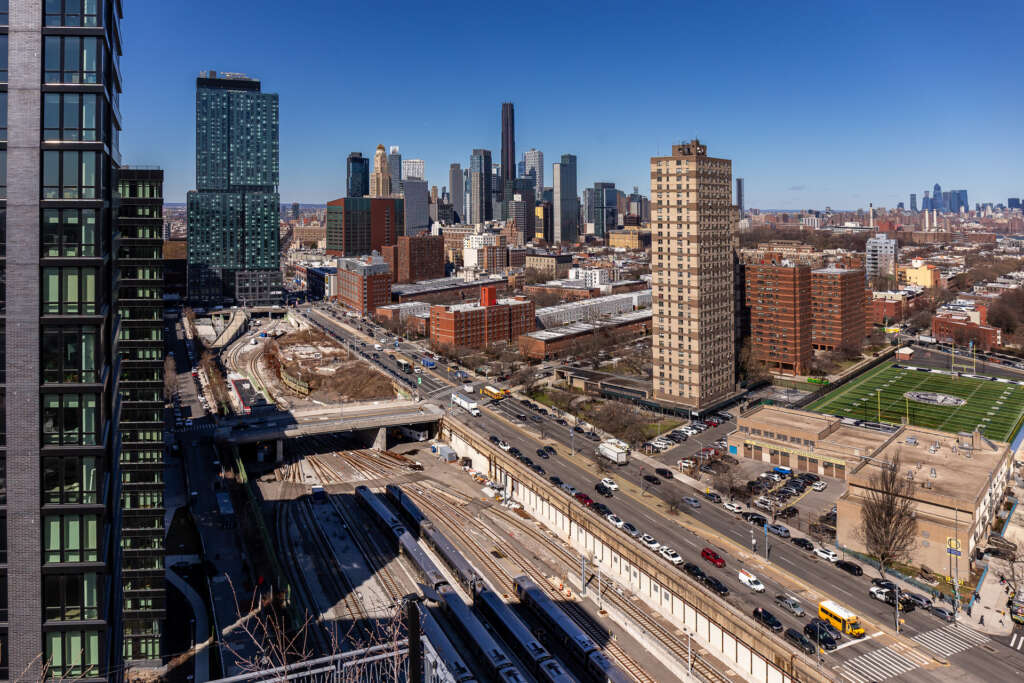
A view of the Pacific Park/Atlantic Yards site. Empire State Development will meetThursday about the latest plans for the long-stalled Brooklyn mega-project. (Adi Talwar/City Limits)

Welcome to City Limits’ NYC Housing Calendar, a weekly feature where we round up the latest housing and land use-related events and hearings, as well as affordable housing lotteries that are ending soon. (This week’s calendar is being published a day later than usual because of Monday’s Martin Luther King Day holiday).

Know of an event we should include in next week’s calendar? Email us.

Upcoming housing and land use-related events:

Wednesday, Jan. 21 at 10 a.m.: The City Planning Commission will meet to review the following land use items: 32nd Street Demapping, Ditmas Park West Historic District, Beverley Square West Historic District, Henderson Avenue Development, and 45 Charter Oak Road. More here.

Thursday, Jan. 22 at 12 p.m.: The New York Metropolitan Transportation Council will host Jasmin Tepale, senior lead for community planning at the NYC Department of City Planning, who will present on the city’s Jamaica Neighborhood Plan. More here.

Thursday, Jan. 22 at 2 p.m.: The Department of City Planning will hold a remote public scoping meeting for the Baobab Village project, a proposal for two new mixed-use buildings (to include affordable housing, a church, and retail space) at 859 Hendrix St. in East New York, Brooklyn. More here.

Thursday, Jan. 22 at 6 p.m.: Empire State Development will host a virtual public workshop on the Atlantic Yards Redevelopment Project. More here.

Monday, Jan. 26 at 11 a.m.: The NYC Council’s Subcommittee on Zoning and Franchises will meet regarding the following land use applications: 1417 Avenue U Rezoning, 217-14 24th Avenue Rezoning, 63-12 Broadway Rezoning, 78-08 Linden Boulevard, 247-56 90th Ave Rezoning, 14-10 Beach Channel Drive and Ethyl’s Alcohol & Food. More here.

NYC Affordable Housing Lotteries: The New York City Department of Housing Preservation and Development (HPD) is closing lotteries on the following subsidized buildings over the next week.

1081 Anderson Avenue Apartments, Bronx, for households earning between $81,120 – $140,000 (last day to apply is 1/21)

133 Carlton Avenue Apartments, Brooklyn, for households earning between $78,206 – $116,640 (last day to apply is 1/21)

714 Beach Avenue Apartments, Bronx, for households earning between $79,852 – $160,720 (last day to apply is 1/21)

354 East 28th Street Apartments, Brooklyn, for households earning between $88,903 – $140,000 (last day to apply is 1/22)

107 South 6th Street Apartments, Brooklyn, for households earning between $41,212 – $145,800 (last day to apply is 1/22)

3602 Holland Avenue Apartments, Bronx, for households earning between $98,332 – $189,540 (last day to apply is 1/22)

1049 Washington Avenue Apartments, Bronx, for households earning between $104,846 – $227,500(last day to apply is 1/23)

Williamsburg Wharf A3, Brooklyn, for households earning between $75,532 – $140,000 (last day to apply is 1/23)

The Lumina Apartments, Queens, for households earning between $81,086 – $140,000 (last day to apply is 1/23)

622 11th Avenue Apartments, Manhattan, for households earning between $74,778 – $140,000 (last day to apply is 1/26)

To reach the editor, contact Jeanmarie@citylimits.org

The post NYC Housing Calendar, Jan. 20-26 appeared first on City Limits.

Lo que necesita saber sobre: ¿Cómo aplicar al programa gratuito de cuidado infantil para menores de 2 años en Nueva York?

posted in: All news | 0

El pasado 5 de enero, la ciudad de Nueva York lanzó la iniciativa Birth-to-2, que ofrece cuidado infantil gratuito para menores de 2 años, independientemente de los ingresos o el estatus migratorio de sus padres, en 15 centros ubicados en los “barrios más necesitados”. A continuación, explicamos cómo aplicar.

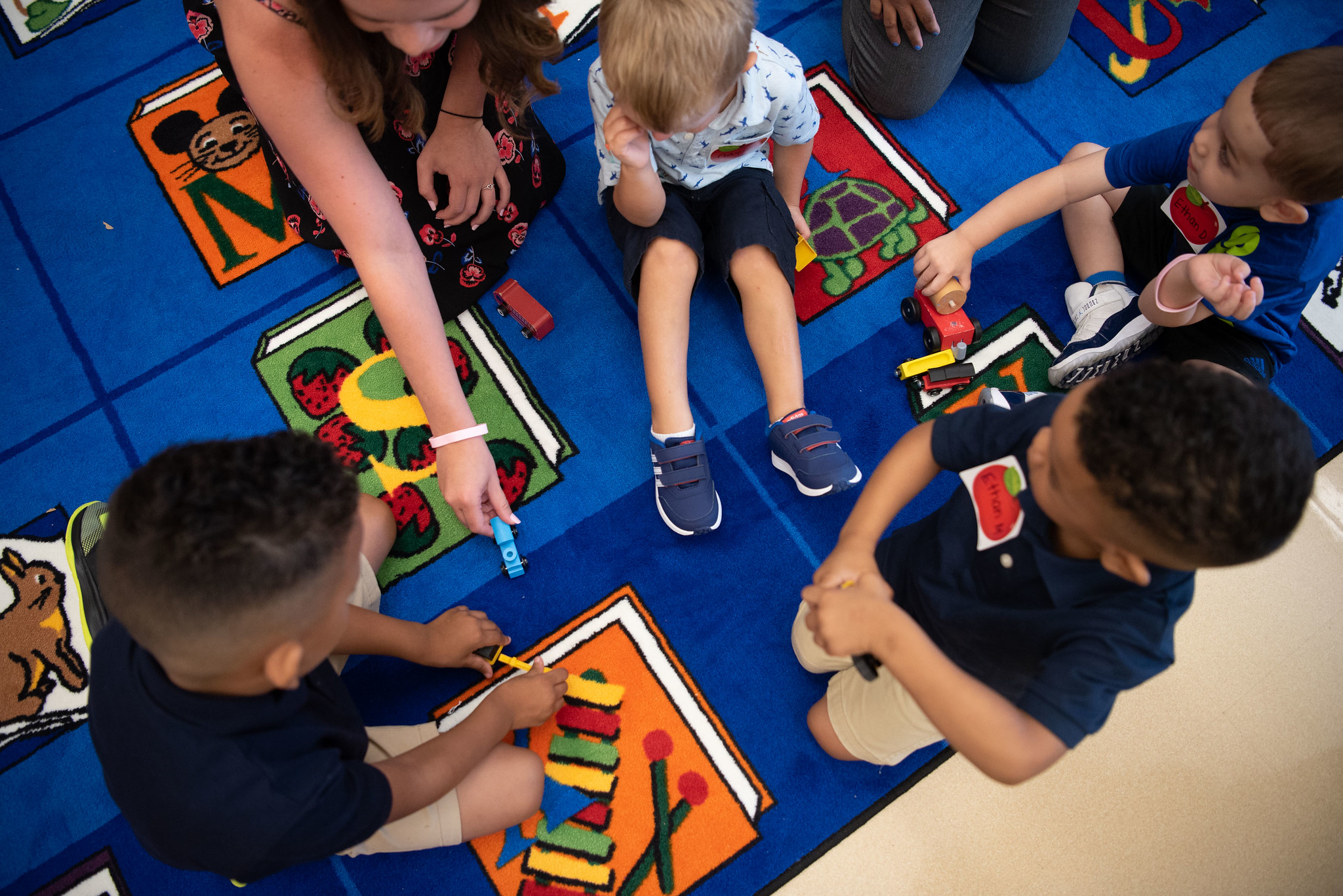
Michael Appleton/Mayoral Photography Office

Este artículo se publicó originalmente en inglés el 15 de enero. Traducido por Daniel Parra. Read the English version here.

El pasado 5 de enero, empezó la iniciativa Birth-to-2, que ofrece cuidado infantil gratuito para niños menores de 2 años, independientemente de los ingresos o el estatus migratorio de sus padres.

El programa, con un presupuesto de $10 millones de dólares, anunciado en el acuerdo presupuestario de la ciudad de Nueva York del año pasado, está dirigido a las comunidades más vulnerables y a los barrios con mayores necesidades, según informaron las autoridades.

La iniciativa forma parte del programa NYC Bright Starts y se presentó con el fin de reforzar los programas existentes para bebés y menores de las escuelas públicas de la ciudad de Nueva York que reciben fondos federal a traves del programa Head Start, que ofrece una variedad de servicios para apoyar la preparación escolar de los niños desde el nacimiento hasta los 5 años de edad de familias con bajos ingresos. El año pasado, la administración Trump intentó prohibir que los niños inmigrantes indocumentados se inscribieran en los programas Head Start, pero una orden judicial federal suspendió la medida en todo el país en septiembre.

Las Escuelas Públicas de la ciudad de Nueva York (NYCPS por sus siglas en inglés) dirigen la iniciativa Birth-to-2, que ofrecerá unas 200 plazas para bebés en 15 centros comunitarios en los “barrios más necesitados”, dijeron las autoridades.  

Los cupos subvencionan hasta 10 horas de cuidado al día durante todo el año, a diferencia de muchas de las plazas de los programas 3-K y preescolares de la ciudad, que ofrecen aproximadamente 6.5 horas de cuidado al día entre septiembre y junio.

La ampliación es una de las últimas iniciativas locales destinadas a aliviar el costo del cuidado infantil para las familias de Nueva York. La semana pasada, la gobernadora de Nueva York, Kathy Hochul, anunció una inversión de $4.500 millones de dólares para iniciativas de cuidado infantil en todo el estado durante el próximo año fiscal.

Esto incluye la financiación de los dos primeros años de un programa gratuito de cuidado infantil para niños de 2 años en la ciudad de Nueva York, llamado 2 Care, en colaboración con el nuevo alcalde Zohran Mamdani, quien hizo campaña con la promesa de un cuidado infantil universal. Esta iniciativa se centrará en “zonas con grandes necesidades” durante su primer año, pero se ampliará a toda la ciudad en el cuarto año, según declararon las autoridades.

El cuidado infantil se ha vuelto cada vez más inasequible para las familias de Nueva York. Un informe publicado el año pasado por la Oficina del Contralor de la ciudad reveló que el precio de inscribir a un bebé en una guardería era de $26.000 dólares al año en 2024, lo que supone un aumento del 43 por ciento desde 2019.

Además, una encuesta reciente realizada por el Centro de Pobreza y Política Social de la Universidad de Columbia y Robinhood* reveló que más de una quinta parte de los padres de la ciudad declararon haber tenido dificultades para pagar el cuidado infantil durante el último año, lo que significa que tuvieron que cancelar o reducir el cuidado debido a los costes, o dejar a sus hijos en un entorno que consideraban “inadecuado”.  

City Limits ha elaborado esta guía para ofrecer una visión general del proceso de inscripción en la iniciativa Birth-to-2, basándose en la información facilitada por NYCPS y los proveedores. La iniciativa Birth-to-2 comenzó a funcionar el 5 de enero de 2026 y el plazo de solicitud se abrió a finales de diciembre de 2025. 

No hay fecha límite para inscribirse. Los funcionarios de NYCPS confirmaron a City Limits en el momento de la publicación que aún hay plazas disponibles en el programa, pero se negaron a decir cuántas y dónde, añadiendo que es un número variable y que no quieren desanimar a los posibles solicitantes.

¿Quién es elegible para la iniciativa Birth-to-2?

Todos los niños que residan en la ciudad de Nueva York y tengan entre seis semanas y dos años de edad, independientemente de la situación migratoria de la familia o del niño, o del nivel de ingresos de los padres. Sin embargo, no todos los proveedores participantes ofrecen cuidados para niños menores de un año.

¿Cómo inscribirse?

En persona. Las familias deben ponerse en contacto directamente con los programas participantes (que se enumeran a continuación) para hacer la inscripción, y deben vivir en las proximidades de los proveedores a los que solicitan plaza. Los participantes se seleccionan por orden de llegada.

Liza Otano, directora del edificio de Beanstalk Academy en el Bronx, uno de los 15 centros que participan en la iniciativa, animó a los padres a visitarlo en persona para asegurarse de que las inscripciones están completas y, mientras están allí, a hacer un recorrido por las instalaciones.

¿Qué documentación se necesita para inscribirse?

El paquete de inscripción escolar de la ciudad para niños de 0 a 2 años, disponible en 14 idiomas: inglés, español, albanés, árabe, bengalí, chino (simplificado y tradicional), francés, criollo haitiano, coreano, ruso, ucraniano, urdu y uzbeko.

Dos pruebas de domicilio con una antigüedad máxima de 60 días.

Certificado de nacimiento o pasaporte del niño. 

Cartilla de vacunación del menor, con todas las vacunas y la vacuna reciente contra la influenza.

¿Cuánto tiempo se tarda en completar la solicitud? 

Cuando se presentan todos los documentos, “no más de 20 minutos”, dijo Otano. Se notificará a las familias la aceptación inmediatamente después de revisar los documentos. “Deben completar todos los documentos y enviarlos inmediatamente, ya que no se pueden reservar plazas”, añadió. 

¿Qué organizaciones fueron seleccionadas y dónde se encuentran ubicadas?

Bronx

Beanstalk Academy
2901 White Plains Road, Bronx, 10467

Brooklyn

Aleph Day Care
975 E 13th Street, Brooklyn, 11230

Bumble Bees R Us
5721 6th Avenue, Brooklyn, 11220

DMI Prep
2720 86th Street, Brooklyn, 11223

First Step NYC
225 Newport Street Brooklyn, 11212

Friends of Crown Heights
1435 Prospect Place, Brooklyn, 11213

Marie Durdin Childcare
2700 Linden Boulevard, Brooklyn, 11208

United Community Centers/Cypress Hills Local Development Corporation
613 New Lots Avenue, Brooklyn, 11207

Wiser Choice Learning
311 Saratoga Avenue, Brooklyn, 11233

Manhattan

Hudson Guild Children’s Center
459 W 26th Street, Manhattan, 10001

RENA Day Care Center
639 Edgecombe Avenue, Manhattan, 10032

Urban Concepts of New York, Round the Clock Nursery
301B W 130th Street, Manhattan, 10027

Victoria Children’s Center
323 Grand Street, Manhattan, 10002

Queens

Sholom Daycare Briarwood
83-78 Daniel Street, Queens, 11435

¿Qué pasará cuando se llenen las plazas, pero la demanda continúe?

Los proveedores y el NYCPS dijeron que crearán listas de espera para que cualquier plaza que quede disponible en el futuro sea utilizada.

Para ponerse en contacto con el reportero de esta noticia, escriba a Daniel@citylimits.org. Para ponerse en contacto con la editora, escriba a Jeanmarie@citylimits.org.

The post Lo que necesita saber sobre: ¿Cómo aplicar al programa gratuito de cuidado infantil para menores de 2 años en Nueva York? appeared first on City Limits.

‘Black Bird Redemption Song’: A Fort Worth Artist’s Work on Confinement, Freedom, and Fred Rouse

posted in: All news | 0

The rolling grounds of the UMLAUF Sculpture Garden and Museum near Austin’s Barton Springs are dotted with bronze pieces, their patinas letting them almost blend in with the scenery. But up close, they’re vividly detailed. A refugee holds a baby in gnarled hands, molded by American artist Charles Umlauf—the garden’s benefactor and namesake—in 1945. John the Baptist stares plaintively at the sky in a piece from 1957. Cast in stone, a woman closes her eyes in exhaustion, perhaps despair, while an emaciated child asks for warmth. This piece, “War Mother,” is from 1939. 

These permanent installations are from a different time, but they share the same spirit as the temporary exhibit on display through January 25: “Black Bird Redemption Song,” a mixed-media exhibition by renowned North Texas artist Sedrick Huckaby that explores issues of race, justice, and freedom—the plight and fight of Black Texans from 1921 through today. Huckaby’s exhibition argues that seemingly distinct social problems, past and present, are largely made up of the same materials. 

“It’s all connected—that’s the whole thought,” Huckaby said at a public talk at UMLAUF in January. “It’s about social justice, and I think if you look at wrongful conviction, incarceration, [lynching], you’ll see that those things are intertwined.”

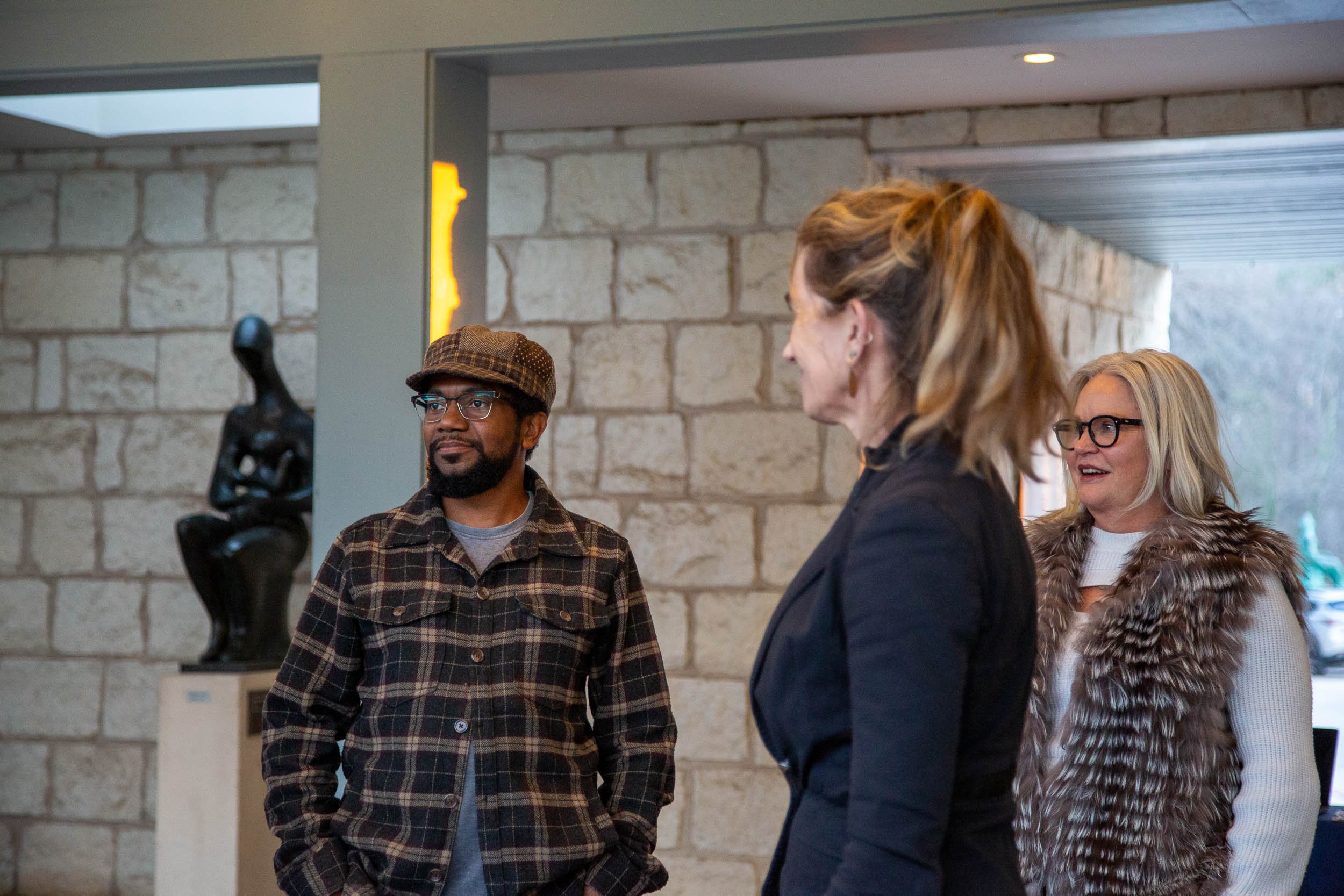
Huckaby (left) speaks with attendees. (Michelle Pitcher)

Huckaby, a Fort Worth native and longtime professor at UT-Arlington, made his name creating massive, mural-sized paintings with thick paint, heavily applied to create a textured, three-dimensional feel. His sculptural work, less known, is the center of the exhibit. 

He worked with friends and family of late Dallas County District Attorney Craig Watkins, the first Black DA in Texas, to create a life-size sculpture of the man following his death in 2023. Watkins founded Dallas’ Conviction Integrity Unit, which reviews closed cases and has contributed to the release and exoneration of dozens of wrongfully convicted people. More than thirty were freed during Watkins’ own tenure. Huckaby drew charcoal portraits of 24 of these men, layering them atop manila envelopes and case documents, and mounted them behind Watkins’ likeness. Huckaby had to work hard to find reference photos for these men, many of whom didn’t have public photos outside of their mugshots, some of whom had changed their names after their release. 

Sedrick Huckaby’s life-size sculpture of Craig Watkins greets visitors. (Michelle Pitcher)

Watkins’ sculpture is made of issues of the Dallas Morning News and Fort Worth Star-Telegram, hometown papers for the former DA and the artist. UMLAUF executive director and curator Katie Robinson Edwards said his charcoal portraits carry another layer of meaning, too. “Charcoal is actually burnt wood, so also kind of a medium that has a lot of history. But it’s also pretty flaky and it can be erased,” Robinson Edwards said. “And to me, erasure is a huge part of the show—stories that are impermanent.”

The exhibition gets its name from a collection of paintings and of papier-mâché birds, which Huckaby arranged in undersized vintage cages. Each bird has a name, based on someone Huckaby knows: Antwon the black vulture, Big John the northwestern crow, Shaniqua the black drongo. Many are mid-motion, but all seem to strain against their confinement.

The emotional heart of the exhibition is the most unexpected piece. Two short videos play on a loop in the corner, showing Huckaby creating large portraits in charcoal, smudging them, and then drawing new ones on top of the blurred background. 

The papier-mâché birds featured in the exhibition bear lifelike expressions and body language. (Michelle Pitcher)

The first video, “Contemplating Fred Rouse,” was inspired by Fort Worth’s only known Black lynching victim. Rouse was a butcher who was brutally beaten by members of a whites-only union after crossing a picket line at a Fort Worth packinghouse. Five days later, on December 11, 1921, he was kidnapped from his hospital room and hanged on Samuels Avenue.

There were no existing photos of Rouse, so Huckaby experimented with how he might have looked. He based these interpretations on people he, Huckaby, knew, ending the video by drawing his own son’s face.

The second video wasn’t part of his initial plan. It came about when, through hometown connections in Fort Worth, he connected with Rouse’s grandson, Fred Rouse III. The younger Rouse wasn’t aware of his grandfather’s story until 2020. He had no idea that his grandfather and namesake was lynched in the city he called home. He’s become a community activist in the years since, founding the Fred Rouse Foundation and leading the Tarrant County Coalition for Peace and Justice.

“After meeting this man, I said, ‘I’ve got to redo that piece,’” Huckaby said.

Fred Rouse III performs a live rendition of “A Change is Gonna Come.” (Michelle Pitcher)

He set to work on a sequel to the first video, now armed with photos of Rouse III’s father, Fred Rouse Jr., and his son, Fred Rouse IV. Huckaby created another video, this one titled “Portrait of Fred Rouse.” A cover of Sam Cooke’s “A Change Is Gonna Come” plays with the video, sung by Rouse III himself. 

“It’s just about dealing with the things around me that I think are important,” Huckaby said, “and eventually, what I discover is that those same things that are important to your family and your community are important regionally, nationally, even internationally.” 

The post ‘Black Bird Redemption Song’: A Fort Worth Artist’s Work on Confinement, Freedom, and Fred Rouse appeared first on The Texas Observer.