Doctors urge refrigerating acne creams to reduce cancer risk

posted in: News | 0

Anna Edney | (TNS) Bloomberg News

Some dermatologists are recommending that people refrigerate benzoyl peroxide products such as Proactiv and Clearasil after an independent lab found they were contaminated with the potent carcinogen benzene.

The American Acne & Rosacea Society said Wednesday that storing benzoyl peroxide creams, gels and washes at refrigerated temperatures could minimize the risk of benzene exposure. “Benzoyl peroxide has been a very important part of the treatment of many patients with acne and also some other skin diseases,” according to the group, which has about 6,000 members.

The testing lab Valisure filed a petition with the U.S. Food and Drug Administration on March 5 asking the agency to recall benzoyl peroxide acne treatments after finding high levels of benzene in the products, Bloomberg News has reported. Benzene levels increased when products underwent stability testing, including Proactiv’s 2.5% benzoyl peroxide cream, manufactured by Taro Pharmaceutical Industries Ltd., and 10% benzoyl peroxide cream from Reckitt Benckiser Group Plc’s Clearasil.

The findings came as a surprise given benzoyl peroxide has been used for five decades, AARS President James Del Rosso said in a statement. The group said more research is needed.

“We want to be sure that any guidance that is given and any decisions that are made are based as much as possible on solid scientific evidence,” Del Rosso said.

The FDA has said it would work to verify the accuracy of the data Valisure presented in its petition.

___

©2024 Bloomberg L.P. Visit bloomberg.com. Distributed by Tribune Content Agency, LLC.

1 in 5 maternal deaths are from suicide. Why is it so hard to get help?

posted in: News | 0

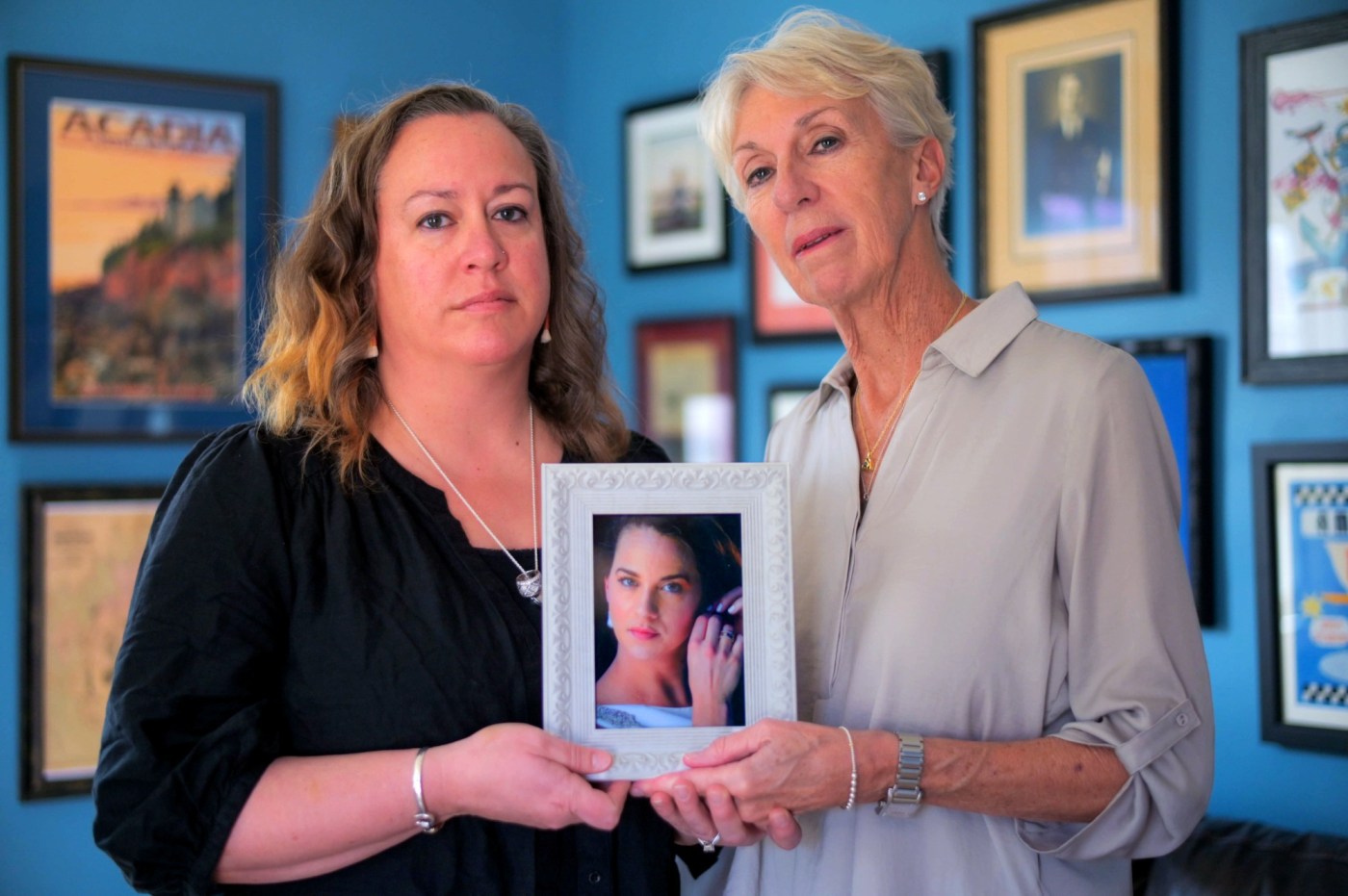
There are traces of Andrea Kolbe all over her big sister, Kyra Vocci.

A long chain with Kolbe’s wedding ring — an ornate silver band — hangs close to Vocci’s heart, beside a locket engraved with Kolbe’s photo and fingerprint. Tattooed on Vocci’s forearm is a rainbow and a quote Kolbe liked: “There is a rainbow of hope at the end of every storm.”

“We called each other soul sisters,” said Vocci, her eyes glossy with tears.

In December, one day after Kolbe turned 35 and four months after she gave birth to her first child, she took her own life at her Long Island, New York, home. When Vocci got the call, she dropped to the floor and screamed so loud and for so long that her neighbors called police.

Kyra Vocci has a tattoo on her forearm that reads, “There is a rainbow of hope at the end of every storm; Always, Andrea” with the closing in the handwriting of her late sister Andrea Kolbe, who took her own life in December while fighting postpartum depression. (Karl Merton Ferron/Staff)

Before Kolbe died, she had been struggling with postpartum depression, a mood disorder characterized by persistent feelings of sadness, worthlessness, guilt and shame. The condition can cause new mothers to experience terrifying and unwanted thoughts about accidentally or intentionally harming themselves or their baby.

Postpartum depression is distinct from the “baby blues” — a mild and temporary form of depression experienced by most new moms that typically goes away within two weeks after they give birth. The mood disorder is more serious, and, while it’s less common, studies estimate that up to 15% of people who have a baby will experience it. Black women and those with a history of depression or bipolar disorder are especially at risk.

According to national and local experts, screening and treatment for postpartum depression remains lacking across the country. Until recently, there was no standardized strategy for collecting data on maternal deaths from suicide. Now, research suggests that nearly 1 in 5 maternal deaths in the country are due to suicide, making such deaths more common than those caused by postpartum hemorrhage or hypertensive disorders.

Lately, Vocci, of Towson, and her mother — Lisa Kolbe, who lives in Gaithersburg — have been pouring their grief into advocacy. Earlier this month, they both testified in support of a bill in the General Assembly that would connect at-risk pregnant women and new moms to their local health departments. Both the House and Senate have passed versions of the bill.

Lisa Kolbe doesn’t mince words when asked how she is doing. She is broken. But Andrea — pronounced ahn-DREY-ah — would want her to be happy, so she is trying to move forward. And she doesn’t want to keep how her youngest daughter died private.

“I’m open about it with everyone,” she said. “It can’t be hush-hush anymore. It can’t. We’ve got to protect women. We’ve got to get them proper care.”

Infrequent screenings

Under guidelines from the American College of Obstetricians and Gynecologists released last year, providers should screen women for depression and anxiety multiple times during their pregnancy and after they give birth. However, according to data from public and private insurance companies, that usually doesn’t happen.

For Medicaid patients in 2022, screening rates were 16% during pregnancy and 17% postpartum, according to data compiled by the nonprofit National Committee for Quality Assurance. The rates were even lower for people covered by private insurance — 9% during pregnancy and 11% postpartum.

At Mercy Medical Center and Greater Baltimore Medical Center — the hospitals that deliver the most babies in Baltimore and Baltimore County, respectively — doctors said they regularly screen pregnant women and women after birth for mental health concerns.

Across the country, however, the maternity care infrastructure is threadbare, said Joy Burkhard, executive director for the Policy Center for Maternal Mental Health. More than a third of counties are maternity care deserts, meaning they have no hospitals or birth centers offering obstetric care and no obstetric providers, according to a 2022 report from the March of Dimes.

Providers who deliver babies also don’t learn enough about maternal mental health in medical school, which makes it hard for them to identify and manage the conditions and teach their patients about them, Burkhard said.

“It’s a bit like the Wild West in terms of what kind of care someone might or might not get,” she said.

Kyra Vocci wears a locket paying tribute to her deceased sister Andrea Kolbe. (Karl Merton Ferron/Staff)

Last year, the policy center released report cards measuring each state’s success at screening for and treating maternal mental health conditions. Maryland received a C-minus — above the national D grade.

According to the report card, the state is doing some things well. Last year, the Maryland Department of Health announced that people eligible for Medicaid would be able to access benefits for their entire pregnancy and the 12-month postpartum period, regardless of their immigration status or any changes in income or household size.

However, the report card also noted that Maryland doesn’t require providers to screen for maternal mental health disorders or require Medicaid to reimburse for that. A report released in 2016 by a task force created by the General Assembly said the state should start requiring screening. But that recommendation — like most others in the report — has yet to be fulfilled.

Barriers to treatment

Even when a woman is screened for depression, she may not be forthcoming if she’s worried her baby will be taken from her, or her doctor will think she’s a bad mom. Despite being so common and treatable, maternal mental health issues remain draped in societal misunderstandings.

“It’s a terrible stigma,” Vocci said. “Like, if you don’t feel blessed and joyful to have a baby, then something’s wrong with you.”

A banner proclaims, “Her Fight is My Fight, Postpartum Depression Awareness” outside the home of Kyra Vocci, to spread the message about postpartum depression. (Karl Merton Ferron/Staff)

Then, there’s what happens after screening: Research shows that less than a quarter of women who test positive for depression receive mental health treatment. Black women are even less likely to be screened and receive treatment than white women — even though they’re more likely to experience perinatal mood disorders, said Dr. Lindsay Standeven, clinical and education director of the Johns Hopkins Reproductive Mental Health Center.

There’s also a dire shortage of mental health workers, which has only gotten worse since the beginning of the coronavirus pandemic. Some providers are reluctant to screen women for postpartum depression because they know how hard it is to find help.

Related Articles

Health |


Allergy season arrived early in US. Here’s how to keep pollen from ruining your spring

Health |


New way for states to cover pricey gene therapies will start with sickle cell disease

Health |


Concerns grow over quality of care as investor groups buy not-for-profit nursing homes

Health |


Knees stiff with arthritis? This company is studying whether fat injections can improve motion

Health |


Following measles outbreaks, scientists grow wary of renewed threat

Mercy doesn’t have a magic bullet for this problem, said Dr. Robert Atlas, the downtown Baltimore hospital’s chair of obstetrics and gynecology.

Many of the mothers who deliver at Mercy are from city neighborhoods where they grew up not getting enough to eat or being traumatized by other effects of poverty, Atlas said. That chronic stress can cause all kinds of complications in pregnancy, including preeclampsia, delivering babies preterm, and mood disorders like depression and anxiety.

Finding a therapist or psychiatrist also can be especially difficult for this population, since few mental health workers accept Medicaid — the plan that covers about 60% of Mercy’s patients, Atlas said.

But help doesn’t have to come from a therapist, Standeven said. She advocates for collaborative care models, where different kinds of providers work together to treat patients. An OB-GYN office, for example, may employ a social worker to help women navigate the mental health system.

“That kind of opens up the funnel that’s clogged right now for patients with more severe psychiatric illness to be seen in-person by experts in the area,” she said. “Right now, we don’t have offense or defense. We just are flooded.”

Making noise

Vocci’s home is usually filled with the clamor of three young boys, two cats and two dogs. But earlier this month, it was quiet as she stood in her kitchen in front of a shrine to her little sister.

Each day, Vocci lights a tall, milky white candle that sits before a framed photo of Kolbe. On the table, a vase is filled with seashells that look like tiny ballet slippers. Kolbe, a dance instructor, used to call them “slipper shells,” Vocci said. After her sister died, she collected them at New York’s Crescent Beach — one of Kolbe’s favorite places.

More than three months after Kolbe took her own life, Vocci and her mother are starting to accept that grieving the loss of her will be a lifelong journey. Sometimes, when Vocci is driving, her stomach will drop as she realizes again that her little sister is gone. Then, the tears come.

Kyra Vocci stands above her mother, Lisa Kolbe, posing with poster boards filled with a collage of photos of Andrea Kolbe, who took her own life in December while fighting postpartum depression. (Karl Merton Ferron/Staff)

Vocci has always been keyed into local politics. Kolbe wasn’t so much — she’d tell her big sister to calm down when she was on a soapbox. With Kolbe no longer around to tease her, Vocci’s interest in policy has morphed into a powerful source of purpose.

Vocci hopes to start a Maryland chapter of Postpartum Support International, a nonprofit that aims to increase awareness about the emotional changes that women experience during pregnancy and after birth. And she’s starting a charitable organization named after her sister — Andrea’s Wish Foundation.

The foundation is in its infancy, but Vocci hopes that one day it will raise enough money to help train health care providers to better treat maternal mental health conditions and help women afford therapy and find support groups.

Kolbe left a large hole in the Long Island dance community, Vocci said. She worked at a dance center there and taught and mentored hundreds of little girls over the years. But Vocci wants to ensure that her sister’s legacy will shine far beyond New York.

“I am here to make some noise,” she said.

If you are a loved one are experiencing distressing or suicidal thoughts, help is out there. Call or text 988, the country’s free suicide and crisis hotline. Pregnant and new moms can also dial or text 833-852-6262, the maternal health hotline run by the federal government.

A makeshift memorial in which Kyra Vocci lights a candle daily in remembrance of her sister Andrea Kolbe. (Karl Merton Ferron/Staff)


Forward Jordan Adebayo-Smith ‘buzzing’ over opportunity with Minnesota United

posted in: News | 0

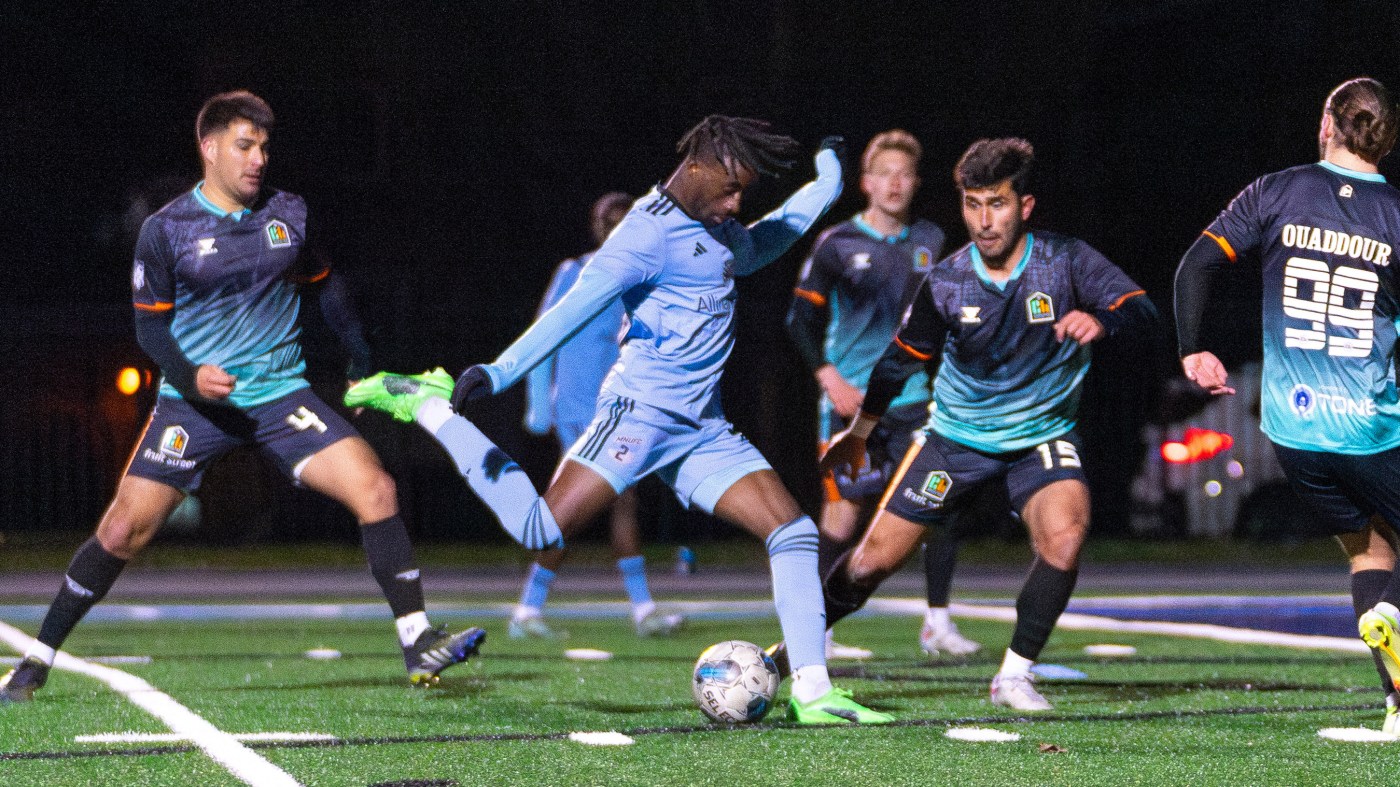
Jordan Adebayo-Smith was “buzzing” when he was traded from New England Revolution to Minnesota United during the MLS draft in December. And the 23-year-old forward has provided a jolt to multiple Loons teams across three different competitions in his opening four matches.

The California-born, England-reared man of Nigerian descent made his MLS debut at Allianz Field in a 1-1 draw with Columbus Crew on March 2 and had a secondary assist on Bongi Hlongwane’s game-winner in a 3-2 victory at Orlando City on March 9.

Then Adebayo-Smith opened his scoring account with one goal in MNUFC2’s 4-1 loss to LAFC2 in MLS Next Pro last Sunday. He then produced a hat trick in the 3-0 win over Chicago House in the U.S. Open Cup first-round match on Wednesday.

“Just doing everything right, “ Adebayo-Smith said of his hat trick. “(Doing) what the coaches want leads to us getting chances on goal. The hard work from the boys helped create those chances and I just took them.”

MNUFC2 coach Justin Ferguson and Adebayo-Smith agreed: he probably should have scored more than one goal against LAFC2 in the MLS NEXT Pro season opener.

“Then to come back and respond in the right way, that’s exactly what we want of the players that play in that position to do: get on the end of service and create space in the box and then ultimately finish the chance,” Ferguson said. “Super proud of him and just really excited for what he’ll bring to the club.”

Adebayo-Smith has bounced around in his young career. After development at East Soccer Base in London, he went to Lincoln City, Reading and Sutton United in England’s lower levels from 2018-21.

He then played in USL Championship for the Tampa Bay Rowdies and New York Red Bulls II in 2022. Last season, Adebayo-Smith, who prides himself on his pace and movement, had 12 goals and five assists in 2,104 minutes with Revolution II in MLS Next Pro last season.

“I was buzzing to obviously sign for the first team spot (with MNUFC),” Adebayo-Smith said. “Obviously I knew it was going to be a new challenge and a new environment but I was ready for it. I’m up for it. It’s good to start fresh, I’m excited to see what’s going to happen this season.”

Defensive wrinkle

New head coach Eric Ramsay experimented with a different back line in the second half of the 1-0 friendly win over Irish club St. Patrick’s Athletic on Wednesday.

Left back Devin Padelford subbed out and winger Caden Clark came on. Center backs Victor Eriksson and Micky Tapias and right back Zarek Valentin stayed in the game.

In the new look, Clark often remained higher and wider in the left side of the midfield. Then after a spell, Clark and Valentin flipped sides of the field and Clark was in an advanced position on the right.

Ramsay explained his decision afterward.

“Trying to have the balance on one side where one fullback (is) playing wider, sort of 50-50 between their fullback and their wide player,” he shared. “It allows you to play with an extra player in the pocket in the middle (of them). … Then we flipped it on the other in the second period and I think it gives a team a good balance, particularly if Caden is playing (full)back. Then it suits his qualities (as a winger) far more than it would do if we asked him to play a bit lower.”

Ramsay was asked about his ideas on a three-man back line versus a four, which the Loons had in all four MLS games this season. He didn’t directly answer but shared a window into his thought process.

“Distances between players in, say, a line of three versus a line of four, and how you control counter attacks with a certain number of players in the back line, the angles it gives you with a certain number of players in a back line,” he said. “Those are the things I’m thinking about.”

Open Cup draw and rules

MNUFC2 is expected to receive their second-round draw for the U.S. Open Cup on Friday. The opponent is expected to be from the Midwest and if the Loons host, it will be held at Allianz Field on April 2-3.

Given the switch from first teams to developmental teams for the Open Cup, U.S. soccer has set some additional rules. One of those rules is if a first-team player is loaned down, they must remain down for 90 days.

But that won’t be an impediment for Adebayo-Smith, who was loaned down Wednesday, nor other MNUFC players, a club spokesman said Thursday. The first-team players have set loan agreements that make them able to join the second team and move up or down all season, he shared with the Pioneer Press.

There are other limits on which MLS players can participate. Those rules include no players earning salary above the league’s maximum budget charge (meaning no Designated Players such as Emmanuel Reynoso or Teemu Pukki), no players averaging more than 15 minutes per MLS game and no more than seven players on loan from a first team to a second team for an 18-player roster in that Open Cup match.

Related Articles

Minnesota United FC |


Jordan Adabayo-Smith hat trick seals MNUFC2 win in U.S. Open Cup

Minnesota United FC |


Four intriguing Loons in line for more playing time in U.S. Open Cup or St. Patrick’s friendly

Minnesota United FC |


Eric Ramsay wins first game with Minnesota United, 2-0 over LAFC

Minnesota United FC |


From Togo to Lakeville to MLS: Loic Mesanvi has been on a wild ride

Minnesota United FC |


Minnesota United vs. LAFC: Keys to the match, projected starting XI and a prediction

Driving to Mexico? Make sure you have the right car insurance

posted in: News | 0

By Isabel Contreras | NerdWallet

Spring break is just around the corner, and many Americans will soon flock to Mexico’s white sand beaches and bustling cities to enjoy their time off. But those opting for a road trip will need to sort out their car insurance coverage first. Mexico legally requires all drivers, including American tourists, to have liability insurance, and failing to purchase enough insurance could land drivers in jail should they cause an accident.

Standard U.S. auto insurance policies won’t cover drivers south of the border, so it’s vital to purchase Mexican car insurance before making the trip.

Liability car insurance is crucial when driving in Mexico

Many large U.S. insurance companies partner with Mexican insurers to offer Mexican car insurance to their customers. Plans are flexible, starting at a single day of coverage and going for as long as a year. Another option is to purchase insurance from a U.S. broker that specializes in Mexican car insurance.

Mexico requires drivers to hold 100,000 Mexican pesos (around $5,800) for bodily injury and death liability coverage and 50,000 Mexican pesos (around $2,900) for property liability damage. If you’re caught driving in Mexico without this minimum coverage, you may face a fine of at least $200. If you cause an accident while driving uninsured in Mexico and cannot pay for the damages you caused, you could face jail time. That’s because in Mexico, all car accidents are considered criminal offenses, not just civil matters.

“If you don’t have insurance and you cause an accident, you can be held by the authorities,” says Geoff Hill, vice president of business development at Baja Bound, a California-based agency that specializes in Mexican auto insurance. “If you’re at fault, they will hold you until you can come up with the money to pay for the damage you [caused]. If you had insurance, you wouldn’t be on the hook for that.”

Oscar Arrieta, an Allstate insurance agent in El Paso, Texas, stresses the importance of having strong liability coverage above all other protection while driving in Mexico. The country’s liability insurance requirements are likely not enough to protect you and your finances if you cause an accident. “To me, protecting your vehicle is secondary,” he says. “It’s [about] the damage you create.”

Arrieta recommends a policy that has at least a $300,000 combined single limit, which is one larger liability limit to cover both bodily injury and property damage. Baja Bound only sells policies that start at that $300,000 limit and go up to $500,000 in liability coverage.

Other types of car insurance coverage worth having in Mexico

Because there’s a possibility that a car accident could land you in jail, many Mexican insurance policies include legal assistance coverage. This benefit can help you find and pay for an attorney and post bail, up to your policy’s limit.

Mexican insurers also typically offer hands-on support at the scene of an accident. If you’re in a car accident, an adjuster from your insurance company will arrive at the accident to examine the scene and determine how to proceed with other drivers’ insurers. That’s a big difference from how things work in the U.S., where adjusters won’t get involved until later.

Related Articles

Travel |


Column: Think small when packing your self-care products

Travel |


8 of the best ways to use points and miles for travel

Travel |


Travel: 3 bachelorette party destinations for nature lovers

Travel |


Is it safe to travel to Egypt? The data — and travelers — say yes

Travel |


Napa Valley weekend: Wineries, eateries and shopping abound in Yountville

To drive with peace of mind, it might be wise to consider strengthening your Mexican car insurance policy by purchasing medical payments coverage, which pays for the cost of treating your and your passengers’ injuries after an accident.

Even though it’s legally required, only a small portion of drivers in Mexico have car insurance, according to Mexico’s National Commission for the Protection and Defense of Users of Financial Services. And those who do might only satisfy the $2,900 property damage liability coverage requirement.

That is why you should also consider buying physical damage coverage and theft coverage which, combined, offer similar coverage to collision and comprehensive insurance in Mexico. These cover the cost of repairing or replacing your own car after it’s stolen or damaged in various situations, up to its current market value. Some U.S. insurance companies offer limited insurance coverage in Mexico, as long as you’re within a certain distance of the border, so check with your insurer to see if damage to your vehicle is covered in Mexico.

But no matter what, if you’re driving in Mexico, it is crucial to purchase liability insurance coverage at the very least — even if your insurer will cover damage to your car while driving in Mexico.

Mexican rental car insurance

If you’re planning to rent a vehicle for your trip, the best move will be to do so once you’re in Mexico. Many U.S. rental companies restrict or prohibit their cars from being driven into Mexico. The coverage options available at Mexican rental counters will all comply with the local minimum requirements, so that will be one less thing to worry about when your only concern should be finding the best taquería in town.


Isabel Contreras writes for NerdWallet. Email: icontreras@nerdwallet.com. Twitter: @https://twitter.com/ContrerasNews.