Metro Transit to debut St. Paul-to-Woodbury Gold Line on March 22, 2025

posted in: Adventure | 0

Metro Transit will debut the downtown St. Paul-to-Woodbury “Gold Line” — the state’s first bus rapid transit line to operate primarily within bus-only lanes — on March 22, 2025, according to an announcement from project leaders.

The Gold Line is one of three new BRT lines that Metro Transit will roll out next year, bringing the transit system’s total to eight BRT lines. The B Line, which will largely replace the Route 21 between Uptown, Minneapolis and downtown St. Paul, will launch on June 14, 2025.

The Metro E Line, which will largely replace Route 6 between Bloomington and the University of Minnesota East Bank campus, is scheduled to begin service in December of next year.

Construction of the Gold Line and a new bridge connecting Oakdale and Woodbury began in late 2022 and is currently more than 40% complete. Also under construction is a three-level, 500-space Park & Ride near the intersection of Woodlane Drive and Guider Drive in Woodbury.

When completed, buses will travel in dedicated lanes for about 70% of the 10-mile route, serving stops in St. Paul, Maplewood, Landfall, Oakdale and Woodbury. The $505.3 million project is largely funded by the Federal Transit Administration and Ramsey and Washington counties.

Related Articles

Local News |


Metro Transit expands Northstar service to Twins, Vikings games

Local News |


Millions of recalled Hyundai and Kia vehicles with a dangerous defect remain on the road

Local News |


Ready to MOOV? Alternatives to Uber, Lyft face a long road ahead

Local News |


Older Boeing plane found to have missing panel after flight from California to southern Oregon

Local News |


Will they stay or will they go? Uber threatens to quit all of Twin Cities — including St. Paul, MSP

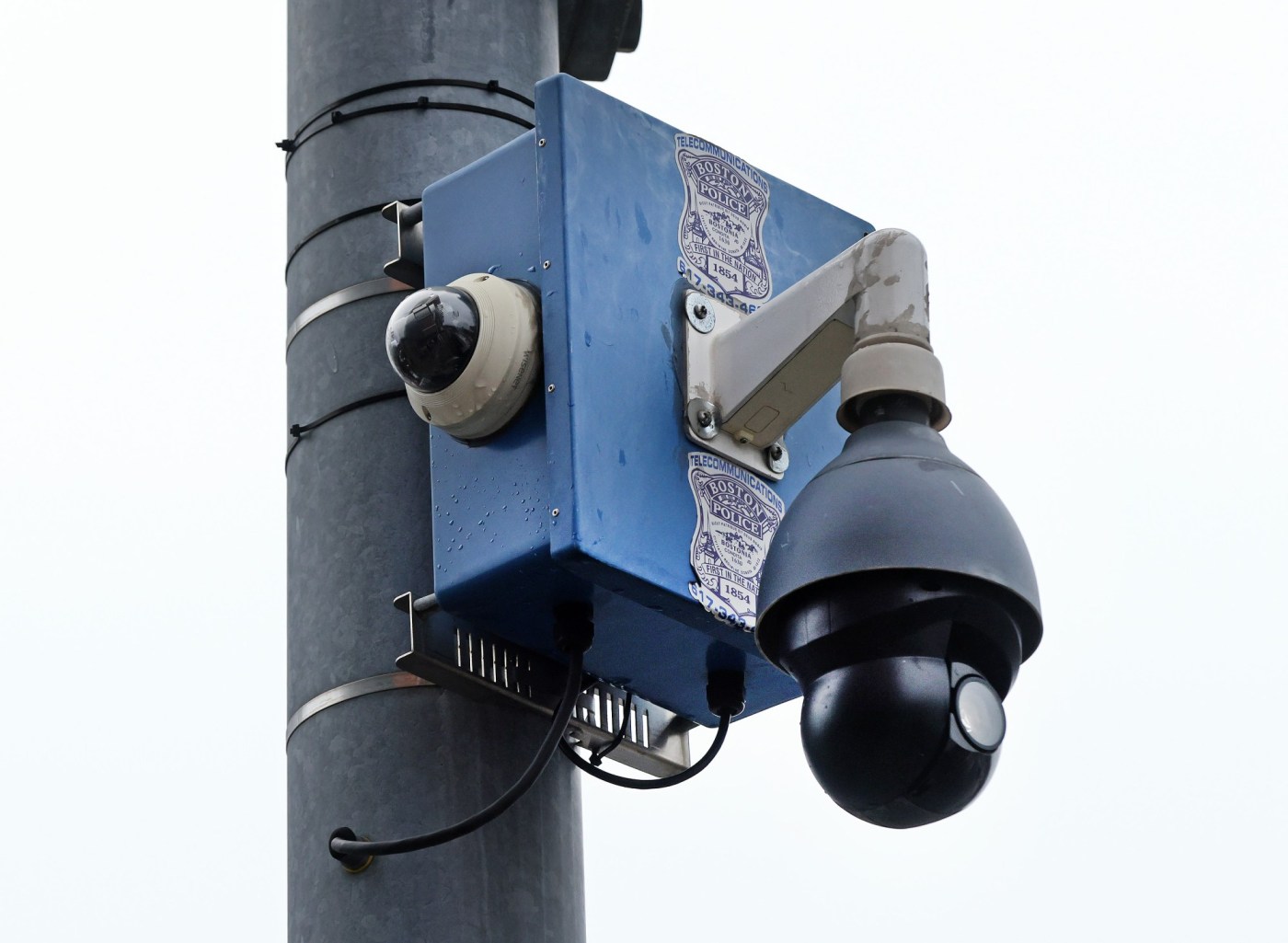
Nighttime gunshots may harm health and sleep of millions, Mass General study finds

posted in: News | 0

Nighttime gunshots and the sirens wailing right after may be a larger factor in the health and well-being of millions of people than previously considered, Mass General Brigham researchers report.

The study looked at 72,236 gunshot reports from big cities — including Boston.

“A nighttime gunshot likely disrupts the sleep of nearby community residents due to the sheer sound of the shot, which is then followed by a cacophony of sirens from police vehicles and ambulances,” said Rebecca Robbins, a researcher at Brigham and Women’s Hospital and one author of the study. “The findings from our study shed light on this potentially significant and underexplored social determinant of sleep and population health.”

The report, titled “Estimating Community Disruption from Nighttime Gunshots in 6 U.S. Cities, 2015 to 2021,” explores how many people hear gunshots during the nighttime, how many nighttime shots are heard and the demographics of the most impacted communities.

Of the most populated U.S. city, researchers were only able to access enough gunshot data for Boston; Philadelphia; Washington D.C.; Baltimore; Portland, Oregon; and New York. In total, the team looked at 72,236 gunshot reports from 2015 to 2021.

The work builds on research looking into the “potential for an exponentially broader community impact” of gun violence than the “staggering” number of direct casualties in the U.S., a release from MGH states.

Overall, the study concluded that gunshots were far more prevalent at night — 72% of the shots across the cities occurred during nighttime — and there may be an estimated 12.5 million individual instances of a person hearing a gunshot in just the six cities annually.

As median household income went up, the study concluded, rates of nearby nighttime gunshots went down.

“Nighttime gunshots may be an additional environmental hindrance to sleep, health, and well-being, particularly in economically vulnerable neighborhoods,” the study concludes. “A greater understanding of the ubiquity of nighttime gun violence in underserved communities, presented here, may inspire future research and practical efforts to forge inter-disciplinary care teams to support communities impacted by these events.”

Boston was excluded from the geographic and income analysis of people impacted because the city does not release specific enough gunshot data.

Boston ran in the middle of the cities measured, with about 919 nighttime gunshots a year and between 1.6 million and 10.1 million individual instances of a person being in range to hear a nighttime gunshot. The city also had the highest rate of shots at night, with 80% of gunshots happening during the nighttime over the time period.

The Boston neighborhood most impacted by nighttime gunshots was Roxbury, the study noted, and the least was Charlestown.

Related Articles

Crime & Public Safety |


More women are drinking themselves sick. The Biden administration is concerned.

Crime & Public Safety |


St. Paul says it still has 1,000 openings for free swimming lessons for the disadvantaged

Crime & Public Safety |


Why are Black people more likely to develop glaucoma? Scientists discover new clues

Crime & Public Safety |


Some Medicaid providers borrow or go into debt amid ‘unwinding’ payment disruptions

Crime & Public Safety |


‘April Pool’s Day’ free summer swim class registrations in St. Paul frustrate parents

The team plans to continue the research and “study sleep disturbances in response to nighttime gunshots as they work to design community-based sleep interventions to support individuals in communities with high incidences,” the release said.

“The traumatic ripple effects from gunshots can extend across families and entire communities,” co-author Chana Sacks, a researcher from Massachusetts General Hospital. “Our work helps to broaden how we think about who is impacted by these events.”

Plans for Superior natural gas plant stalled by city council

posted in: News | 0

SUPERIOR — The Nemadji Trail Energy Center project stalled Wednesday before the Superior City Council.

Councilors failed to set public hearings required by state law to make land use changes for the project.

Minnesota Power, one of the companies involved in the project that would build a 625-megawatt power plant on the banks of the Nemadji River, requested a zoning change and to vacate undeveloped streets and alleys in the project area. Dairyland Power Cooperative of La Crosse and Basin Electric Power Cooperative of Bismarck, North Dakota are partners in the project.

When the Plan Commission recommends land use changes, Mayor Jim Paine said that triggers a requirement to set a public hearing before the council considers the changes.

The Plan Commission made no recommendation on the land use changes requested by Minnesota Power or an amendment to the city’s comprehensive plan that would have been required if a zoning change was made.

“We are under no obligation to take up these public hearings if you do not believe that we should make these changes,” Paine said. He said councilors could do nothing if they were not in favor of making the land use changes.

“The Plan Commission has not asked you to do this,” Paine said. “This is entirely up to you. The reason I’ve listed it here is to give the minority the opportunity to argue for why the council should nonetheless make these changes.”

Paine said he understands the process is a little confusing after the majority of plan commissioners did not favor the land use changes.

Councilor Brent Fennessey, one of two plan commissioners who voted in favor of the zoning change and street vacations, said the only thing making the process confusing was the mayor.

“We never talk about the merits of the actual project,” Fennessey said. “All we’re doing tonight is voting to hold a public hearing or not.”

Fennessey said the question before the council is not whether individual councilors oppose the NTEC project.

“To my knowledge, I don’t think we have ever denied an applicant for a rezone request or an alley vacation, street vacation, an opportunity for a public hearing,” Fennessey said. “The applicant here has a right to due process, and what you’re suggesting here is eliminating that right to due process.”

Fennessey made the motion to set three public hearings to consider the zoning change, alley and street vacations and an amendment to the city’s comprehensive plan.

Councilor Garner Moffat, one of the plan commissioners who voted against approving those proposals, said he’s heard ample public comment after proponents and opposition have provided hours of comment before the council and Plan Commission in recent weeks.

He joined three city councilors — including Nicholas Ledin, Jenny Van Sickle and Lindsey Graskey — in opposing setting the public hearings.

Fennessey and councilors Jack Sweeney, Tylor Elm, Mike Herrick and Mark Johnson voted in favor of setting the hearings, but the motion to approve failed because six votes are required to adopt the motion.

“As a long-standing business partner in this region, we were disappointed by the lack of transparency and communication surrounding the hearing, and with the city’s disregard for conducting a fair process involving all interested parties,” said Amy Rutledge, a spokesperson for Minnesota Power. “We are evaluating next steps with our project partners to ensure we meet our commitment to safe, reliable and affordable power in this clean-energy transformation.”

Related Articles

Business |


The teaching of Hmong and Asian American histories to be required in Wisconsin under a new law

Business |


In day 3 of Apple River tubing murder trial, jurors see stabbing victims’ scars, hear from suspect’s ex-wife

Business |


Stillwater teen’s mom, friend who recorded stabbing give emotional testimony in Nicolae Miu murder trial

Business |


Tuesday’s Wisconsin presidential primary clears the way for main event in November

Business |


Apple River stabbing trial begins, with two starkly different views of the fatal confrontation

Lake Elmo chooses finalists for city administrator position

posted in: News | 0

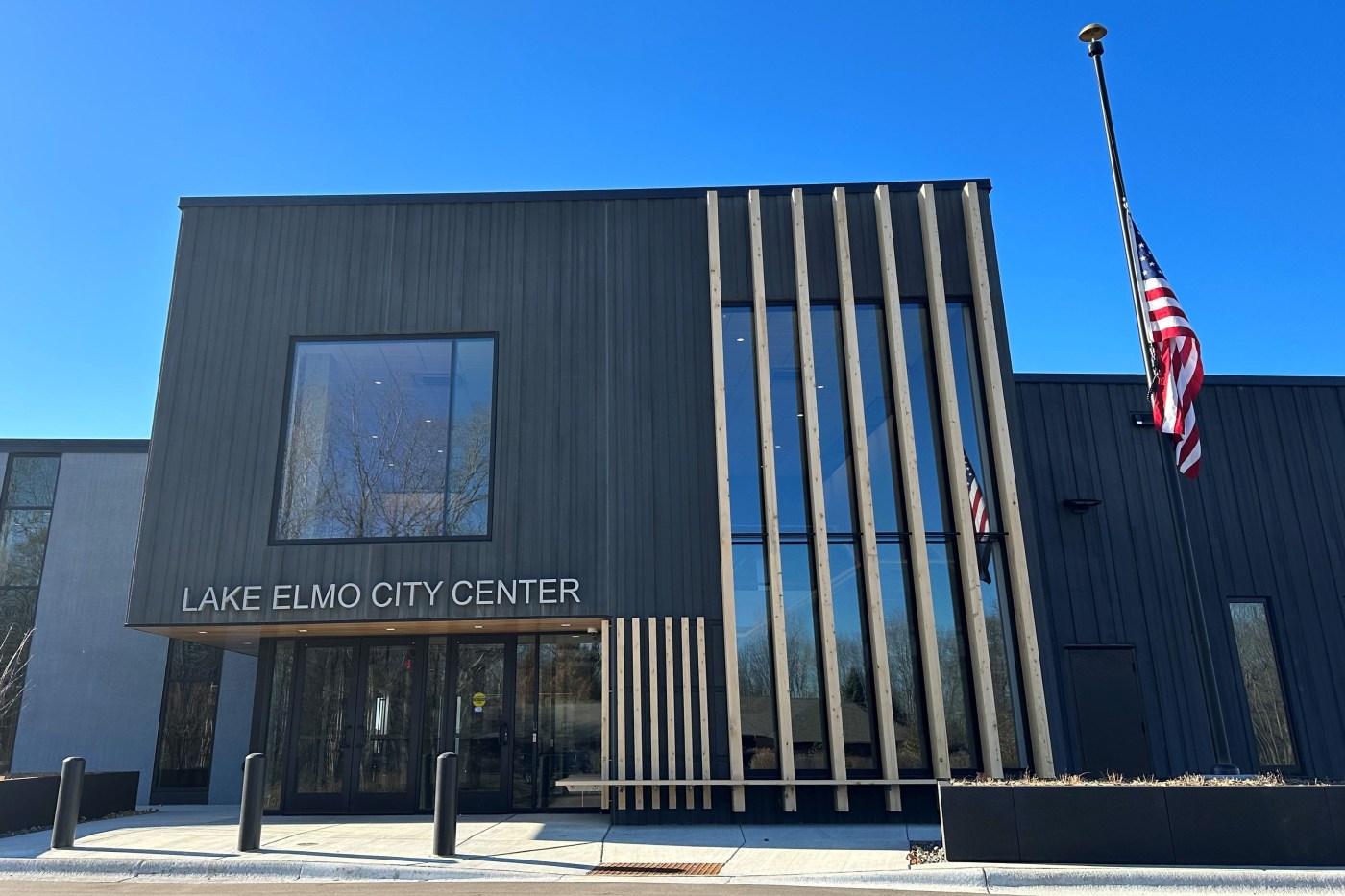
The Lake Elmo City Council has selected three finalists for the position of city administrator.

The three finalists are Renae Fry, former city administrator in North Branch, and former administrative coordinator in Sauk County, Wis.; Nicole Miller, assistant to the city manager at the City of St. Anthony Village; and John Young, tribal administrator of the Lac du Flambeau Tribe in Lac du Flambeau, Wis.

Final interviews for the position will be on April 9, said Clark Schroeder, the city’s interim city administrator.

A total of 25 applicants applied for the job. The advertised salary range is: $145,000-$165,000.

Kevin Brunner, the president of Public Administration Associates in Whitewater, Wis., is overseeing the search; the city is paying PAA $15,600 for their services.

Former Lake Elmo City Administrator Kristina Handt was let go in November. Handt is now interim administrator in Forest Lake.

Related Articles

Local News |


Mahtomedi: Officials investigating death of man found on sidewalk

Local News |


Q&A: Books For Africa founder Tom Warth marks 60-million milestone

Local News |


In day 3 of Apple River tubing murder trial, jurors see stabbing victims’ scars, hear from suspect’s ex-wife

Local News |


Ramsey and Washington County’s food scrap recycling program expands to more communities

Local News |


Stillwater teen’s mom, friend who recorded stabbing give emotional testimony in Nicolae Miu murder trial