Ramsey County names new director of Social Services Department

posted in: Society | 0

Ramsey County on Monday tapped a longtime social worker to head its Social Services Department.

Sophia Thompson, who has overseen its mental health division for three the past three years, will take over the department as director on July 1.

“Sophia has been a powerful member of our department for more than 15 years,” Deputy County Manager Kathy Hedin said in a news release. “Her hands-on experience working with underrepresented communities, her proven leadership skills at the county and her continued passion for this important work make her the ideal person to lead this department.”

Ramsey County Social Services Department Director Sophia Thompson (Courtesy of Ramsey County

Thompson first joined the department as a senior child protection worker in 2008. Last month, she received the Social Worker of the Year Award from the Minnesota chapter of the National Association of Social Workers.

Thompson earned her master’s degree in social work from the University of Minnesota.

Thompson replaces Michelle Basham, who resigned as director of Social Services in March after just four months in the job. Tina Curry, who leads the Public Health Career Pathways program, served as interim director.

The Social Services Department is the county’s largest, with a 2023 budget of $117.8 million and 683 full-time positions.

It administers a wide variety of programs, including mental health services, child protection, foster care, civil commitment, adult protection and chemical dependency services.

Related Articles

Local News |


Appeals court sides with city over planned demolition of Hamline-Midway Library

Local News |


Woman sentenced to 15 years for role in St. Paul New Year’s Eve shooting that critically injured boy, 10

Local News |


How to get a free gun lock in Ramsey County: Leaders highlight program amid concerns about suicide, domestic violence, kids and guns

Local News |


No arrests as police name Roseville man fatally shot last week in Payne-Phalen

Local News |


Top high school graduates for 2024

Inmate who died at Stillwater prison may have ingested synthetic drugs, officials say

posted in: Society | 0

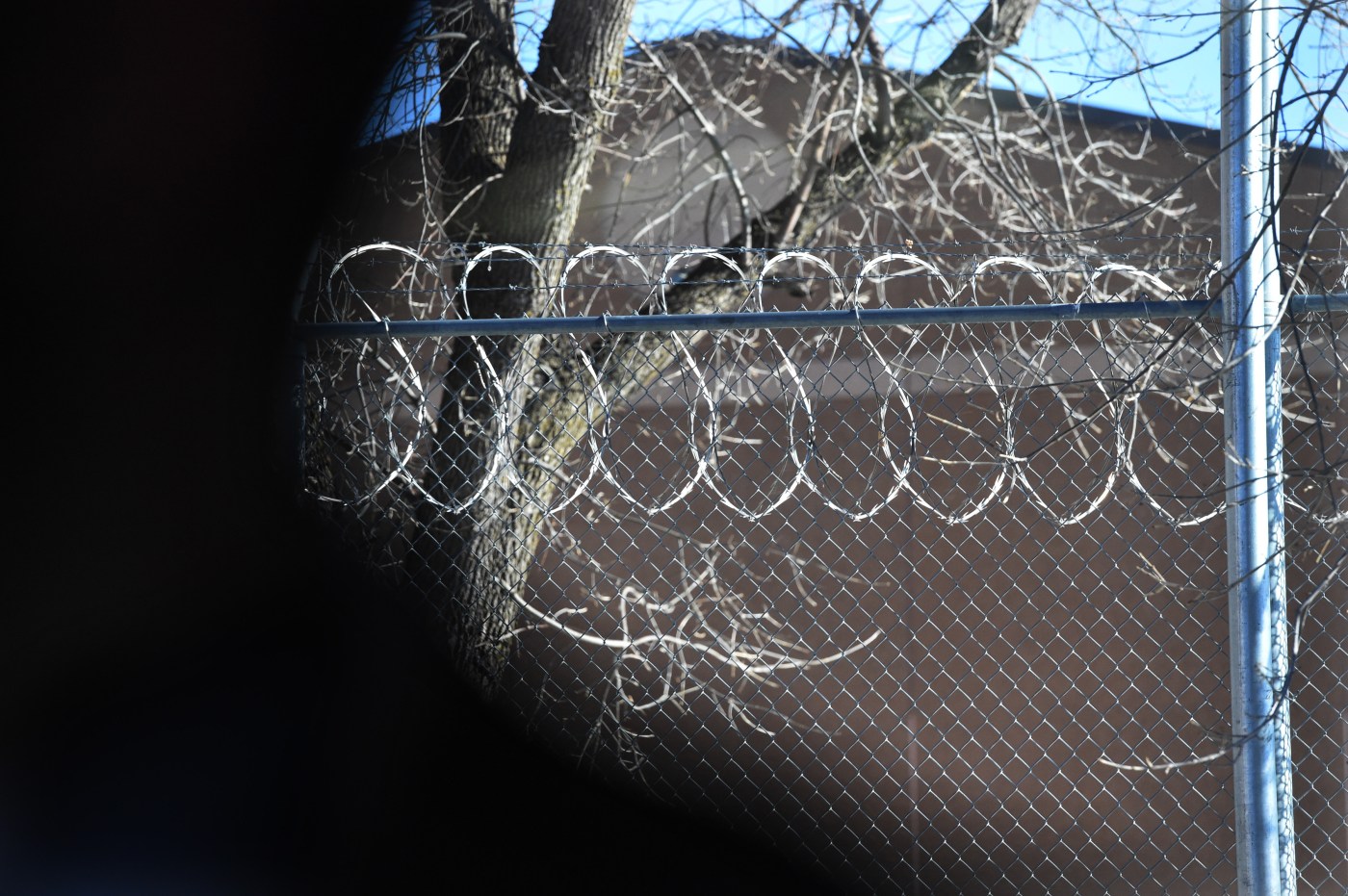
The inmate who died at Minnesota Correctional Facility — Stillwater over the weekend is believed to have ingested synthetic drugs.

Minnesota Department of Corrections officials identified the man as Dalmario Smith, 22, who was serving time for escape from custody and on a drive-by shooting charge.

Smith was found unresponsive in his cell around 3:30 a.m. Saturday. DOC staff initiated lifesaving efforts, officials said, but Smith was pronounced dead at 3:53 a.m.

The Ramsey County Medical Examiner’s Office conducted the autopsy, and DOC officials said a preliminary investigation shows no signs of foul play. Investigators, however, are looking into the “possible ingestion of suspected synthetic drugs” based on evidence found in Smith’s cell, officials said.

Synthetic drugs are a challenge for prisons in Minnesota and across the nation, according to the DOC. Because they can be infused into paper that enters facilities through the U.S. Postal Service, Stillwater prison staff recently began photocopying all incoming mail with the exception of legal mail that is protected by attorney-client privilege.

DOC Commissioner Paul Schnell said that he and the rest of the DOC staff extend their condolences to Smith’s family.

“If this death is determined to be drug-related, we will make every effort to determine who introduced and provided the substance for the purpose of pursuing prosecution to the fullest extent of the law,” Schnell said.

Related Articles

Crime & Public Safety |


Lake Elmo, Oakdale residents worried about PFAS contamination in private wells lobby for bottled water

Crime & Public Safety |


Sheletta Brundidge giving away free locks to keep kids with special needs safe after 4-year-old drowns in Hopkins

Crime & Public Safety |


Top high school graduates for 2024

Crime & Public Safety |


Stillwater baseball dad tries to turn pain of son’s fentanyl death into hope for others

Crime & Public Safety |


Afton readies for Fourth of July celebration; longtime Pioneer Press reporter is parade grand marshal

Alabama man pleads guilty to threatening Georgia prosecutor and sheriff over Trump election case

posted in: Politics | 0

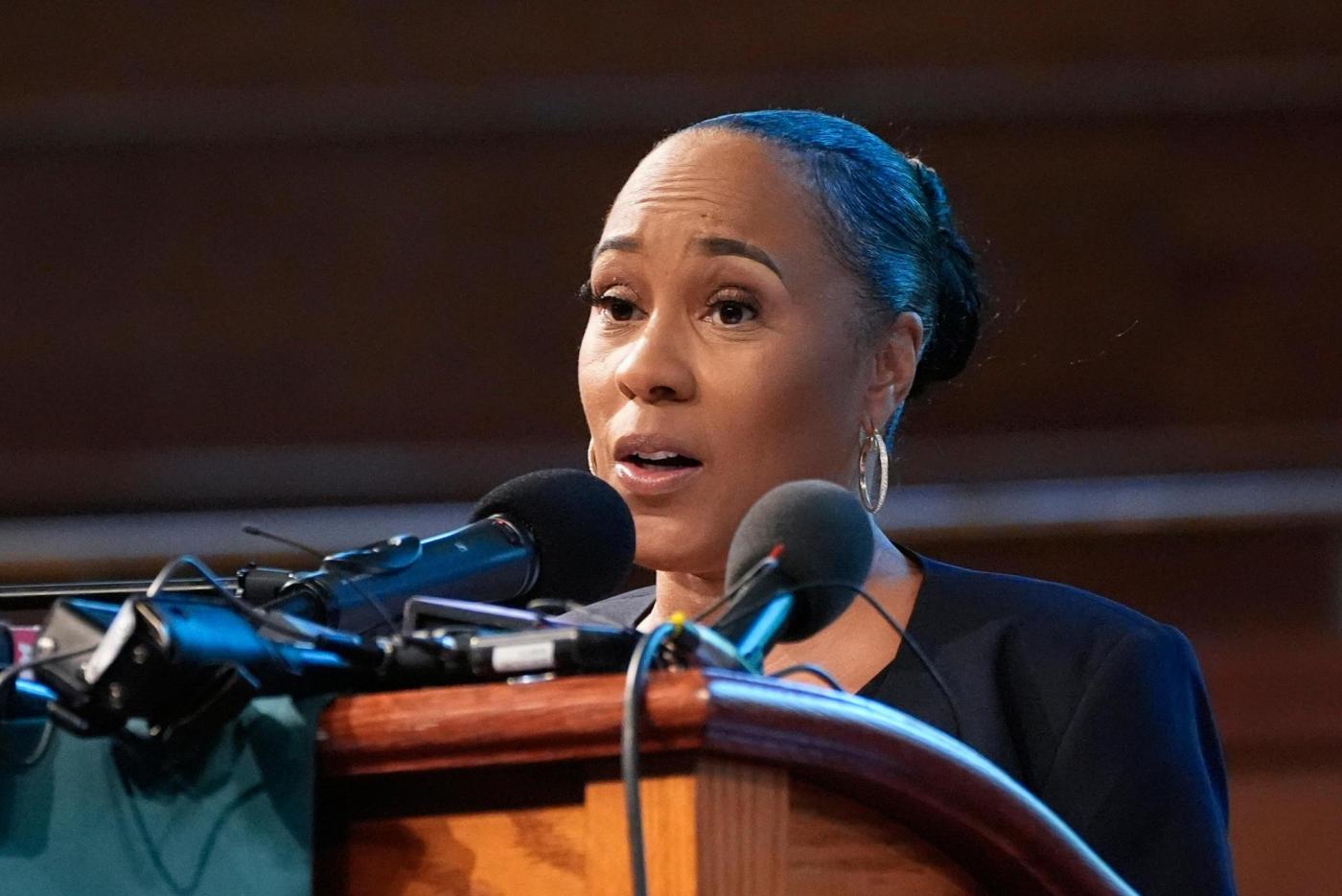
ATLANTA (AP) — An Alabama man pleaded guilty Tuesday to leaving threatening phone messages for Fulton County District Attorney Fani Willis and the county sheriff last summer because he was angry over the election-interference investigation into former President Donald Trump.

Arthur Ray Hanson II made the phone calls just over a week before Trump and 18 others were indicted in Fulton County on Aug. 14.

Hanson of Huntsville, Alabama, told a federal judge at his plea hearing Tuesday that he never meant harm to Willis, whose office is prosecuting Trump and the others, or to Sheriff Patrick Labat, whose staff booked the former president at the Fulton County jail and took his mug shot.

“I made a stupid phone call,” Hanson said in court. “I’m not a violent person.”

He will be sentenced at a later date, The Atlanta Journal-Constitution reported. Assistant U.S. Attorney Bret Hobson told the judge that prosecutors will seek leniency for Hanson because he took responsibility for his actions.

At the plea hearing, Hanson admitted to calling a Fulton County government customer service line on Aug. 6 and leaving voicemails for the prosecutor and the sheriff.

In one message, Hanson warned Willis: “When you charge Trump on that fourth indictment, anytime you’re alone, be looking over your shoulder.”

His message for Labat warned of consequences for taking a jail booking photo of Trump.

“If you take a mug shot of the president and you’re the reason it happened, some bad (expletive)’s gonna happen to you,” the voice message said, according to court records.

The indictment obtained by Willis’ office alleged a wide-ranging scheme by Trump and others to overturn the 2020 election results in Georgia. It was the fourth criminal case brought against the former president in a matter of months and had been widely anticipated.

The sheriff commented publicly beforehand that anyone indicted in the case would be booked according to normal procedures, including having a jail mug shot taken.

A federal grand jury indicted Hanson in October on charges of making interstate threats via phone.

Hanson told U.S. Magistrate Regina Cannon on Tuesday that he was angered by the investigation of Trump and made the phone calls hoping authorities would back down.

“I didn’t knowingly know I was threatening anybody,” he told the judge. “To me, it was a warning.”

Opinion: Let the Bronx Breathe—Address the Cross Bronx Expressway’s Impact on Asthma

posted in: News | 0

“It is heartbreaking for us to see our patients struggling to breathe, knowing that their environment plays a role in their suffering—a factor beyond their control.”

Adi Talwar

A view of Jerome Avenue with its elevated 4 train and the Cross Bronx Expressway from the Grand Concourse.

CityViews are readers’ opinions, not those of City Limits. Add your voice today!

Much of the media spotlight has focused on the adverse health consequences of climate change, but while well-documented, relatively less attention has been given to the negative health impacts of structural racism.

The effects of systemic racism have made citizens in the Bronx become prisoners of their own environment, affecting their health significantly. Last summer offered an extreme example of the dangers of venturing into open space when wildfires in Canada caused air pollutants in New York City to reach levels detrimental to human well-being.

For people living in the Bronx, this is a daily occurrence that is caused by their proximity to the Cross Bronx Expressway. The constant flow of traffic from the expressway exudes fumes that fill the air with toxins known to trigger and worsen respiratory conditions. It contributes to the unfortunate reality that the Bronx has the highest rate of asthma in the United States. As doctors deeply invested in the Bronx community, we feel compelled to raise our voices regarding the health consequences of the Cross Bronx Expressway, especially with respect to its contribution to asthma rates, and to find solutions.

Designed by urban planner Robert Moses, construction of the 6.2-mile, six-lane highway in the South Bronx destroyed many communities along its way. The Federal Interstate Highway Act of 1956 spearheaded the movement under the guise of connecting major American cities through a national interstate highway system. This gave Moses, who was also the chairman of the New York City Slum Clearance Committee, the green light to “go right through cities and not around them,” which also aided in his vision to “clear the slums.”

Although the aim was to connect communities, over 60,000 residents were displaced—the greatest number for any single infrastructure project in United States history—and it created physical barriers that divided communities. While many white residents fled, numerous Black and brown residents felt trapped due to redlining and housing policies that made relocation difficult. Bronx citizens bore the brunt of daily truck traffic and gas emissions that afflicted the borough’s air quality and led to increased asthma-related emergency department visits and hospitalizations that we still see today.

Research has shown that growing up near highways like the Cross Bronx Expressway is linked to poor lung development, increased asthma incidence, and more frequent asthma attacks. Amongst the pediatric population in the Bronx, asthma rates have been found to be as high as 17 percent, almost three times higher than rates nationally. It is heartbreaking for us to see our patients struggling to breathe, knowing that their environment plays a role in their suffering—a factor beyond their control. 

In addition to the effects of the Cross Bronx Expressway, the Bronx, the poorest borough that’s predominantly home to people of color, is at the highest risk for climate-related negative health impacts. This vulnerability is due to factors, such as limited access to air conditioning, poor housing conditions, and significantly lower tree coverage compared to other boroughs and neighborhoods. While there is an increasing emphasis on the social and structural determinants of health in medicine, there remains a lack of education on this subject. This leads our patients to accept their difficulty breathing as their “norm” and often causes them to blame themselves.

One of the first questions we ask patients when they present with an asthma exacerbation episode is what they think their trigger is. If their trigger is something out of their control, medications only serve as band aids rather than solutions. Asthma treatment guidelines can instruct us on how to escalate treatment, but they are of limited benefit if we do not consider the role of the environment and engage in these conversations with our patients.

There is hope on the horizon with the “Cap the Cross Bronx Expressway” initiative, which would build a cover on top of the below-ground level parts of the highway and turn them into parks. The project will also place filters capable of reducing small particulate matter from diesel exhaust within the parks. Covering or “capping” the below-ground sections of the expressway and building parks on the capped portions will reconnect communities and add green space in these areas that need it. Similar capping projects have previously been undertaken in Seattle, Washington, and Boston, Massachusetts, revitalizing the areas, producing vibrant and green pedestrian areas.

An analysis performed by researchers at Columbia University estimated that covering the Cross Bronx Expressway will save both money and lives for people in the Bronx by providing numerous health benefits. It has the potential to improve air quality and reduce harmful gas emissions, reclaim green space, and promote physical activity, such as biking or jogging. This project will give us an opportunity to alleviate the health hazards posed by this highway and undo some of the health inequities that resulted.

Achieving this goal of capping the Cross Bronx Expressway requires collective action and commitment from policymakers, community leaders, and residents. It necessitates prioritizing the health and well-being of our community over short-term convenience. We urge Bronx residents to become involved, voice their concerns, and advocate for solutions that prioritize health and equity. 

The Department of Transportation is currently conducting a study to make the capping project successful. It initiated community planning through public engagement in Spring 2023, with meetings planned for late spring/early summer 2024. We encourage everyone to sign up for the DOT’s newsletter and participate in these meetings by visiting the website nyc.gov/crossbronx or emailing crossbronx@dot.nyc.gov. 

Let us shift our perspective away from seeing the Cross Bronx Expressway as an unchangeable fate and instead delve into innovative solutions to foster community connections. Together, we can work to improve air quality, reduce environmental injustice, and promote health equity for Bronx residents. We can ensure that the Cap the Cross Bronx Expressway project aligns with the needs and aspirations of our community. It is not just about fixing roads—it is about making sure everyone in our community can breathe easy and live well.

Dr. Ananna Kazi, DO and Dr. Sarah Shidid, MD, are internal medicine resident physicians in the Bronx.