Appeals court sides with city over planned demolition of Hamline-Midway Library

posted in: News | 0

A state appeals court panel has affirmed the city of St. Paul’s decision that a more detailed environmental review is not needed to proceed with the demolition and rebuild of the historic Hamline-Midway Library.

In the 16-page ruling filed Monday, the panel of three judges agreed that an Environmental Impact Statement, or EIS, is not required and that the city’s decision is not “arbitrary and capricious or unsupported by substantial evidence,” as a coalition of neighborhood residents and historic preservationists contended.

The appeals court panel concluded the city took “a hard look” at the adverse impact of a demolition and “appropriately considered and reasonably” relied on mitigation measures recommended by the State Historic Preservation Office. The city also “genuinely engaged in reasoned decision-making,” the ruling said.

In a written statement, Mayor Melvin Carter said the appellate court’s decision “is a positive step forward … We remain committed to the vision of a modern, accessible, one-story Hamline-Midway Library that will benefit families and residents for generations to come.”

In a separate matter, a trial was held in Ramsey County District Court last month over a lawsuit filed by the coalition, Renovate 1558, against the city and St. Paul Public Library to stop demolition of the library, which was shuttered in May 2023. Judge Stephen Smith’s decision is expected before the end of the year.

Two years ago, when the city announced plans to demolish the library at building at 1558 W. Minnehaha Ave and build a new one on the site, the coalition objected. They successfully petitioned for the library, which was built in 1930, to be added to the National Register of Historic Places, and asked the state to require an environmental review of the project known as an Environmental Assessment Worksheet, or EAW.

The city was designated the responsible government unit to conduct the EAW review of its own plans, from stormwater and zoning to historic resources in and around the site. In September, following a 30-day public comment period, the city found that an EIS, which gives a more intense level of scrutiny, is not necessary.

“The record demonstrates that implementation of this Project does not have the potential for significant environmental effects, and that any adverse effects associated with this Project can be mitigated through ongoing public regulatory authority and permitting,” the city wrote in a notice of its decision.

The coalition then petitioned the court of appeals to review the city’s decision, arguing it failed to consider greenhouse-gas emissions associated with demolition, among other issues.

They challenged the city’s use of mitigation measures recommended by the State Historic Preservation Office (SHPO) — specifically, anticipated environmental impact on “historic resources” stemming from the project.

In its ruling, the appellate court wrote that for properties listed on the National Register of Historic Places, “there appears to be no more closely related state agency” than SHPO. “However, even assuming without deciding that SHPO itself is not an ‘ongoing public regulatory authority,’ the city is,” the ruling said.

The appeals court panel concluded that although the city did not include specific information in the EAW regarding greenhouse-gas emissions stemming from a demolition, the document outlined that the project as a whole would “work to implement any applicable state or local GHG goals as required.”

The appeals court panel said they are not convinced that the city took “the path of least resistance to demolish the library.”

“Instead, the record reflects that, as required by (the Minnesota Environmental Policy Act), the city appropriately considered the factors outlined under (state statute) to determine that the decided-upon project would not have the potential for significant environmental effects,” the ruling said.

Tom Goldstein, a spokesman for the preservation group and one of its co-founders, said he’s not surprised by appellate court’s decision, “as the standard of review is generally deferential to a city’s conclusion on the necessity of an EIS for a project like the proposed Hamline Library rebuild/renovation.”

However, he said had they not pursued an appeal, it might have “negatively impacted our ability to bring forward” their lawsuit that claims the city of St. Paul and the St. Paul Public Library would violate the Minnesota Environmental Rights Act with a demolition of the library.

Related Articles

News |


Woman sentenced to 15 years for role in St. Paul New Year’s Eve shooting that critically injured boy, 10

News |


How to get a free gun lock in Ramsey County: Leaders highlight program amid concerns about suicide, domestic violence, kids and guns

News |


No arrests as police name Roseville man fatally shot last week in Payne-Phalen

News |


Schlossman: Why the NCHC expedited St. Thomas’ application

News |


St. Paul city planners weigh ban on new restaurant drive-thrus

3 more states could see marijuana legalization on November ballots

posted in: News | 0

Robbie Sequeira | (TNS) Stateline.org

Nebraskan Crista Eggers is running up against a July 3 deadline. If she can get at least 87,000 names onto each of two petitions before then, she can put an initiative on the state’s November ballot that would legalize pot for medicinal purposes.

The petition effort is personal. Her 9-year-old son, Colton, has epilepsy and severe seizures, and medicinal cannabis can be prescribed to treat such conditions.

“I’m a caregiver to a child that needs medical cannabis access. Ninety-five percent of our people collecting [signatures] are Nebraskans who know someone who needs access and needs this issue on the ballot,” said Eggers, an Omaha resident and the campaign manager for Nebraskans for Medical Marijuana.

If the group is successful, Nebraska will join Florida and South Dakota in asking voters this fall whether to legalize some marijuana use. In Florida and South Dakota, where medical marijuana is already allowed, voters will be asked to legalize adult recreational use.

Thirty-eight states and the District of Columbia allow the medical use of cannabis products, and 24 plus the District of Columbia allow adults to use it recreationally, according to the National Conference of State Legislatures. Cannabis is still illegal under federal law, but 74% of Americans now live in a state where marijuana is legal for either recreational or medical use according to the Pew Research Center, and 54% live in a place where it is legal for recreational use.

Many states, especially left-leaning ones, have legalized marijuana through legislation, but “there are some states where the state legislators still don’t want to touch this issue of cannabis legislation, particularly in more conservative parts of the country,” said Beau Kilmer, co-director of the RAND Drug Policy Research Center.

“That’s why it’s not a surprise when cannabis issues go through the ballot initiative process,” Kilmer said.

In Kansas, where legislative efforts to legalize marijuana have repeatedly foundered since 2021, conservative legislators again this session blocked a measure to legalize medicinal use, with one Republican lawmaker, state Sen. Mike Thompson, saying the substance could “cause more suicides and human misery,” according to the Kansas City Star.

Kansas is one of the 24 states that don’t allow citizen-initiated ballot measures.

But the destigmatizing of marijuana use has advanced so far that even some conservative states have legalized it through legislative action: Since 2020, four of the five states to legalize cannabis for medicinal purposes — AlabamaKentuckyMississippi and Virginia— have done so through the legislature.

Making it to the ballot

Nebraska is one of only three states — Idaho and Kansas are the others — where marijuana and all cannabis products, including CBD products, are illegal.

Nebraska legislators have shown little interest in changing course, Eggers said.

To circumvent that legislative opposition, she needs signatures from 7% of the state’s 1.2 million voters to put the question on the ballot. She also needs signatures from 5% of registered voters from at least 38 of Nebraska’s 93 counties. Along with Eggers, some 25 paid staff and 200 volunteers are helping with the effort.

Eggers and her group came close to getting a cannabis measure on the ballot in 2020, after collecting 200,000 signatures. However, the state’s Supreme Court invalidated the measure, saying that the petition violated the state’s single-subject rule for ballot initiatives.

The Supreme Court ruled that the petition would have required changes in several state laws, including those regarding possession, public use and insurance coverage.

A second attempt in 2022 was gathering steam when a major donor died in a plane crash that year.

“A lot of money goes into collecting signatures, from filling up people’s gas so they can go county to county, printing petitions and the amount of manpower that goes into gathering signatures,” Eggers said. “The issue isn’t support. We have the support. It has truly come down to not having funding to hire people to help towards signature collection.”

Recreational cannabis

Last year, three states legalized pot recreationally. Voters in Ohio, a red state, approved a ballot measure, while lawmakers in the blue states of Delaware and Minnesota passed legislation.

In all, 13 states plus the District of Columbia have legalized marijuana legislatively.

The ballot initiative in Florida, which requires a supermajority of 60% to pass, is being backed by John Morgan, a lawyer and Democratic fundraiser who supported the successful 2016 effort to legalize medical marijuana with more than $8 million of his own money.

Florida Republican Gov. Ron DeSantis opposes the measure. So do some in the state’s medical marijuana industry. Nick Garulay, CEO of My Florida Green, said he worries that legalizing recreational marijuana could bring more competition, and could make it “hard to separate those who want to use it recreationally from those who are sick and rely on cannabis for medication.”

Rob Mikos, a professor at Vanderbilt University Law School and an expert on drug law, agreed that in some cases, the passage of recreational cannabis can lead to a decline in medical cannabis patients.

But there isn’t enough data to definitively say how adult-use recreational cannabis has affected the medical market in the places that have legalized both medical and recreational cannabis, he said.

For Eggers, the month of June is crucial. As of June 10, she had about 65,000 signatures on each petition, about 30,000 short of the total she expects to need for each.

“We know this can get done, but there’s definitely an urgency over the next few weeks,” she said.

“I call our campaign horrifically beautiful,” Eggers said. “It’s horrific we’ve been at this for such a long time for suffering Nebraskans. But beautiful because we’ve found support in almost all corners of the state.”

Stateline is part of States Newsroom, a national nonprofit news organization focused on state policy.

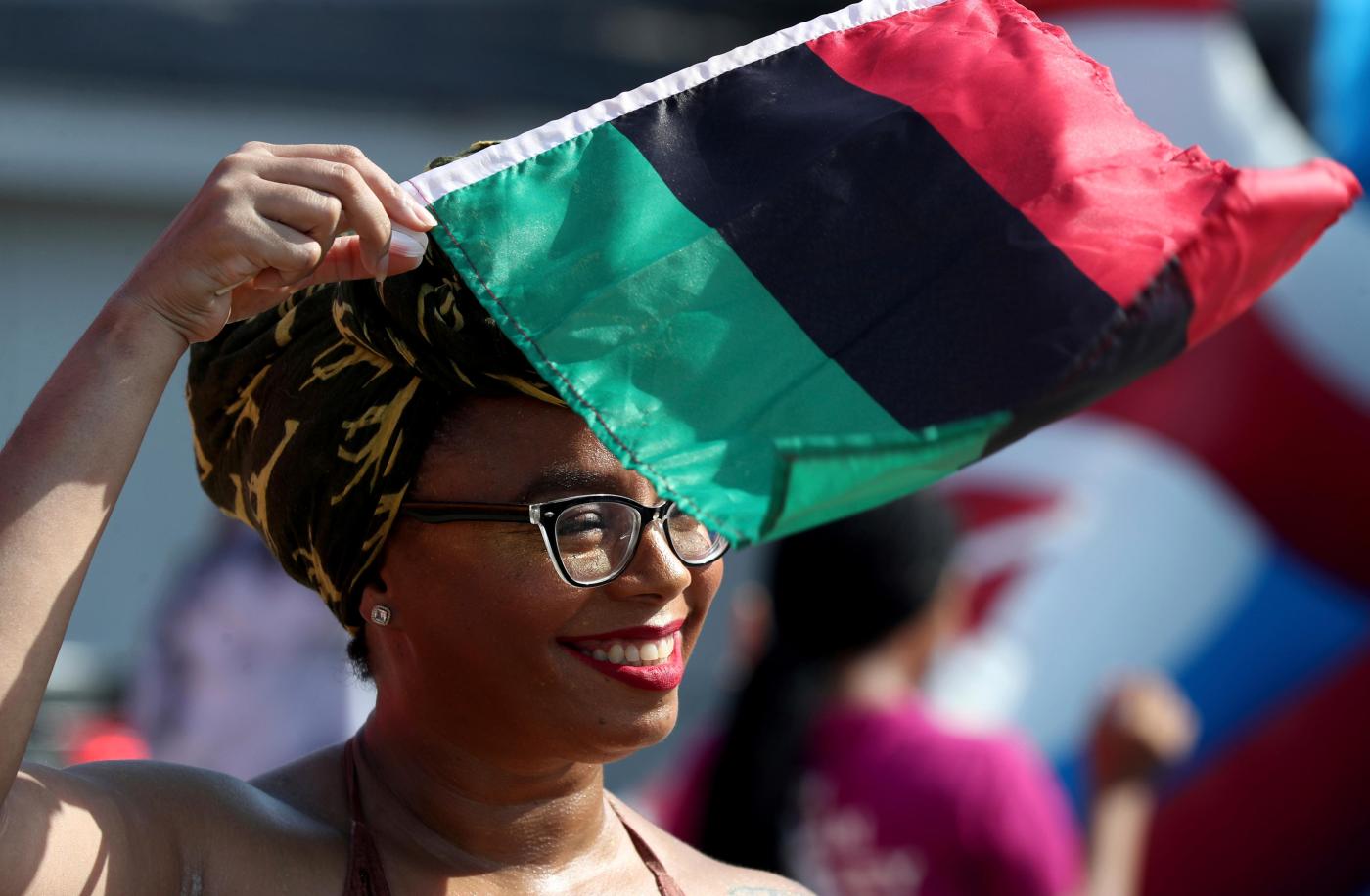
The beginners guide to celebrating Juneteenth

posted in: Society | 0

By TERRY TANG (Associated Press)

For more than one-and-a-half centuries, the Juneteenth holiday has been sacred to many Black communities.

It marks the day in 1865 enslaved people in Galveston, Texas found out they had been freed — after the end of the Civil War, and two years after President Abraham Lincoln’s Emancipation Proclamation.

Since it was designated a federal holiday in 2021, Juneteenth has become more universally recognized beyond Black America. Many people get the day off work or school, and there are a plethora of street festivals, fairs, concerts and other events.

People who never gave the June 19 holiday more than a passing thought may be asking themselves, is there a “right” way to celebrate Juneteenth?

For beginners and those brushing up on history, here are some answers:

Is Juneteenth a solemn day of remembrance or more of a party?

It just depends on what you want. Juneteenth festivities are rooted in cookouts and barbecues. In the beginnings of the holiday celebrated as Black Americans’ true Independence Day, the outdoors allowed for large, raucous reunions among formerly enslaved family, many of whom had been separated. The gatherings were especially revolutionary because they were free of restrictive measures, known as “Black Codes,” enforced in Confederate states, controlling whether liberated slaves could vote, buy property, gather for worship and other aspects of daily life.

Last week, the White House kicked things off early with a concert on the South Lawn for Juneteenth and Black Music Month. Singers Gladys Knight and Patti LaBelle were among the the lineup of well-known artists from gospel, rap, jazz and other genres. The atmosphere was primarily festive with Vice President Kamala Harris, the first Black vice president, dancing on stage with gospel singer Kirk Franklin.

“Today as we celebrate Juneteenth, together we are reminded of the promise of America,” Harris said in opening remarks. “A promise of freedom, liberty and opportunity, not for some but for all. In many ways the story of Juneteenth and of our nation is a story of our ongoing fight to realize that promise.”

Others may choose to treat Juneteenth as a day of rest and remembrance. That can mean doing community service, attending an education panel or taking time off.

The important thing is to make people feel they have options on how to observe the occasion, said Dr. David Anderson, a Black pastor and CEO of Gracism Global, a consulting firm helping leaders navigate conversations bridging divides across race and culture.

“Just like the Martin Luther King holiday, we say it’s a day of service and a lot of people will do things. There are a lot of other people who are just ‘I appreciate Dr. King, I’ll watch what’s on the television, and I’m gonna rest,’” Anderson said. “I don’t want to make people feel guilty about that. What I want to do is give everyday people a choice.”

What if you’ve never celebrated Juneteenth?

Anderson never did anything on Juneteenth in his youth. He didn’t learn about it until his 30s.

“I think many folks haven’t known about it — who are even my color as an African American male. Even if you heard about it and knew about it, you didn’t celebrate it,” Anderson said. “It was like just a part of history. It wasn’t a celebration of history.”

For many African Americans, the farther away from Texas that they grew up increased the likelihood they didn’t have big Juneteenth celebrations regularly. In the South, the day can vary based on when word of Emancipation reached each state.

What kind of public Juneteenth events are going on around the country?

Search online and you will find a smorgasbord of gatherings in major cities and suburbs all varying in scope and tone. Some are more carnival-esque festivals with food trucks, arts and crafts and parades. Within those festivals, you’ll likely find access to professionals in health care, finance and community resources. There also are concerts and fashion shows to highlight Black excellence and creativity. For those who want to look back, plenty of organizations and universities host panels to remind people of Juneteenth’s history.

For the first time since Juneteenth was federally recognized, the National Park Service is making entry into all sites free on the holiday. Several parks will be hosting Juneteenth commemorations this week.

Are there special foods served on Juneteenth?

Aside from barbecue, the color red has been a through line for Juneteenth food for generations. Red symbolizes the bloodshed and sacrifice of enslaved ancestors. A Juneteenth menu might incorporate items like barbecued ribs or other red meat, watermelon and red velvet cake. Drinks like fruit punch and red Kool-Aid may make an appearance at the table.

Does how you celebrate Juneteenth matter if you aren’t Black?

Dr. Karida Brown, a sociology professor at Emory University whose research focuses on race, said there’s no reason to feel awkward about wanting to recognize Juneteenth just because you have no personal ties or you’re not Black. In fact, embrace it.

“I would reframe that and challenge my non-Black folks who want to lean into Juneteenth and celebrate,” Brown said. “It absolutely is your history. It absolutely is a part of your experience. … Isn’t this all of our history? The good, the bad, the ugly, the story of emancipation and freedom for your Black brothers and sisters under the Constitution of the law.”

If you want to bring some authenticity to your recognition of Juneteenth, educate yourself. Attending a street festival or patronizing a Black-owned business is a good start but it also would be good to “make your mind better,” Anderson said.

“That goes longer than a celebration,” Anderson said. “I think Black people need to do it too because it’s new for us as well, in America. But for non-Black people, if they could read on this topic and read on Black history beyond Martin Luther King and Rosa Parks, that would show me that you’re really serious about growing in this area.”

If you’re struggling with how to “ethically” mark the day, Brown also suggested expanding your knowledge of why the holiday matters so much. That can be through reading, attending an event or going to an African American history museum if there’s one nearby.

“Have that full human experience of seeing yourself in and through the eyes of others, even if that’s not your own lived experience,” she said. “That is a radical human act that is awesome and should be encouraged and celebrated.”

What are other names used to refer to Juneteenth?

Over the decades, Juneteenth has also been called Freedom Day, Emancipation Day, Black Fourth of July and second Independence Day among others.

“Because 1776, Fourth of July, where we’re celebrating freedom and liberty and all of that, that did not include my descendants,” Brown said. “Black people in America were still enslaved. So that that holiday always comes with a bittersweet tinge to it.”

Is there a proper Juneteenth greeting?

It’s typical to wish people a “Happy Juneteenth” or “Happy Teenth,” according to Alan Freeman, a comedian organizing a Juneteenth comedy festival in Galveston, Texas for the second straight year.

“You know how at Christmas people will say ‘Merry Christmas’ to each other and not even know each other?” Freeman said. “You can get a ‘Merry Christmas’ from everybody. This is the same way.”

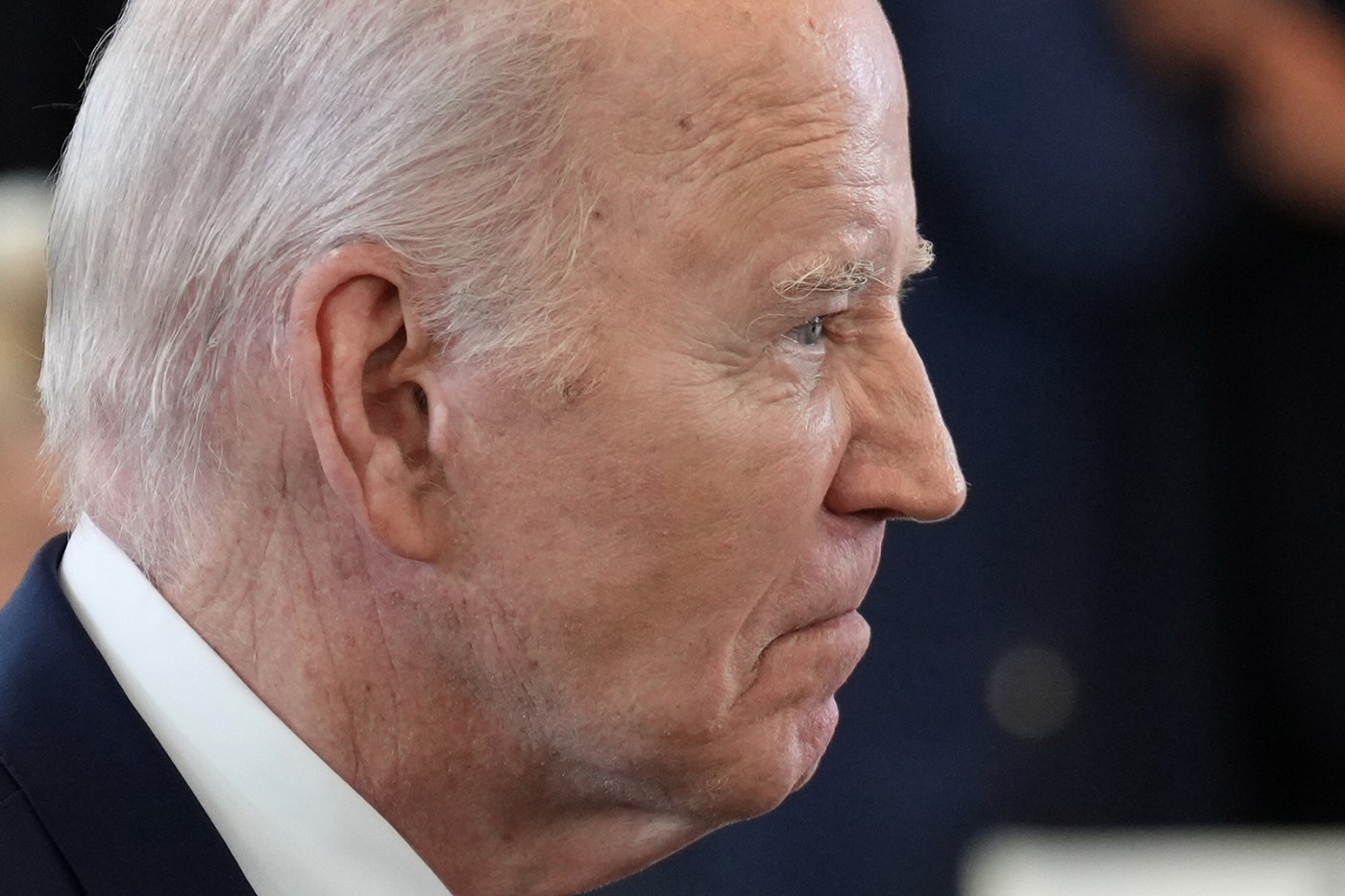
Democrats hail Biden immigration moves that Trump brands ‘amnesty’

posted in: Politics | 0

John T. Bennett, Niels Lesniewski | (TNS) CQ-Roll Call

WASHINGTON — The Biden administration announced a new program aimed at helping some migrant families to stay together by allowing noncitizen spouses and children to apply for lawful permanent residence without leaving the country — and Donald Trump and other top Republicans already are crying foul.

The administration also said some recipients of deferred action and other so-called “Dreamers” would be able to more swiftly get work visas if they have earned a college degree at an accredited U.S. institution and received an offer of employment from a U.S. employer in a field related to their degree.

“These actions will promote family unity and strengthen our economy, providing a significant benefit to the country and helping U.S. citizens and their noncitizen family members stay together,” a senior administration official said. “It is in our national interest to ensure that individuals who are educated in the U.S. are able to use their skills and education to benefit our country.”

The new process is expected to be “open by the end of the summer,” the official added.

A fact sheet released by the administration said the moves would “facilitate the employment visa process for those who have graduated from college and have a high-skilled job offer, including DACA recipients and other Dreamers.”

The action comes after President Joe Biden was criticized by some Democrats for issuing an order on June 4 that would limit migrants’ asylum claims at the U.S.-Mexico border and allow immigration officials to swiftly deport individuals who illegally enter the United States. Republicans called the move too little, too late, or said it was motivated solely by election year politics.

In contrast, advocates for immigrant families were already praising the White House’s plans ahead of an event at the White House on Tuesday.

“Through his actions, President Biden is helping half a million non-citizen spouses and step-children of Americans to remain with their families, including many from Asia and the Pacific Islands who have lived here for years. Easing visa processes for Dreamers will cut red tape and allow young people to secure a job of their choice and contribute to our communities and economy,” Rep. Judy Chu, D-Calif., the chair of the Congressional Asian Pacific American Caucus, said in a statement.

Rep. Sylvia R. Garcia, D-Texas, said in a statement that with the move, the administration “reaffirms its commitment to the immigrant community.”

“An estimated 55,000 immigrants in the Houston area are married to U.S. citizens and many of them will now be able to live, work and raise a family without the fear of deportation,” she said. “Additionally, providing work opportunities to some of the 270,000 Texans who are undocumented Dreamers and considered high-skilled workers will be a huge step forward.”

Republican critics, however, blasted the move even before the White House formally announced it.

“Biden is preparing to give MASS AMNESTY to hundreds of thousands of illegal aliens! This is unsustainable and can’t be allowed to continue! On day one, we will SHUT DOWN THE BORDER and start deporting millions of Biden’s Illegal Criminals,” Trump, the presumed Republican presidential nominee, wrote Monday on his social media site. “We will once again put AMERICANS First and MAKE AMERICA SAFE AGAIN!”

Sen. John Cornyn of Texas, a Judiciary Committee member and candidate for Senate Republican leader in the next Congress, accused Biden of playing election year politics.

“This is what the Border Patrol calls a pull factor. It’s like a magnet, attracting people into the United States who know that if they wait long enough, President Biden will find some way to allow them to stay in the United States, even though they circumvent legal means of coming into the country,” Cornyn said in a statement.

“Now, I don’t think anybody is fooled by President Biden’s sudden interest in what’s happening at the southern border,” Cornyn added. “This is a last-ditch attempt to turn down the heat on the border crisis in the lead up to the election, and the American people aren’t buying it.”

___

©2024 CQ-Roll Call, Inc., All Rights Reserved. Visit cqrollcall.com. Distributed by Tribune Content Agency, LLC.