How Republicans helped shape gay activism in America

posted in: Society | 0

Mary C. Curtis | (TNS) CQ-Roll Call

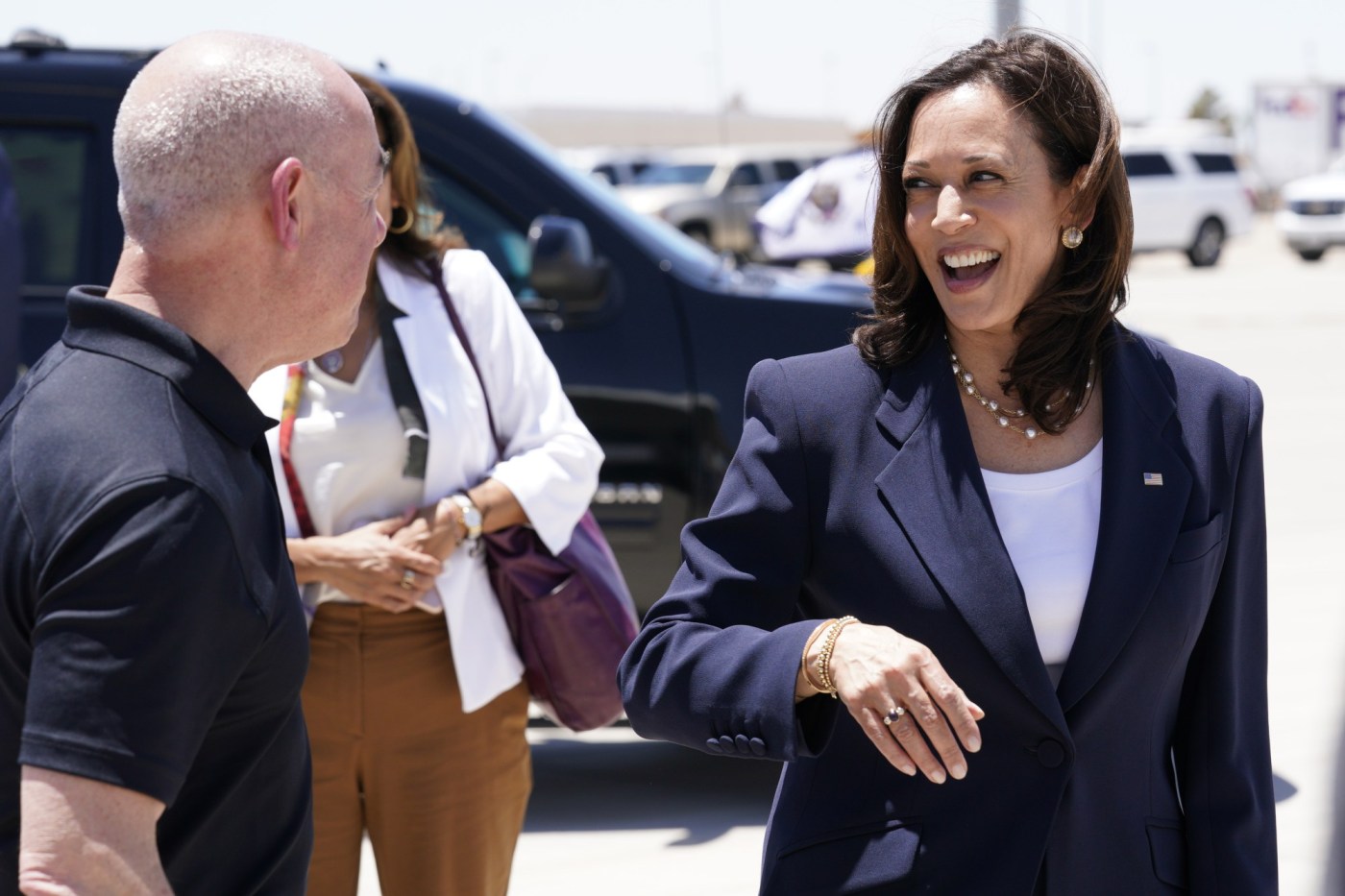
WASHINGTON — When it comes to the political history of gay rights in the United States, a lot of people think they have it figured out.

They assume “one party is wholly committed to LGBTQ rights, and the other is completely opposed. And it’s understandable why a lot of Americans think that way,” says historian Neil J. Young.

But it’s not that simple, Young says. In his recent book, “Coming Out Republican: A History of the Gay Right,” he traces a more complex path from the 1950s to the present day.

Young joined “Equal Time” this month to discuss some of the conservatives who stayed true to their values while working toward same-sex marriage and the end of policies like “don’t ask, don’t tell.” The excerpt below has been condensed and edited. For more, listen to the full podcast.

Q: What did early gay rights activism look like before the Stonewall demonstrations in 1969?

A: I begin my book in the Cold War era, the Lavender Scare, which was when both political parties were really committed to rooting out homosexuals from the federal government and making life difficult for gay persons in this country.

I was surprised to discover that there was an activism among a handful of gay conservatives that’s really important to the advancement of a gay rights movement — or at the time, it was known as the homophile movement.

This story has been told mostly from the left, focusing on folks like Harry Hay, who was the leader of the Mattachine Society. But Dorr Legg and other right-of-center gay men, they were making arguments about limiting federal power, constraining the government, as the pathway to freedom for homosexuals.

Q: Who were some other key gay conservatives?

A: Someone I didn’t know that much about, but is a very important character in the book, is Leonard Matlovich. He was an Air Force sergeant, served three tours of duty in Vietnam, was awarded the Bronze Star and the Purple Heart and was seriously injured in combat. He came out of the closet in 1975, and he did this in order to challenge the military’s ban against gay servicepersons.

He teamed up with Frank Kameny, who was a very prominent gay rights activist who was challenging the ban. And Leonard Matlovich was in a lot of ways the perfect poster boy, because he was good-looking, he was really masculine, he was from the South and he had all those military honors.

Kameny thought it was important to show that this isn’t some hippie radical who’s trying to revolutionize American society and destroy the American military. This is a conservative Republican, and he is just fighting for the right to die for his country.

And of course, he doesn’t win his legal battle against the military. But he sets in motion a history that takes several decades to resolve and ultimately leads to the end of “don’t ask, don’t tell.”

Q: What were some of the conflicts over tactics and priorities back then?

A: The gay Republican organizations I was looking at, they were all absolutely committed to defeating the Briggs Initiative, or Proposition 6, that’s put on the ballot in 1978 and would have made it illegal for any gay person in the state of California to work in the public school system.

But then after that, what’s next? What are we existing for? One of the ongoing debates was this question of, “Am I a gay Republican, or a Republican gay?”

The group that said they were Republican gays, or Republicans who happened to be gay, were much more conservative in their politics, and they didn’t believe in the notion of gay rights. They said, “That’s not something the federal government can grant me. I just want to be left alone.”

And that’s a conservative principle, right? Stay out of my bedroom, stay out of my wallet, stay out of my business. So they opposed any laws on the books that actively discriminated and they wanted to work to eliminate those laws, but they didn’t want any sort of granting of rights, and they didn’t want any sort of identity-based politics tied to their sexual identity.

Q: Many look at the Ronald Reagan years, and the reaction to HIV/AIDS, as an inflection point.

A: A more tolerant attitude was actually beginning to develop in the nation around homosexuality in the early ’80s. That was almost completely wiped away because of the HIV/AIDS crisis and the way that folks like Pat Buchanan and Gary Bauer, these hard-right conservatives within the Reagan administration, really pumped up a homophobic politics based on fears about the disease, to push back against the gay rights movement more broadly.

And so gay Republicans were caught in the crosshairs of that. They had been huge defenders of Reagan, they were big admirers of him both in ’80 and ’84, but by the late ’80s and into the 1990s, a lot of them who were still living were incredibly disillusioned with the Republican Party.

Q: In the 2000s, the marriage equality movement went from divisive to generally accepted.

A: We saw public attitudes changing so quickly, in such a short period of time. One of the things I found fascinating was that gay conservatives, or the larger terrain of gay men on the right — [including] libertarians and classical liberals and other folks who don’t necessarily even identify with a conservative label — were really fundamental in developing the intellectual argument for same-sex marriage. I’m thinking about people like Andrew Sullivan and Bruce Bawer and Jonathan Rauch.

They were talking about the right to same-sex marriage far before any gay Democrat was. They helped move the needle among enough independents and enough Republicans to make this a consensus position in the nation, and this was their strategy all along.

Q: How is the gay conservative movement evolving now, when we see most Republicans adjusting in the image of Donald Trump?

A: When I was finishing the book to go to press, this was when the “Don’t Say Gay” stuff was happening in my home state of Florida and was spreading across the nation. And gay Republicans have been in a lot of ways big supporters of Ron DeSantis on this, because they believe that it’s very specific, targeted legislation that only has to do with underage children. So I [asked people], “OK, maybe that’s the case for this particular legislation, but are you at all worried about where this is headed? Do you think this is the opening wedge of a broader assault on LGBTQ rights, including same-sex marriage?”

And all of them said, “No, no, no. Marriage is completely safe and protected. It’s written in stone.”

We have to secure progress through ongoing action, not taking it for granted and assuming that it’s just written in stone and can never be overturned. I mean, the Dobbs [decision overturning abortion rights] is a great example of this, and hopefully there won’t be more to come.

___

©2024 CQ-Roll Call, Inc., All Rights Reserved. Visit cqrollcall.com. Distributed by Tribune Content Agency, LLC.
Stephen Nedoroscik waited his whole life for one routine. The US pommel horse specialist nailed it

posted in: News | 0

By WILL GRAVES AP National Writer

PARIS (AP) — Sam Mikulak pulled Stephen Nedoroscik close and tasked the American pommel horse specialist with the impossible.

The U.S. men’s gymnastics team’s first Olympic medal in 16 years a solitary routine away, Mikulak told the pommel horse specialist that he didn’t need to go all out. That 80% would be good enough, even though Mikulak knew full well that Nedoroscik never does anything — from his sport to solving a Rubik’s Cube — at 80%.

“You have to trick yourself,” said Mikulak, a three-time Olympian turned coach. “You’ve got to make sure you don’t let all the noise get into your head.”

That usually isn’t a problem for the 25-year-old from Worcester, Massachusetts. It takes a certain type of single-mindedness to make the choices Nedoroscik has made for the last decade, when he essentially decided to dedicate himself to a single pursuit, focusing on an event that has long been a weakness for the U.S. men’s national team program.

Yes, there is monotony involved. How could there not be?

“I don’t know how I don’t lose my mind,” Nedoroscik said before the Games. “But every day I go into the gym and there’s still something to do. There’s still something to improve.”

Not anymore.

Stephen Nedoroscik, of United States, gets a hug from Paul Juda after last rotation during the men’s artistic gymnastics team finals round at Bercy Arena at the 2024 Summer Olympics, Monday, July 29, 2024, in Paris, France. (AP Photo/Abbie Parr)

Proving a point

He drilled his set during qualifying on Saturday to earn a spot on the event finals later in the Games. But Monday night, things were different. Teammates Frederick Richard, Brody Malone, Paul Juda and Asher Hong had put together 17 straight routines without a miss, putting the Americans in position to reach the medal stand for the first time since 2008 in Beijing.

While Nedoroscik had some wiggle room — the U.S. had a fairly healthy lead after Juda and Malone hit their sets before Nedoroscik saluted the judges — he also didn’t want to merely hold on. He wanted to prove a point.

Not just to himself, but to those who wondered if he deserved to be there in the first place.

What followed were 45 seconds of sublime brilliance, with Nedoroscik’s hands traveling from one end of the horse to the other, his legs swooping this way, then that.

A few feet away, his four teammates — and the sizable contingent of US fans inside Bercy Arena — roared as a medal that seemed distant for a program that had finished a distant fifth in each of its last three trips under the rings — drew closer.

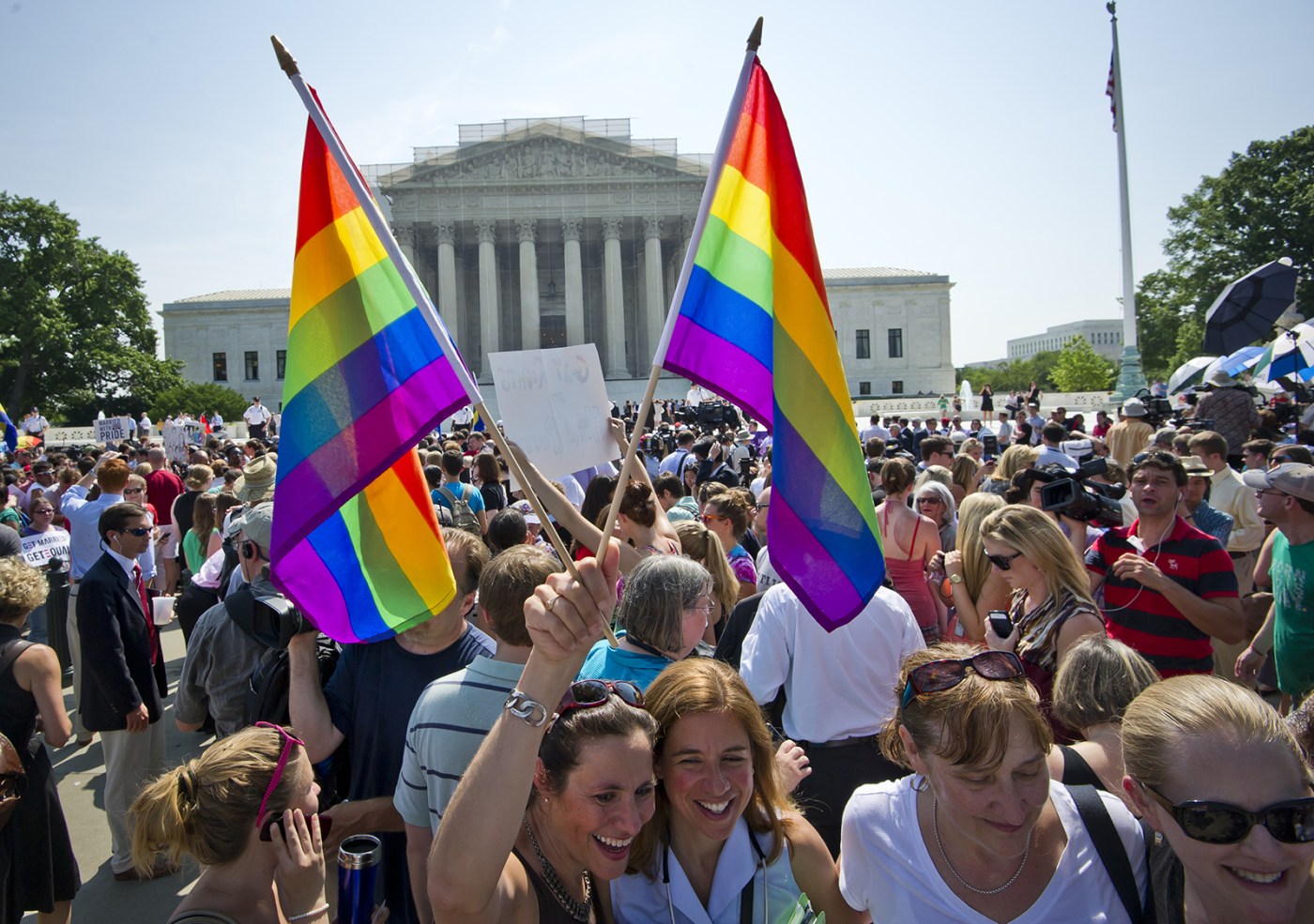
By the time Nedoroscik neared his dismount, he knew his job was complete. The celebration began before his feet even hit the mat.

All those years, all those reps, both physical and mental, all the difficult times when he wondered whether to keep going, all the quirks he’s developed along the way — from the non-prescription goggles he sometimes rocks to the chef’s kiss to the camera he occasionally makes — led up to that moment.

And he did not miss, delivering “the exclamation point” with a 14.866 to finish off a performance the U.S. men’s program hopes provides serious momentum heading into the 2028 Games in Los Angeles.

“I kind of in that moment was like, ‘All right, let’s run it back and let’s go out there and do our thing,’” Nedoroscik said.

Filling a critical gap

A “thing” that has long been a sore spot for the U.S. in major international competition. The 2012 Olympic team topped qualifying. Then they led off on pommel horse in the finals and saw their medal hopes vanish one mistake at a time.

Related Articles

Olympics |


Simone Biles, Team USA take aim at gold in women’s gymnastics team final

Olympics |


Here’s what to know about Seine River water quality during the Paris Olympics

Olympics |


French police investigating abuse targeting Olympic opening ceremony DJ over ‘Last Supper’ scene

Olympics |


Paris Olympics brings out hoses and misters to cool down fans during heat wave

Olympics |


Simone Biles has redefined her sport — and its vocabulary. A look at the skills bearing her name

Nedoroscik understood the history. It’s one of the reasons he gravitated toward pommels. Another is the fact that it requires many things — stamina, strength and creativity chief among them — that he has in spades, particularly that last one.

He describes himself as a “late bloomer” on the event. Those early struggles only helped him press forward.

“Running into trouble on the apparatus early on taught me how to fight, how to stay on, how to really go for that routine,” he said. “And I think that that has stuck with me throughout.”

Unlike other events, which are painstakingly laid out and practiced on end for months if not years, pommel horse allows gymnasts to color outside the lines and make things up as they go on. Miss an element here? Well, maybe you can make it up trying something else later in the routine.

He says the end result is the feeling of “flying through the air,” though it’s more akin to levitation.

More work to be done

Nedoroscik will soar into the event finals Saturday with a chance to put another medal in his carry-on before he heads home. His 15.200 qualifying score tied Ireland’s Rhys McClenaghan for the tops among the eight finalists.

He is ready to ride the wave as far as it will take him. Yet whatever happens on Saturday or for the rest of his life for that matter, it will be difficult to top Monday night, when the guy with the curly hair and the glasses that made him the kind of social media sensation only the Olympics provides struck a blow for his sport, his teammates and himself.

“I’m really proud of these guys,” he said while sitting alongside the group that became U.S. men’s gymnastics royalty. “I love you boys.”

Wanted: Poll workers. Must love democracy

posted in: News | 0

Matt Vasilogambros | (TNS) Stateline.org

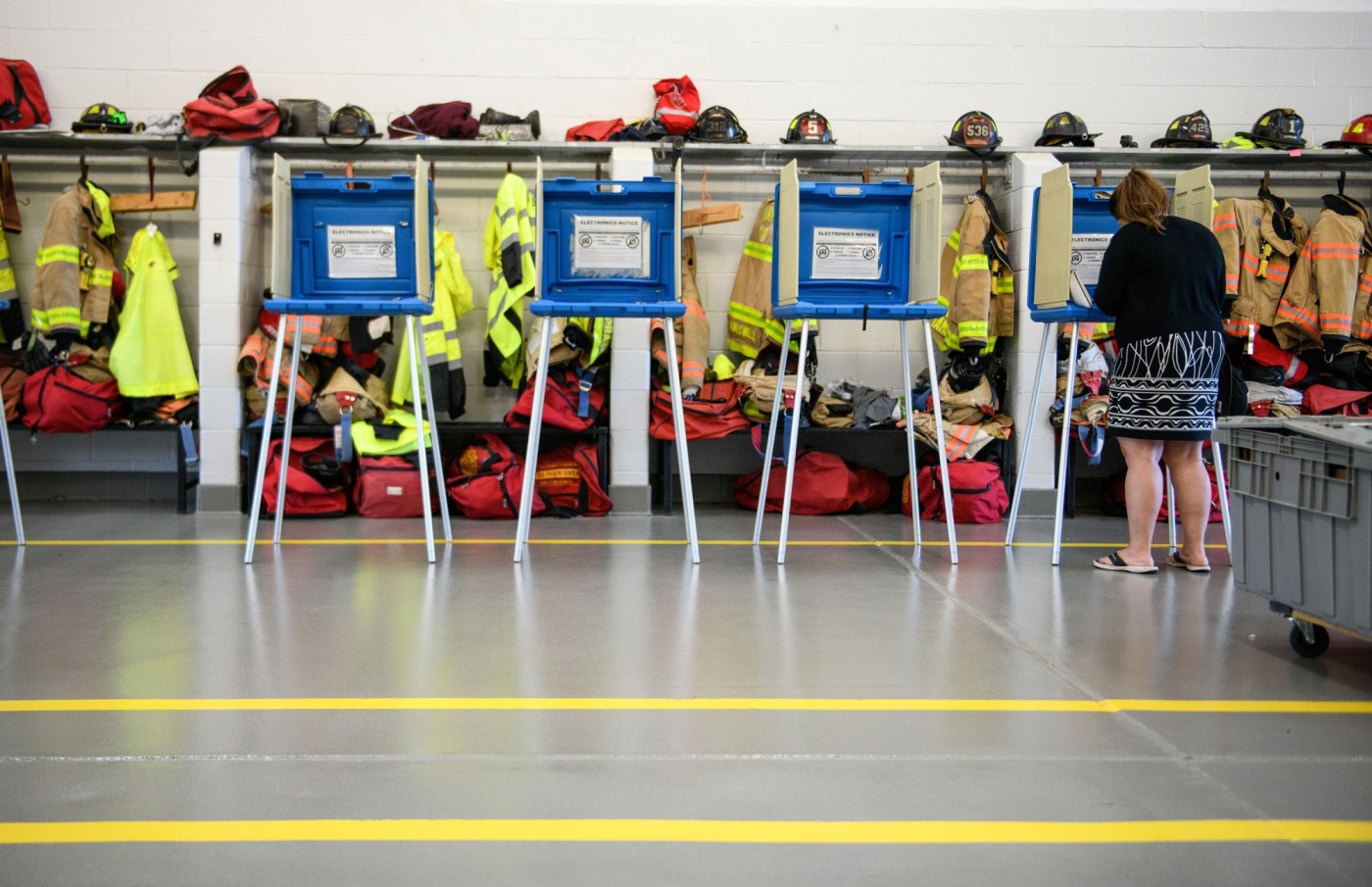
This week, a coalition of election officials, businesses, and civic engagement, religious and veterans groups will make a national push to encourage hundreds of thousands of Americans to serve as poll workers in November’s presidential election.

Poll worker demand is high. With concerns over the harassment and threats election officials face, and with the traditional bench of poll workers growing older, hundreds of counties around the country are in desperate need of people who are willing to serve their communities.

On Aug. 1, there will be a social media blitz across Facebook, TikTok, X and other platforms that will encourage Americans to spend a few hours helping democracy. They’re being asked to wake up before sunrise, welcome voters to polling places, hand them a ballot, and make sure the voting process goes smoothly.

Many sites will see long lines and frustrated voters; they may face unexpected problems such as a power outage or a cantankerous voting machine. Nearly all will hand out scores of tiny “I Voted” stickers.

The U.S. Election Assistance Commission, a federal agency that works with election officials to improve the voting process, established the recruitment day in 2020. The commission offers a social media toolkit, full of suggested hashtags and cartoon video snippets, to help local election officials reach potential new workers. There are 100,000 or so polling places across the country, and the agency’s website shows potential workers how to sign up.

“Serving as a poll worker is the single most impactful, nonpartisan way that any individual person can engage in the elections this year,” said Marta Hanson, the national program manager for Power the Polls, one of the leading nonpartisan groups in the recruitment effort.

“Poll workers are the face of our democracy and the face of our elections,” she told Stateline.

Launched in the spring of 2020 during the throes of the COVID-19 pandemic, Power the Polls gathered nonprofits and businesses together to help election workers close the gap left after many poll workers, who tend to be older, decided to no longer serve due to health concerns. Nearly half of the poll workers who served in 2020 were older than 60.

The group’s effort recruited 700,000 prospective poll workers nationwide.

“It is our vision that every voter has someone who looks like them and speaks their language when they show up at the polling place, and that election administrators have the people that they need,” Hanson said.

Polling places still need poll workers. This year Power the Polls is tracking more than 1,835 jurisdictions, spanning all 50 states and the District of Columbia, that the group identified through outreach to election administrators, monitoring local news and working with on-the-ground partners.

Of those jurisdictions, Hanson said, 700 towns and counties have “really, really high needs.”

For example, Boston needs 500 new poll workers by its Sept. 3 primary, while Detroit needs 1,000 more people to sign up before November. In small towns in Connecticut and rural California, officials are desperate to find 20 people to help. Los Angeles County is looking for people who speak one of a dozen languages that are prevalent in the area.

In suburban Cobb County just outside of Atlanta, Director of Elections Tate Fall said recruiting poll workers has been difficult, but not at the level she’s heard about in other communities nationally. Her team has found success at farmers markets, Juneteenth festivals and senior services events.

Among her challenges, she said, is that many of the poll workers who have signed up this year are new and need more training and practice before November. She also worries about reliability.

“It’s just we have a lot of people sign up and then they never mark their availability, or they only want to work in their precinct,” Fall said. “We need people that are a bit more flexible. But overall, we’re doing good.”

Over the past four years, local election officials have been bombarded by misinformation, harassment and threats fueled by the lie that the 2020 presidential election was stolen.

To ease voters’ skepticism about ballot security, officials will often welcome them into the elections office and give them a tour.

In Nevada, Carson City Clerk-Recorder Scott Hoen goes a step further by inviting skeptical residents to see the election process firsthand as a poll worker.

“Lo and behold, once they go through the cycle, they understand and they can touch, feel it, see it, know it, understand it, that we run a really good, tight election here in Carson City,” Hoen said. “I think they have a better comfort with me now doing that, teaching them what’s going on.”

In Marion County, Florida, Supervisor of Elections Wesley Wilcox has been worried about people who believe the 2020 election was stolen working as poll workers and potentially disrupting the voting process. But the required training to become a poll worker has alleviated some of that concern.

“We’ve had them, and they actually become some of our advocates in this process,” he said.

Joseph Kirk, the election supervisor for Bartow County, Georgia, said that, beyond learning about the voting system, being a poll worker is just fun.

Kirk tells voters that it’s an opportunity to take a day off work, get paid, meet new people, see the characters of the community and enjoy a good meal, since some poll workers bring in homemade food to share.

And for the high school government students he recruits in their classes, it’s a way to participate in elections as early as 16.

“It’s a community,” he said. “And being part of it is really special.”

Stateline is part of States Newsroom, a national nonprofit news organization focused on state policy.

©2024 States Newsroom. Visit at stateline.org. Distributed by Tribune Content Agency, LLC.
Kamala Harris spent her political career supporting immigrants. As vice president, it got more complicated

posted in: Politics | 0

Kate Linthicum, Andrea Castillo, Patrick J. McDonnell and Kevin Rector | (TNS) Los Angeles Times

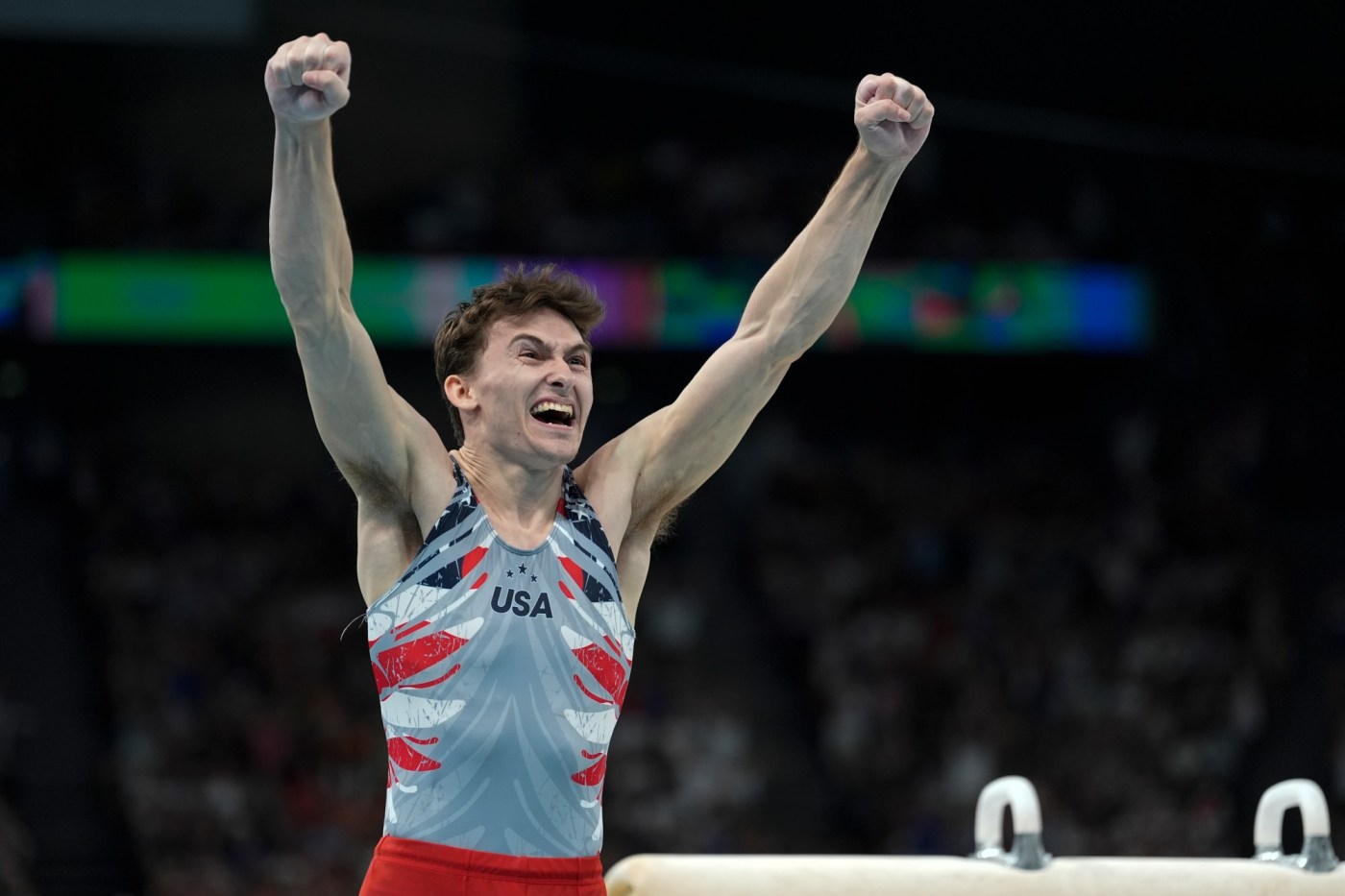
MEXICO CITY — Speaking in Guatemala City on her first foreign trip as vice president, Kamala Harris issued a stern message to Central Americans.

“I want to be clear to folks in this region who are thinking about making that dangerous trek to the United States-Mexico border,” she said. “Do not come. Do not come.”

Her 2021 remarks were widely scorned by rights advocates as arrogant and out of touch with the complex mix of poverty, violence and other factors that drives people to leave their countries. Later, as border crossings surged, Harris’ words would be mocked by Republicans as evidence that the Biden administration had no plan when it came to halting migration.

The episode underscored the political pitfalls of an issue expected to play a key role in this year’s presidential race — and the formidable nature of the foreign policy portfolio that Harris had taken on at President Joe Biden’s request: addressing the root causes of migration from Guatemala, Honduras and El Salvador.

It was an unwinnable assignment that Harris never wanted and never fully embraced. And while she claimed some accomplishments — including coaxing private companies to pledge billions of dollars of investment in Central America — she was criticized for her tepid interest in the issue and for visiting Latin America just twice.

“It was promising at first, but then disappointing,” said a Mexican official who met with Harris in 2021 when she and Mexican President Andrés Manuel López Obrador signed an agreement to forge new development programs in Central America.

Harris grew distant after the summit and stopped attending meetings, said the official, who spoke on the condition of anonymity: “She quit.”

Now that she is the leading Democratic presidential candidate, Harris is facing renewed scrutiny over her record in the White House and her views on immigration more broadly.

Harris was never in charge of immigration enforcement or border policy. But that hasn’t stopped Republicans from painting her as a failed “border czar” who is to blame for a record surge in unauthorized migration under Biden.

“Let me remind you: Kamala had one job. One job. And that was to fix the border,” Nikki Haley, the former governor of South Carolina, said at the Republican National Convention this month. “Now imagine her in charge of the entire country.”

As for those on the left disappointed that Harris hasn’t been a stronger defender of migrants, some acknowledge that would be difficult in the current political climate, where concern over immigration has become a top issue for voters.

Angelica Salas, the executive director of the Coalition for Humane Immigrant Rights of Los Angeles, has known Harris for decades and said her comments in Guatemala belied a track record of standing up for migrants earlier in her political career.

“Why have you been put up to say this?” Salas remembers thinking. “This is not who you are.”

Manfredo Marroquín, an anti-corruption activist in Guatemala who met Harris there in 2021, said she seemed sympathetic to migrants, but that it was clear “she was under pressure to show a hard line on immigration.”

Harris, he said, had been saddled with the hopeless task of quickly curtailing migration from a long-troubled region where leaving to work in the U.S. has long been one of the only escapes from poverty.

He termed her assignment in the region “mission impossible.”

______

When Harris became the district attorney of San Francisco in 2004, she quickly established herself as a supporter of immigrant rights. She prosecuted an unlicensed contractor in a wage theft case involving day laborers and criticized proposed federal legislation that would have made helping people without legal status a felony.

She continued that bent as state attorney general, most notably opposing a Republican bill in Congress that would have withheld federal funding from California police who complied with the state’s sanctuary law that limited how long they could hold immigrants for transfer to immigration custody.

“When local law enforcement officials are seen as de facto immigration agents, it erodes the trust between our peace officers and the communities we are sworn to serve,” she wrote in a 2015 letter to U.S. senators. She also issued guidelines to California law enforcement agencies outlining “their responsibilities and potential liability for complying” with immigration authorities’ hold requests.

In her first official speech as a U.S. senator in 2017, Harris railed against President Donald Trump’s executive actions targeting immigrants. “I know what a crime looks like, and I will tell you: An undocumented immigrant is not a criminal,” she said. “The truth is the vast majority of immigrants in this country are hardworking people who deserve a pathway to citizenship.”

In budget talks, she favored beefing up border security with various forms of technology but called expanding the border wall “ridiculous.”

She was the first Senate Democrat to announce she would withhold support from any deal that didn’t include a fix for DACA, the Obama-era program that protects immigrants brought to the U.S. as children from deportation, and which Trump had targeted. She introduced bills to increase oversight of immigrant detention centers and halt funds for new facilities, as well as to provide legal representation for immigrants in deportation proceedings.

As she campaigned for the Democratic presidential nomination ahead of the 2020 election, she was firmly to the left of Biden and many of her rivals on immigration issues. She made headlines when she said that, as president, she would consider overhauling the U.S. Immigration and Customs Enforcement agency. At the time, some on the left were advocating that it be abolished.

By the time Harris and Biden entered the White House, a political crisis was brewing at the U.S.-Mexico border, with the number of migrants entering the country steadily rising.

Biden tapped Harris to lead a high-profile response that bet heavily on improving conditions in Honduras, Guatemala and El Salvador, the so-called Northern Triangle. The White House wanted Harris to enlist governments and private companies to fund economic and social programs throughout the region.

Harris got to work, soliciting donations from various countries, including Ireland, Japan and South Korea. Her office announced initiatives by companies, including Nespresso, which pledged to expand its collaboration with small-scale coffee farmers in hopes that more economic opportunity would diminish the allure of heading north.

But Harris seemed wary. While Biden had enthusiastically taken the lead on diplomacy in Latin America when he served under President Barack Obama, traveling to the region 16 times during his eight years as vice president, Harris seemed to sense the political danger of being identified with such a divisive topic as immigration.

Amid Republican efforts to paint immigration as a threat, 55% of U.S. adults now believe that “large numbers of immigrants entering the United States illegally” are a critical threat to U.S. vital interests, according to a recent Gallup poll. The poll showed that immigration had surged to the top of the issues that voters cared most about — more than the economy or inflation.

_____

Harris’ fears were confirmed by the flak she received in Guatemala after warning migrants to stay home.

“For Guatemalans, ‘Do not come’ was similar to Trump constructing a wall,” said José Echeverría, the director of the Organización Movimiento Cívico Nacional, who was among the civic leaders who met with Harris on that trip. He said he was disappointed that White House officials never followed up with him and other community leaders.

After the visit, the vice president’s office announced an additional $170 million in U.S. aid for Guatemala, including funding for job-training, agricultural research, law enforcement reform and other initiatives.

But Marroquín, the anti-corruption activist, said aid and initiatives from private companies seldom reach the country’s needy as effectively as remittances sent from migrants abroad.

“This aid hardly impacts anyone in the communities — it’s not enough, it’s delayed, or it never arrives,” he said.

Will Freeman, a fellow for Latin America studies at the Council on Foreign Relations, said even the best-intentioned programs struggle to address what drives migration.

“The root cause is the disparity in the labor markets between the U.S. and the Northern Triangle, and there’s no workable strategy that’s gonna close that gap,” Freeman said. “Do you think you’re gonna make $20-an-hour jobs common in Guatemala?”

Still, Freeman said Harris’ approach was a welcome shift from the Trump administration, which withheld aid from Central American countries in 2019 in retaliation for what he called their lack of help in stanching the flow of migrants to the U.S. border.

“The Trump administration basically treated these countries as, you know, the source of a problem,” Freeman said. “Their entire policy was punitive.”

He and others also applauded Harris’ efforts to fight corruption and promote democracy — which were not priorities for Trump.

Harris shunned Honduran President Juan Orlando Hernández, who after leaving office was arrested, extradited to the U.S. and sentenced to 45 years in prison for drug trafficking. She did the same with Salvadoran President Nayib Bukele, who defied the constitution to stay in power a second term and alarmed civil rights advocates with widespread arrests and detentions as part of a crackdown on gangs.

When Guatemalan anti-corruption crusader Bernardo Arévalo won his country’s presidential race last year, the White House fought efforts by his political enemies to bar him from taking office. But when he finally took office, many Guatemalans were disappointed that Harris skipped his inauguration.

The results of Harris’ work are difficult to measure, analysts say.

The three countries in Harris’ portfolio showed significant drops in annual migration, from more than 700,000 border arrests in the 2021 budget year to fewer than 500,000 in 2023.

But total apprehensions at the border during the Biden presidency hit record numbers, with 2.2 million in 2022.

The peak during the Trump administration was 850,000 in 2019, though experts say the Biden figures undoubtedly include more people who crossed the border multiple times, thanks to a pandemic-era policy that rapidly returned migrants to Mexico, from where they could try again.

The increase during the Biden years was fueled by people fleeing Venezuela, Nicaragua, Cuba and Haiti, who together accounted for 583,000 border arrests in 2023.

Some say the administration miscalculated, choosing a narrow strategy that failed to anticipate the shifting nature of migration. “Migration was becoming this completely different thing,” Freeman said.

Amid growing criticism about the border from Republicans but also from Democratic leaders in blue states such as New York, where hundreds of thousands of asylum-seekers arrived in recent years, Biden enacted an executive order June 4 limiting asylum access at the southern border.

Since then, overall arrests of migrants have decreased by more than half, reaching the lowest point since Biden took office.

Immigration agents arrested fewer than 84,000 people in June, according to the U.S. Customs and Border Protection, which was lower than the 95,000 arrests in June 2019, the last year before the pandemic.

“Border crossings are lower today than when the previous administration left office,” Biden said in an Oval Office address on Wednesday about his decision to drop his run for reelection.

_____

Since Harris became the leading Democratic candidate, she has avoided the topic of migration.

But Rep. Adam B. Schiff, a California Democrat running for Senate, said in an interview with the Los Angeles Times that Harris will be able to push back effectively on the Republican criticisms of her record — and the Biden administration’s record — on immigration.

“She can articulate what she and the president are doing to secure the border, to beef up resources, about how in fact Donald Trump was the one who tried to kill any work that might have come out of Congress on the issue,” he said.

Harris, who like Schiff is a former prosecutor, has “a case to make” about how Republicans “have demonstrated they have no interest in solving the problems at the border,” Schiff said.

“They only have an interest in exploiting them,” he added.

It’s clear that Harris campaign messaging on immigration will be distinct from that of Trump. The Republican Party’s official platform says the next Trump administration will “carry out the largest deportation operation in American history,” removing “millions of illegal migrants.”

But given the electorate’s concerns about illegal immigration, it remains to be seen how far Harris will go in the other direction.

Salas, the California activist, remembers Harris as a fearless leader who championed immigrant rights during the toughest moments of the Trump administration. “She told us we could depend on her,” Salas recalled.

She was disappointed when, as vice president, Harris’ voice on the issue suddenly became “muted.”

If Harris wins the presidency, Salas wants her to “be bold on executive action,” using her power to defend immigrants in the same way Trump used his power to target them. She also wants Harris to push for immigration reform to regularize the status of undocumented migrants, many of whom have lived in the U.S. for decades.

“I know her and I know how competent and knowledgeable she is on this issue,” Salas said. “I saw how much she fought for us when we truly needed somebody that would stand up for us.”

_____

(Los Angeles Times staffer writer Noah Bierman in Washington and special correspondent Cecilia Sánchez Vidal in Mexico contributed to this report. Linthicum and McDonnell reported from Mexico City, Castillo from Washington and Rector from San Francisco.)

___

©2024 Los Angeles Times. Visit at latimes.com. Distributed by Tribune Content Agency, LLC.