Best Moroccan oil

posted in: News | 0

Which Moroccan oil is best?

Moroccan oil is a hot commodity for hair and skin care. Hailing from Morocco, the nutrient-rich oil is deeply nourishing and packed with vitamin E, antioxidants and essential fatty acids.

The oil is thick and ideal for taming and conditioning frizzy, curly or thick hair. Its fatty acid content hydrates the driest of skin and helps with oil control. Despite being a heavy oil, Moroccan oil won’t make your skin break out. For hair care, Moroccanoil Treatment Hair Oil is the top choice from the very brand that popularized the oil globally.

What to know before you buy a Moroccan oil

Ingredients

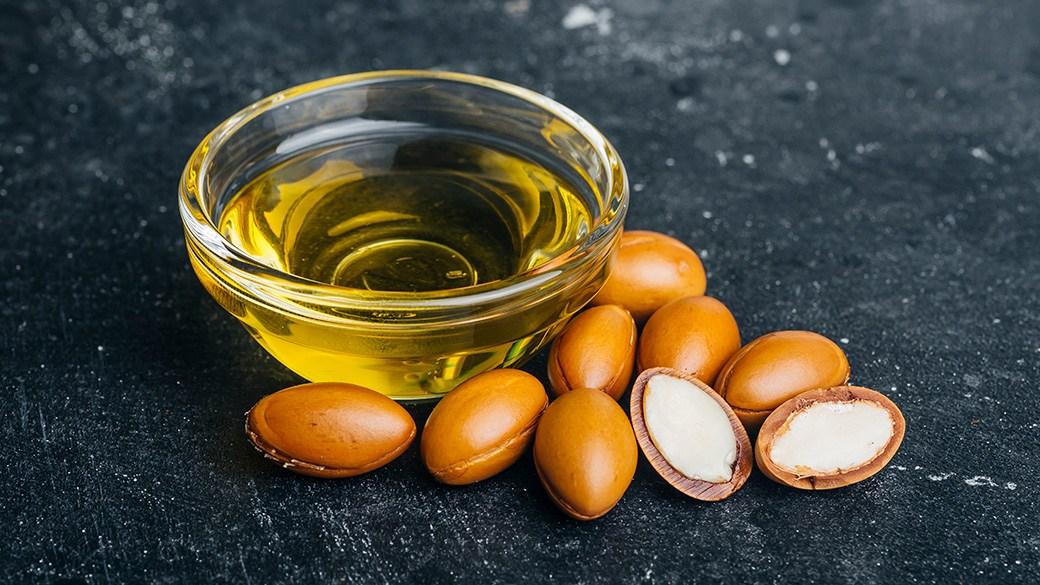
The main ingredient in Moroccan oil is argan oil, which comes from the nut of the argan tree. The oil is considered a luxury product in its native Morocco and is processed by grinding the nuts. Outside the country, argan oil has been incorporated into cosmetic oils and mixed with other ingredients such as linseed extract (from flaxseed), fragrance and other chemical additives and renamed Moroccan oil.

Hair care uses

The most popular use for Moroccan oil is on the hair. You can apply a few drops onto your scalp thirty minutes before you wash your hair as a nourishing, anti-inflammatory scalp treatment. For styling, add a few drops to wet hair to detangle it before you blow dry. You can also use the oil as a finishing product to smooth flyaways and frizz, especially after straightening your hair. The oil adds shine to damaged, coarse or dry hair but may be too heavy for fine or thin hair types.

Skin care uses

For hydrating the skin, use Moroccan oil that’s pure argan oil. You don’t want to use a Moroccan oil formulated for the hair on the skin. Apply a thin layer to your body after getting out of the bath or shower while your skin is still damp. You can also use noncomedogenic oil on your face instead of a moisturizer. Before bedtime, rub a few drops into your skin to gently and moisturize dry or acne-prone skin.

What to look for in a quality Moroccan oil

Weight

Moroccan oil is a heavy oil and offers deep hydration. It’s ideal for coarse, thick, color-treated, dry and curly hair. However, if you have thin or fine hair, you don’t have to miss out on the benefits of this oil. Select manufacturers make a lighter version of the oil that will add shine to your hair without weighing it down or making it greasy.

Color and texture

Moroccan oil is typically light to deep gold in color. If you’re using pure argan oil, often labeled Moroccan argan oil, it may be pale in color if it’s refined. Unrefined pure argan oil is dark gold and may contain some sediment. You want a Moroccan oil that’s smooth in texture, even if it contains other ingredients.

Organic

Even though most Moroccan oils are not formulated for consumption, you still want to pay attention to what you’re putting on your body and scalp. Organic Moroccan oils come from argan trees grown without using agrochemicals, which can be toxic to your health when absorbed through your skin.

Scent

Pure argan oil has a nutty scent, which isn’t what most users want to smell like. This is why most Moroccan oils are mixed with essential oils or added fragrances for a pleasant or sweet-smelling scent. However, the added fragrance is often chemical and can cause allergic reactions in sensitive users. If this is you, find a Moroccan oil that’s fragrance-free or pure argan oil.

How much you can expect to spend on Moroccan oil

A bottle of Moroccan oil that holds around 3 ounces can cost anywhere between $6 to $48.

Moroccan oil FAQ

Can I cook with Moroccan oil?

A. We don’t recommend cooking with Moroccan oil unless it’s pure argan oil. Moroccan oil may contain cosmetic additives that are not safe for consumption. To be on the safe side, purchase culinary argan oil instead of a cosmetic-grade oil for cooking.

How should I store my Moroccan oil?

A. Moroccan oil generally comes in a brown or amber-colored bottle. Light exposure compromises its nutrients and can turn it rancid. It’s always best to store your Moroccan oil in a clear or dark-colored bottle in a cool, dry, dark place, such as a medicine cabinet or drawer, with the bottle tightly closed.

What’s the best Moroccan oil to buy?

Top Moroccan oil

Moroccanoil Treatment Hair Oil

What you need to know: Combining argan oil with linseed extract, this wildly popular Moroccan oil is worth the price.

What you’ll love: This hair oil boasts superior performance and is a game changer for people looking to smooth challenging frizz or coarse texture. It leaves hair soft and shiny. The scent is pleasant and much loved by Moroccanoil’s loyal fan base.

What you should consider: The formula contains silicone, which can build up on the hair over time.

Top Moroccan oil for the money

OGX Renewing + Argan Oil of Morocco Penetrating Oil

What you need to know: This low-cost, high-performance oil is lightweight and instantly increases hair shine.

What you’ll love: This is a great leave-in oil that you can use both as a styling primer and after using heat tools. A little goes a long way. It doesn’t make hair look greasy or weigh it down, and the scent is nice.

What you should consider: There are more fillers in the product than in argan oil.

Worth checking out

US Organic Moroccan Argan Oil

What you need to know: This multipurpose oil is pure argan oil without added ingredients or fragrance.

What you’ll love: The oil only contains one ingredient, organic argan oil, and is nontoxic. You can use this thick oil on the hair and body. The glass dropper makes it easy to dispense. It’s fantastic for use on cuticles.

What you should consider: The authentic oil is not fragranced and the natural smell is not for everyone.

Prices listed reflect time and date of publication and are subject to change.

Check out our Daily Deals for the best products at the best prices and sign up here to receive the BestReviews weekly newsletter full of shopping inspo and sales.

BestReviews spends thousands of hours researching, analyzing and testing products to recommend the best picks for most consumers. BestReviews and its newspaper partners may earn a commission if you purchase a product through one of our links.
Best artificial flowers

posted in: News | 0

Which artificial flowers are the best?

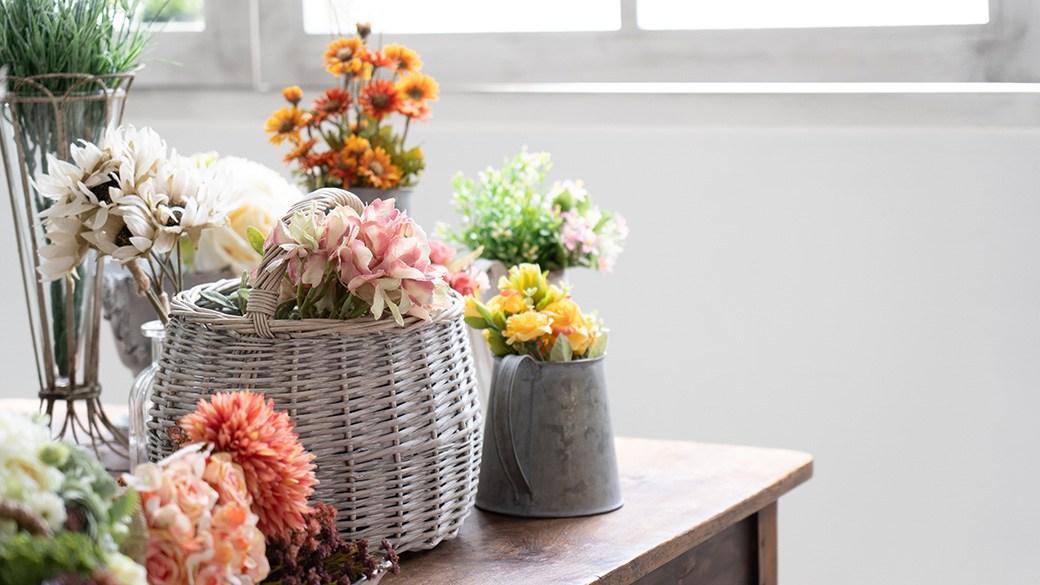
Using artificial flowers in your floral arrangements is an excellent way to create a long-lasting display. Realistic materials and colors in today’s artificial flowers make for stunning arrangements. Whether you’re planning a large event or looking for elegant home decor, artificial flowers can breathe new life into any space while helping you stay on budget.

Finding the best artificial flowers takes a keen eye for detail and a sense of their real-world counterparts to craft an eye-catching faux flower arrangement.

What to know before you buy artificial flowers

When buying artificial flowers, all the elements of real flowers, like how many and what type, are important to consider. However, to create a standout artificial arrangement, it’s also important to consider what materials were used in making the flowers.

Materials

Most artificial flowers are made of plastic, polyurethane or other manufactured materials, while more traditional artificial flowers may be made from silk, velvet or other textiles. The material determines how realistic the flowers look, how easy they are to clean and their cost.

Number of flowers

The number of flowers you need depends on the size of the vase or vessel you plan on using, how much space the petals need and how full you want your arrangement to look. Before you decide on flowers, choose a vessel so you know how many flowers will fit inside.

Flower type

Common types of artificial flowers include roses, peonies, carnations and hydrangeas, though you can find many others. Depending on the materials, different types of artificial flowers lend themselves to looking more or less realistic. For example, artificial peonies made of silk often appear natural since real peony petals are soft and delicate like silk.

Length of flower stems

Artificial flower stems are generally long enough to fit most vessels or to bend and shape as you please. If you plan to hold them as a bouquet, you may want shorter stems. If you’re going to place the flowers in a vessel, you may need to adjust the length of the stems to fit neatly inside. Many artificial stems are made from wire or plastic, so you can cut them to your desired length.

Additional decor elements

Some artificial flowers come with accent pieces, such as extra greenery, LED twinkle lights or even a matching vessel. Consider how you plan to use your flower arrangement and whether you need additional decorative elements to help bring the display to life.

What to look for in quality artificial flowers

When shopping for artificial flowers, consider the size, shape and color of the real flowers you would display and find their artificial counterparts. Also consider where you’ll place these faux flowers so you know how durable they need to be.

Size and shape

The size and shape of artificial flowers won’t necessarily match perfectly with their natural counterparts. If the real size and shape of your flowers are important to you, search for artificial flowers that are made on a 1:1 scale with the real thing. Otherwise, be mindful of the potential mismatch if your arrangement combines real and faux flowers. Also, keep in mind that you’ll likely need to fluff out your artificial flowers once you bring them home, so they may appear smaller when they arrive before you complete your arrangement.

Color

Today, artificial flowers are available in many realistic colors. Most arrangements come in variety packs with slight variances in color to create a convincing bouquet. Some artificial flowers are even hand-painted to give a more natural appearance. Just like picking fresh flowers, consider what color palette you want and shop accordingly. Be mindful that if the artificial blooms are not UV-treated, they may fade if placed in direct sunlight for long periods.

Durability

Generally speaking, artificial flowers are built to last. After all, they are artificial and meant to hold up during long events and through high-traffic areas, temperature changes and multiple arrangements. However, some materials hold up better than others. Silk or textile flowers are more delicate than plastic or polyurethane ones. Keep in mind that all artificial flowers can get dirty. Regular dusting and spot cleaning will keep your faux flowers looking bright all year round.

How much you can expect to spend on artificial flowers

Small artificial flowers usually run between $5 and $25. Mid-range flowers can cost between $25 and $50, and more expensive options can cost between $50 and $100, depending on the number and size of flowers, vessels or accessories.

Artificial flowers FAQ

What are artificial flowers made from?

A. Originally, artificial flowers were made from hand-crafted silk. Once artificial flowers became more commercially available worldwide, materials such as velvet, gauze and crepe grew in popularity. Now, most artificial flowers are made from commonly manufactured materials like plastic and polyester.

Can you clean artificial flowers?

A. Yes. To keep your flowers looking lively and fresh, dust and clean your artificial flower arrangements regularly with a feather duster or microfiber cloth. If you need to access small crevices, use a fine soft-bristle paintbrush. To clean off dirt on your artificial flowers, try a 2:1 mixture of water and rubbing alcohol to gently dab away the grime. Test a small patch first to make sure the color doesn’t fade.

Can you mix artificial flowers and real flowers?

A. Yes. Combining artificial flowers with real ones in your floral arrangements is an excellent way to liven up the fake flowers and make your display stand out. Most artificial flowers can handle a bit of water, but make sure the stems can be submerged safely without staining or warping.

What are the best artificial flowers to buy?

Fule Large Artificial Peony Silk Flower Bouquets

Two bouquets include 13 stems, six full-bloomed peonies, two buds, a few accent flowers and water grass for custom arranging. The silk construction gives a realistic appearance, and the stems are iron-wrapped in wire for easy shaping or cutting.

Dream of Flowers Galaxy Rose

This unique light-up flower encased in glass lends an air of romance to any room.The polyvinyl chloride Galaxy Rose is enclosed in a glass jar, sitting atop a wooden base, and surrounded by LED lights. The fairy lights impart a warm glow around the flower, creating a magical look. The lights have two settings: on and blinking. A luxury gift box makes it a natural gift for special occasions.

Mandy’s Artificial Red Poppies

These bright, artificial poppies give a high-impact look with little upkeep. They are made from 90% polyurethane and 10% plastic, making the petals easy to clean and durable. Each bundle includes 30 individual flowers. The poppies are manufactured on a 1:1 scale to the real flower and have hand-painted details for a more natural look. They’re available in three color varieties as well as with an optional vase.

Prices listed reflect time and date of publication and are subject to change.

Check out our Daily Deals for the best products at the best prices and sign up here to receive the BestReviews weekly newsletter full of shopping inspo and sales.

BestReviews spends thousands of hours researching, analyzing and testing products to recommend the best picks for most consumers. BestReviews and its newspaper partners may earn a commission if you purchase a product through one of our links.

Bret Stephens: The world that awaits the next president

posted in: News | 0

Some questions for the next American president:

If necessary, are you willing to use force to prevent Iran from acquiring nuclear weapons or China from subjugating Taiwan — two events that may well take place on your watch? Will you use the threat of an arms embargo to compel Israel or Ukraine to agree to cease-fire deals they do not want? Are you prepared to increase military spending to Cold War levels to contend with great-power competitors and new asymmetric threats, such as from the Houthis?

Above all, do you believe that maintaining our global primacy is worth the price in effort, treasure and sometimes blood?

If the answer to that last question is “no” — an answer that has the virtues of honesty, modesty and frugality — then you can mostly ignore the previous questions. You can also comfort yourself with the fantasy that the world will leave us alone in exchange for us leaving it alone.

The world doesn’t work that way. Unlike, say, New Zealand, we are not a pleasant and remote country under the implicit protection of a benign ally: Nobody will protect us if we do not protect ourselves. We have globe-spanning territorial, maritime and commercial interests that require us to police the global commons against bad actors, from China in the South China Sea to Iran in the Strait of Hormuz to Russia in the cyber domain. We stand for a set of ideas, centered on human rights and personal liberties, that invariably attract the violent attention of despots and fanatics.

We’ve also tried isolationism before, in the 1920s and 1930s. It ended badly.

All these points used to be no-brainers. Not anymore. When JD Vance said in 2022 that “I don’t really care what happens to Ukraine one way or another,” he was implicitly suggesting that he was — or was at least close to — rejecting the costs of global primacy. When Kamala Harris said in 2020 that “I unequivocally agree with the goal of reducing the defense budget and redirecting funding to communities in need,” she was, too.

Both these statements were foolish when they were made. Now they’re dangerous. Russia, Iran, North Korea and China have joined hands in a vast Axis of Aggression that finds victims from Kharkiv to Tel Aviv to the Spratly Islands off the Philippines. Beijing has doubled its nuclear arsenal in recent years and may double it again by the end of the decade. Tehran’s nuclear breakout time — the time needed to produce a bomb’s worth of weapons-grade uranium, though not a bomb itself — is “now probably one or two weeks,” according to Secretary of State Antony Blinken. Moscow seems to have pressed pause on its plans to arm the Houthis with missiles, but the threat of it gives the Kremlin leverage elsewhere in the world.

What all this amounts to is what a Leninist maxim calls probing with bayonets. The next line: “If you find mush, you push.”

Mush was George W. Bush’s feeble response to Russia’s invasion of Georgia, followed by Barack Obama’s equally feeble one to Russia’s seizure of Crimea in 2014. It was Donald Trump’s threats to withdraw from NATO, his attempt (foiled by his own advisers) to withdraw U.S. troops from northern Syria, his pathetic hopes for a deal with the Taliban. It was President Joe Biden’s heedless execution of the withdrawal from Afghanistan. It was the slow-rolling of critical weapon systems deliveries to Ukraine and the feeble response to attacks by Iranian-backed militias against U.S. troops, which, predictably, resumed this week.

There’s a third turn to the maxim: “If you find steel, you withdraw.”

At his best, Biden provided the steel — and spine — that helped Ukraine fend off Russia’s invasion. He did so again by bringing Finland and Sweden into NATO, deterring Hezbollah from invading northern Israel after Oct. 7, deepening military alliances throughout the Pacific and promising to fight for Taiwan in the event of a Chinese invasion.

History will remember this side of the Biden legacy well. The question is whether the next president will build on or retreat from it.

There’s a convenient belief that it doesn’t really matter what the candidates say or even think about the role the United States should assume: Considerations of national interest and prestige, the thinking goes, will dictate roughly similar foreign policies under either a Harris or a Trump administration, both of which will maintain the status quo. That’s a delusion.

Signals of weakness or strength that the next administration sends in its first weeks or months in office will shape fundamental decisions by our increasingly united and willful adversaries — as well as by our increasingly skittish allies. The MAGA people who think we should abandon Ukraine for the sake of confronting China should ask themselves how abandoning one ally in the West somehow won’t embolden an adversary in the East. The progressives who say we spend too much on defense might ask how much it might cost to restore peace once it’s been lost.

The invasion of Ukraine and Oct. 7 were supposed to be the alarms that the long nap from history was truly over. We can’t just keep hitting the snooze button.

Bret Stephens writes a column for the New York Times.

Related Articles

Opinion |


Other voices: Everyone wants a better government

Opinion |


Michelle Goldberg: The weird authoritarian book blurbed by JD Vance

Opinion |


Michael Peregrine: Joe Biden, Richard Nixon and two turbulent summers

Opinion |


Marc Champion: Russia’s prisoner trade says all we need know about Putin

Opinion |


F.D. Flam: Deep-sea mining may be necessary for a greener future

Mary Ellen Klas: Trump and Project 2025 are inseparable

posted in: Politics | 0

Donald Trump created a monster, and it lives.

We heard last week from Trump’s campaign that reports of Project 2025’s demise “would be greatly welcomed.” Campaign co-managers Chris LaCivita and Susie Wiles offered that comment in a statement after news that the Heritage Foundation official leading the project was stepping down.

The Trump team suggested that the foundation and coalition of 110 organizations behind the manifesto for a new Trump administration had misrepresented “their influence with President Trump and his campaign.” Then, in true Trump style, they issued a threat: “(This) should serve as notice to anyone or any group trying to misrepresent their influence with President Trump and his campaign — it will not end well for you.”

Oh, the horror! Trump created the conditions for these ideas to come to life, and now he’s rejecting them. But while Wiles and LaCivita may grab some headlines in the campaign’s effort to temporarily distract voters, Project 2025 isn’t going away.

That’s because many of the ideas outlined in Project 2025 have already taken on a life of their own as extremist policies in Republican-controlled states. And it was Trump who fed them.

Project 2025 was created from a collection of autocratic ideas from conservative think tanks to serve as the blueprint for what they say will be their next president. Trump has only recently attempted to distance himself from the 900-page document amid intense criticism from Democrats. Vice President Kamala Harris has been highlighting the plan’s extremism by asking audiences, “Can you believe they put that in writing?”

But it’s impossible for Trump to wholly disown a document whose authors previously worked in or advised his administration. These same people not only hope to serve on Trump’s transition team, but they’re also lining up thousands of supporters to work in the administration if he’s elected in November. Vice presidential nominee JD Vance is so closely entwined with the project that he called the Heritage Foundation “the de facto institutional home of Trumpism” and wrote the introduction for a forthcoming book about the project by foundation President Kevin Roberts.

None of this is a surprise to Trump. He has been egging on the populist movement that has turned democracy on its head ever since he entered the national stage as a candidate. By promoting a Christian nationalist worldview amped up with white grievance, anger and racism, Trump energized supporters. He also conditioned them to be loyal to him, not to democratic values such as equality, truth and respect for the rule of law. And he encouraged them to ignore facts.

As Trump’s cult of personality grew, his acolytes, led by the Heritage Foundation, started lobbying red state lawmakers to implement their policies. The ideas had been incubating for a generation, but Trump, aided by a cult of MAGA followers, created the conditions for them to thrive.

Project 2025’s priorities include:

— Dismantling the separation of church and state. Christianity would be the nation’s official religion, and it would be infused into every aspect of Americans’ lives. The change is already underway. In Texas, for example, school districts would receive an additional $60 per student in state funding if they adopt a proposed curriculum that mixes Bible teachings in reading and language arts lessons. Louisiana requires all public school classrooms and colleges to display the Ten Commandments. And in Oklahoma, the state superintendent has directed all public schools to follow a detailed plan for teaching the Bible, including the Ten Commandments. School districts and teachers who refuse to comply risk losing their accreditation and certification.

— Restricting free speech on subjects such as sex, gender and science. According to the project, Americans should distrust science as it relates to vaccines and climate change and conform to the conservative worldview on race and gender. Terms such as “sexual orientation,” “gender identity,” and “diversity, equity, and inclusion” would be purged from all federal regulations and documents. In more than two dozen states, including Alabama, Kansas, Iowa, Utah and Texas, legislators have adopted anti-DEI legislation targeting public colleges and universities, according to a Chronicle of Higher Education tracker. And 17 states restrict how racism and sexism are taught in schools.

— Controlling women: Project 2025 wants states to control all aspects of women’s lives, from their fertility to dictating the conditions under which they can divorce. It declares that abortions “are not health care” and calls for a ban on the abortion pill mifepristone. It would also ban IVF. Fourteen Republican-controlled legislatures have enacted near-total abortion bans, and Florida and Georgia are among the states that will prosecute women for self-managing abortions. The plan, under the guise of protecting families, wants to eliminate no-fault divorce — an idea being pushed by Republican lawmakers in Louisiana, Oklahoma, Nebraska and Texas.

— Weaponizing justice: Project 2025 would use the Justice Department to exact revenge on state district attorneys whose policies and practices it disagrees with and halt federal probes into claims of abuse and civil rights violations by local police departments. Trump has frequently said that those who enforce the law are also above it, and in May, he pledged to give police officers “immunity from prosecution” even in cases of excessive force. Project 2025 calls for federalizing the work of state attorneys by authorizing federal prosecutors to “initiate legal action” against any local official who seeks lower sentences or withholds prosecution for any reason. Florida Governor Ron DeSantis has already put this idea to work, removing two duly elected state attorneys because he didn’t agree with their approach.

Most of Project 2025’s policies — including those already enacted — aren’t popular with Americans who are aware of them. Republicans have been able to go against popular opinion because they hold majorities in their state legislatures and thus have the votes to override any opposition. This is a notable demonstration of their authoritarian preference for minority rule.

Trump’s attempt to distance himself from Project 2025 is unconvincing because he was the catalyst. He has never cared much about details and may not care about these now. Like Vance’s conversion from Never-Trumper to running mate, Trump’s embrace of these policies was likely an opportunistic way to advance his political fortunes.

Now that Americans are starting to realize that the project could strip them of freedoms, it’s become a liability and Trump is trying to run from it. It’s too late.

Mary Ellen Klas is a politics and policy columnist for Bloomberg Opinion. A former capital bureau chief for the Miami Herald, she has covered politics and government for more than three decades.

Related Articles

Opinion |


Other voices: Everyone wants a better government

Opinion |


Michelle Goldberg: The weird authoritarian book blurbed by JD Vance

Opinion |


Michael Peregrine: Joe Biden, Richard Nixon and two turbulent summers

Opinion |


Marc Champion: Russia’s prisoner trade says all we need know about Putin

Opinion |


F.D. Flam: Deep-sea mining may be necessary for a greener future