Lifestyle beats genetics on path to premature death, study finds

posted in: News | 0

By Naomi Kresge, Bloomberg News

Environmental and lifestyle factors play a far greater role than genetics in determining the likelihood of dying young, according to the largest study yet to untangle the contributions of nature and nurture to healthy aging.

Related Articles

Health |


FDA moves to rehire medical device staffers fired only days earlier

Health |


Twin Cities restaurants, retailers, consumers brace for egg prices to keep rising

Health |


Is spending all day on your feet at work an occupational hazard?

Health |


Pain clinics made millions from ‘unnecessary’ injections into ‘human pin cushions’

Health |


Republicans are eyeing cuts to Medicaid. What’s Medicaid, again?

A range of external factors including exercise and smoking — collectively dubbed the “exposome” — was almost 10 times more likely than genetic risk factors to explain premature mortality, scientists from the University of Oxford and Massachusetts General Hospital said in the Nature Medicine journal.

They analyzed mortality trends in the UK Biobank, which stores medical and genetic data from about 500,000 people.

The study shows how broader social context and environment shapes the likelihood of disease, a crucial factor as governments and payers wrestle with how to deal with rising health-care costs and an aging society. Many of the factors found to be linked to longer life were proxies for wealth and status, such as years of education, gym use and household income.

Understanding the role of environmental factors in aging could have a “profound impact on improving health for all of us,” said Austin Argentieri, a researcher in the analytic and translational genetics unit at Massachusetts General Hospital. “We were surprised at just how stark the difference was, how much more the environment matters.”

Factors from childhood, including whether a mother smoked around the time of her baby’s birth and a person’s being “relatively plumper” at around the age of 10, were also linked to cellular signs of aging as an adult. Being shorter at the age of 10 was associated with a lower mortality risk, however.

“We are not prisoners of our genes,” Aimee Aubeeluck, a professor of health psychology at the University of Surrey, who wasn’t involved in the research, said in a comment reacting to the study distributed by the Science Media Centre. “If we know that where we are born and how we live dictate our chances of aging well — or dying prematurely — why is policy action so slow?”

©2025 Bloomberg L.P. Visit bloomberg.com. Distributed by Tribune Content Agency, LLC.

Joy Reid is leaving MSNBC as her evening show is canceled

posted in: News | 0

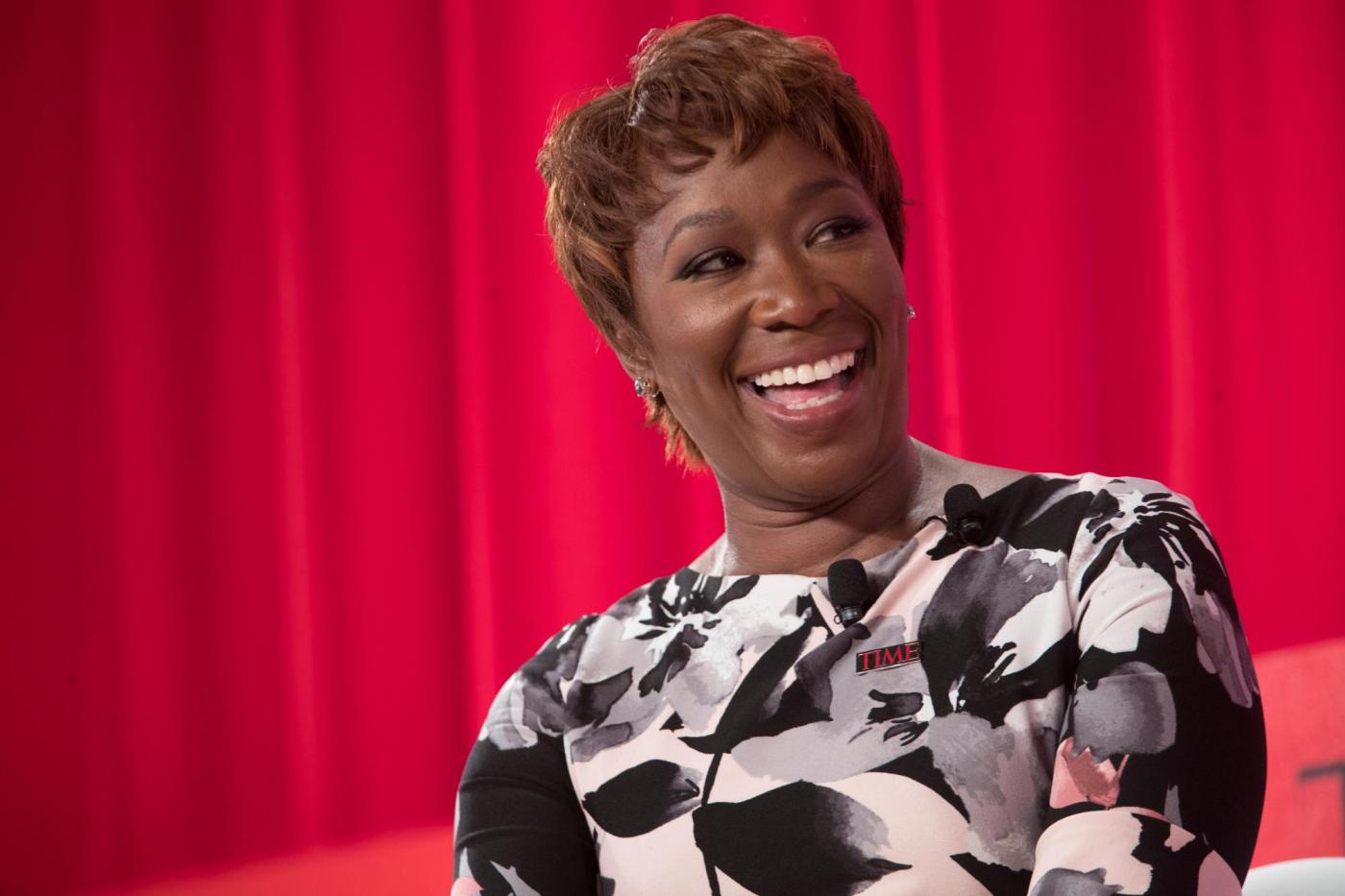
NEW YORK (AP) — Joy Reid is leaving MSNBC, the network’s new president announced in a memo to staff on Monday, marking an end to the political analyst and anchor’s prime time news show.

Reid’s namesake show, “The ReidOut,” has been a fixture of MSNBC’s evening programming since 2020. In the hourlong newscast, held at 7 p.m. E.T., Reid conducts extensive interviews with politicians and other newsmakers.

“Joy Reid is leaving the network and we thank her for her countless contributions over the years,” MSNBC president Rebecca Kutler wrote Monday. ”Her work has been recognized with several esteemed honors, including most recently, the 2025 NAACP Image Award for Outstanding News Series.”

In the coming weeks, Kulter added, rotating anchors will host Reid’s hour.

Current hosts of MSNBC’s “The Weekend” — Symone Sanders Townsend, Michael Steele, and Alicia Menendez — will now move to weekdays at 7 p.m. to host a new ensemble news program, Kulter also noted in Monday’s memo.

News reports about MSNBC cancelling “The ReidOut” emerged online over the weekend. Prior to Kulter’s memo, Reid took to social media to thank those who she said had reached out to her with messages of support.

“I just want to say thank you to everyone who has reached out with kindness and encouragement, both personally and in these social media streets,” Reid wrote in a message posted to BlueSky and Instagram just after midnight. “So very proud of The Reidout @joy.msnbc.com team, who are truly family, and all of our supporters & friends. See you tomorrow night at 7, one more time.”

These little-known bank accounts allow Americans with disabilities to save and invest

posted in: News | 0

By CORA LEWIS

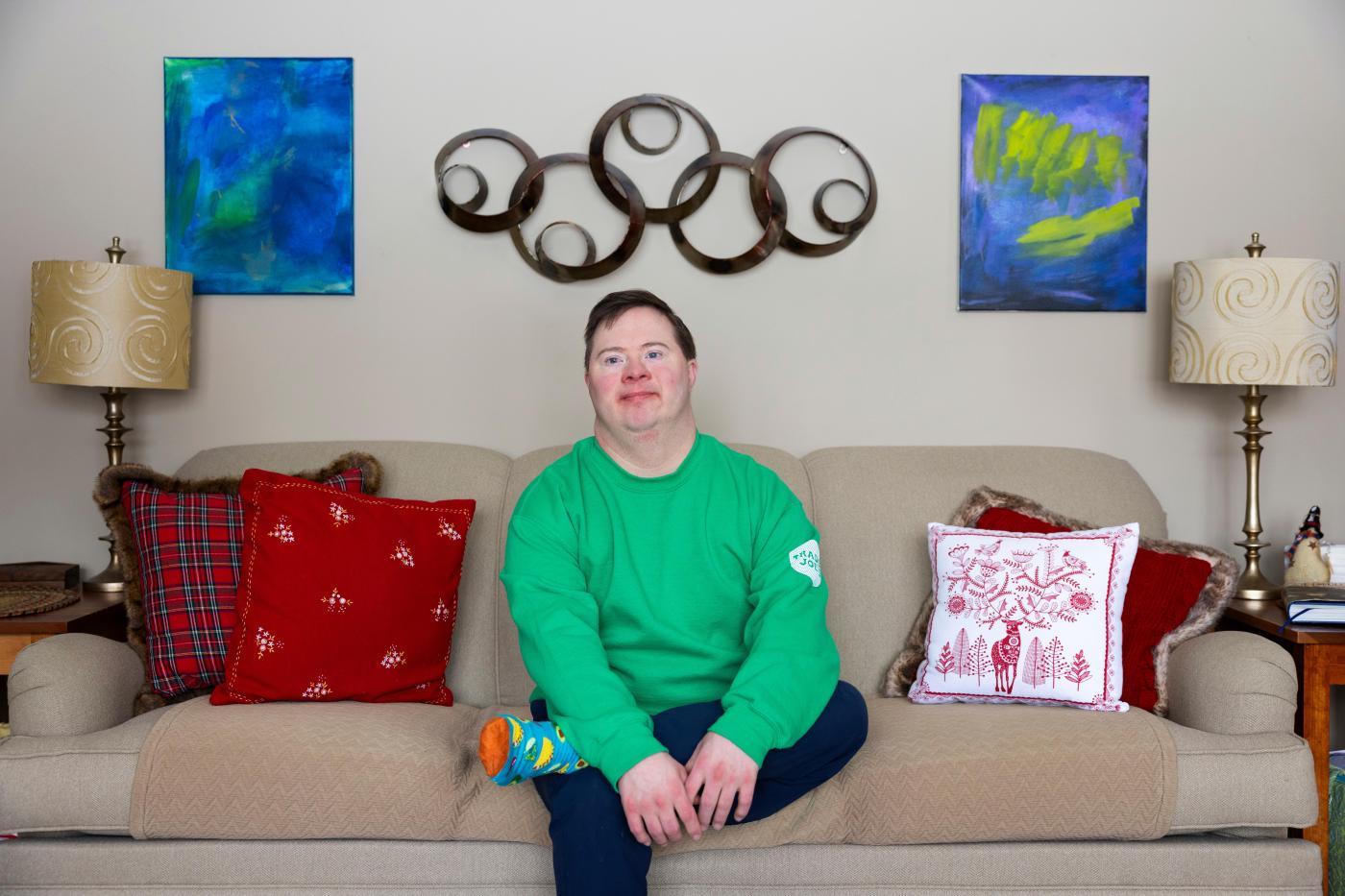
NEW YORK (AP) — Paul Safarik, 32, of Lincoln, Nebraska, has worked in the food industry since he was 21, delivering for quick service restaurants like Raising Cane’s and stocking groceries at stores like Trader Joe’s. With his earnings, Safarik, who has Down syndrome, recently bought a treadmill to stay active when the weather’s bad and helped cover the cost of braces for his teeth.

That’s unusual, financially speaking, and it’s thanks in part to a little-known savings account called an ABLE account, which lets people people with disabilities save money beyond the $2,000 asset limit that’s linked to benefits like Supplemental Security Income and Medicaid. Without the account, Safarik could have risked losing government assistance if he had more than $2,000 in assets saved at one time in a given month.

“With this ABLE account, we don’t have to worry as much,” said Deb Safarik, 71, Paul’s mother, with whom he lives. “It’s nice that he can work and save, and not have that be held against him.”

Named for the 2014 law that created them, the Achieving a Better Life Experience Act, ABLE accounts have been available since 2016 to individuals identified by a doctor as having a disability before the age of 26. Next year, they’ll become available to those identified before the age of 46, which will increase access to an additional 6 million people, including 1 million veterans, according to Indiana State Treasurer Daniel Elliott, who administers the accounts in his state. An estimated 8 million people nationwide already qualify.

“The fact that it used to be that individuals could only save up to $2,000 or they could lose benefits — that was really restricting a lot of families,” Elliot said. “People were forced into a position where they couldn’t save for their futures. Now we’re seeing average account balances of (ABLE accounts) between $11,000 and $12,000.”

Generally, ABLE accounts may reach totals of $100,000 without affecting Supplemental Security Income. Lifetime balance limits for the various state ABLE accounts can range from around $300,000 to over $500,000. They’re administered by state treasurers, and the vast majority can be set up online via their websites. Some ABLE plans accept paper applications as well.

Related Articles

Business |


What happens to your 401(k) after you leave a job? 8 key things to consider

Business |


January home sales fall as high mortgage rates, prices freeze out would-be buyers

Business |


Data: Taxpayers missing out on chance to file for free

Business |


Buy, build or fix: basics for home buyers

Business |


18 ways to save money on groceries

Anyone can contribute to an ABLE account — including the account owner, friends, family, organizations, nonprofits, and employers — up to $19,000 per year in 2025. If the account owner is able to work and not already contributing to a workplace retirement plan, they can contribute an additional amount equal to their yearly gross income. For 2025, that amount is up to an additional $15,560 to $18,810, depending on the state administering the account.

There are also tax advantages. Investment earnings from ABLE accounts remain untaxed as long as money taken from the account is used for “qualified disability expenses,” such as medical treatment, education, tutoring and job training. Account holders may choose from a number of investment options for the funds in their accounts or hold and save the money without investing it further.

Elliot said raising awareness of the accounts is the biggest challenge for the National Association of State Treasurers (NAST), for which he’s also the secretary treasurer.

“Many people are used to the idea that, ‘If I have a disability or my child has one, it could endanger their benefits to save money,’” he said. “We as a state and as a country need to start reaching out to people and saying, ‘Look, you actually can save money now. You could save towards the purchase of a home.’ The hardest thing right now is getting that message out. We need more people to be aware things have changed.”

According to NAST’s data, just 186,641 ABLE accounts existed at the end of 2024, despite an estimated 8 million people qualifying. When the age limit is raised, the accounts will also become available to people whose disabilities may have been the result of an accident in adulthood or developed later in life, such as after a COVID infection.

Andrew Warren, senior associate for policy and research at the Financial Health Network, who studies the financial circumstances of Americans with disabilities, said that the vast majority of people surveyed for a 2023 report by the organization did not know these accounts existed.

“Less than 1% of eligible individuals have these accounts,” Warren said. “Our research show that one of the major barriers to becoming financially healthy for this vulnerable group is asset limits. But there’s an information disconnect between caseworkers and direct services providers on the ground and (administrators of ABLE accounts).”

Here’s what to know:

How do I know if I qualify for an ABLE account?

Two online resources — ABLE Today and the ABLE National Resource Center — can guide you through questions to determine if you or a friend or family member qualifies.

Right now, ABLE accounts are for:

— People whose disability began before age 26, and

— People for whom the disability is “terminal or long-term (more than 12 months)” and for whom the disability causes “marked and severe functional limitations.”

A qualifying person must also meet one of the following criteria:

— Being eligible for Supplemental Security Income (SSI) or Social Security Disability Insurance (SSDI) because of the disability; or

— A doctor has diagnosed the disability (physical or mental).

In 2026, the age limit for ABLE accounts will rise to 46.

What can I do to prepare if I or a family member will qualify next year?

You can begin educating yourself now about the process of setting up the account, so you can add money and fund the account right away beginning in January 2026. Family, friends, and organizations may also begin setting money aside with the intention of contributing it to the account in the individual’s name as of January 1.

The Associated Press receives support from Charles Schwab Foundation for educational and explanatory reporting to improve financial literacy. The independent foundation is separate from Charles Schwab and Co. Inc. The AP is solely responsible for its journalism.


Clint Hill, Secret Service agent who leaped onto JFK’s car after the president was shot, dies at 93

posted in: News | 0

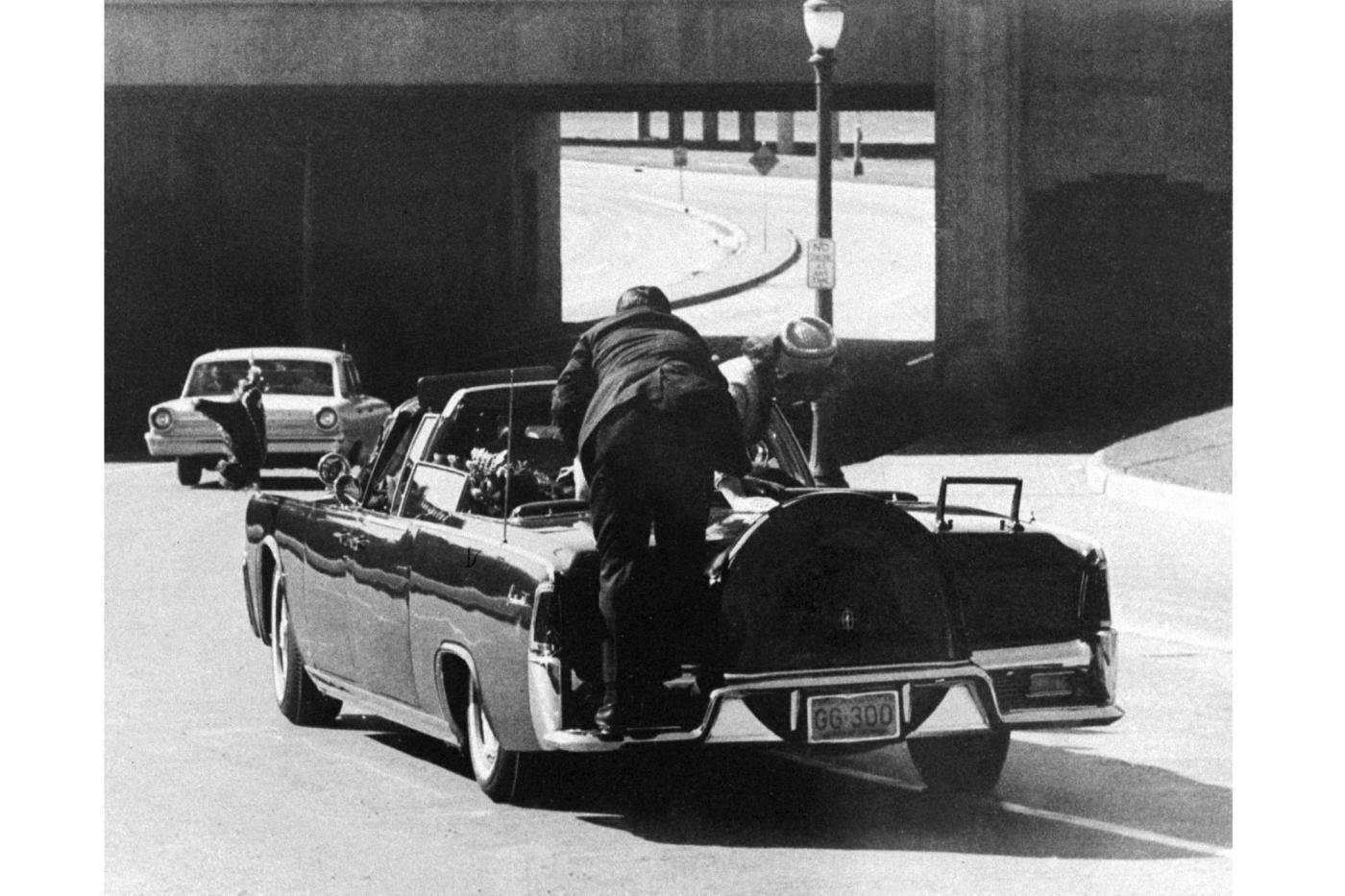
BELVEDERE, Calif. — Clint Hill, the Secret Service agent who leaped onto the back of President John F. Kennedy’s limousine after the president was shot, then was forced to retire early because he remained haunted by memories of the assassination, died Friday. He was 93.

Hill died at home in Belvedere, California, according to his publisher, Gallery Books, an imprint of Simon & Schuster. A cause of death was not given.

Although few may recognize his name, the footage of Hill, captured on Abraham Zapruder’s chilling home movie of the assassination, provided some of the most indelible images of Kennedy’s assassination in Dallas on Nov. 22, 1963.

Hill received Secret Service awards and was promoted for his actions that day, but for decades blamed himself for Kennedy’s death, saying he didn’t react quickly enough and would gladly have given his life to save the president.

“If I had reacted just a little bit quicker. And I could have, I guess,” a weeping Hill told Mike Wallace on CBS’ 60 Minutes in 1975, shortly after he retired at age 43 at the urging of his doctors. “And I’ll live with that to my grave.”

Related Articles

National News |


Roberta Flack, Grammy-winning ‘Killing Me Softly’ singer with an intimate style, dies at 88

National News |


Some Trump Officials Push Back Against Musk’s Ultimatum to Workers

National News |


Musk’s cost-cutting team is laying off workers at the auto safety agency overseeing his car company

National News |


One of Sean ‘Diddy’ Combs’ attorneys wants to quit his defense team

National News |


AP sues 3 Trump administration officials, citing freedom of speech

It was only in recent years that Hill said he was able to finally start putting the assassination behind him and accept what happened.

On the day of the assassination, Hill was assigned to protect first lady Jacqueline Kennedy, and was riding on the left running board of the follow-up car directly behind the presidential limousine as it made its way through Dealey Plaza.

Hill told the Warren Commission that he reacted after hearing a shot and seeing the president slump in his seat. The president was struck by a fatal headshot before Hill was able to make it to the limousine.

Zapruder’s film captured Hill as he leaped from the Secret Service car, grabbed a handle on the limousine’s trunk and pulled himself onto it as the driver accelerated. He forced Mrs. Kennedy, who had crawled onto the trunk, back into her seat as the limousine sped off.

Hill later became the agent in charge of the White House protective detail and eventually an assistant director of the Secret Service, retiring because of what he characterized as deep depression and recurring memories of the assassination.

The 1993 Clint Eastwood thriller “In the Line of Fire,” about a former Secret Service agent scarred by the JFK assassination, was inspired in part by Hill.

Hill was born in 1932 and grew up in Washburn, North Dakota. He attended Concordia College in Moorhead, Minnesota, served in the Army and worked as a railroad agent before joining the Secret Service in 1958. He worked in the agency’s Denver office for about a year, before joining the elite group of agents assigned to protect the president and first family.

Since his retirement, Hill has spoken publicly about the assassination only a handful of times, but the most poignant was his 1975 interview with Wallace, during which Hill broke down several times.

“If I had reacted about five-tenths of a second faster, maybe a second faster, I wouldn’t be here today,” Hill said.

“You mean you would have gotten there and you would have taken the shot?” Wallace asked.

“The third shot, yes, sir,” Hill said.

“And that would have been all right with you?”

“That would have been fine with me,” Hill responded.

In his 2005 memoir, “Between You and Me,” Wallace recalled his interview with Hill as one of the most moving of his career.

In 2006, Wallace and Hill reunited on CNN’s “Larry King Live,” where Hill credited that first 60 Minutes interview with helping him finally start the healing process.

“I have to thank Mike for asking me to do that interview and then thank him more because he’s what caused me to finally come to terms with things and bring the emotions out where they surfaced,” he said. “It was because of his questions and the things he asked that I started to recover.”

Decades after the assassination, Hill co-authored several books — including “Mrs. Kennedy and Me” and “Five Presidents” — about his Secret Service years with Lisa McCubbin Hill, whom he married in 2021.

“We had that once-in-a-lifetime love that everyone hopes for,” McCubbin Hill said in a statement. “We were soulmates.”

Clint Hill also became a speaker and gave interviews about his experience in Dallas. In 2018, he was given the state of North Dakota’s highest civilian honor, the Theodore Roosevelt Rough Rider Award. A portrait of Hill adorns a Capitol gallery of fellow honorees.

A private funeral service will be held in Washington, D.C., on a future date.