

Ana Zamora: Voters don’t want to hear Trump and Harris fight over crime. They want to hear actual solutions

posted in: Politics | 0

In the weeks since President Joe Biden dropped out of the presidential race, a new narrative about the election has taken shape.

In one corner, there’s presumptive Democratic presidential nominee Kamala Harris — the former chief legal officer for California who says she’s here to “prosecute the case” against Republican presidential nominee Donald Trump. In the other is Trump, the self-proclaimed candidate of law and order who wants to “make America safe again.” Crime was already on voters’ minds. Now it sits squarely at the center of the debate — and both candidates will work strenuously to win voters’ trust on the issue of safety.

As they do, they’d be wise to remember that Americans aren’t interested in overheated rhetoric or petty name-calling. What people want are real solutions to make our communities safer and more just.

A debate on those terms — constructive and future-focused — would be a departure from the historical norm. Too often, our political discourse about crime and safety has become a war of constant escalation, in which candidates go to extreme lengths to claim the mantle of “tough on crime.” This dynamic hasn’t done anything to advance public safety. Instead, it’s given us the war on drugs and the highest incarceration rate in the world.

Is that really a mistake we want to repeat?

The polling data says no. Last year, Gallup showed that when you ask Americans whether the criminal justice system is “too tough” or “not tough enough,” most say it should be tougher. But then the pollsters went a level deeper and asked people what should actually be done. The top answer wasn’t to hire more police. It was to address the social and economic problems that drive crime in the first place — by a margin of 2 to 1.

Absent leadership from the top, people have spent the last decade developing those solutions from the ground up. Their movement travels under the broad banner of “criminal justice reform.” But really, the work is better understood as a process of democracy unfolding in big cities and small towns across the country — red, blue and purple.

Reformers are ordinary people working to center safety and justice in a way that’s specific to where they live. Together, they seek to understand what’s driving crime in their communities, from family instability to the absence of mental health services. They design policies to address those issues. They build political power and support networks. And they work with elected officials to get better laws on the books.

The reform movement has notched remarkable wins, beginning with the fact that 3 in 4 Americans– Democrats and Republicans — now believe in its aims, according to a report from the bipartisan group FWD.us.

Many of its solutions enjoy broad political appeal — among voters and legislators alike. States have passed laws to give police the resources they need while improving oversight and accountability. They’ve also pushed ahead on other fronts — strengthening the public defense system, ending mandatory minimum sentencing and juvenile life without parole, creating deflection and diversion programs, funding education and workforce development in prisons, expanding access to parole, sealing criminal records and making sure people who leave the prison system have the support they need to reenter society successfully.

Now the prison population is shrinking in many places, and crime rates are plummeting.

We have to protect those precious gains. And we can’t let the overheated rhetoric of a presidential election keep us from making more.

The way to start is by throwing a spotlight on progress. The bright-red state of Oklahoma, for example, just passed a law to help survivors of domestic abuse who were imprisoned because they committed a criminal act while defending themselves. Their sentences will now be reduced, thanks to a politically diverse group of advocates, legislators, funders and community members who spent two years working to right an obvious wrong.

Stories like this remind us that “tough on crime” policies aren’t the only option. Even in an era of profound political division — and a moment when the presidential election will pry us even further apart — we are still capable of crossing party lines to make change.

It’s only when we lose sight of that that we end up with laws such as the Safer Kentucky Act, which promises to sweep even more people into the state’s bulging prison system, some for life, while doing nothing to prevent crime.

People seeking elected office — Trump, Harris and everyone down-ballot — ought to take note. Voters might be willing to back a bad policy if it’s the only thing on the menu. But if you actually listen to what they’re asking for and give them a choice between senseless punishment and pragmatic solutions that deliver safety, accountability and justice, they’ll pick the better option. Sometimes, good policy really is good politics.

If we can manage to remember that, I’m optimistic about what November will bring for public safety measures across the country — regardless of who wins the White House.

No matter what, I urge everyone who cares about these issues, and especially the donors who sustain this movement, to stay committed. Politics is transient. Candidates come and go. But as we’ve proved together over the past decade, the criminal justice reform movement is durable.

If we keep investing in smart policies that the majority of Americans want, this work can remain an evergreen, bipartisan focus that can win in every state.

Trump and Harris may have the loudest megaphones. But it’s voters’ voices that matter most, and they’ve made their wishes clear.

Ana Zamora is founder and CEO of The Just Trust, which advocates for bipartisan criminal justice reform. Previously, she worked at the California Appellate Project and later served as director of criminal justice reform at the American Civil Liberties Union. She wrote this column for the Chicago Tribune.

Related Articles

Opinion |


Other voices: More schools should ban student cellphones

Opinion |


Sally Pipes: Free tuition won’t fix America’s shortage of doctors

Opinion |


David French: Colleges can’t say they weren’t warned

Opinion |


Lisa Jarvis: Bizarre raw milk trend puts kids at risk

Opinion |


F.D. Flam: The oldest Olympians might hold the key to slowing aging
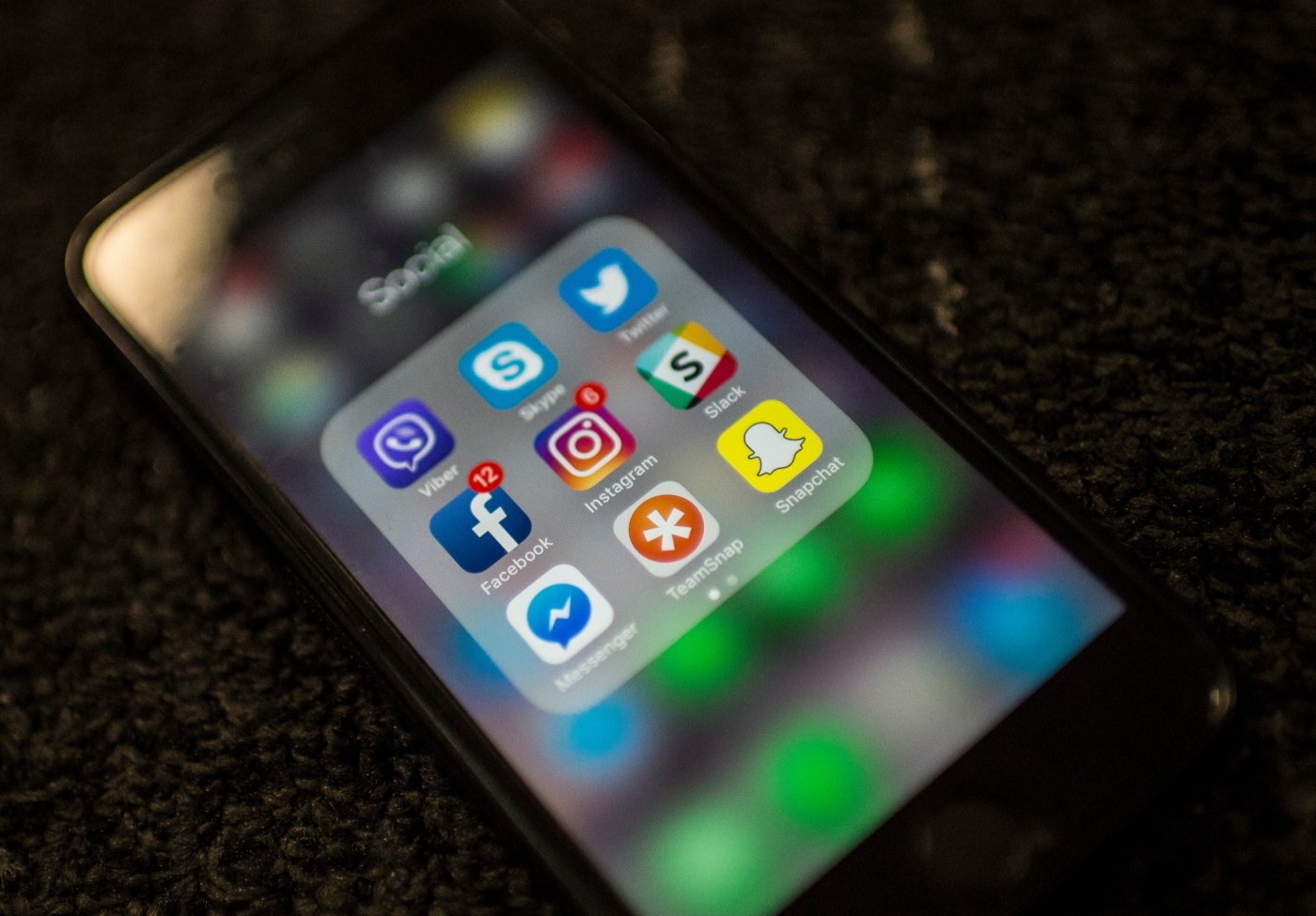
Other voices: More schools should ban student cellphones

posted in: News | 0

This year’s hottest back-to-school trend is one most students won’t like: cellphone bans.

A growing number of districts across the country have enacted, or plan to enact, prohibitions on students using their mobile phones during school hours starting this academic year. That includes some of the biggest districts, including Los Angeles Unified and New York City, which intend to ban phones in early 2025.

Several states, including Florida, South Carolina and Louisiana, have passed laws requiring school cellphone bans. And several more, including Indiana, Minnesota and Ohio, have ordered districts to develop rules that limit kids’ cellphone use at school. Gov. Gavin Newsom sent a letter to California districts last week urging them to limit student smartphone use.

The 2024-25 school year may be the tipping point when adults act to curb kids’ phone addiction and regain their attention. It’s about time.

It should be obvious by now that having a pocket-size entertainment center that constantly buzzes with alerts and enticements is not great for kids’ ability to focus and learn. (It’s not great for adults either.)

Simply having a phone nearby with notifications coming through can cause students to lose focus on the task at hand, according to one study. Once distracted, it can take as long as 20 minutes to refocus. Other studies have found that keeping a phone close by during a lecture impairs attention and reduces memory retention.

Nearly three-fourths of high school teachers surveyed last fall said that students being distracted by their cellphones in the classroom was a major problem, according to the Pew Research Center. And more than half of those teachers said school policies restricting cellphone use in the classroom were difficult to enforce. (Middle school and elementary teachers had it a little easier, with their students less distracted and more compliant with restrictions.)

In addition, excessive social media heightens the risk of anxiety, depression and cyberbullying, and students use their phones during the day to coordinate drug purchases and fights. It’s clear that the presence of cellphones on campus is more harmful than helpful. Kids need an intervention, and schools are right to rein in this technology now before another generation suffers.

“It’s our responsibility in loco parentis to act as the responsible adult who protects them” during the school day, Los Angeles schools Superintendent Alberto Carvalho said.

Los Angeles Unified is now consulting with administrators, parents, students and experts about the details of the proposed cellphone ban. The district is still studying the options — other districts have required students to keep phones in their lockers, sealed in lockable pouches or checked into phone cubbies — and the method may differ from campus to campus.

The goal, Carvalho said, is to have a policy that is implemented consistently across schools.

Yes, it will be difficult to change the behavior of both students, who are loath to part with their phones, and their parents, who are accustomed to being able to reach their kids at any time of the day. Yes, some students will try to evade the rules. The first weeks and months of a cellphone ban will be challenging for teachers, administrators, students and parents. This will be a major culture change, but a worthy one.

And it’s quite possible that by the end of the school year, students and educators will look back and think, “Why didn’t we do this earlier?”

— The Los Angeles Times

Related Articles

Opinion |


Ana Zamora: Voters don’t want to hear Trump and Harris fight over crime. They want to hear actual solutions

Opinion |


Sally Pipes: Free tuition won’t fix America’s shortage of doctors

Opinion |


David French: Colleges can’t say they weren’t warned

Opinion |


Lisa Jarvis: Bizarre raw milk trend puts kids at risk

Opinion |


F.D. Flam: The oldest Olympians might hold the key to slowing aging

Peanut and chili crisp cucumber salad is a bright and crunchy summer dish

posted in: News | 0

Cucumbers sometimes get overlooked as fodder for a main dish or appetizer because they’re so ubiquitous and, let’s be honest, utilitarian.

Available year-round, the bright-green creeping vine plant just isn’t as exciting as veggies you can only get for such a short time in summer — say, a homegrown tomato or bi-colored ear of butter-and-sugar sweet corn.

That said, it’s a low-cal, nutritious fruit rich in antioxidants and various minerals and vitamins. Packed with water (a cucumber is 95% water) they’re also an excellent source of hydration for adults who are supposed to take in around 10 cups of water every day.

This recipe is a creamy, peanut buttery take on a Chinese smashed cucumber salad. It brings together crisp wedges of mini-cucumbers with citrusy cilantro, toasted sesame seeds and the crunch of chopped, roasted peanuts. Adding zing is a peanut butter-based dressing whisked with soy sauce, honey, lime juice and God’s gift to cooks: a heaping teaspoon of garlicky, umami-filled chili crisp.

It’s the perfect dish for a hot summer evening, or any night you want to get something bright and crunchy on the table in less than 15 minutes.

If you detest cilantro — some people swear it tastes like soap — leave it out or substitute parsley or Thai basil, which is spicier than Italian sweet basil. I added a pinch of red pepper flakes to add a gentle heat, but you also could drizzle the finished dish with chili oil.

The salad can be served as an appetizer or side dish, and it also makes a great vegetarian lunch.

Peanut and Chili Crisp Cucumber Salad

INGREDIENTS

For salad:

10 mini cucumbers, cut into thick wedges
Handful of fresh cilantro, chopped
1/4 cup roasted unsalted peanuts, chopped
1 tablespoon sesame seeds, toasted

For dressing:

3 tablespoons peanut butter
1 tablespoon soy sauce
1 lime, juiced and zested
1 teaspoon honey
1 heaping teaspoon chili crisp, or more to taste
Red pepper flakes, for garnish, optional
1 tablespoon chili oil, for drizzling, optional

DIRECTIONS

Place cucumber wedges, cilantro and chopped peanuts into a large bowl. Sprinkle over sesame seeds and toss well to combine.
In a separate bowl, make dressing by stirring together peanut butter, soy sauce, lime zest and juice, honey and chili crisp. If it seems too thick, add a little water, a spoonful at a time, to thin to desired consistency.
Pour the dressing over the salad, and toss well to combine. (I used my hands, but two spoons also works.) Allow to sit on the counter for at least 10-15 minutes for the flavors to mingle. Pausing before serving will also allow the cucumbers to soften ever so slightly.
Taste, and adjust seasoning as desired — you may want to add more soy or lime juice to temper the peanut butter flavor, or spice it up with more chili crunch.
Spoon salad onto a serving platter or into individual bowls, and pour any dressing that remains in the bowl over top. Sprinkle a little (or a lot) red pepper flakes on top, or drizzle with chili oil. If you like, you can also garnish with more sesame seeds and/or chopped peanuts.
Serves 4 as a hearty appetizer or vegetarian side dish.

— Gretchen McKay, Post-Gazette

Related Articles

Restaurants, Food and Drink |


Here’s your guide to free fun every single day at the 2024 Minnesota State Fair

Restaurants, Food and Drink |


Quick Fix: Beef Burritos

Restaurants, Food and Drink |


Gretchen’s table: Peanut and chili crisp cucumber salad is a bright and crunchy summer dish

Restaurants, Food and Drink |


Lavender and cherry harvest a delicious time in Wisconsin’s Door County

Restaurants, Food and Drink |


Gretchen’s table: Blueberry crumble coffee cake is the perfect food to stow for vacation

Sally Pipes: Free tuition won’t fix America’s shortage of doctors

posted in: News | 0

Another medical school has gone tuition-free. Johns Hopkins University announced last month that it will waive tuition for all students from families earning less than $300,000 starting this fall, thanks to a $1 billion gift from former New York Mayor Michael Bloomberg.

Bloomberg hopes free tuition will enable more applicants from diverse backgrounds to pursue their dreams of becoming doctors — and help address America’s physician shortage in the process.

It’s a worthy goal. But our dearth of doctors is not a function of the cost of medical school. We’re short on physicians because there aren’t enough residency slots where they can complete their training. Philanthropists looking to address the physician shortage — and improve patient access to care — ought to consider funding additional residencies.

More than 74 million Americans live in federally designated primary-care shortage areas.

Consider that 20% of the U.S. population lives in rural areas, but only about 11% of doctors practice there. That could help explain why rural Americans suffer greater rates of chronic diseases than their urban counterparts.

The Association of American Medical Colleges predicts that we’ll need up to 86,000 more physicians by 2036 to meet the demands of our growing and aging population.

The problem stems, in part, from legislation that’s more than a quarter-century old. The Balanced Budget Act of 1997 capped federal funding for residencies. So the number of residency slots available to aspiring doctors was essentially stuck at 1996 levels for nearly three decades.

Congress increased funding to expand the number of residency slots in 2020 and 2022. But it hasn’t been enough to catch up to the growth in medical school enrollment. While there were just under 71,000 students pursuing M.D.s in 2004, there were nearly 98,000 in 2023 — a roughly 40% increase.

The resulting mismatch can make it difficult for medical students to secure a residency after they graduate. This year, there were more than 44,800 doctors applying for just over 41,500 residency positions across the country.

In other words, there’s plenty of demand for a medical school education. And yet, philanthropists are subsidizing that demand further with their gifts to medical schools. Bloomberg’s is only the latest.

Earlier this year, the Albert Einstein College of Medicine received a $1 billion gift from Ruth Gottesman, a former professor. The donation will ensure that all four-year students receive a tuition-free education come fall.

In 2018, Kenneth and Elaine Langone started a $100 million endowment fund to ensure all current and future medical school students at New York University Grossman School of Medicine receive free tuition. And just last year, they donated another $200 million to the NYU Grossman Long Island School of Medicine to provide free tuition for medical school students there, too.

Those donations will no doubt change the lives of many aspiring doctors. But imagine if some of those millions had gone toward creating more residency positions.

Consider the example of the University of Texas at Tyler School of Medicine, which recently received a gift of $900,000 from Texas Mutual Insurance Company to expand the school’s occupational and environmental medicine residency program. While the program currently accepts just four residents annually, it will expand to five annually for at least the next six years, thanks to the donation.

The University of Nevada, Reno School of Medicine received a$500,000 donation from the E.L. Wiegand Foundation in late 2023. The money helped to establish a new pediatrics residency program, which will eventually train up to 12 providers. The school expects the program will increase the number of pediatricians in the surrounding area by at least 17%.

Philanthropists with an interest in supporting the next generation of physicians should not limit their ambitions to making medical school more affordable. Our nation’s residency infrastructure could benefit from their largesse, too.

Sally C. Pipes (X: @sallypipesis) is president and CEO at the Pacific Research Institute. Her latest book is “False Premise, False Promise: The Disastrous Reality of Medicare for All” (Encounter 2020). She wrote this column for the Baltimore Sun.

Related Articles

Opinion |


David French: Colleges can’t say they weren’t warned

Opinion |


Lisa Jarvis: Bizarre raw milk trend puts kids at risk

Opinion |


F.D. Flam: The oldest Olympians might hold the key to slowing aging

Opinion |


Jim Warren: Deepfakes target Democrats and Republicans alike

Opinion |


David Brooks: We’re only as smart as our emotions