‘If they cut too much, people will die’: Health coalition pushes GOP on Medicaid funding

posted in: All news | 0

By Christine Mai-Duc, KFF Health News

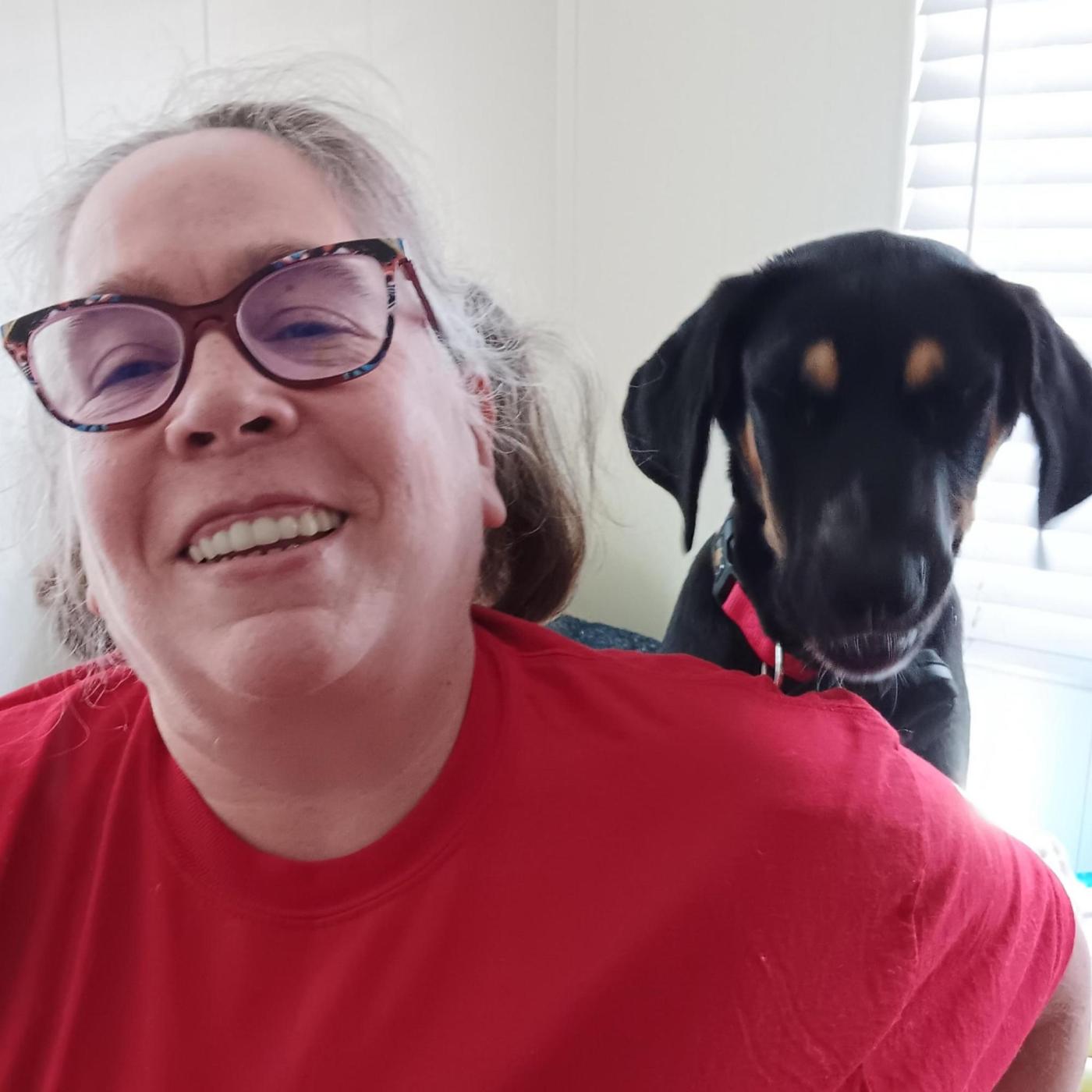
Tina Ewing-Wilson remembers the last time major Medicaid cuts slashed her budget.

In the late 2000s, during the Great Recession, the pot of money she and other Medi-Cal recipients depend on to keep them out of costly residential care homes shrank.

The only way she could afford help was to offer room and board to a series of live-in caregivers who she said abused alcohol and drugs and eventually subjected her to financial abuse. She vowed to never rely on live-in care again.

Now the 58-year-old Republican from the Inland Empire is worried Medicaid cuts being mulled by her party in Washington could force her into another vulnerable spot.

“If they reduce my budget, that doesn’t change the fact that I need 24-hour care,” said Ewing-Wilson, who has struggled with seizures and developmental disabilities her entire life. “If they cut it too much, people will die or they’ll lose their freedoms.”

Similar stories have already surfaced in GOP-held swing districts nationwide where activists have been applying political pressure to sway vulnerable House members from supporting $880 billion in cuts that health experts say would almost certainly hit safety net programs. But in California, which sends more Republicans to Congress than any state west of Texas, consumer groups and health industry giants are joining forces in a quieter campaign to lobby lawmakers in solidly red districts, some of which they say would be disproportionately affected if those cuts materialize.

Organizers are trying to highlight a thorny fact that faces many conservative members as they navigate a complex decision: The scale of spending cuts top GOP leaders are demanding is nearly impossible to achieve without slashing Medicaid funds to states, which are a lifeline for their largely poor, rural districts. In Rep. Doug LaMalfa’s northern Sierra district stretching to the Oregon border, for example, some 43% of residents are enrolled in Medi-Cal, while 48% of residents in Rep. Jay Obernolte’s district, centered on San Bernardino County, rely on Medi-Cal.

“The hospitals, the health plans — we don’t always get along with those folks,” said Dustin Corcoran, CEO of the powerful California Medical Association, which represents more than 55,000 doctors and encouraged its members to call their representatives. “On this, there’s not a lot of daylight. It will take strange bedfellows, for sure.”

The California Hospital Association has sent letters to Republican lawmakers and encouraged executives of its more than 400 member hospitals to reach out or provide tours to them. Consumer advocates and patient groups have protested outside members’ district offices and community health center CEOs have requested private meetings.

The House of Representatives in February approved a budget framework tasking the committee overseeing Medicaid to cut $880 billion over 10 years. While there are still no specific provisions cutting Medicaid, Medicare, or other safety net programs, health care analysts say the magnitude of the spending reductions means they’re inevitable. They could force millions of Californians off Medi-Cal (the state’s Medicaid program covers roughly 15 million people), reduce benefits for those still enrolled, and lower reimbursement rates for physicians at a time of acute provider shortages, said Kristof Stremikis, director of market analysis and insight for the California Health Care Foundation, a nonprofit that advocates on health care policy.

“What you’re talking about at the end of the day is reductions in funding that the states, including California, are in no position to make up,” Stremikis said. “You see that reflected in the different groups that have come together to talk about how important this program is.”

Even before Congress approved its controversial budget plan, Corcoran said, doctors and other industry representatives had been holding weekly calls for months to discuss how to protect Medicaid funding following Republicans’ substantial wins in November. Corcoran has also rallied physicians’ groups out of state, sending a joint letter to House leaders in February. The group has asked individual doctors to call or write their congressional representatives as well.

Many Republican lawmakers appear to be lying low while home after House leadership advised GOP members against holding in-person town halls, blaming Democratic activists for “hijacking” the events. A viral clip showed Obernolte getting booed down by constituents at a district event.

Meanwhile, LaMalfa said on the House floor in February that the spending resolution, which all nine California Republicans voted for, does not cut Medicaid, Medicare, or other social safety net programs.

“Any claim to the contrary is actually fearmongering, plain and simple, or I guess in my neighborhood it would be known as a lie,” he said.

Neither LaMalfa nor Obernolte responded to requests for comment.

Related Articles


Immigration crackdowns disrupt the caregiving industry. Families pay the price


Less heart disease, more breast cancer: 5 takeaways from a new report on moderate drinking


The skyrocketing cost of weight-loss drugs has state Medicaid programs looking for a solution


Ex-official says he was forced out of FDA after trying to protect vaccine safety data from RFK Jr.


Kennedy attends funeral of Texas girl who died of measles

Jo Campbell, who runs a federally qualified health center in LaMalfa’s district, said she has invited the lawmaker to join her and other local clinic executives to explain how the federal government can cut the $880 billion without touching funding crucial to health centers like hers.

“We all kind of live financially on a knife’s edge,” said Campbell, CEO of Hill Country Community Clinic, roughly half of whose patients rely on Medi-Cal. “It could mean the difference of whether or not we keep our doors open.”

Campbell hasn’t heard back from LaMalfa’s office.

Executives at Adventist Health, which has 23 hospitals across California, have met with Central Valley Republican Reps. Vince Fong and David Valadao and have requested a meeting with LaMalfa, with whom they worked closely after one of its hospitals burned in the 2018 Camp Fire.

“They’re all at different places,” said Adventist spokesperson Julia Drefke. “I think they understand what it means for their community. What that translates to in terms of their vote could be a different thing.”

In 2023, Medi-Cal made up more than 80% of patient revenue at Surprise Valley Community Hospital in LaMalfa’s district, for example, and 64% of patient revenue at Loma Linda University Children’s Hospital, in Obernolte’s district, came from Medi-Cal, according to a CHCF analysis of state data.

Sabrina Epstein, a policy analyst with Disability Rights California, said she’s encouraging local activists, no matter where they live, to engage with California’s congressional Republicans.

“It only takes a few votes to keep Medicaid going, to protect it in Congress,” she said. “We don’t know where those votes are going to come from.”

Republicans — swing district or not — will now have to weigh the popularity of Medicaid among their constituents with pressure from national Republicans who see a once-in-a-generation opportunity to shrink the size of government and have shown little mercy for party members who fall out of line. More than three-quarters of Americans have a favorable opinion of Medicaid, according to a January KFF poll.

Complicating that calculation is the recent revelation by Gov. Gavin Newsom’s administration that California’s Medi-Cal program is billions of dollars short and relying on a loan to cover the overrun. Republican state legislators have singled out California’s decision to cover low-income residents regardless of legal status, although other factors have also contributed.

“The majority party decided to add billions of dollars to the cost of Medi-Cal and it was so nonsensical,” said GOP Assembly member Joe Patterson. “That’s a self-inflicted wound.”

Jenny McLelland, whose 13-year-old son has a breathing disability that requires round-the-clock care, said cutting benefits for immigrants would end up costing taxpayers more, when they show up in emergency rooms with more complicated ailments.

“I don’t buy the argument that other people are any less deserving of care than my son,” said McLelland, who lives in Clovis, part of Fong’s district. For her son, Medi-Cal is “a matter of life and death,” she added.

She believes if Fong understood how vital Medi-Cal is to families, he would work to make the system better.

It remains to be seen whether targeting House Republicans will change minds when a final budget package is voted on. Two vulnerable members — Valadao and Young Kim, who represents a district east of Anaheim — have signaled they’ll oppose major cuts to Medicaid. Rep. Ken Calvert, whose Palm Desert district office was targeted by protesters during the spring recess, said in a statement that he favors work requirements and would not support Medicaid cuts for “mothers, children, disabled, and low-income Americans.”

In Valadao’s district, state data shows, two-thirds of residents rely on Medi-Cal, which is the single biggest payer for all five general acute care hospitals there. That includes Adventist Health Delano, which derives two-thirds of patient revenue from Medi-Cal, according to the CHCF analysis.

Most other GOP House members remain silent.

Ewing-Wilson voted for Obernolte, who won reelection by 20 percentage points and is in little danger of losing. She’s been trying for weeks to get a meeting with him. If he votes to cut Medicaid, she said, “I will be very disappointed in him, because I voted for him, expecting that he would care about all of his constituents.”

This article was produced by KFF Health News , which publishes California Healthline , an editorially independent service of the California Health Care Foundation .

©2025 KFF Health News. Distributed by Tribune Content Agency, LLC.
PODCAST: ¿Quiénes son los candidatos a la alcaldía de Nueva York en 2025?

posted in: All news | 0

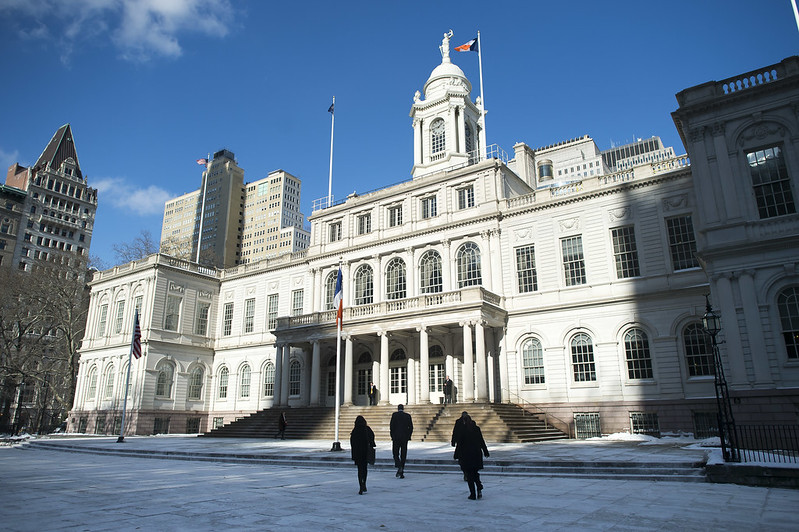
La ciudad de Nueva York se está preparando para las elecciones a la alcaldía de 2025, y primero elegirá al representante de cada partido en las elecciones primarias el próximo 24 de junio, seguido por las elecciones generales, donde se conocerá al próximo alcalde de la ciudad luego del 4 de noviembre.

Rob Bennett/Oficina del Alcalde

La ciudad de Nueva York se está preparando para las elecciones a la alcaldía de 2025, y primero elegirá al representante de cada partido en las elecciones primarias el próximo 24 de junio, seguido por las elecciones generales, donde se conocerá al próximo alcalde de la ciudad luego del 4 de noviembre.

El alcalde Eric Adams aspira a un segundo mandato, aunque su situación ha experimentado un fuerte descenso en los índices de aprobación por meses, y se ha visto salpicado por una serie de escándalos, incluidos cargos federales por corrupción. 

Estos cargos fueron desestimados por un juez federal el miércoles pasado. Luego de la noticia, Adams anunció el jueves que se inscribió como candidato independiente, saltándose las elecciones primarias del partido demócrata, donde hay más de seis inscritos.

Uno de ellos es el exgobernador de Nueva York, Andrew Cuomo, quien renunció en 2021 en medio de acusaciones de acoso sexual. Sin embargo, luego de su anuncio como candidato, ha liderado las encuestas y ha anunciado una gran recaudación con unos  $1.5 millones de dólares.

Zohran Mamdani, un asambleísta estatal progresista de Queens, se ha convertido en una de las sorpresas hasta el momento, logrando recaudar más de $840.000 dólares y en las encuestas se ha posicionado entre los cinco primeros lugares. Propuestas como la congelación de los alquileres para los apartamentos con renta estabilizada y gratuidad para autobuses, han calado entre muchos neoyorquinos que luchan contra las dificultades económicas.

Otra de las candidatas es la presidenta del Consejo Municipal, Adrienne Adams, quien entró en la contienda en marzo, y la senadora estatal de Queens Jessica Ramos, quien es la única candidata latina. Ramos es vista como otra voz progresista, quien ha cimentado su reputación tras oponerse a la construcción de un casino en su distrito y fomentar el aumento del salario mínimo.

Además, hay dos candidatos que han ejercido como contralores de la ciudad: Brad Lander, el actual contralor, y Scott Stringer, quien ejerció el cargo hasta 2021, cuando también fue candidato a la alcaldía.

Así que para hablar de los candidatos, las elecciones y lo que está en juego en la ciudad, invitamos a Edwin Martínez, periodista de El Diario de Nueva York. 

Más detalles en nuestra conversación a continuación.

Ciudad Sin Límites, el proyecto en español de City Limits, y El Diario de Nueva York se han unido para crear el pódcast “El Diario Sin Límites” para hablar sobre latinos y política. Para no perderse ningún episodio de nuestro pódcast “El Diario Sin Límites” síguenos en Spotify, Soundcloud, Apple Pódcast y Stitcher. Todos los episodios están allí. ¡Suscríbete!

The post PODCAST: ¿Quiénes son los candidatos a la alcaldía de Nueva York en 2025? appeared first on City Limits.

Suicides and attempts fall in health systems implementing the ‘Zero Suicide Model,’ study finds

posted in: All news | 0

By CARLA K. JOHNSON

Health care systems can reduce suicides through patient screening, safety planning and mental health counseling, a new study suggests, an important finding as the U.S. confronts it 11th leading cause of death.

Related Articles


Immigration crackdowns disrupt the caregiving industry. Families pay the price


Less heart disease, more breast cancer: 5 takeaways from a new report on moderate drinking


The skyrocketing cost of weight-loss drugs has state Medicaid programs looking for a solution


Ex-official says he was forced out of FDA after trying to protect vaccine safety data from RFK Jr.


Kennedy attends funeral of Texas girl who died of measles

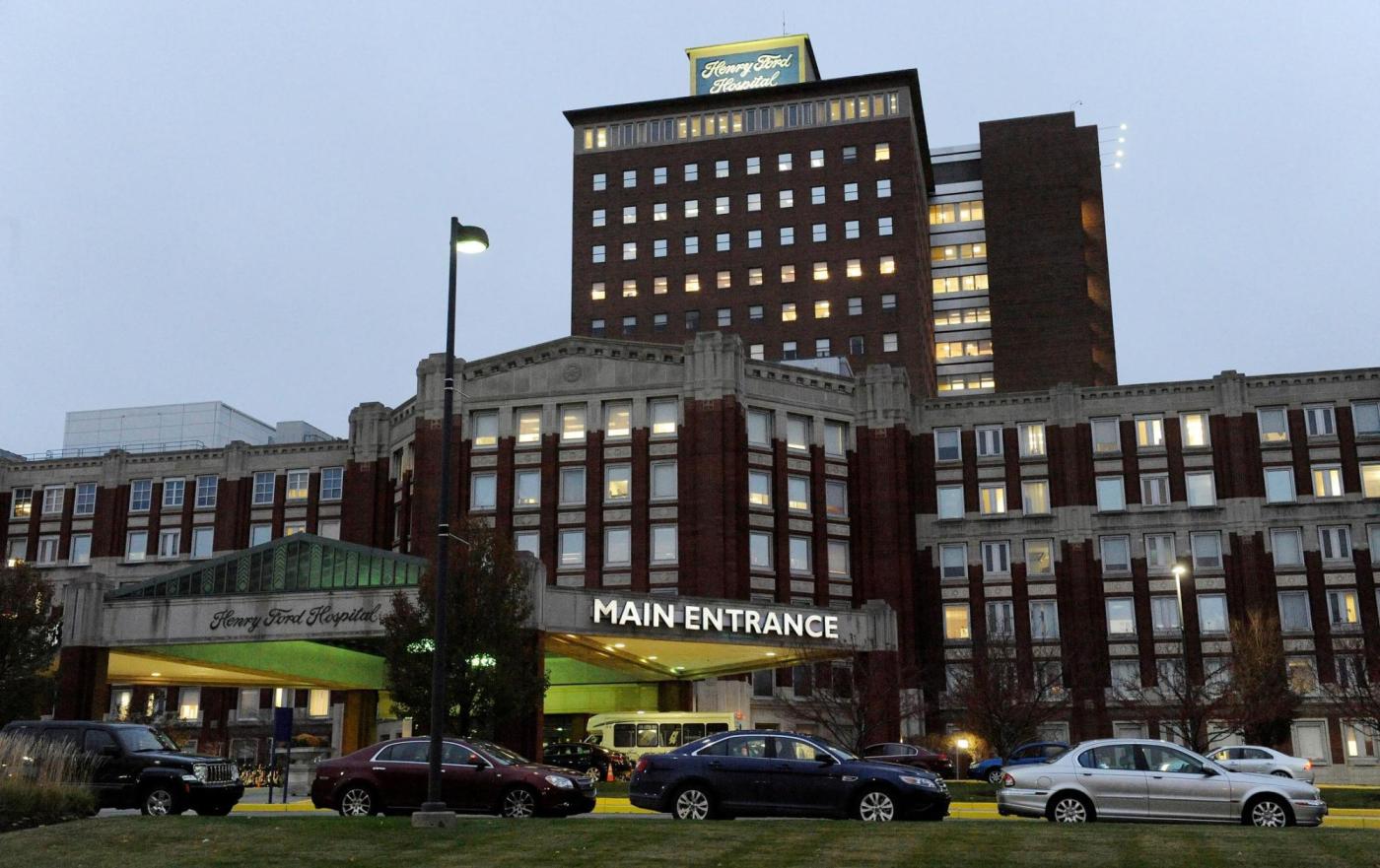
The “Zero Suicide Model” was developed in 2001 at Detroit-based Henry Ford Health, where the focus on people considering suicide included collaborating with patients to reduce their access to lethal means such as firearms and then following up with treatment.

The approach made a difference, and for all of 2009, the health system saw no suicides among patients. The researchers then studied what happened when a different health system, Kaiser Permanente, adopted the program in four locations from 2012 through 2019.

Suicides and suicide attempts fell in three of the locations, while the fourth maintained a low rate of suicides and attempts. Suicide attempts were tracked in electronic health records and insurance claims data. Suicides were measured using government death records.

Reductions varied and reached up to 25%, said lead author Brian Ahmedani, of Henry Ford Health.

“Over the course of the year, that’s up to 165 to 170 suicide attempts that were prevented at these participating health care systems,” Ahmedani said.

The study, published Monday in JAMA Network Open, shows the model works, said Katherine Keyes, a Columbia University public health professor who studies suicide.

Prior research has shown that nearly everyone who dies by suicide is seen by a health care provider in the year before their death, Keyes said. Many doctor’s offices have started asking patients whether they’ve thought about harming themselves.

“We are coming into contact with people who are at high risk for suicide. If we don’t ask them, we don’t know,” said Keyes who was not involved in the new study.

Grants from the National Institute of Mental Health funded the research.

“Complex health problems like suicide cannot be challenged effectively without federal leadership,” said Mike Hogan, who led mental health systems in Connecticut, Ohio and New York, and chaired President George W. Bush’s commission on mental health in 2002 and 2003.

“This is a very important research report, confirming that reducing suicide among people in health systems is possible,” Hogan said.

The Associated Press Health and Science Department receives support from the Howard Hughes Medical Institute’s Science and Educational Media Group and the Robert Wood Johnson Foundation. The AP is solely responsible for all content.

5 top mistakes to avoid during a market sell-off

posted in: All news | 0

By Brian Baker, CFA, Bankrate.com

Stocks sold off in early April as investors grappled with how tariffs would impact inflation and the outlook for economic growth. Some investors even grew concerned about a possible recession. Some of the biggest tech companies saw their shares tumble 20% or more, with Tesla falling around 50% from its recent high. The Federal Reserve faces the challenge of whether to cut interest rates at the risk of keeping inflation above its target, or keeping rates elevated at the risk of seeing economic growth slow.

Related Articles


Kids under 16 will no longer be allowed to livestream on Instagram without parental consent


Mendota Heights med tech company to lay off 124 workers after acquisition


China says it will ‘fight to the end’ after Trump threatens to impose still more tariffs


Wall Street could be headed for a bear market. Here’s what that means


Bogus report on tariff pause briefly lifted markets before White House denied it

It can be concerning to watch markets fall quickly and see your portfolio and retirement accounts decline in value. But it’s especially important during market declines to keep your eyes on your long-term goals. Don’t fall into the trap of thinking you can time the market, jumping in when things are good and out when things are bad. Avoiding this and other misguided moves will serve you well in the long run.

Working with a financial adviser can help you navigate uncertain economic times. Bankrate’s financial adviser matching tool can help you find an adviser in your area.

Avoid making these investment mistakes when markets plunge

1. Don’t become a short-term trader

It can be tempting during declines to get wrapped up in the latest news and the tick-by-tick of where markets are trading. Cable news shows have rapidly moving prices flashing on the screen at all times and may hold nightly specials to discuss where things are headed next. But the truth is that these so-called experts are a lot better at explaining what has happened than what’s going to happen.

Remember why you invested in the first place and keep those goals in mind. Many people invest for long-term goals like retirement, which might still be decades away. Resist the urge to become a short-term trader just because prices are moving around a lot. If you didn’t predict the current sell-off, don’t think you can predict what will happen next.

2. Don’t chase recent winners

When markets are falling, it’s natural to think about where you could be invested to avoid the current pain. But selling what has gone down to buy what has already gone up isn’t likely to be a winning strategy over time. You may feel better in the short term and you may even make money for a period of time, but you’ll be better off sticking with your chosen portfolio allocations and rebalancing toward those allocations as prices change.

Remember that stocks are part of a long-term investment plan and their volatility is to be expected. Your reward for handling periods of high volatility is a return that has averaged around 10% per year for decades, based on the S&P 500.

3. It’s not the time to panic and sell everything

Watching a portfolio decline during a market sell-off isn’t something anyone enjoys. It can trigger an emotional response to watch money we saved and invested seemingly disappear in a period of hours or days. You might even have a very strong urge to sell, just to keep your portfolio from declining even more. But that would be a mistake.

Investors who think they can get out of the market until things settle down or until there’s less uncertainty are likely to miss the recovery when it comes. And the recovery can be just as swift as the decline, penalizing those who got out and failed to get back in.

Selling can be especially harmful if it ends up being the right call for a period of time. If stocks continue to fall after you sell, you may feel great about your decision. It’s nice to watch your portfolio stabilize while the markets are still selling off. But the problem is that it can feel so good that you may never get back in, or once you do, you’re stuck paying higher prices than you sold at.

Consider consulting with a financial adviser who can help you stick to your long-term investing plan when market volatility is giving you doubts.

4. Don’t check your portfolio constantly

Following every move in the market and constantly worrying about your fluctuating portfolio isn’t likely to lead to sound investment decisions during a market sell-off. If you’re constantly checking, it’s probably a sign that you’re worried, which could make it more likely that you make an emotional decision.

It’s also worth reminding yourself that if you participate in a workplace retirement plan such as a 401(k), you’re likely adopting the practice of dollar-cost averaging, which involves making consistent purchases of investments (in this case, usually mutual funds) over time. This approach means that you’re buying fewer shares when prices are high and more shares when they’re low.

5. Cash is no place to hide

Cash may seem like the ideal place to be when markets are in free fall, but it’s actually a lousy asset to hold as a long-term investment. With inflation still elevated, you’re already losing purchasing power with your money in a traditional savings or checking account. The Federal Reserve hopes long-term inflation will be around 2% per year, so cash is very likely to be worth less over time.

If you have short-term spending needs or are building an emergency fund, cash makes sense to hold for those needs, but it doesn’t make sense as a large position in a long-term investment portfolio when your goals are still decades away. Holding a small amount of your portfolio in cash — say 5% or less — may help you to take advantage of market declines when they come, allowing you to make purchases at attractive prices. But remember, cash maximizes its value by actually being invested at some point, not just sitting there.

Bottom line

Market sell-offs are unnerving and can lead to emotional decision-making. But you can avoid making mistakes by slowing down and thinking through your long-term investment plan. Remember that volatility is part of investing and knowing how to handle it properly can increase your long-term returns and make it more likely that you’ll achieve your goals.

Editorial Disclaimer: All investors are advised to conduct their own independent research into investment strategies before making an investment decision. In addition, investors are advised that past investment product performance is no guarantee of future price appreciation.

©2025 Bankrate.com. Distributed by Tribune Content Agency, LLC.