Texas measles outbreak includes multiple cases at a day care in Lubbock

posted in: All news | 0

By JAMIE STENGLE

A day care facility in a Texas county that’s part of the measles outbreak has multiple cases, including children too young to be fully vaccinated, public health officials say.

West Texas is in the middle of a still-growing measles outbreak with 481 cases Friday. The state expanded the number of counties in the outbreak area this week to 10. The highly contagious virus began to spread in late January and health officials say it has spread to New Mexico, Oklahoma, Kansas and Mexico.

Three people who were unvaccinated have died from measles-related illnesses this year, including two elementary school-aged children in Texas. The second child died Thursday at a Lubbock hospital, and Health Secretary Robert F. Kennedy Jr. attended the funeral in Seminole, the epicenter of the outbreak.

As of Friday, there were seven cases at a day care where one young child who was infectious gave it to two other children before it spread to other classrooms, Lubbock Public Health director Katherine Wells said.

“Measles is so contagious I won’t be surprised if it enters other facilities,” Wells said.

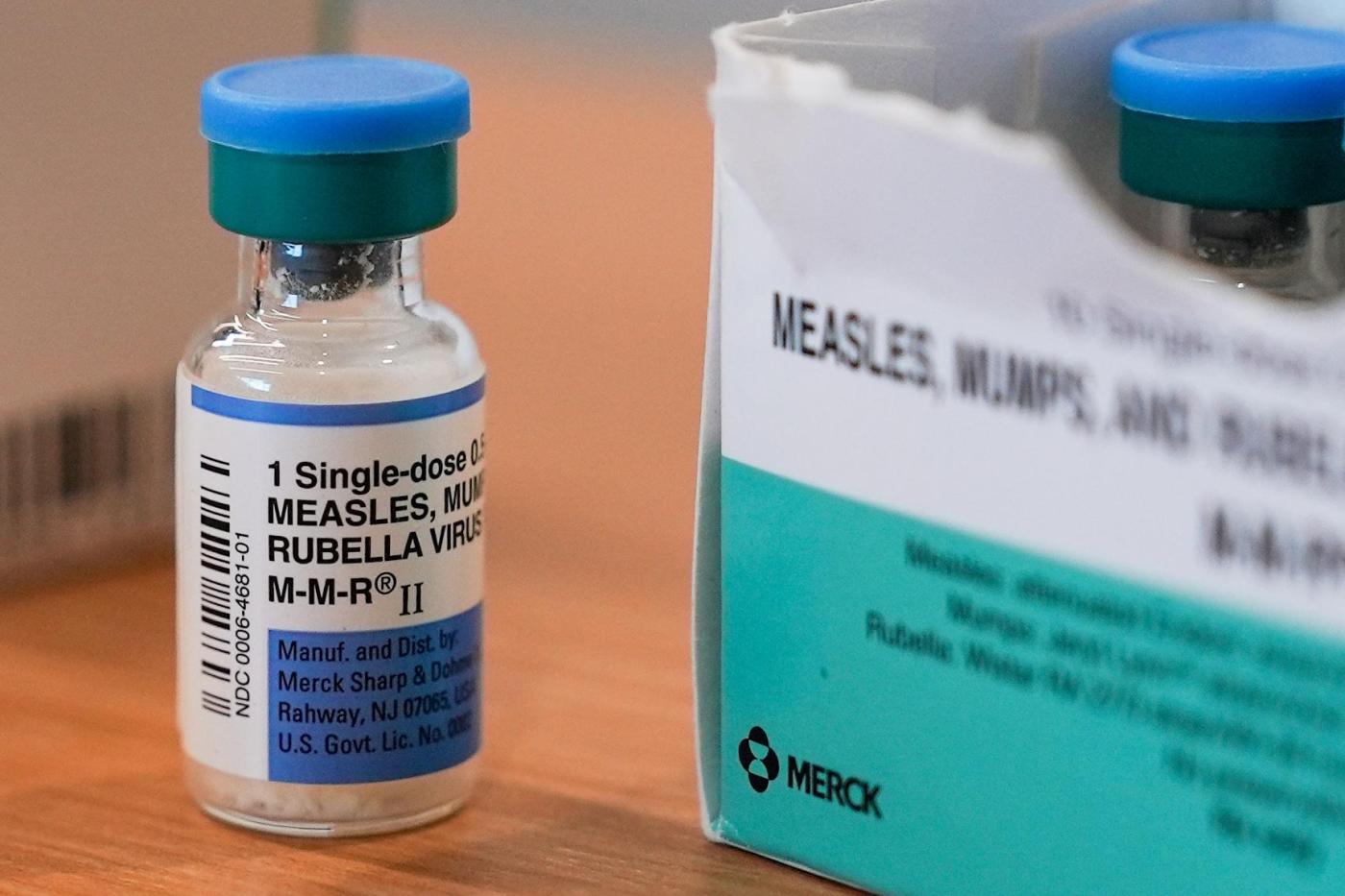
There are more than 200 children at the day care, Wells said, and most have had least one dose of the measles, mumps and rubella vaccine, which is first recommended between 12 and 15 months old and a second shot between 4 and 6 years old.

“We do have some children that have only received one dose that are now infected,” she said.

The public health department is recommending that any child with only one vaccine get their second dose early, and changed its recommendation for kids in Lubbock County to get the first vaccine dose at 6 months old instead of 1. A child who is unvaccinated and attends the day care must stay home for 21 days since their last exposure, Wells said.

Case count and hospitalization numbers in Texas have climbed steadily since the outbreak began, and spiked by 81 cases from March 28 to April 4, with 16 more people hospitalized in that time.

The U.S. Centers for Disease Control and Prevention met with Texas officials Monday to determine how many people it would send to West Texas to assist with the outbreak response, spokesman Jason McDonald said Monday. He expected a small team to arrive later this week, followed by a bigger group on the ground next week.

The CDC said its first team was in the region from early March to April 1, withdrawing on-the-ground support days before a second child died in the outbreak.

AP reporter Amanda Seitz in Washington contributed to this report.
South Korea’s military fires warning shots after North Korean soldiers cross the border

posted in: All news | 0

By HYUNG-JIN KIM, Associated Press

SEOUL, South Korea (AP) — South Korea’s military fired warning shots after North Korean soldiers crossed the rivals’ tense border on Tuesday, South Korean officials said, the first known border intrusion by North Korea in nearly a year.

Violent confrontations and bloodshed have occasionally happened at the Koreas’ heavily fortified border, called the Demilitarized Zone. But Tuesday’s incident won’t likely escalate, as it didn’t cause any casualties on either side and North Korea hasn’t returned fire.

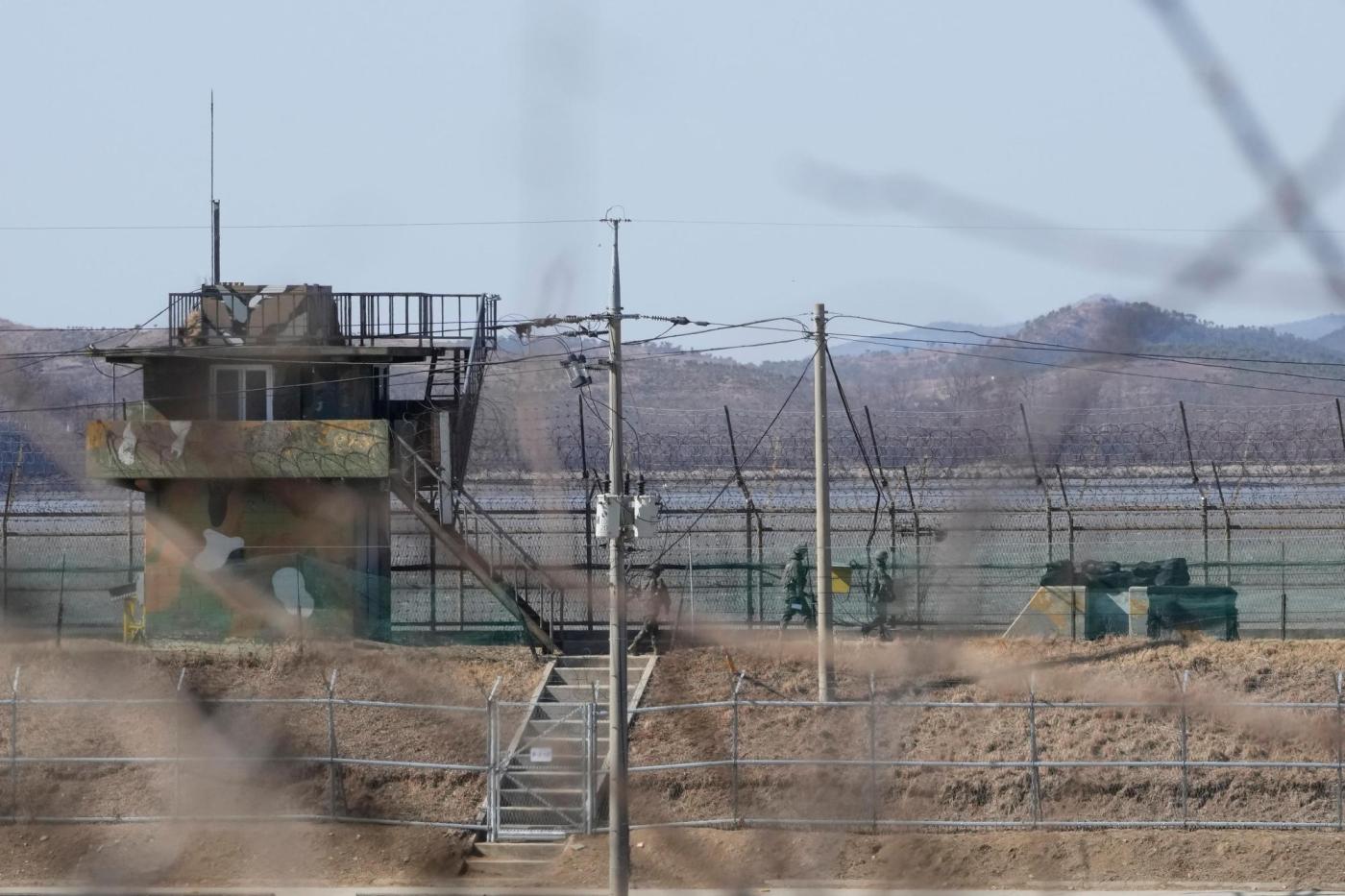
About 10 North Korean soldiers — some carrying weapons — violated the military demarcation line at the eastern section of the DMZ at 5 p.m. They returned to North Korea after South Korea broadcast warnings and fired warning shots, South Korea’s Joint Chiefs of Staff said in a statement.

South Korea’s military said it is closely monitoring North Korean activities. It said North Korea didn’t return fire.

In June last year, North Korean troops violated the border three times, prompting South Korea to fire warning shots. The incidents occurred when the Koreas were embroiled in Cold War-style campaigns like balloon launches and propaganda broadcasts, but they didn’t develop into a major source of tensions.

South Korea’s military assessed at the time that the North Korean soldiers didn’t deliberately commit the border intrusion and the site was a wooded area where military demarcation line signs weren’t clearly visible. Observers said the North Korean soldiers might have accidently crossed the border while adding anti-tank barriers, planting mines or engaging in other works to boost border defenses.

The motive for Tuesday’s border crossing by North Korean soldiers wasn’t immediately clear.

South Korea’s military said in late March that North Korea was resuming front-line works such as reinforcing barbed wire fences. South Korean media, citing the military, reported that North Korean soldiers might have unintentionally intruded into South Korea’s territory on Tuesday during a patrol mission ahead of unspecified front-line works.

In October, North Korea said it would build defense structures at the border to cope with “confrontational hysteria” by South Korean and U.S. forces. That was seen as an effort to beef up its front-line security posture and prevent its soldiers and citizens from defecting to South Korea.

The 248-kilometer (155-mile) -long, 4-kilometer (2.5-mile) -wide DMZ is one of the world’s most heavily armed borders. An estimated 2 million mines are peppered inside and near the border, which is also guarded by barbed wire fences, tank traps and combat troops on both sides. It’s a legacy of the 1950-53 Korean War, which ended with an armistice, not a peace treaty.

Animosities between the Koreas are running high now as North Korean leader Kim Jong Un continues to flaunt his military nuclear capabilities and align with Russia over President Vladimir Putin’s war on Ukraine. Kim is also ignoring calls by Seoul and Washington to resume denuclearization negotiations.

Since his Jan. 20 inauguration, U.S. President Donald Trump has said he would reach out to Kim again to revive diplomacy. North Korea has not responded to Trump’s remarks and says U.S. hostilities against it have deepened since Trump’s inauguration. Experts say Kim could eventually return to talks with Trump, hoping that his advancing nuclear program would help North Korea win greater U.S. concessions.

South Korea, meanwhile, is experiencing a leadership vacuum after the ouster of President Yoon Suk Yeol last week over his ill-fated imposition of martial law. Yoon’s push to expand military drills with the U.S. had infuriated North Korea.

Associated Press writer Kim Tong-hyung contributed to this report.

Trump is expected to sign executive orders to boost coal, a reliable but polluting energy source

posted in: All news | 0

By MATTHEW DALY, Associated Press

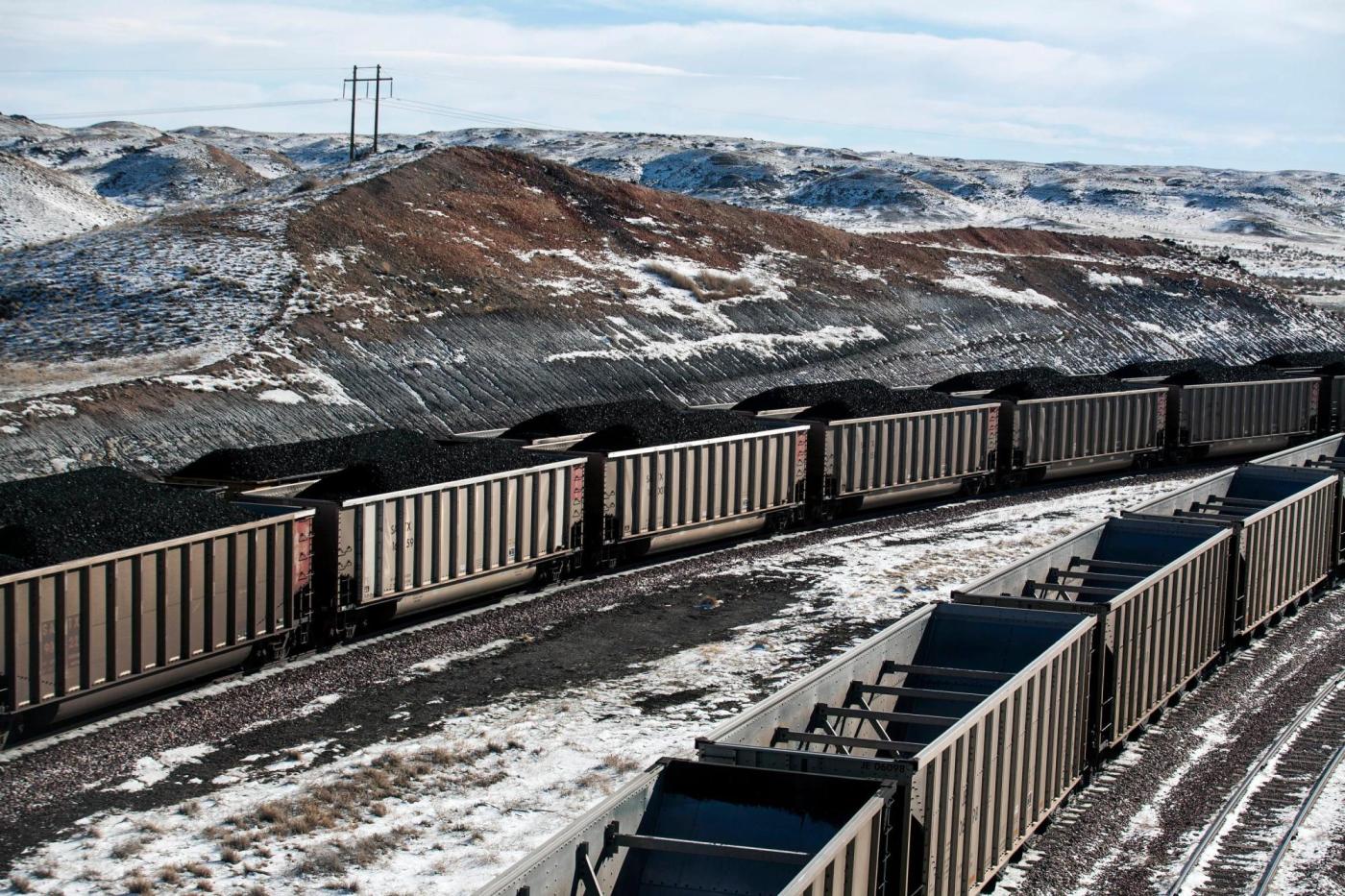
WASHINGTON (AP) — President Donald Trump is expected to sign executive orders Tuesday aimed at boosting coal, a reliable but polluting energy source that’s long been in decline.

According to two senior White House officials, Trump will use his emergency authority to allow some older coal-fired power plants set for retirement to keep producing electricity to meet rising U.S. power demand amid growth in data centers, artificial intelligence and electric cars. The officials spoke on the condition of anonymity because they were not authorized to discuss the issue before the president’s announcement, expected Tuesday afternoon.

President Donald Trump departs after signing an executive order at an event to announce new tariffs in the Rose Garden of the White House, Wednesday, April 2, 2025, in Washington. (AP Photo/Evan Vucci)

Trump, a Republican, has long promised to boost what he calls “beautiful” coal to fire power plants and for other uses, but the industry has been in decline for decades.

The orders expected Tuesday will direct federal agencies to identify coal resources on federal lands, lift barriers to coal mining and prioritize coal leasing on U.S. lands, according to information from the White House officials.

The orders also will direct Interior Secretary Doug Burgum to “acknowledge the end” of an Obama-era moratorium that paused coal leasing on federal lands and require federal agencies to rescind policies transitioning the nation away from coal production.

Related Articles


Trump’s DHS revokes legal status for migrants who entered the US on Biden-era CBP One app


China says it will ‘fight to the end’ after Trump threatens to impose still more tariffs


Trump administration is having early talks to hold a military parade in nation’s capital on June 14


Supreme Court allows Trump to deport Venezuelans under wartime law, but only after judges’ review


RFK Jr. says he plans to tell CDC to stop recommending fluoride in drinking water

The orders also seek to promote coal and coal technology exports and to accelerate development of coal technologies.

Trump has long suggested that coal can help meet surging electricity demand from manufacturing and the massive data centers needed for artificial intelligence.

“Nothing can destroy coal. Not the weather, not a bomb — nothing,” Trump told the World Economic Forum in Davos, Switzerland, by video link in January. “And we have more coal than anybody.”

Energy experts say any bump for coal under Trump is likely to be temporary because natural gas is cheaper and there’s a durable market for renewable energy such as wind and solar power no matter who holds the White House.

Seung Min Kim contributed to this report.

Scientists genetically engineer wolves with white hair and muscular jaws like the extinct dire wolf

posted in: All news | 0

By CHRISTINA LARSON, Associated Press Science Writer

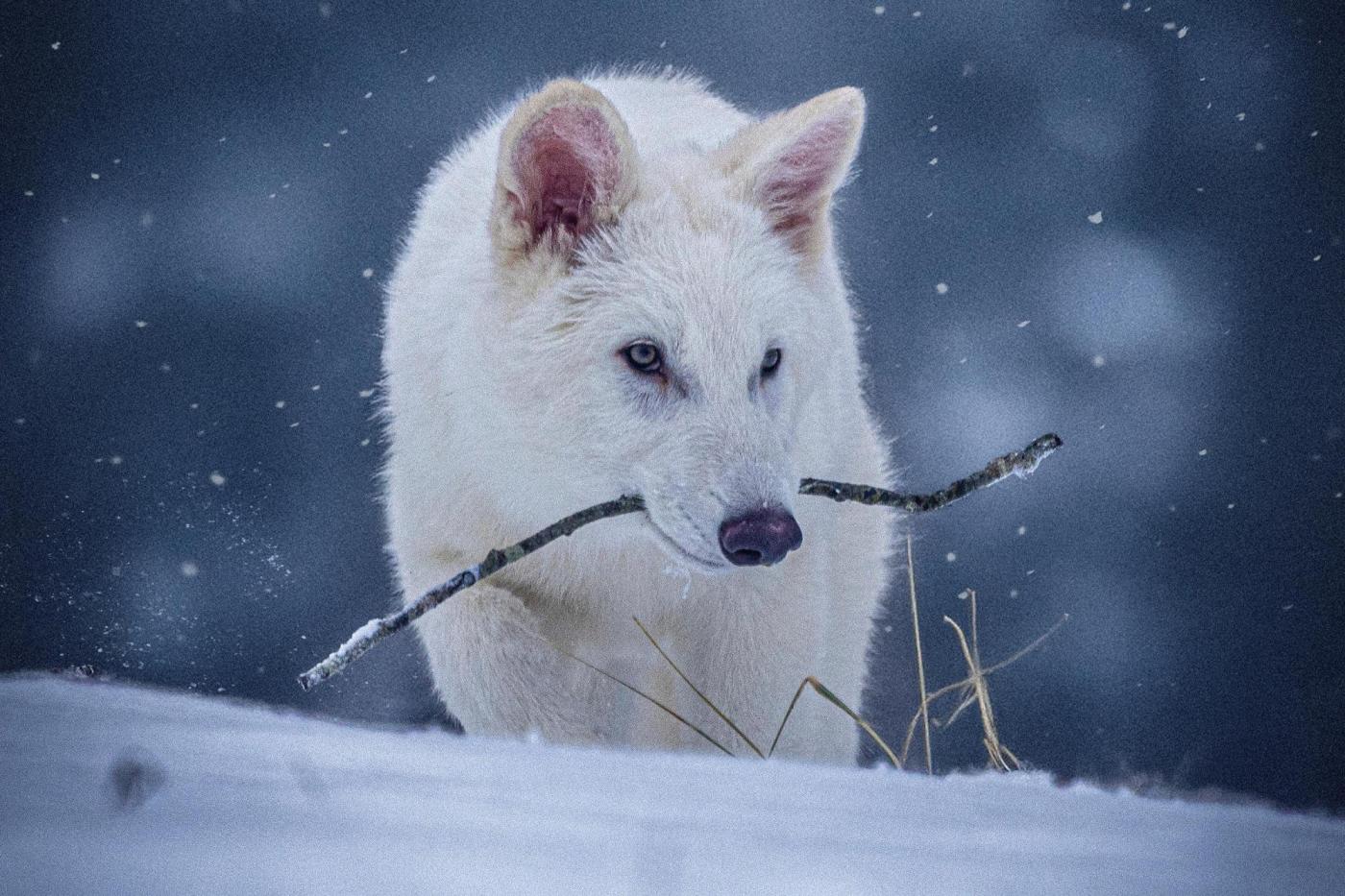
Three genetically engineered wolves that may resemble extinct dire wolves are trotting, sleeping and howling in an undisclosed secure location in the U.S., according to the company that aims to bring back lost species.

The wolf pups, which range in age from three to six months old, have long white hair, muscular jaws and already weigh in at around 80 pounds — on track to reach 140 pounds at maturity, researchers at Colossal Biosciences reported Monday.

This undated photo provided by Colossal Biosciences shows two pups that were genetically engineered with similarities to the extinct dire wolf. (Colossal Biosciences via AP)

Dire wolves, which went extinct more than 10,000 years ago, are much larger than gray wolves, their closest living relatives today.

Independent scientists said this latest effort doesn’t mean dire wolves are coming back to North American grasslands any time soon.

“All you can do now is make something look superficially like something else”— not fully revive extinct species, said Vincent Lynch, a biologist at the University at Buffalo who was not involved in the research.

Colossal scientists learned about specific traits that dire wolves possessed by examining ancient DNA from fossils. The researchers studied a 13,000 year-old dire wolf tooth unearthed in Ohio and a 72,000 year-old skull fragment found in Idaho, both part of natural history museum collections.

This undated photo provided by Colossal Biosciences shows Romulus and Remus, both 3-months old and genetically engineered with similarities to the extinct dire wolf. (Colossal Biosciences via AP)

Then the scientists took blood cells from a living gray wolf and used CRISPR to genetically modify them in 20 different sites, said Colossal’s chief scientist Beth Shapiro. They transferred that genetic material to an egg cell from a domestic dog. When ready, embryos were transferred to surrogates, also domestic dogs, and 62 days later the genetically engineered pups were born.

Colossal has previously announced similar projects to genetically alter cells from living species to create animals resembling extinct woolly mammoths, dodos and others.

Though the pups may physically resemble young dire wolves, “what they will probably never learn is the finishing move of how to kill a giant elk or a big deer,” because they won’t have opportunities to watch and learn from wild dire wolf parents, said Colossal’s chief animal care expert Matt James.

Colossal also reported today that it had cloned four red wolves using blood drawn from wild wolves of the southeastern U.S.’s critically endangered red wolf population. The aim is to bring more genetic diversity into the small population of captive red wolves, which scientists are using to breed and help save the species.

This technology may have broader application for conservation of other species because it’s less invasive than other techniques to clone animals, said Christopher Preston, a wildlife expert at the University of Montana who was not involved in the research. But it still requires a wild wolf to be sedated for a blood draw and that’s no simple feat, he added.

Colossal CEO Ben Lamm said the team met with officials from the U.S. Interior Department in late March about the project. Interior Secretary Doug Burgum praised the work on X on Monday as a “thrilling new era of scientific wonder” even as outside scientists said there are limitations to restoring the past.

“Whatever ecological function the dire wolf performed before it went extinct, it can’t perform those functions” on today’s existing landscapes, said Buffalo’s Lynch.

The Associated Press Health and Science Department receives support from the Howard Hughes Medical Institute’s Science and Educational Media Group and the Robert Wood Johnson Foundation. The AP is solely responsible for all content.