Russian attacks during Easter ceasefire declared by Putin killed 3 in Ukraine’s Kherson region

posted in: All news | 0

By ILLIA NOVIKOV

KYIV, Ukraine (AP) — Russian attacks during the 30-hour Easter ceasefire unilaterally declared by President Vladimir Putin over the weekend killed three people in Ukraine’s southern Kherson region, a regional official said Monday.

Oleksandr Prokudin, the head of Kherson’s administration, wrote on Telegram that the casualties occurred over the last 24 hours, adding that three others were wounded in the region, parts of which are occupied by Russia.

After Putin declared the move on Saturday, Ukraine responded by voicing readiness to reciprocate any genuine ceasefire but said the Russian attacks continued. Ukrainian President Volodymyr Zelenskyy said that Russia violated the ceasefire more than 2,900 times.

Zelenskyy said that Russian forces carried out 96 assault operations along the front line, shelled Ukrainian positions more than 1,800 times and used hundreds of drones during the course of the ceasefire. “The nature of Ukrainian actions will continue to be mirror-like: we will respond to silence with silence, and our blows will be a defense against Russian blows. Actions always speak louder than words,” he said.

The Russian Defense Ministry, for its part, listed 4,900 Ukrainian violations of the ceasefire. It charged that Moscow’s forces “strictly observed the ceasefire and remained at previously occupied lines and positions.”

Speaking Monday, Putin said that the fighting resumed after the ceasefire expired at midnight (2100 GMT). Commenting on Zelenskyy’s call for a comprehensive 30-day ceasefire or, at least, a halt on strikes on civilian facilities, the Russian leader noted that Kyiv was trying to “seize the initiative,” adding that “we must think about it, carefully assess everything and look at the results of the ceasefire.”

The Russian leader has previously made a full ceasefire conditional on halting Western arms supplies to Kyiv and Ukraine’s mobilization effort — demands rejected by Ukraine.

Kremlin spokesman Dmitry Peskov told reporters on Monday that Russia would inform “all the interested parties” about the Ukrainian violations of the ceasefire.

Peskov said that Russia “remains open to searching for a peaceful settlement and is continuing to work with the American side,” adding that “we certainly hope that this work will produce results.”

Asked if there is a proposal from the U.S. that Kyiv recognize Crimea that Moscow annexed in 2014 as part of Russia, President Donald Trump responded that “I will be giving you a full detail over the next three days,” adding that “we had very good meetings on Ukraine, Russia.”

Related Articles


Salvadoran President Bukele proposes prisoner swap with Maduro for Venezuelan deportees


China warns countries against making trade deals with the US unfavorable to Beijing


JD Vance was one of the last leaders to meet with Pope Francis


Global tributes pour in to honor Pope Francis after his death


What are the church’s rites after the death of a pope and the election of a new one?

Zelenskyy has firmly ruled out the recognition of any temporarily occupied Ukrainian territory as Russian.

On Monday, the Ukrainian president spoke to U.K. Prime Minister Keir Starmer ahead of Wednesday’s talks between Ukrainian, British, French and U.S. officials in London.

“We are ready to move forward as constructively as possible, just as we have done before, to achieve an unconditional ceasefire, followed by the establishment of a real and lasting peace,” Zelenskyy said on X. “An unconditional ceasefire must be the first step toward peace, and this Easter made it clear that it is Russia’s actions that are prolonging the war.”

Overnight into Monday, the Russian forces fired three missiles at Ukraine’s southern regions of Kherson and Mykolaiv regions, as well as 96 Shahed drones targeting other parts of the country, Ukraine’s Air Force reported. It said it downed 42 drones, while 47 others were jammed mid-flight.

In the Dnipropetrovsk region, Russian drones sparked a fire at an “outbuilding” and a “food enterprise,” regional administration head Serhii Lysak wrote on Telegram. No one was injured in the attack, he said. An unspecified infrastructure object was damaged in the Cherkasy region overnight, regional head Ihor Taburets said on Telegram.

Four civilians also sustained injuries in the partially occupied Donetsk region, according to regional head Vadym Filashkin, who said that the Russian forces shelled settlements in the region five times over the last 24 hours.

Chris Megerian contributed to this report from Washington.

Where are Gophers projected to go in NFL Draft?

posted in: All news | 0

Gophers football might challenge its program record for amount of selections in the NFL Draft this week.

Minnesota set the modern-day, seven-round record at five picks in 2020 when Antoine Winfield Jr., Tyler Johnson, Carter Coughlin, Kamal Martin and Chris Williamson heard their names called. This year, the U’s top hopefuls include Aireontae Ersery, Jay Joyner, Justin Walley, Cody Lindenberg, Max Brosmer and Daniel Jackson.

In a bit of foreshadowing, Minnesota set a school record when that half dozen went to the NFL Scouting Combine this winter, although that isn’t a one-to-one comparison; the combine brought 329 players to Indianapolis and the NFL Draft only includes 257 picks this week in Green Bay.

Gophers head coach P.J. Fleck was asked last week how many picks he foresees for the U.

“As many as we possibly can have, hopefully a record,” he said, “That would be great.”

The Gophers’ weight room inside the Larson Football Performance Center has banners along its second-story balcony commemorating its streak of first- and second-round picks: safety Winfield (Buccaneers, 2020); receiver Rashod Bateman (Ravens, 2021); defensive end Boye Mafe (Seattle, 2022); center John Michael Schmitz (Giants, 2023); and safety Tyler Nubin (Giants, 2024).

“We take a lot of pride in it,” Fleck said. “I’m not going to sit here and say, ‘All shucky darn, oh wow, yeah, it’s just kind of luck.’ We take a lot of pride in developing our players (into) what they dream of being.”

The Gophers don’t have a projected first-round pick for Thursday. Instead, they have a few players who could be taken in the second and third rounds on Friday, and more likely waiting until the fourth through seventh rounds, and ensuing free agency, on Saturday.

Here’s a big board of where Gophers are projected to go based on mock drafts from The Athletic and Pro Football Focus, along with NFL.com projections and their Relative Athletic Score (RAS) from the combine and U Pro Day.

Cream of the class

1. Aireontae Ersery, left tackle

The Athletic, 2nd round; PFF, 3rd round; NFL.com, 6.25 (eventual starter); RAS, 9.42 out of 10

The 2024 Big Ten offensive lineman of the year has the size (6-foot-6 and 331 pounds) and athleticism (5.01-second 40-yard dash) to be a starting tackle in the NFL. The Kansas City, Mo., native is considered to be outside the upper crust of the position in this class.

Next tier

2. Jay Joyner, defensive end

The Athletic, 5th round; PFF: 6th round, NFL.com: 5.97 (average backup or special teamer); RAS, 6.88

At 6-4, 262 pounds and with above-average testing, the Connecticut product will entice teams as an EDGE player. But his production at the U dipped from a team-high 7½ sacks and 46 pressures in 2023 to 4½ sacks and 31 pressures in 2024.

3. Justin Walley, cornerback

The Athletic, 6th round; PFF, 4th round; NFL.com, 5.96 (average backup or special teamer); RAS, 5.97

Walley was plugged in as a starting cornerback as a true freshman and became Mr. Reliable. Fleck called Walley one of the best players he’s ever coached. While far from the biggest at 5-foot-10, 190 pounds, the Mississippian amassed 155 tackles and seven interceptions in his career.

Likely Day 3 options

4. Cody Lindenberg, linebacker

The Athletic, 5th-6th rounds; PFF, 7th round; NFL.com, 5.80 (average backup or special teamer); RAS, 8.16.

Overcame injuries in 2021 and 2023 to lead the U with 94 total tackles and be named all-Big Ten first team last fall. A studious player who has five-time All-Pro Luke Kuechly as a mentor, the Anoka native has old-school size (6-2, 236) but the athleticism to play at the next level.

5. Max Brosmer, quarterback

The Athletic, 6-7th rounds; PFF, 7th round; NFL.com, 5.83 (average backup); RAS, not tracked.

The New Hampshire graduate transfer made a successful transition from FCS to the Big Ten, where he set the U’s single-season completion record (268) last fall. He’s an intelligent player from Georgia who prepares at an exceptional level to overcome some limits and set up a backup role in the NFL.

6. Daniel Jackson, receiver

The Athletic, free agent; PFF, free agent; NFL.com, 5.85 (average backup or special teamer); RAS, 7.13.

The Kansas City, Mo., native developed into one of the most-productive receivers in Gophers history with 208 receptions, 2,685 yards and 19 touchdowns — all top six in school history. He projects into a fringe slot receiver in the NFL.

Sleeper

7. Jack Henderson, Nickleback

The Athletic, free agent; PFF, free agent; NFL.com, N/A; RAS, 9.38.

The Southeastern Louisiana transfer’s RAS score ranked 78 out of 1,235 strong safeties from 1987 to 2025. At 6-foot-2, 210 pounds, he is a versatile player who made a successful leap from FCS over two seasons, with 44 tackles and six sacks a year ago.

Other hopefuls

Cornerback Ethan Robinson, guard Tyler Cooper, defensive end Danny Striggow, guard Quinn Carroll, receiver Elijah Spencer, tight end Nick Kallerup, kicker Dragan Kesich, punter Mark Crawford and running backs Marcus Major and Jaren Mangham.

Related Articles


Gophers football: Running back Jaydon Wright to enter transfer portal


Gophers football adds Hawkeyes cornerback via transfer portal


Gophers football seek another quarterback in transfer portal
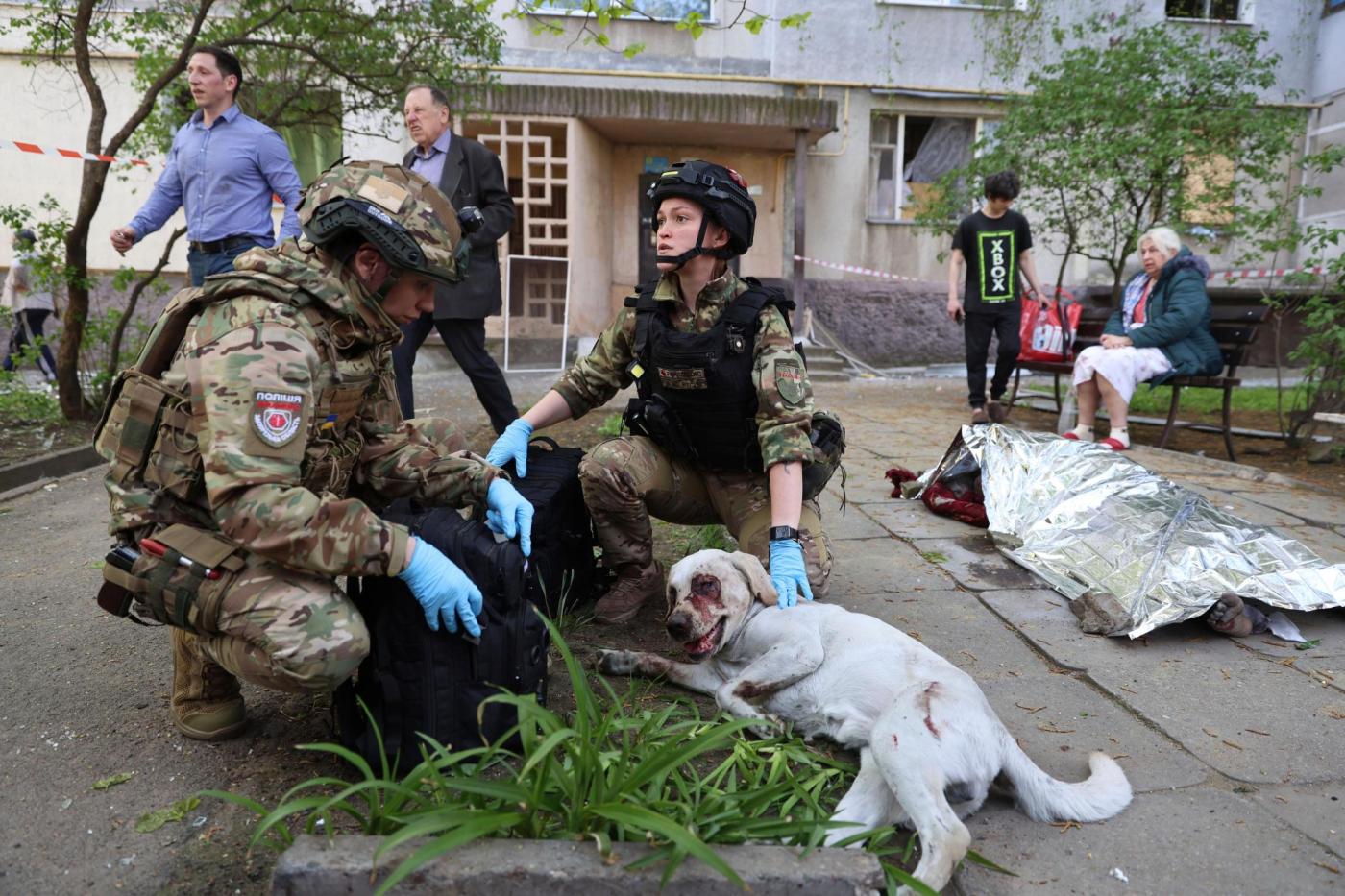

Gophers quarterback Zach Pyron enters NCAA transfer portal


Gophers football: P.J. Fleck doesn’t anticipate ‘plethora’ of movement in NCAA transfer portal

CDC advisory group considers narrowing COVID vaccine recommendations

posted in: All news | 0

Next year’s COVID vaccine recommendations from the U.S. Centers for Disease Control and Prevention appear likely to be less expansive than in previous years.

Notes from a recent meeting of the CDC’s Advisory Committee on Immunization Practices’ COVID-19 Work Group show health officials are considering narrowing the recommended age range for universal vaccination from everyone over 6 months to those 65 and older and people with health complications for the next respiratory virus season.

Related Articles


Spring allergies are back. Here’s how to check pollen levels and keep from sneezing


Misinformation about fentanyl exposure threatens to undermine overdose response


Is your teen sleep-deprived? These expert bedtime tips could help


Sleep training is no longer just for babies. Some schools are teaching teens how to sleep


States push Medicaid work rules, but few programs help enrollees find jobs

A majority of the working group’s members indicated they will vote to endorse such a risk-based recommendation, rather than the current universal recommendation.

Some doctors are praising the possible move, while others have reservations about the shift.

The change would be “long overdue,” said Monica Gandhi, a UC San Francisco infectious disease expert. “I think it is the right approach, to give people boosters when they’re at risk,” she said.

A new more narrow COVID vaccine recommendation would also put the United States more in line with the rest of the world. “Most of the world, in fact the entire planet, including the World Health Organization, only recommends COVID vaccination for certain risk groups,” she said.

Gandhi, who was often a critic of some of the more restrictive pandemic precautions in Northern California’s Bay Area, including prolonged school closures, has researched and published papers on the efficacy of vaccinations and boosters. She hopes the CDC adjusting its recommendations might restore some of the public’s trust in public health officials.

But there is another common respiratory virus for which the CDC has long recommended universal annual inoculation. The agency recommends a flu shot every year for every person 6 months and older, and while flu vaccination coverage is far from universal, in recent years, uptake of the flu vaccine has been suppressed by the politicization of vaccinations that stemmed from the conversation around COVID vaccines.

Since the first COVID vaccine was released, the agency has recommended that everyone six months and older get at least one dose of the annually reformulated COVID vaccine each year. The process of yearly shots was more similar to the system for the flu vaccine than other respiratory viruses for which universal but less frequent vaccination is recommended, like measles. The measles vaccine is administered in two doses during childhood, with no additional boosters recommended.

In recent years, additional doses of the COVID vaccine have been recommended for the elderly and those at high risk of serious illness.

Not all public health experts agree that a change to the recommendations is the right idea.

“There are reasonable people coming down on both sides of it,” said Dr. John Swartzberg, clinical professor emeritus at the UC Berkeley School of Public Health.

“I think the best thing for a society is to have the maximum protection we can have,” Swartzberg said. “Therefore, I tilt toward continuing the way we’re doing it.”

According to data presented at the working group meeting this week, as of mid-March, just 12.8% of children between 6 months old and 17 years old reported having received this year’s COVID vaccine, slightly lower than the percentage who had been vaccinated the year before. Those rates are lower than the rate of flu vaccination for children, despite similar recommendations.

“If no one’s doing what you’re recommending, you’ve obviously lost their trust,” Gandhi said. “It’s really important to regain trust in public health.”

While next year’s recommendations may not call for a vaccine for those under 65 without a high risk, a vast majority of the working group members indicated they want to allow anyone to get an annual shot if they choose to.

Some worry that, given the patchwork nature of the country’s health care and health insurance system, the change could make it harder for some to get vaccinated, but the implications are not clear.

“If it is ‘recommended’ for people … the insurance pays for it, but if it is ‘suggested,’ then the insurance may or may not pay for it,” said Swartzberg.

“That’s why there have been all these battles over the language that the CDC uses,” he said. “It has big implications.”

The working group is expected to vote on its final recommendation in June.

White House voices support for Hegseth as a new Signal chat revelation stirs fresh Pentagon turmoil

posted in: All news | 0

By TARA COPP and ERIC TUCKER

WASHINGTON (AP) — The White House expressed support Monday for Defense Secretary Pete Hegseth following media reports that he shared sensitive military details in another Signal messaging chat, this time with his wife and brother.

Neither the White House nor Hegseth denied that he had shared such details in a second chat, blaming what they called disgruntled employees and the media and claiming no classified information was shared.

“The president stands strongly behind Secretary Hegseth, who is doing a phenomenal job leading the Pentagon,” White House press secretary Karoline Leavitt said Monday. “And this is what happens when the entire Pentagon is working against you and working against the monumental change that you are trying to implement.”

The posture from President Donald Trump’s administration was meant to hold the line, at least for now, against Democratic demands for Hegseth’s firing when the Pentagon is engulfed in turmoil. Four senior aides departed last week during an internal investigation over information leaks.

The latest revelation was certain to add to questions about the judgment of the embattled Pentagon chief, coming on top of last month’s disclosure of his participation in a Signal chat with top Trump administration leaders in which details about the military airstrike against Yemen’s Houthi militants were shared.

Leavitt’s description of an internal conflict between Hegseth and the Pentagon workforce reflected the administration’s efforts to deflect attention from the national security implications of the revelation by casting it instead in starkly political terms and blaming disgruntled former employees as the source of the claims.

Latest reports of Hegseth’s Signal use

The New York Times reported Sunday that the information shared in a Signal messaging chat with Hegseth’s wife, brother and others was similar to what was communicated in the already disclosed chain with Trump administration officials.

A person familiar with the contents and those who received the messages, who spoke on condition of anonymity to discuss sensitive matters, confirmed the second chat to The Associated Press. The person said it included 13 people and was dubbed “Defense ‘ Team Huddle.”

White House officials first learned of the second Signal chat from news reports Sunday, according to an official familiar with the matter who spoke on the condition of anonymity to discuss internal conversations.

Hegseth, responding to the reports while attending the White House Easter Egg Roll, didn’t address the substance of the allegations or the national security implications they raised but instead assailed the media.

“They take anonymous sources from disgruntled former employees and then they try to slash and burn people and ruin their reputations,” Hegseth said. “Not going to work with me. Because we’re changing the Defense Department, putting the Pentagon back in the hands of warfighters. And anonymous smears from disgruntled former employees on old news doesn’t matter.”

Republican Sen. Tom Cotton, chairman of the Senate Intelligence Committee, struck a similar tone, writing on Sunday night on X: “Secretary Hegseth is busy implementing President Trump’s America First agenda, while these leakers are trying to undermine them both. Shameful.”

The Trump administration’s response on the use of Signal

The Trump administration has struggled in its public explanations about senior officials’ use of Signal, a commercially available app not authorized to be used to communicate sensitive or classified national defense information.

The first chat, set up by national security adviser Mike Waltz, included a number of Cabinet members and came to light because Jeffrey Goldberg, editor-in-chief of The Atlantic, was added to the group.

Officials have repeatedly insisted that the information shared on Signal was not classified, though the contents of that chat, which The Atlantic published, shows that Hegseth listed weapons systems and a timeline for the attack on the Iran-backed Houthis last month.

The Trump administration has faced criticism for failing to take action so far against top national security officials who discussed plans for the strike in Signal, and the latest report fueled additional calls for Hegseth’s ouster.

“The details keep coming out. We keep learning how Pete Hegseth put lives at risk. But Trump is still too weak to fire him,” Senate Democratic Leader Chuck Schumer posted Sunday on X. “Pete Hegseth must be fired.”

The New York Times reported that the group in the second chat included Hegseth’s wife, Jennifer, who is a former Fox News producer, and his brother Phil Hegseth, who was hired at the Pentagon as a Department of Homeland Security liaison and senior adviser.

The Times said the second chat had the same warplane launch times that the first chat included. Multiple former and current officials have said sharing those operational details before a strike would have certainly been classified and their release could have put pilots in danger.

Hegseth’s Signal use is under investigation by the Defense Department’s acting inspector general at the request of the bipartisan leadership of the Senate Armed Services Committee. The senior Democratic member, Jack Reed of Rhode Island, urged the watchdog Sunday to probe the reported second chat as well.

Wider turmoil inside the Pentagon

The Pentagon has confronted a wave of turbulence stretching beyond Signal. Defense officials have faced scrutiny over a seemingly haphazard and disjointed campaign to purge online content that promoted women and minorities, in some cases scrambling to restore posts after their removals came to light.

Just last week, four officials in Hegseth’s inner circle departed as the Pentagon hunts down leaks of inside information.

Related Articles


One day before Pope Francis’ death, Vice President Vance received an audience on Easter Sunday


Hegseth had a second Signal chat where he shared details of Yemen strike, New York Times reports


Vance arrives in India for a 4-day visit that includes talks with Modi


More Democratic lawmakers are visiting El Salvador on Abrego Garcia’s behalf


Hegseth Said to Have Shared Attack Details in Second Signal Chat

Dan Caldwell, a Hegseth aide; Colin Carroll, chief of staff to Deputy Defense Secretary Stephen Feinberg; and Darin Selnick, Hegseth’s deputy chief of staff; were escorted out of the Pentagon.

While the three initially had been placed on leave pending the investigation, a joint statement shared by Caldwell on X on Saturday said the three “still have not been told what exactly we were investigated for, if there is still an active investigation, or if there was even a real investigation of ‘leaks’ to begin with.”

Caldwell was the staff member designated as Hegseth’s point person in the Signal chat with Trump Cabinet members.

Former Pentagon spokesman John Ullyot also announced he was resigning last week, unrelated to the leaks. The Pentagon said, however, that Ullyot was asked to resign.

Associated Press writers Chris Megerian and Zeke Miller contributed to this report.