The weather is a little warmer; the days are a little longer.
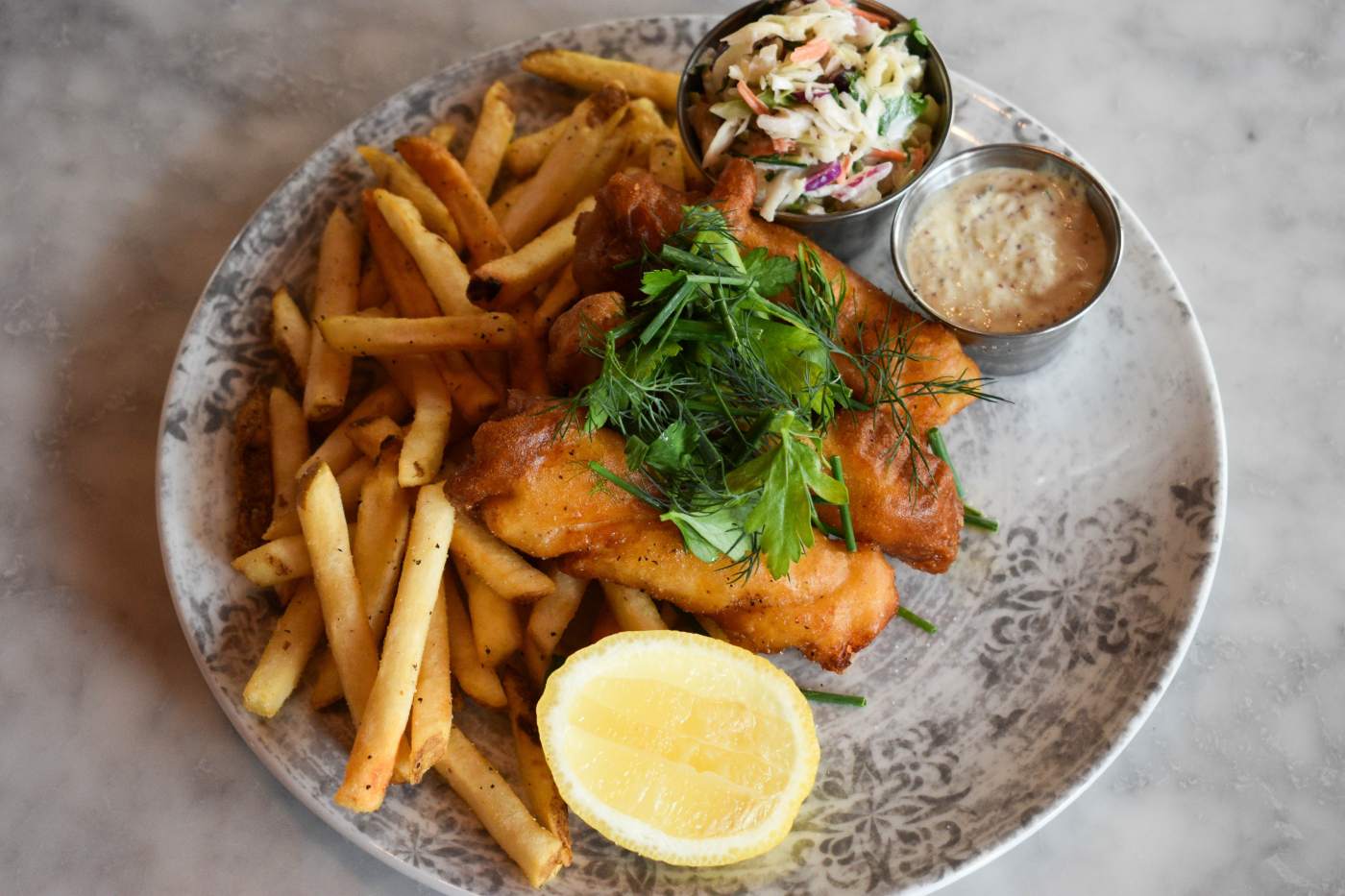
And the fish is about to fry!
Lent begins Wednesday, Feb. 18, followed by what should be considered a holiday of its own — First Fish-Fry Friday!
So many places offer fried fish on Fridays that it would be impossible to list them all, but we do our best. Most run specials every Friday until Easter, which is April 5 this year, but some only offer fish on certain dates, so be sure to read carefully.
That being said, here’s our annual list of restaurants and organizations who abide by the Midwestern Friday ritual. Don’t see your fish fry on the list? Email the info — restaurant or organization, location, date(s), what’s served with the fish, cost and how folks can contact you — to eat@pioneerpress.com and we’ll add you.
Our restaurants need your help more than ever this year, so maybe consider hitting a few fish fries this Lent!
ORGANIZATIONS
328 Grill at American Legion Post 98
When: 3:45-7 p.m. or until gone Fridays during Lent (through April 3)
Location: 328 Broadway Ave., St. Paul Park
Food: Beer-battered or baked cod; mac and cheese, au gratin potatoes, coleslaw and pudding
Cost: All-you-can-eat buffet, $20; children ages 5-10, $10
More information: 328grill.com
Church of St. John Vianney
When: 4-6:30 p.m. Fridays during Lent (through March 27)
Address: 840 N. 19th Ave., South St. Paul
Food: Gluten-free fried fish, fries or baked potatoes, grilled cheese, mac and cheese, coleslaw, vegetable and desserts
Cost: Adults, $15; children 6-12, $10; under six, free. Cash, check or credit card accepted.
Church of St. Patrick’s
When: 4:30-7 p.m. Friday, March 7
Location: At the Arcade-Phalen American Legion, 1129 Arcade St., St. Paul
Food: Baked or fried cod, tater tots, coleslaw, mac and cheese and bread
Cost: One piece of fish, $12; two pieces, $16. Veggie egg rolls sold separately for $1.50 each. Bake sale and takeout available.
Guardian Angels Catholic Community
When: 4-7 p.m. Feb. 27, March 13 and March 27
Location: 8260 N. Fourth St., Oakdale
Food: Baked or fried haddock, coleslaw, red potatoes, mac and cheese, green beans, roll and dessert
Cost: All-you-can-eat dine-in 11+, $18; seniors 65+, $10; kids 5 and under eat free
More information: Order online at guardian-angels.org/fish-fry
Holy Family Catholic High School
When: 4:30-7:30 p.m., Friday, March 6
Location: 8101 Kochia Lane, Victoria
Cost: $16 for adult fish fry meal ($10 for senior citizens); $10 for a grilled cheese meal. Bingo with cash prizes from 6-8 p.m.
Tickets: May be purchased in advance at hfchs.org/tickets or at the door
Holy Family Maronite Catholic Church
When: 4-7 p.m. Feb. 20 and 27 and March 6, 13, 20 and 27
Location: 1960 Lexington Avenue, Mendota Heights
Food: Baked fish, green beans in tomato sauce served over a bed of Lebanese rice, fried cabbage, flat bread, garlic sauce, homemade dessert
Cost: $15
More information: 651-291-1116; holyfamilymaronitechurch.org
Knights of Columbus Council 4967
When: 4 – 7 p.m. Feb. 20 and 27 and March 6, 13 and 20
Location: St. Peter Catholic School cafeteria, 2600 N. Margaret St., North St. Paul
Food: Deep-fried or baked cod, au gratin potatoes, mac and cheese, green beans, coleslaw, breadsticks. Gluten-free options available.
Cost: Adults $15; seniors $14; children 7–12, $5; 6 years and under free.
Lino Lakes American Legion Post 566
When: 4:30-8 p.m. Fridays during Lent
Location: 7731 Lake Drive, Lino Lakes
Food: Three pieces of hand-breaded cod, coleslaw, choice of baked potato or fries, dinner roll
Cost: $15; all-you-can-eat, $19
More information: 651-783-0055; linolakeslegion.com
North St. Paul VFW Post 1350
When: 4-7 p.m. or until gone, Fridays during Lent (through April 3)
Location: 2483 E. 7th Ave., North St. Paul
Food: Three pieces hand-battered pollock, baked beans, fries, coleslaw and French bread
Cost: $17; one piece, $12
More information: 651-777-2855
Northwest Sportshow
When: 3-7 p.m. March 6
Location: Minneapolis Convention Center, 1301 2nd Ave. S., Minneapolis
Food: Four pieces of beer-battered walleye and choice of side (fries, kettle chips or applesauce)
Cost: $18.75 with fries; $16.75 with chips or applesauce; plus $15 adult admission ($5 after 5 p.m. and $13 in advance at northwestsportshow.com)
Rogers Lions Club
When: March 20 and 27
Location: 21st Century Bank Event Center, 12716 Main St., Rogers
Food: Fried cod, shrimp, fries, mac and cheese, coleslaw and bun. Water, juice and coffee are free. Cash bar available.
Cost: Adults, $15; children, $10
Roseville VFW Post 7555
When: 11 a.m.-8 p.m. Fridays during Lent
Location: 1145 Woodhill Drive, Roseville
Food: Michelob Golden Light beer-battered cod or walleye, fries, coleslaw
Cost: Fish fry, $16.65 extra piece of fish, $4; Walleye, $21.85
More information: 651-483-5313
St. John’s Men’s Club
When: 4:30-7:30 p.m. Fridays during Lent (through March 27)
Location: 14383 Forest Blvd. N., Hugo
Food: Deep-fried Icelandic cod, baby red potatoes, fries, coleslaw, mac and cheese, pickles, rolls and cookies.
Cost: Adults, $15; seniors, $12; children 6-12, $10; 5 and under, free.
More information: 651-429-7937 or stgens.org
St. Joseph of the Lakes
When: 5-7 p.m. Feb. 27 and March 6, 13 and 20
Location: 171 Elm St., Lino Lakes
Food: Pan-fried or baked cod, tomato-basil soup, roasted potatoes, green beans, creamy coleslaw, bread and a variety of homemade desserts
Cost: Adults, $15; children 5-10, $7; children under 5, free. $45 per family, dine-in or takeout
Church of St. Matthew
When: 4:30 to 7:30 p.m. Fridays during Lent (through April 3)
Location: Social Hall entrance is at the back of 510 Hall Ave., St. Paul. Curbside to-go entrance is off Humboldt Avenue onto Robie Street
Food: Fried or baked wild-caught Alaskan pollock, baked potato, vegetable, coleslaw, roll and dessert. Non-fish options are spaghetti or grilled cheese.
Cost: Fish dinner, adults, $16; children 5-12, $8. Spaghetti or grilled cheese, adults, $14; children 5-12, $7; children under 5, free. Beer and wine available for dine-in purchase.
More information: st-matts.org
St. Pascal’s Men’s Club
When: 4:30-7 p.m. Fridays during Lent (through March 27)
Location: 1757 Conway St., St. Paul, Brioschi Hall (Flandreau Street entrance)
Food: Fried and baked cod, coleslaw, au gratin and seasoned fried potatoes, coleslaw, mixed steamed vegetables, mac and cheese and dinner roll and pudding
Cost: All-you-can-eat dinner, adults, $16; children 6-11, $8; children 5 and younger, free. Cash, check or card accepted.
South St. Paul Moose Lodge
When: Wednesday, Feb. 18 and Fridays during Lent
Location: 5927 Concord Blvd., Inver Grove Heights
Food: Three pieces of beer-battered cod, fries and coleslaw
Cost: $17
More information: 651-455-2142
RESTAURANTS
5-8 Grill & Tap
When: Fridays during Lent
Location: 1741 S. Robert St., West St. Paul
Food: Hand-battered cod made with Summit EPA, fries, coleslaw
Cost: All-you-can-eat dinner, $17.99; lunch portion, $14.99
More information: 651-456-5858; 5-8club.com
5-8 Tavern & Grill
When: Fridays during Lent
Location: 2289 Minnehaha Ave. E., Maplewood
Food: Hand-battered cod made with Summit EPA, fries, coleslaw
Cost: All-you-can-eat dinner, $17.99; lunch portion, $14.99
More information: 651-735-5858; 5-8club.com
Bennett’s Chop and Railhouse
When: Fridays during Lent
Location: 1305 W. 7th St., St. Paul or 517 2nd St., Hudson, Wis.
Food: Finnegans beer-battered cod, shoestring fries, coleslaw
Cost: Lunch, two refills, $14.95; all-you-can-eat dinner, $18.95
More information: 651-228-1408 or 715-501-2467 (Hudson); bennettschopandrailhouse.com
Birch’s on the Lake
When: Fridays during Lent
Location: 1310 Wayzata Blvd., Long Lake
Food: Beer-battered cod, hand-cut fries and house tartar; herb-crusted walleye with Yukon Gold whipped potatoes and asparagus; or wild-rice- and crab-stuffed walleye, baby carrots, asparagus, cippolini onions and lemon cream
Cost: Cod, $36; walleye, $40; stuffed walleye, $48
More information: 952-473-7373; birchsonthelake.com
Burger Dive
When: Every day, Feb. 18-April 3
Location: 731 Randolph Ave., St. Paul or Rosedale Center
Food: House-battered cod, sliced potatoes, rye toast, remoulade and coleslaw
Cost: $22
More Information: 651-294-3240; burgerdivemn.com
Kendall’s Tavern & Chophouse
When: Lunch and dinner, Fridays during Lent (through April 3)
Location: 12800 Bunker Prairie Road N.W., Coon Rapids
Food: 12-ounce filet of hand-battered haddock, choice of fries or tater tots and coleslaw
Cost: $24
More information: 736-951-7225; kendallstc.com
Mason Jar Kitchen & Bar
The Lenten fish fry at Mason Jar in Eagan. (Courtesy of Mason Jar)
Location: 1565 Cliff Road, Eagan
Dates: Fridays during Lent (through April 3)
Food: 3 pieces hand-dipped, Bent Paddle Light Lager-battered cod, house-made coleslaw and Parmesan-parsley fries.
Cost: $19
More information: 651-340-7809; masonjar.kitchen
My Burger
The $8.95 fish sandwich special at MyBurger is available during Lent. (Courtesy of MyBurger)
When: Wednesday, Feb. 18 and all Fridays during Lent
Location: 11 metro locations, including 1580 Grand Ave., St. Paul
Food: Breaded Atlantic cod sandwich and fries
Cost: $8.95
More information: myburgerusa.com
Red Cow
Location: Five metro locations, including 393 Selby Ave., St. Paul
Food: Three pieces of Alaskan cod, coleslaw and fries
Cost: $19.50
More information: 651-789-0545; redcowmn.com
The St. Paul Grill
When: Fridays through April 3
Location: 350 Market St., St. Paul
Food: Shore lunch features three jumbo fried shrimp, a crab cake, coleslaw and hand-cut fries with cocktail sauce and tarragon aioli.
Cost: $29.95
More information: 651-224-7455; stpaulgrill.com
Sgt. Peppers Grille and Bar
When: Fridays year-round
Location: 930 N. Helena Ave., Oakdale
Food: Hamm’s beer-battered cod, baked potato and coleslaw
Cost: All-you-can-eat lunch or dinner, $18
More information: 651-738-7052; sgtpeppersgrille.com
Smack Shack
When: Fridays during Lent
Locations: 603 N. Washington Ave., Minneapolis and 3801 Minnesota Drive, Bloomington
Food: Traditional fish and chips with beer-battered cod, Cajun fries and coastal slaw
Cost: Fish and chips, $22.95
More information: smack-shack.com
Stockyards Tavern & Chophouse
When: Fridays during Lent (through April 3)
Location: 456 Concord Exchange S., South St. Paul
Food: 10 ounces of hand-battered haddock, fries, coleslaw and house-made tartar
Cost: $25
More information: 651-350-7743; stockyardstc.com
Tiffany’s Sports Lounge
The Lenten fish fry at Tiffany’s in St. Paul. (Courtesy of Tiffany’s)
When: Fridays during Lent
Location: 2051 Ford Parkway, St. Paul
Food: Summit beer-battered, cold water Alaskan pollock, fries and coleslaw
Cost: Adults, $19.71; kids, $10
More information: 651-690-4747; tiffanysportslounge.com
Tria Restaurant
When: Fridays during Lent (through April )
Location: 5959 Centerville Road, North Oaks
Food: Prix fixe dinner menu, options for each course
Cost: Starts at $35
More information: 651-426-9222; triarestaurant.com/event-calendar/lent-fish-features/2026-02-20
Urban Growler
The walleye fish fry at Urban Growler Brewing in St. Paul. (Jess Fleming / Pioneer Press)
When: Fridays year-round
Location: 2325 Endicott St., St. Paul
Food: Panko-crusted walleye, house tartar, coleslaw, pumpernickel rye bread and choice of side
Cost: $25
More information: 651-340-5793; urbangrowlerbrewing.com
Welsch’s Big Ten Tavern
When: 11 a.m.-10 p.m. Fridays
Location: 4703 U.S. 10, Arden Hills
Food: Fried pollock, fries and coleslaw
Cost: All-you-can-eat lunch (until 3 p.m.), $14.95; or dinner, $16.95
More information: 651-633-7253; WelschsBigTen.com
Valentine’s Day: Chocolate and beer pairings to woo your date
One-pot recipe brings together pork chops, apples and warm cabbage slaw
Quick Fix: Garlic and Herb Salmon on Creamy Spinach with Pimento Couscous
Selby Avenue restaurant Local Rumor to close this weekend
Pizza Hut closing 250 US stores as parent company considers selling the brand