By NADIA LATHAN and SOPHIA TAREEN, Associated Press
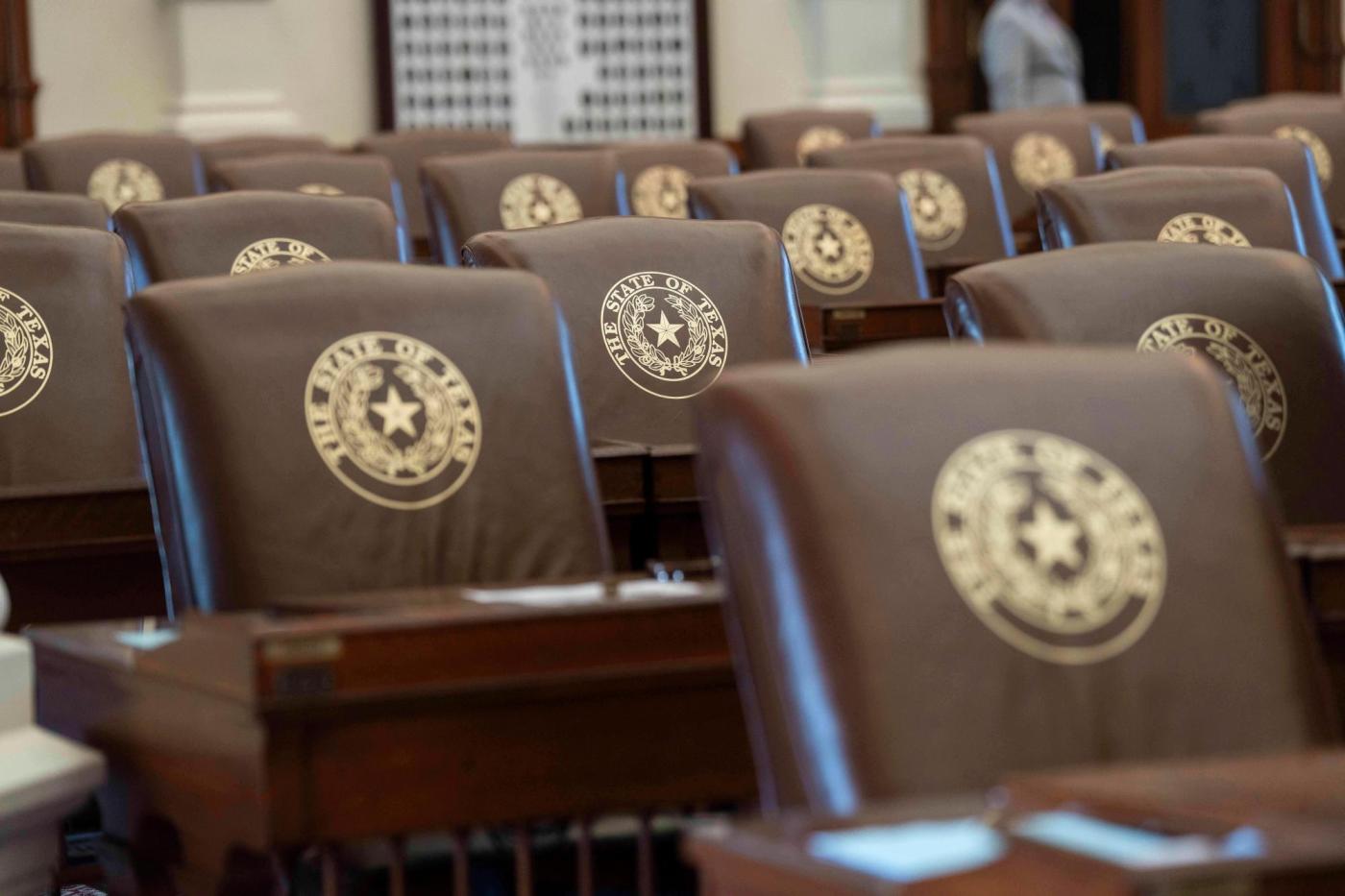
CHICAGO (AP) — Texas Democrats on Thursday moved closer to ending a nearly two-week walkout that has blocked the GOP’s redrawing of U.S. House maps before the 2026 election and put them under escalating threats by Republicans back home.
The Democrats announced they will return so long as Texas Republicans end a special session and California releases its own redrawn map proposal, both of which were expected to happen Friday.
Democrats did not say what day they might return.
Related Articles
As federal activity takes root in DC, police chief orders more cooperation with immigration agents
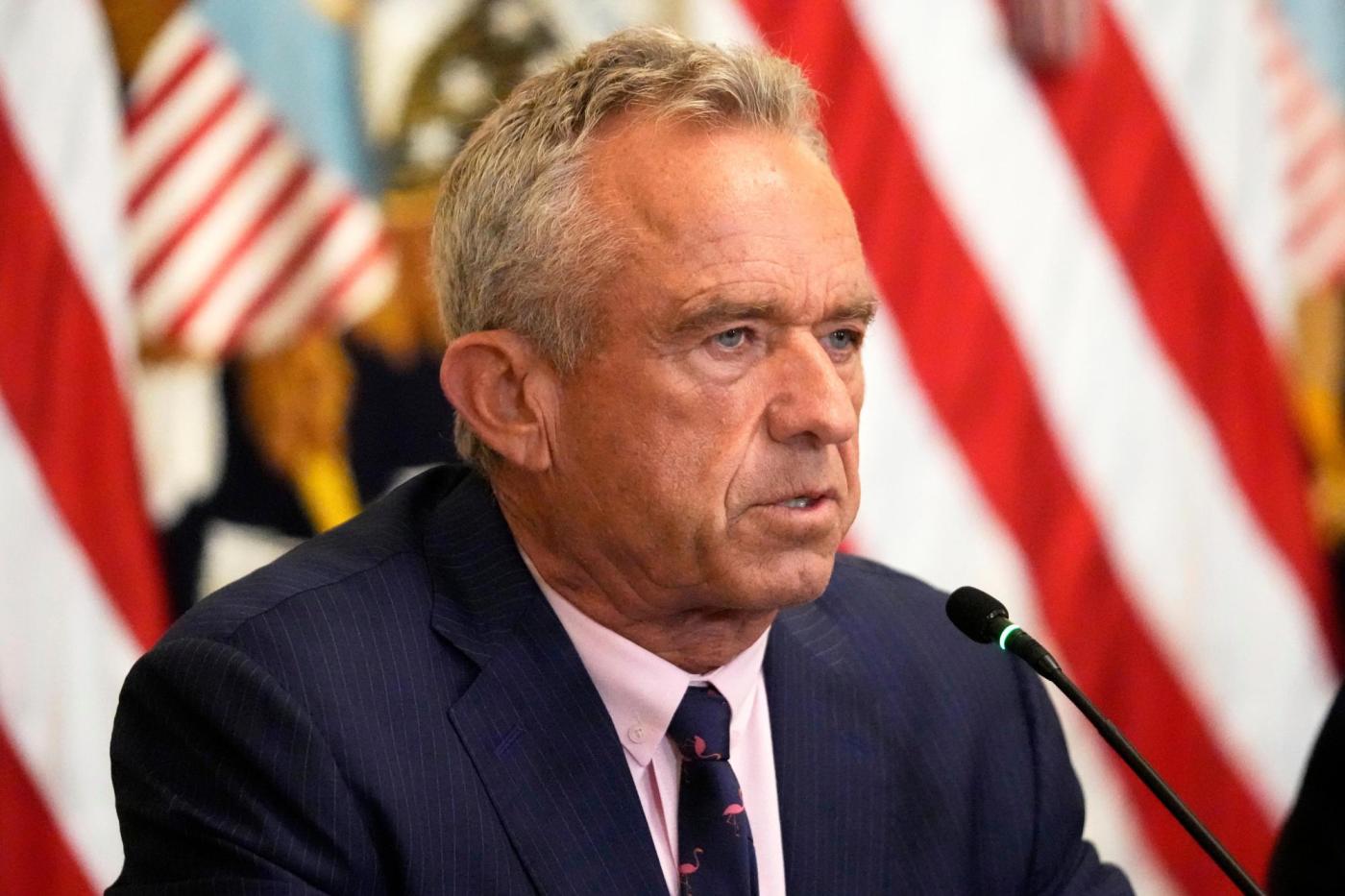
Judge orders RFK Jr.’s health department to stop sharing Medicaid data with deportation officials
California moving forward with partisan redistricting effort to counter Texas’ move
Supreme Court allows Mississippi to require age verification on social media like Facebook and X
Maine clinics hope to get blocked Medicaid funds restored as they sue Trump administration over cuts
Republican Texas Gov. Greg Abbott still intends to push through new maps that would give the GOP five more winnable seats before next year’s midterm elections.
Texas House Democrats said in a statement that under the advice of legal counsel, they needed to return to the state to “build a strong public legislative record” for an upcoming legal battle against a new map.
“Now, as Democrats across the nation join our fight to cause these maps to fail their political purpose, we’re prepared to bring this battle back to Texas under the right conditions and to take this fight to the courts,” said state Rep. Gene Wu, the House Democratic leader.
The NBA released its full regular-season schedule on Thursday afternoon, revealing a Timberwolves schedule that includes a home opener against Eastern Conference champion Indiana and a Christmas Day game at Denver.
The season will open with road games at Portland and against the Lakers in Los Angeles. The home opener will be Oct. 26 against the Pacers.
The Timberwolves, who advanced to the Western Conference Final for a second-straight season in 2024-25, will be on national television 28 games, seven times in ESPN, seven times in Amazon Prime, six times on NBC, four times on ABC and four times in Peacock.
Regular-season games against defending NBA champion Oklahoma City, which knocked the Timberwolves out of the playoffs, will be Prime games, Friday Dec. 19 and Thursday Jan. 29.
Two regular-season games have yet to be scheduled but will be played the week of Dec. 9-16, determined following the conclusion of the group stage games and the quarterfinals of the Emirates NBA Cup, which begins Oct. 31 in NBA cities, with semifinals and final Dec. 13-16 in Las Vegas.
The Timberwolves are in West Group A with the Thunder, Phoenix Suns, Sacramento Kings and Utah Jazz.
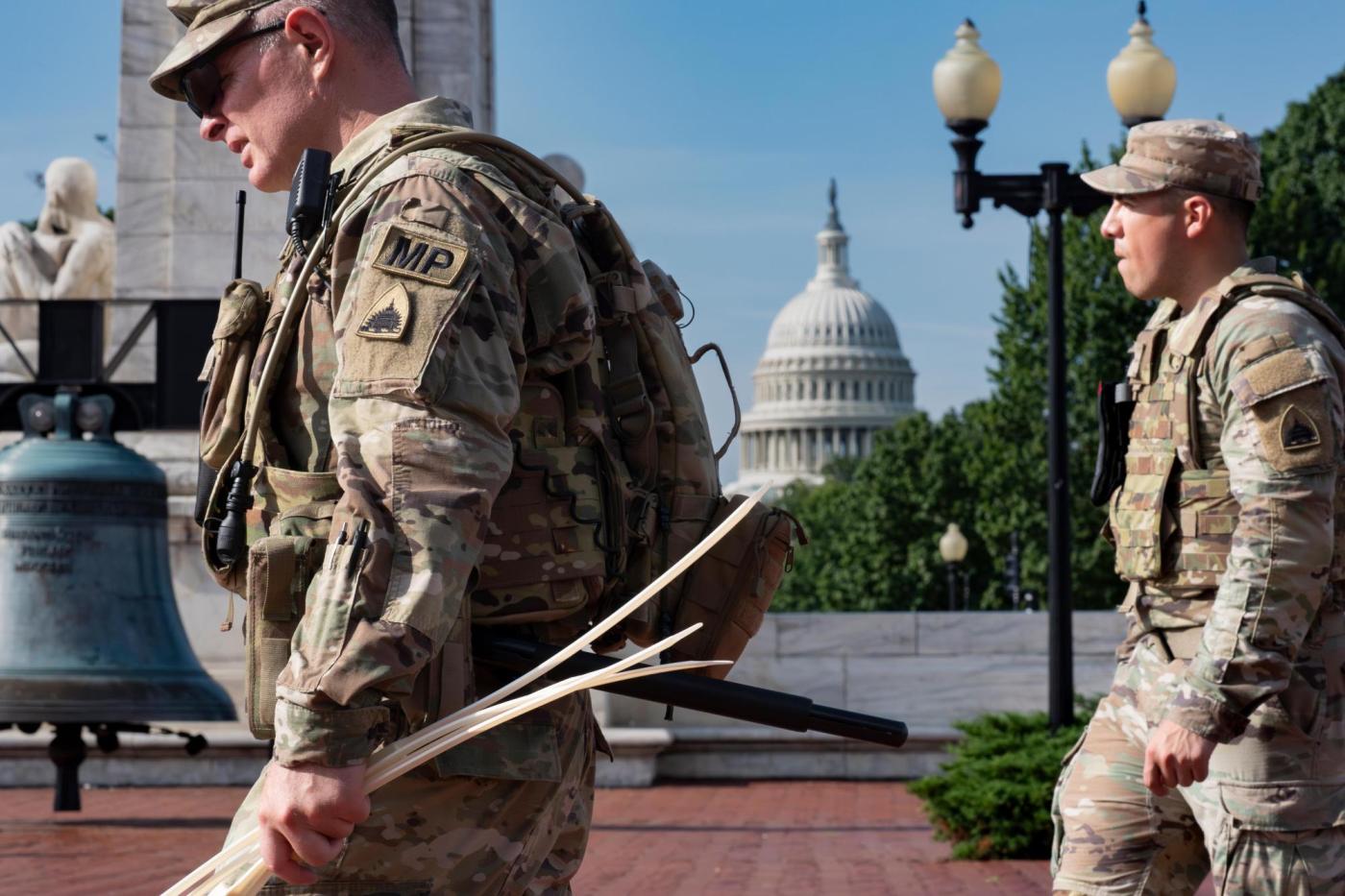
WASHINGTON (AP) — The Washington, D.C., police chief ordered more cooperation between her officers and federal immigration officials as President Donald Trump’s law enforcement takeover of the nation’s capital took root Thursday. National Guard troops watched over some of the world’s most renowned landmarks and Humvees took up position in front of the busy main train station.
In a city tense from days of ramp-up toward federal law enforcement intervention, volunteers helped homeless people leave long-standing encampments — to where, exactly, was often unclear. The mayor, meanwhile, left town for a family commitment. And the president told reporters that he was pleased at how the operation — and, now, its direct link with his immigration-control efforts — was unfolding.
“That’s a very positive thing, I have heard that just happened,” Trump said of Police Chief Pamela Smith’s order. “That’s a great step. That’s a great step if they’re doing that.”
The police chief’s order establishes that Metropolitan Police Department officers may now share information with immigration agencies regarding people not in custody — such as someone involved in a traffic stop or checkpoint. MPD officers may also provide “transportation for federal immigration employees and detained subject,” the order states.
The changes, which raise collaboration between the two forces in notable ways, are effective immediately. Mayor Muriel Bowser, walking a tightrope between the Republican White House and the constituency of her largely Democratic city, was out of town Thursday for a family commitment in Martha’s Vineyard but would be back Friday, her office said.
National Guard personnel keep watch as travelers arrive at the entrance to Union Station near the Capitol, in Washington, Thursday, Aug. 14, 2025. (AP Photo/J. Scott Applewhite)
A member of the District of Columbia National Guard arrives at the District of Columbia National Guard Headquarters, Tuesday, Aug. 12, 2025, in Washington. (AP Photo/Julia Demaree Nikhinson)
Department of Homeland Security Investigations agents join Washington Metropolitan Police Department officers as they conduct traffic checks at a checkpoint along 14th Street in northwest Washington, Wednesday, Aug. 13, 2025, in Washington. (AP Photo/Alex Brandon)
George M., who has been living at a tent encampment, packs up his tent, Thursday, Aug. 14, 2025 in Washington. (AP Photo/Jacquelyn Martin)
Camping tents seen at a homeless encampment near the Lincoln memorial, as people clean up in advance of a 10 a.m. vacate order from the city, Thursday, August 14, 2025, in Washington. (AP Photo/Jacquelyn Martin)
George, 67, walks away with what’s left of his belongings, after the city put his mattress and other belongings in a dump truck, Thursday, Aug. 14, 2025, in Washington. (AP Photo/Jacquelyn Martin)
Stephanie W., 28, who is homeless, rests on a foam mattress as a United States Park Police vehicle drives past, Wednesday, Aug. 13, 2025, in northwest Washington near the Kennedy Center. (AP Photo/Jacquelyn Martin)
A child watches as officers with the Drug Enforcement Administration patrol along the National Mall Wednesday, Aug. 13, 2025, in Washington. (AP Photo/Mark Schiefelbein)
Department of Homeland Security Investigation officers pause at the intersection of 14th and U Streets in northwest Washington, while on patrol Wednesday, Aug. 13, 2025. (AP Photo/Pablo Martinez Monsivais)
U.S. Drug Enforcement Administration agents join Washington Metropolitan Police Department officers on patrol in the Navy Yard neighborhood of Washington, Wednesday, Aug. 13, 2025. (AP Photo/Anthony Peltier)
Department of Homeland Security Investigation officers stop to talk to a member of the community at the intersection of 14th and U Streets in northwest Washington, while on patrol Wednesday, Aug. 13, 2025. (AP Photo/Pablo Martinez Monsivais)
A head covering is removed from a person who was detained as Department of Homeland Security Investigations agents join Washington Metropolitan Police Department officers as they conduct traffic checks at a checkpoint along 14th Street in northwest Washington, Wednesday, Aug. 13, 2025, in Washington. (AP Photo/Alex Brandon)
Department of Homeland Security Investigations agents join Washington Metropolitan Police Department officers as they conduct traffic checks at a checkpoint along 14th Street in northwest Washington, Wednesday, Aug. 13, 2025, in Washington. (AP Photo/Jose Luis Magana)
Residents of the area yell at agents of the Department of Homeland Security Investigations as they join Washington Metropolitan Police Department officers to conduct traffic checks at a checkpoint along 14th Street in northwest Washington, Wednesday, Aug. 13, 2025, in Washington. (AP Photo/Jose Luis Magana)
A person holds a sign as Department of Homeland Security Investigations agents join Washington Metropolitan Police Department officers as they conduct traffic checks at a checkpoint along 14th Street in northwest Washington, Wednesday, Aug. 13, 2025, in Washington. (AP Photo/Jose Luis Magana)
1 of 15
National Guard personnel keep watch as travelers arrive at the entrance to Union Station near the Capitol, in Washington, Thursday, Aug. 14, 2025. (AP Photo/J. Scott Applewhite)
For an already wary Washington, Thursday marked a notable — and highly visible — uptick in presence from the previous two days. The visibility of federal forces around the city, including in many high-traffic areas, was striking to residents going about their lives. Trump has the power to take over federal law enforcement for 30 days before his actions must be reviewed by Congress, though he has said he’ll re-evaluate as that deadline approaches.
The response before Thursday had been gradual and, by all appearances, low key. But on Wednesday night, officers set up a checkpoint in one of D.C.’s popular nightlife areas, drawing protests. The White House said 45 arrests were made Wednesday night, including 29 arrests of people living in the country illegally, including for distribution or possession of drugs, carrying a concealed weapon and assaulting a federal officer.
Troops were stationed outside the Union Station transportation hub as the 800 Guard members who have been activated by Trump start in on missions that include monument security, community safety patrols and beautification efforts, the Pentagon said.
“They will remain until law and order has been restored in the District as determined by the president, standing as the gatekeepers of our great nation’s capital,” Pentagon press secretary Kingsley Wilson said. “The National Guard is uniquely qualified for this mission as a community-based force with strong local ties and disciplined training.”
Wilson said the troops won’t be armed and declined to give more details on what the safety patrols or beautification efforts would entail or how many Guard members have already been sent out on the streets.
National Guard Major Micah Maxwell said troops will assist law enforcement in a variety of roles, including traffic control posts and crowd control. The Guard members have been trained in de-escalation tactics and crowd control equipment, Maxwell said.
The White House said Thursday that Guard members aren’t making arrests but are “protecting federal assets, providing a safe environment for law enforcement officers to make arrests, and deterring violent crime with a visible law enforcement presence.”
Related Articles
Judge orders RFK Jr.’s health department to stop sharing Medicaid data with deportation officials
California moving forward with partisan redistricting effort to counter Texas’ move
Supreme Court allows Mississippi to require age verification on social media like Facebook and X
Maine clinics hope to get blocked Medicaid funds restored as they sue Trump administration over cuts
Congress looks to ease restrictions on veterans’ use of non-VA clinics and hospitals
For homeless residents, an uncertain time is at hand
Meanwhile, about a dozen homeless residents in Washington packed up their belongings with help from volunteers from some city agencies. Items largely were not forcibly thrown out by law enforcement, but a garbage truck idled nearby.
Several protesters held signs close by, some critical of the Trump administration. Once the residents had left, a construction vehicle from a city agency cleared through the remains of the tents.
Advocates expected law enforcement officers to fan out across D.C. later Thursday to take down — or supervise the takedown of — any remaining homeless encampments.
For two days, small groups of federal officers have been visible in scattered parts of the city. But more were present in high-profile locations Wednesday night, and troops were expected to start doing more missions Thursday.
Agents from Homeland Security Investigations have patrolled the popular U Street corridor, while Drug Enforcement Administration officers were seen on the National Mall, with Guard members parked nearby. DEA agents also joined MPD officers on patrol in the Navy Yard neighborhood, while FBI agents stood along the heavily trafficked Massachusetts Avenue.
Associated Press journalists Jacquelyn Martin, Mike Pesoli and David Klepper contributed to this report.
By AMANDA SEITZ and KIMBERLY KINDY, Associated Press
WASHINGTON (AP) — A federal judge ordered the nation’s health department to stop giving deportation officials access to the personal information — including home addresses — of all 79 million Medicaid enrollees.
The U.S. Department of Health and Human Services first handed over the personal data on millions of Medicaid enrollees in a handful of states in June. After an Associated Press report identified the new policy, 20 states filed a lawsuit to stop its implementation.
In July, the Centers for Medicare and Medicaid Services entered into a new agreement that gave the Department of Homeland Security daily access to view the personal data — including Social Security numbers and home address — of all the nation’s 79 million Medicaid enrollees. Neither agreement was announced publicly.
The extraordinary disclosure of such personal health data to deportation officials in the Trump administration’s far-reaching immigration crackdown immediately prompted the lawsuit over privacy concerns.
Related Articles
As federal activity takes root in DC, police chief orders more cooperation with immigration agents
California moving forward with partisan redistricting effort to counter Texas’ move
Supreme Court allows Mississippi to require age verification on social media like Facebook and X
Maine clinics hope to get blocked Medicaid funds restored as they sue Trump administration over cuts
Congress looks to ease restrictions on veterans’ use of non-VA clinics and hospitals
The Medicaid data sharing is part of a broader effort by the Trump administration to provide DHS with more data on migrants. In May, for example, a federal judge refused to block the Internal Revenue Service from sharing immigrants’ tax data with Immigration and Customs Enforcement to help agents locate and detain people living without legal status in the U.S.
The order, issued by federal Judge Vince Chhabria in California, temporarily halts the health department from sharing personal data of enrollees in those 20 states, which include California, Arizona, Washington and New York.
“Using CMS data for immigration enforcement threatens to significantly disrupt the operation of Medicaid—a program that Congress has deemed critical for the provision of health coverage to the nation’s most vulnerable residents,” Chhabria wrote in his decision, issued on Tuesday.
Chhabria, an appointee of President Barack Obama, said that the order will remain in effect until the health department outlines “reasoned decisionmaking” for its new policy of sharing data with deportation officials.
A spokesperson for the federal health department declined to directly answer whether the agency would stop sharing its data with DHS. HHS has maintained that its agreement with DHS is legal.
Immigrants who are not living in the U.S. legally, as well as some lawfully present immigrants, are not allowed to enroll in the Medicaid program that provides nearly free coverage for health services. But federal law requires all states to offer emergency Medicaid, a temporary coverage that pays only for lifesaving services in emergency rooms to anyone, including non-U.S. citizens. Medicaid is a jointly funded program between states and the federal government.
Immigration advocates have said the disclosure of personal data could cause alarm among people seeking emergency medical help for themselves or their children. Other efforts to crack down on illegal immigration have made schools, churches, courthouses and other everyday places feel perilous to immigrants and even U.S. citizens who fear getting caught up in a raid.
“Protecting people’s private health information is vitally important,” Washington state’s Attorney General Nick Brown said in a statement. “And everyone should be able to seek medical care without fear of what the federal government may do with that information.”