By CATHY BUSSEWITZ
NEW YORK (AP) — When Kate Smith worked a 9-to-5 office job, she was burned-out, suffering from daily migraines and thinking, “I can’t do this for the rest of my life.”
Related Articles
Wall Street climbs to more records on hopes for cuts to interest rates
US employers added just 22,000 jobs last month amid uncertainty over President Trump’s policies
Japan welcomes Trump’s order to implement lower tariffs on autos and other goods
Elon Musk in line for $1 trillion pay package if Tesla hits aggressive goals over next 10 years
UCare requests to end Medicare Advantage for 2026
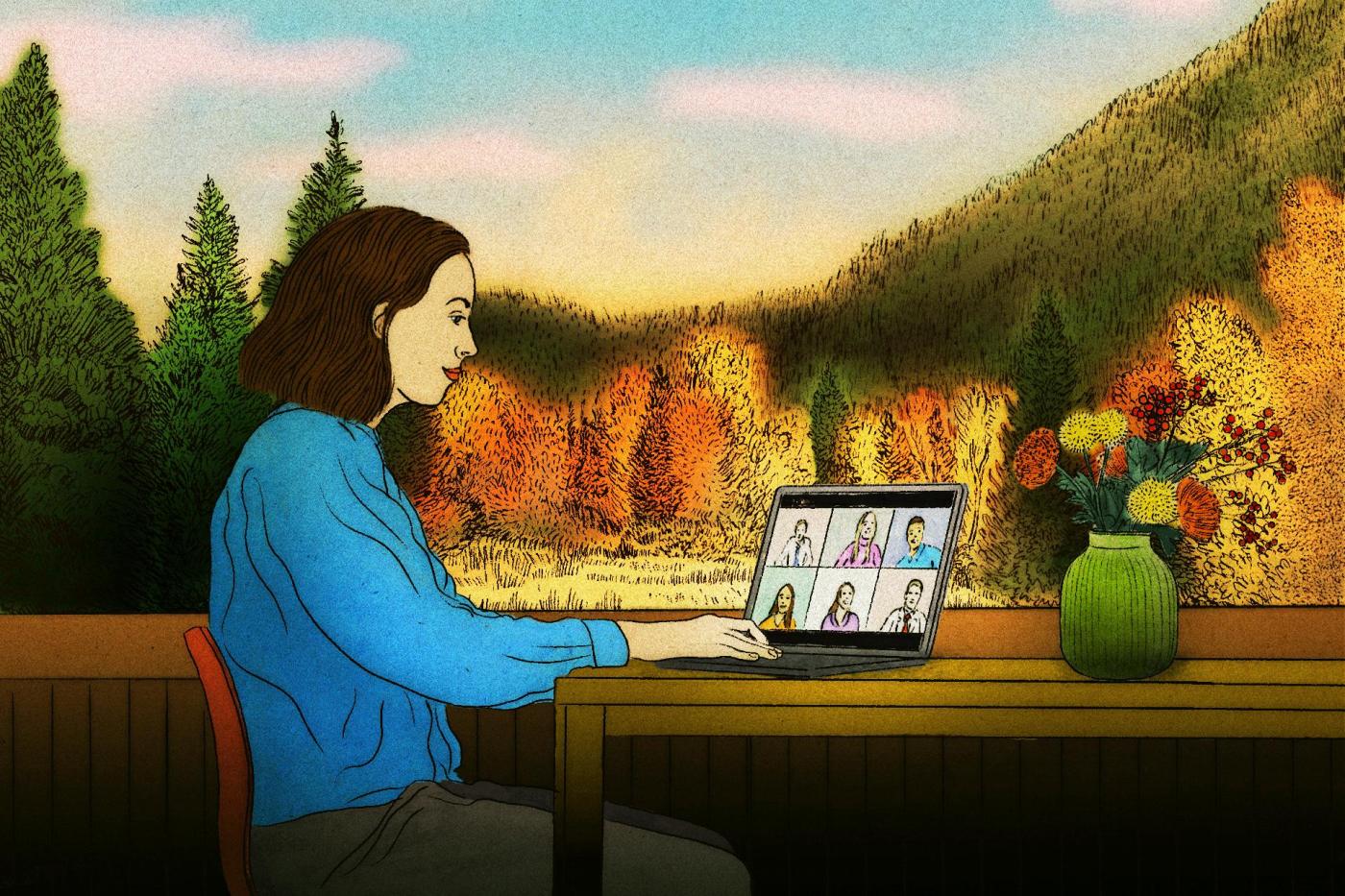
She didn’t have to. For her next role, Smith landed a remote, full-time marketing job that enabled her to travel the world.
Her laptop lifestyle took her to Bali, where she lived and worked for a year-and-a-half. “Every day, I was riding my scooter through the rice fields and thinking, ‘I love my life, this is amazing,’” she said. “And that feeling never fades. … I feel so grateful for the freedom and flexibility.”
While Smith, 36, has worked remotely for more than a decade, the trend of ditching traditional office spaces to work from living rooms or beachfront shacks accelerated in 2020, when the coronavirus hit and workers who could began performing their jobs from home.
Many people grew accustomed to the lifestyle change once they tasted the freedom and flexibility a home office afforded. Working parents enjoyed meeting children at the school bus. Others found more time for exercise, socializing and basking in nature once their jobs did not include long commutes.
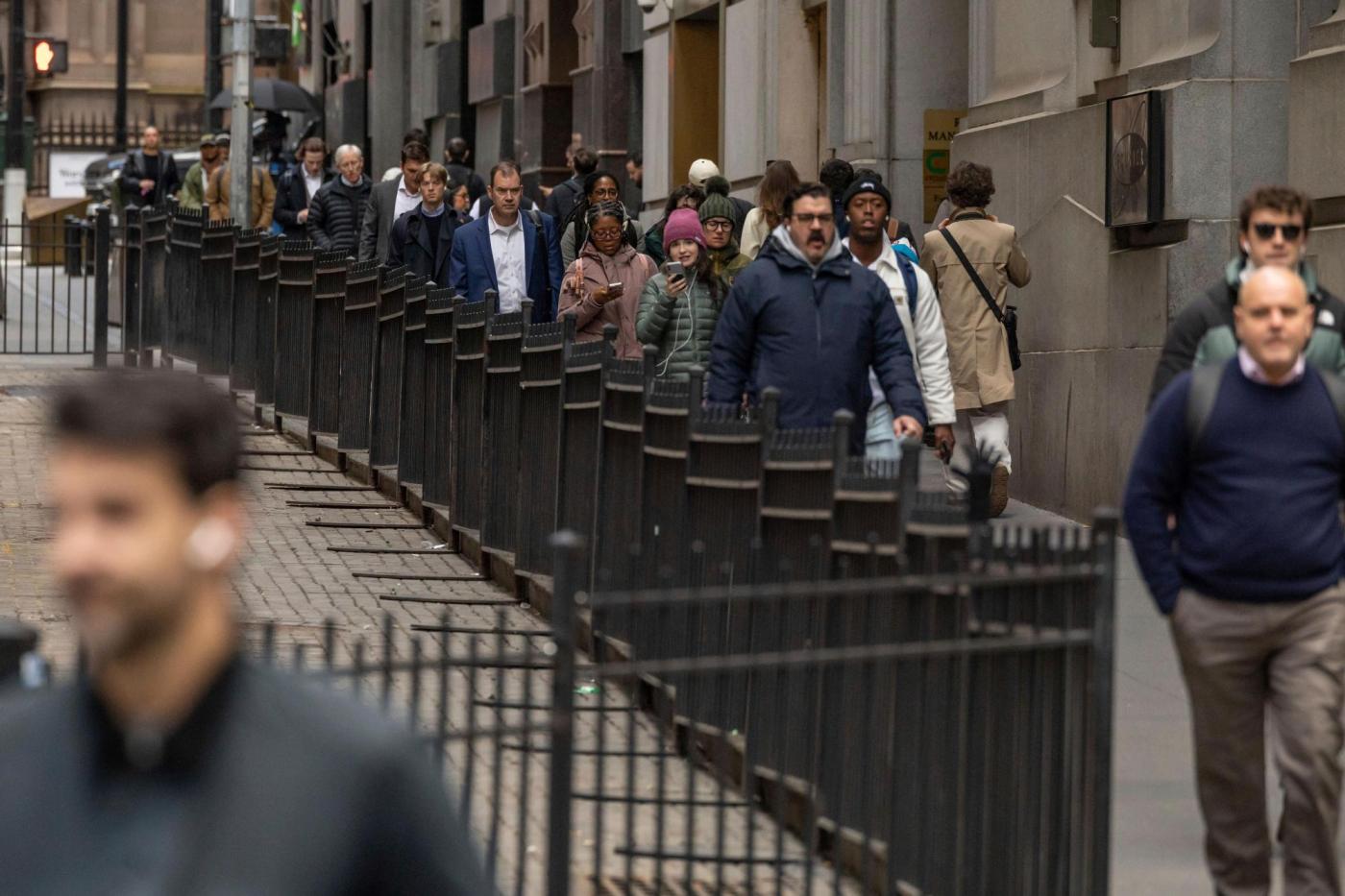
But after the pandemic subsided, many large companies began calling employees back into the office, creating fierce competition for jobs that could be done from anywhere. Many positions advertised as remote attract hundreds, if not more than a thousand, of applications, experts said.
“Fully remote is very rare now in the U.S.,” said Mark Ma, associate professor of business administration at the University of Pittsburgh. “It is getting much more difficult and you need to look for the smaller firms or medium-sized firms … and those firms do not provide as competitive financial packages as the big firms, but they try to attract talent by providing more flexibility.”
About 9% of paid U.S. job postings on social networking platform LinkedIn in July offered remote work, while those types of roles attracted 37% of applications, according to the company.
Below, employers and people who haven’t returned to an office offer advice on how to land remote jobs in a competitive climate.
Show your autonomy
The biggest concern for an employer hiring remote workers is ensuring they will do their work, said Carla Rover, co-founder of Strategy and Content, a startup that leverages artificial intelligence.
“I have approached people with a schedule, saying, ‘This is how much I create each day. This is how much I’ve built in a period of time,’” said Rover, who mostly has worked remotely since 2010. Assembling a strong portfolio showcases what you can do while working outside an office, Rover advised.
“Time management and independence, being self-motivated, are really critical,” said Toni Frana, career expert at FlexJobs, a platform dedicated to helping people find remote or flexible work.
If you’ve worked remotely before, highlight that on your resume. List communication tools you’ve used, such as Slack or Microsoft Teams, said Dawn Fay, operational president at staffing firm Robert Half International. “Call out that you have worked remotely, independently, for X amount of time successfully,” Fay added. “You really want to stress that.”
Stick with a role similar to your current job
After moving on from the office job that made her miserable, Smith created a side hustle coaching other professionals who longed for a nomadic lifestyle. Her coaching eventually grew into a full-time job.
When looking to transition into remote work, find a job that’s similar to your current role instead of competing with better-qualified candidates for jobs that require more experience, she advised. “Get your foot in the door … and then from there work your way to the long-term goal,” Smith said.
You can also try to convert your current job into a remote role. That’s what Courtney Sandifer attempted after her husband, 60, had a heart attack and underwent cancer treatment within the same year. He retired early and they bought a small property in Mexico near the beach, hoping to reduce stress. “We just got tired of the rat race,” Sandifer said.
Sandifer, 44, loved her job working in video production in Houston. But she took a risk, telling her employer they were moving and she wanted to do her job remotely. The company agreed she could be a contractor but no longer a staff member. She lost her benefits, a big financial hit.
But it was worth it to be able to edit video by a pool and to know she’ll be able to visit her son in New Zealand, where he’ll be attending college, without taking much time off from work, she said. “If you have kids, it’s so much easier to be who you want to be with a remote job,” Sandifer said. “That’s what came into focus for me: How will my family be the happiest and healthiest in the long term? It may not be the most lucrative, but you have to consider your own mental health.”
Where remote jobs are growing
Where you live matters. Europe and Australia have more remote jobs than the U.S., Ma said. Lawmakers in Victoria, Australia, have said they plan to introduce legislation that would give workers the legal right to work from home two days a week.
Dozens of countries, including Thailand, Italy and Brazil, offer “digital nomad visas” which allow foreigners with remote jobs to stay and work for an extended period of time.
Different industries and occupations are more conducive to the remote work scene. In the U.S., education, administrative and social media positions are the fastest-growing full-time remote jobs, while nursing, telehealth and licensed therapists are among the top titles for part-time remote work, according to Frana at FlexJobs.
Smith said she sees opportunities to find remote jobs in marketing, product management, sales, human resources, talent acquisition, software development, engineering, customer support, data analysis and financial services.
Read the fine print
PJ Hruschak, 54, has been looking for remote work in web design, writing or editing since he was downsized from a full-time job two years ago. He lives outside Cincinnati, Ohio, and wants to avoid commuting and be able to work from home when his 9-year-old son is sick.
But often when he finds jobs advertised as remote, he reads further into the description to learn the employer wants candidates to live in a particular city or be available to work in the office several days per week. “It’s definitely frustrating,” Hruschak said. “It almost feels like it’s a waste of time.”
Search aggressively
For Francesca Conti, an investor who works in venture capital, working remotely from London for a Swiss company has allowed her to travel internationally and visit extended family in the U.S.
“The opportunities are out there, but they’re very few and far between,” she said.
Conti recommends attending industry or alumni events to meet contacts that can help in the search.
“Even though you want a remote opportunity, those relationships need to be made in person. They can’t be made remotely,” Conti said. “Remote opportunities are very unique in nature, so just be even more aggressive in the search and understand that it might take a little bit more time, but my experience has been highly worth it.”
Share your stories and questions about workplace wellness at cbussewitz@ap.org. Follow AP’s Be Well coverage, focusing on wellness, fitness, diet and mental health at https://apnews.com/hub/be-well