By JOSH FUNK and RIO YAMAT, Associated Press
Airports in New York, Los Angeles and Chicago along with hubs across the U.S. are among the 40 that will see flights cut starting Friday due to the government shutdown, according to a list distributed to the airlines and obtained by The Associated Press.
The Federal Aviation Administration announced Wednesday that it would reduce air traffic by 10% across 40 “high-volume” markets to maintain travel safety as air traffic controllers exhibit signs of strain during the ongoing government shutdown.
The affected airports covering more than two dozen states include the busiest ones across the U.S. — including Atlanta, Denver, Dallas, Orlando, Miami, and San Francisco. In some of the biggest cities — such as New York, Houston and Chicago — multiple airports will be affected.
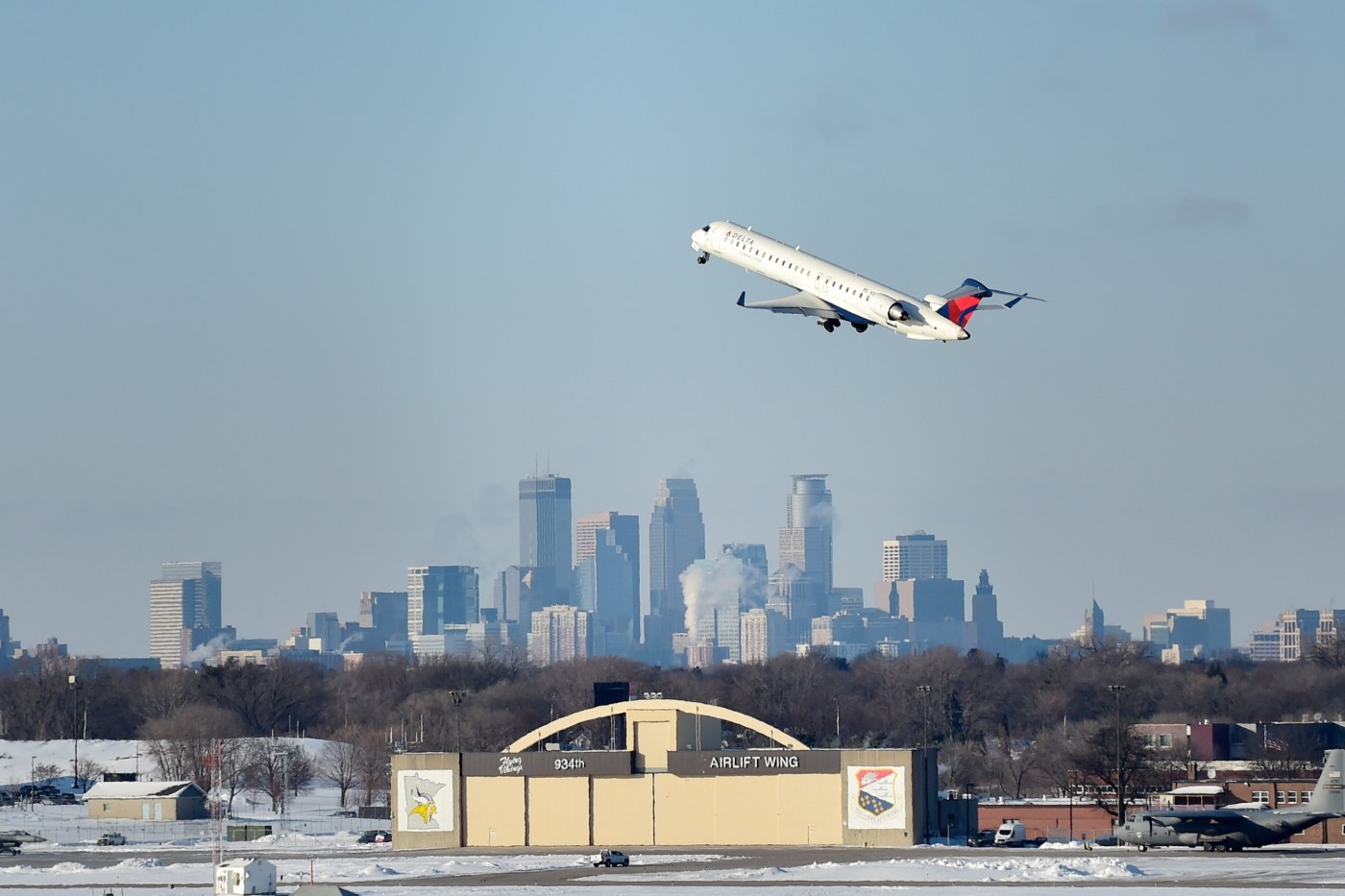
Minneapolis-St. Paul International Airport is among the airports impacted.
In a statement Thursday, Jeff Lea, Metropolitan Airports Commission spokesman, said officials are “actively monitoring updates regarding announced FAA-mandated flight reductions. As of now, MSP is experiencing normal operations. However, if reductions are enacted, travelers should be prepared for flight disruptions at MSP and other airports across the country. Travelers should check with their airline for the latest flight information.”
The FAA is imposing the flight reductions to relieve pressure on air traffic controllers who are working without pay during the government shutdown and have been increasingly calling off work.
Controllers already have missed one full paycheck and are scheduled to again receive nothing next week as as the shutdown drags on.
The FAA has been delaying flights at times when airports or its other facilities are short on controllers.
Passengers should start to be notified about cancellations Thursday. Airlines said they would try to minimize the impact on customers, some of whom will see weekend travel plans disrupted with little notice.
Related Articles
How Minnesota is feeding federal workers and SNAP recipients
Delta flight from MSP to Portland aborts takeoff due to aircraft fire
Transit plans trimmed — again — for St. Paul’s West 7th
MSP airport won’t display Kristi Noem video pending review
Segment of I-494 near MSP airport to close overnight this weekend
United Airlines said it would focus the cuts on smaller regional routes that use smaller planes like 737s. United, Delta Air Lines and American Airlines said they would offer refunds to passengers who opt not to fly — even if they purchased tickets that aren’t normally refundable.
The head of Frontier Airlines recommended that travelers buy backup tickets with another airline to avoid being stranded.
Experts predict hundreds if not thousands of flights could be canceled. The cuts could represent as many as 1,800 flights and upwards of 268,000 seats combined, according to an estimate by aviation analytics firm Cirium.
“I’m not aware in my 35-year history in the aviation market where we’ve had a situation where we’re taking these kinds of measures,” Bedford said Wednesday. “We’re in new territory in terms of government shutdowns.”
Air traffic controllers have been working unpaid since the shutdown began Oct. 1. Most work mandatory overtime six days a week, leaving little time for side jobs to help cover bills and other expenses unless they call out.
Mounting staffing pressures are forcing the agency to act, Bedford said.
“We can’t ignore it,” he said, adding that even if the shutdown ends before Friday, the FAA wouldn’t automatically resume normal operations until staffing improves and stabilizes.
Bedford and Transportation Secretary Sean Duffy said Wednesday that they would meet with airline executives to figure out how to safely implement the reductions.
Major airlines, aviation unions and the broader travel industry have been urging Congress to end the shutdown, which on Wednesday became the longest on record.
The shutdown is putting unnecessary strain on the system and “forcing difficult operational decisions that disrupt travel and damage confidence in the U.S. air travel experience,” said U.S. Travel Association President and CEO Geoff Freeman in a statement.
Duffy warned on Tuesday that there could be chaos in the skies if the shutdown drags on long enough for air traffic controllers to miss their second full paycheck next week.
Duffy said some controllers can get by missing one paycheck, but not two or more. And he has said some controllers are even struggling to pay for transportation to work.
Staffing can run short both in regional control centers that manage multiple airports and in individual airport towers, but they don’t always lead to flight disruptions. Throughout October, flight delays caused by staffing problems had been largely isolated and temporary.
But the past weekend brought some of the worst staffing issues since the start of the shutdown.
From Friday to Sunday evening, at least 39 air traffic control facilities reported potential staffing limits, according to an Associated Press analysis of operations plans shared through the Air Traffic Control System Command Center system. The figure, which is likely an undercount, is well above the average for weekends before the shutdown.
During weekends from Jan. 1 to Sept. 30, the average number of airport towers, regional control centers and facilities monitoring traffic at higher altitudes that announced potential staffing issues was 8.3, according to the AP analysis. But during the five weekend periods since the shutdown began, the average more than tripled to 26.2 facilities.
Here is a list of airports affected:
1. Anchorage International in Alaska
2. Hartsfield-Jackson Atlanta International in Georgia
3. Boston Logan International in Massachusetts
4. Baltimore/Washington International in Maryland
5. Charlotte Douglas International in North Carolina
6. Cincinnati/Northern Kentucky International in Ohio
7. Dallas Love Field in Texas
8. Ronald Reagan Washington National in Virginia
9. Denver International in Colorado
10. Dallas/Fort Worth International in Texas
11. Detroit Metropolitan Wayne County in Michigan
12. Newark Liberty International in New Jersey
13. Fort Lauderdale/Hollywood International in Florida
14. Honolulu International in Hawaii
15. Houston Hobby in Texas
16. Washington Dulles International in Virginia
17. George Bush Houston Intercontinental in Texas
18. Indianapolis International in Indiana
19. John F. Kennedy International in New York
20. Harry Reid International Airport in Las Vegas
21. Los Angeles International in California
22. LaGuardia Airport in New York
23. Orlando International in Florida
24. Chicago Midway International in Illinois
25. Memphis International in Tennessee
26. Miami International in Florida
27. Minneapolis/St Paul International in Minnesota
28. Oakland International in California
29. Ontario International in California
30. Chicago O`Hare International in Illinois
31. Portland International in Oregon
32. Philadelphia International in Pennsylvania
33. Phoenix Sky Harbor International in Arizona
34. San Diego International in California
35. Louisville International in Kentucky
36. Seattle/Tacoma International in Washington
37. San Francisco International in California
38. Salt Lake City International in Utah
39. Teterboro in New Jersey
40. Tampa International in Florida
Associated Press journalist Christopher L. Keller contributed from Albuquerque, New Mexico.
Related Articles
Buckingham Palace will stage the largest-ever display of Queen Elizabeth II’s fashion next year
Set out for the ‘Lost Sierras,’ one of California’s most untamed terrains
Spend time in the presence of California’s awe-inspiring giant sequoias
Bill would allow roads, vehicles in Boundary Waters for border enforcement
With pharaoh-like fanfare, Egypt unveils a huge new museum dedicated to its ancient civilization