The House DFL released its affordability plan on Wednesday highlighting upward of 20 bills aimed at curbing the cost of health care, child care, housing, groceries and energy for Minnesotans.
“Minnesotan families deserve to be able to afford their lives and live a good life on an average salary, but for too many families, they are struggling to make ends meet,” said House DFL Floor Leader Jamie Long, of Minneapolis. “The Minnesota economy is working just great if you are a corporation, or if you are wealthy, but for the average Minnesotan, they are feeling the pinch in their budget every single day.”
Senate Republicans released a tax relief plan earlier this week, featuring proposals such as property tax caps, no tax on tips and overtime, and lowering license tab fees. The no tax on tips and overtime proposal alone would cost the state $391 million in its first fiscal year, according to Speaker of the House Lisa Demuth, R-Cold Spring.
“I think we’re going to have to have a big conversation about federal tax conformity and those specific proposals, and a big part of that question is, how do you pay for it?” House DFL Leader Zack Stephenson, of Coon Rapids, said Wednesday.
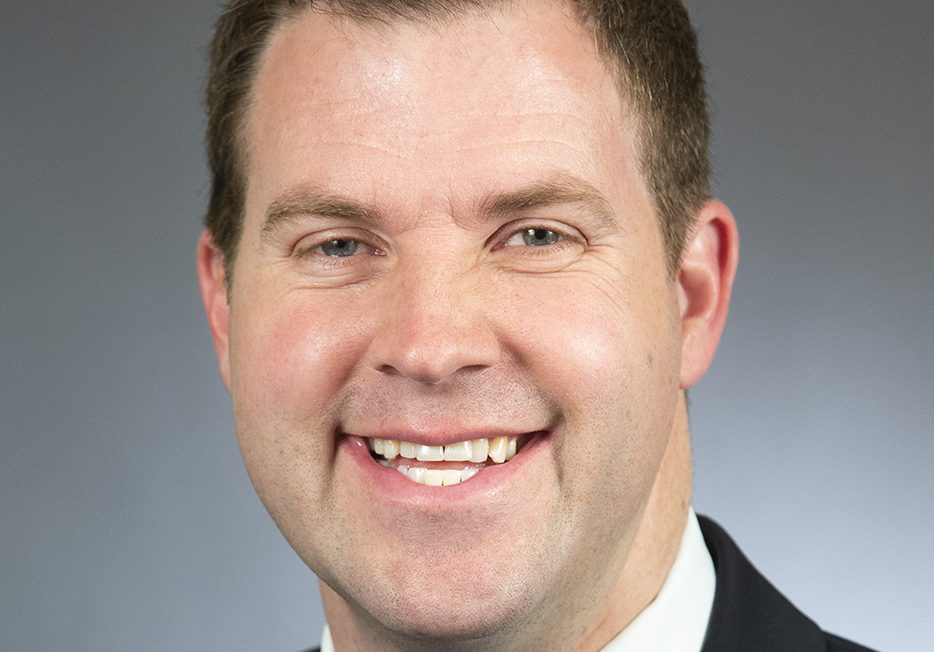
Rep. Zack Stephenson, DFL-Coon Rapids. (Courtesy of the Minnesota House of Representatives)
Stephenson said that most of the House DFL proposals don’t carry a cost, but that he plans to take a comprehensive look at the budget for potential spending cuts — and also look for new revenue for the state.
But his pitch for new revenue contradicts the Republican position. Asked Monday if any tax increases are on the table, Senate Minority Leader Mark Johnson, R-East Grand Forks, said: “Absolutely not.”
Lawmakers and Gov. Tim Walz are not legally required to pass a budget this year, but have said they intend to push a supplemental budget.
Several other proposals and a bonding bill could carry a price tag this session.
Democrats have asked for up to $50 million to support those affected by Operation Metro Surge. And, Republicans have asked for school safety measures and some bipartisan anti-fraud proposals, such as establishing an Office of Inspector General or updating outdated technology systems.
But the state is working with a $3.7 billion surplus in 2026-27 and a $377 million surplus in 2028-29 — one that budget officials warned could easily disappear or even turn back into a deficit.
One proposal from the House DFL is a bill aimed at stopping price gouging and surveillance pricing in grocery stores. The effort is headed by Rep. Emma Greenman, DFL-Minneapolis, and Rep. Carlie Kotyza Witthuhn, DFL-Eden Prairie.
Kotyza Witthuhn said the bill would ensure that corporations are not taking personal data from apps, purchase history, geographic locations, and not using AI to predict how much people make, what their household income is and the urgency of any one purchase.
“I’ve had really great conversations with grocers, with retailers, who ensure me that in most places in Minnesota, these actions are not yet happening, but we know that they’re happening at the corporate level,” Kotyza Witthuhn said.
“We know that they are investing millions and millions and millions and millions of dollars into this technology. Just for fun? No. We know that they’re investing this money to capitalize on the private data of Minnesotans and folks all across the country,” she said.
Related Articles
Hugo woman accused of threatening Demuth and Dellwood lawmaker
St. Paul: Mayor Kaohly Her announces new strategy on Grand Casino Arena
Minnesota Senate Republicans propose tax cuts
Letters: I have 2 handguns, 3 shotguns, 2 rifles, and I support a ban on some weaponry
Sweeney’s Saloon offers free meal to legislators if DFLers and Republicans sit together
Leave a Reply