By LAURAN NEERGAARD
WASHINGTON (AP) — Organ donations from the recently deceased dropped last year for the first time in over a decade, resulting in fewer kidney transplants, according to an analysis issued Wednesday that pointed to signs of public mistrust in the lifesaving system.
Related Articles
Trump administration slashes funding for substance abuse and mental health programs nationwide
Trump signs a law returning whole milk to school lunches
Trump administration restores federal funding for family planning after ACLU lawsuit
US overdose deaths fell through most of 2025, federal data reveals
Strength training is crucial after menopause. How to make the most of your workouts
More than 100,000 people in the U.S. are on the list for an organ transplant. The vast majority of them need a kidney, and thousands die waiting every year.
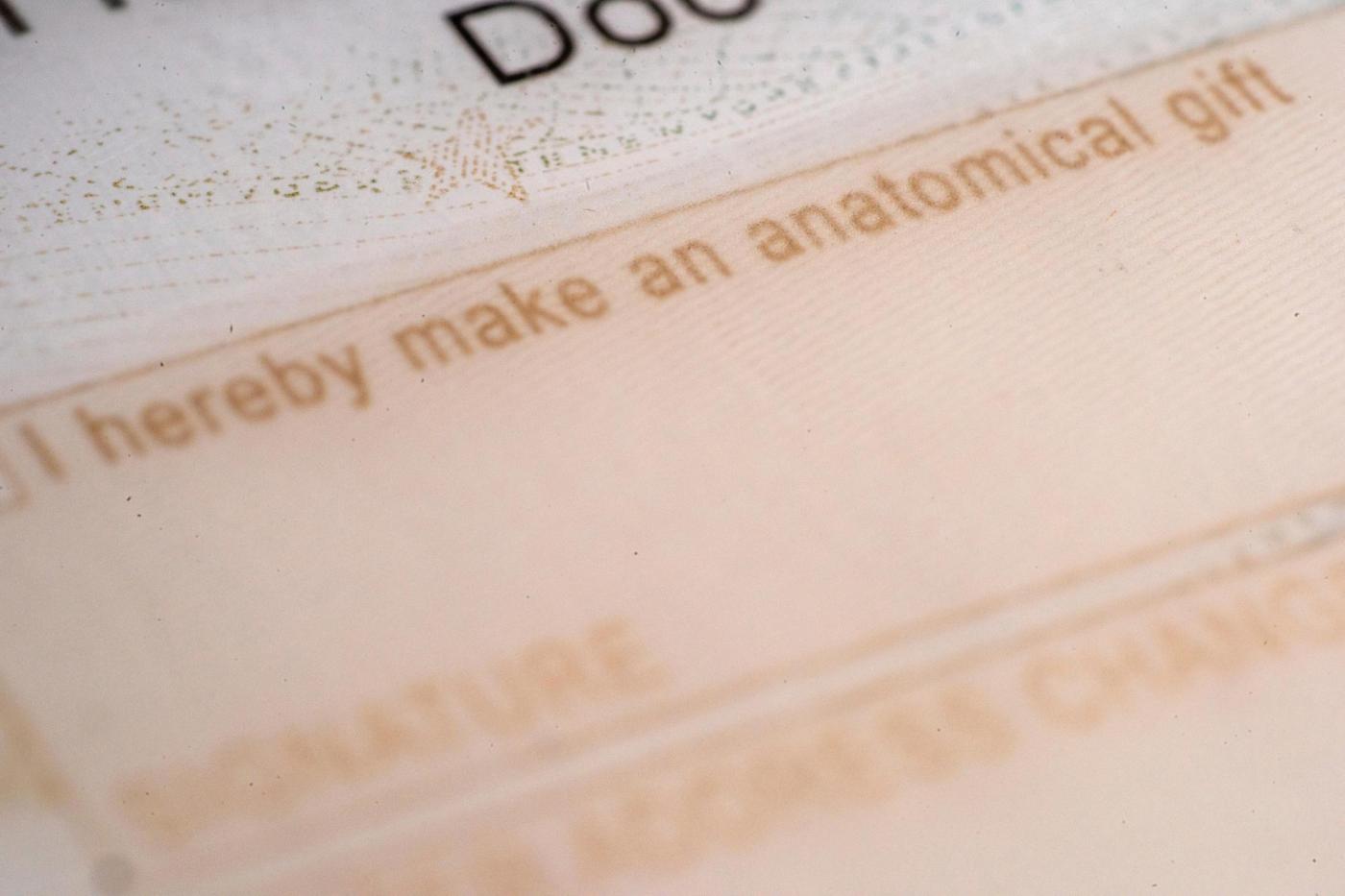
The nonprofit Kidney Transplant Collaborative analyzed federal data and found 116 fewer kidney transplants were performed last year than in 2024. That small difference is a red flag because the analysis traced the decline to some rare but scary reports of patients prepared for organ retrieval despite showing signs of life.
Those planned retrievals were stopped and the U.S. is developing additional safeguards for the transplant system, which saves tens of thousands of lives each year. But it shook public confidence, prompting some people to remove their names from donor lists.
Dr. Andrew Howard, who leads the Kidney Transplant Collaborative, said last year’s dip in kidney transplants would have been larger except for a small increase — about 100 — in transplants from living donors, when a healthy person donates one of their kidneys to someone in need. The collaborative advocates for increased living donations, which make up a fraction of the roughly 28,000 yearly kidney transplants.
With the exception of 2020, when the COVID-19 pandemic was raging, organ transplants have been rising year-to-year. Last year’s decline in deceased donors didn’t translate into fewer transplants overall: There were just over 49,000 compared with 48,150 in 2024. Transplants of hearts, livers and lungs continued to see gains, according to federal data. Howard said that was likely due to differences in how various organs are evaluated and allocated for transplant.
The Association of Organ Procurement Organizations wasn’t involved in Wednesday’s analysis but expressed alarm, calling on its members, hospitals and federal regulators “to unite in restoring public trust and strengthening this critical system.”
The Associated Press Health and Science Department receives support from the Howard Hughes Medical Institute’s Department of Science Education and the Robert Wood Johnson Foundation. The AP is solely responsible for all content.
Leave a Reply