McCarthy says he will support Donald Trump in his 2024 election bid

posted in: Politics | 0

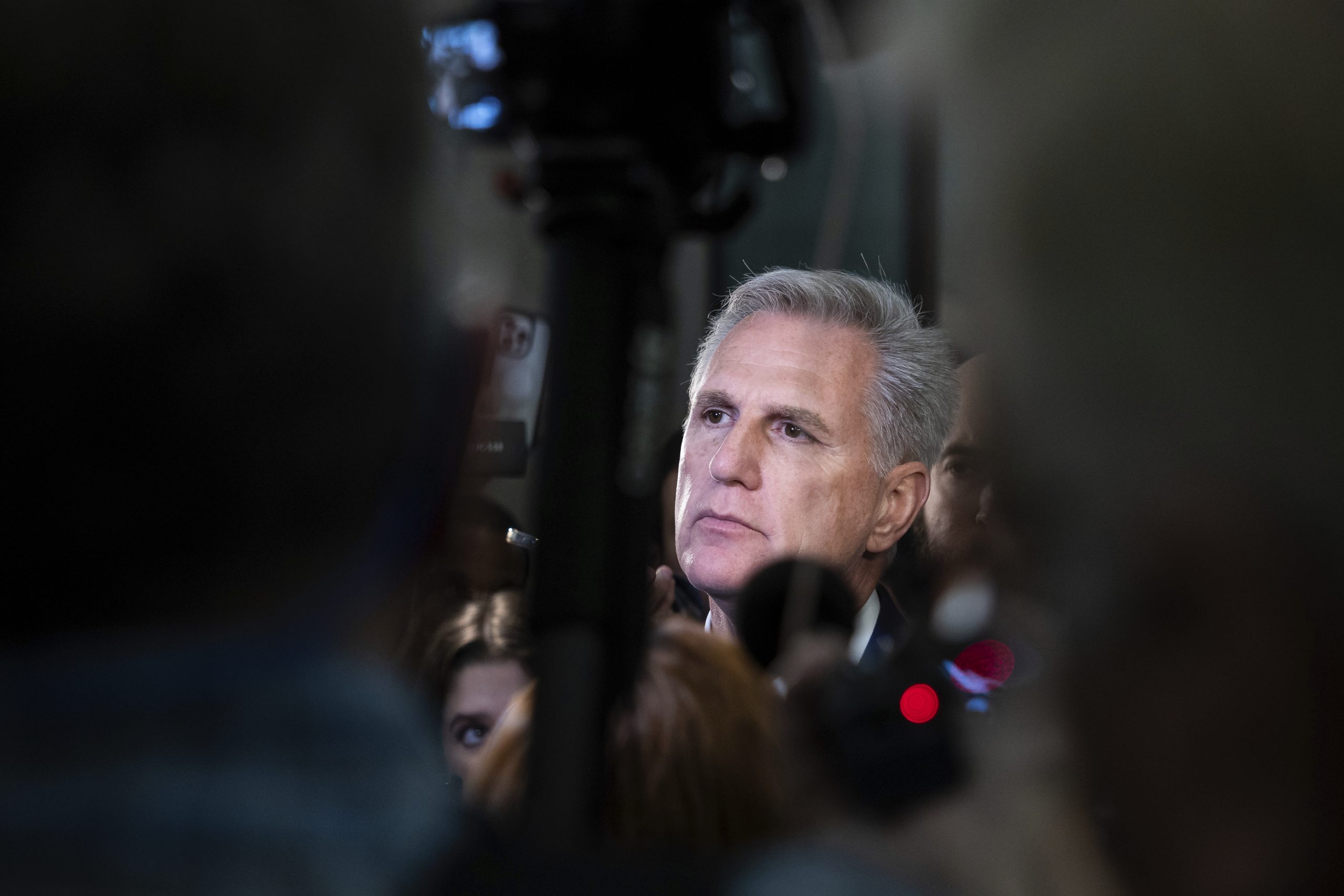
After announcing this week that he would resign from Congress before the end of the year, former House Speaker Kevin McCarthy endorsed Donald Trump for president.

“I believe Donald Trump will win, I believe that Republicans will gain more seats in the House, and that Republicans will win the Senate,” McCarthy told CBS News’ Robert Costa in a prerecorded preview of an upcoming interview.

“I will support President Trump,” he said when asked whether his warm words were an endorsement of the former president.

McCarthy, who clinched the speakership after 15 votes in January, was ousted from his position in October after hard-right conservatives lodged an effort to displace him. They publicly said that his work with Democrats to keep the government open defied a deal over how Republicans would approach negotiating the budget. And Trump, who still looms large over a prominent group of populist conservatives in the House, did little to stave off the effort in McCarthy’s hour of need.

And McCarthy didn’t even ask for his help.

The pair have had a tumultuous relationship for years, from McCarthy expressing that Trump bore responsibility for the Jan. 6 riot at the U.S. Capitol to him appearing at the former president’s side weeks later in a renewed endorsement. And now, McCarthy appears ready to ride by Trump’s side as 2024 arrives, while other Republicans on the Hill brace for another Trump presidency. Other contenders in the GOP primary race have failed to gain meaningful traction in a race that Trump has dominated.

In another sign of warmth towards the former president, the California Republican also said that he would serve in a Trump cabinet — if he gets a good spot.

“In the right position, if I am the best person for the job, yes,” McCarthy said. “I worked with President Trump on a lot of policy. We worked together to win the majority.”

The Trump campaign, which did not immediately respond to a request for comment, released a forcefully worded statement on Friday that allies should not speculate about potential administration appointments. That message was released in apparent response to media reports that Trump was poised to pick an array of far-right voices to prominent positions in a second administration.

“People publicly discussing potential administration jobs for themselves or their friends are, in fact, hurting President Trump … and themselves,” the campaign said in a statement on Friday. “These are an unwelcomed distraction.”

Former Rep. Jerry McNerney jumps into fast-shifting California state Senate race

posted in: Politics | 0

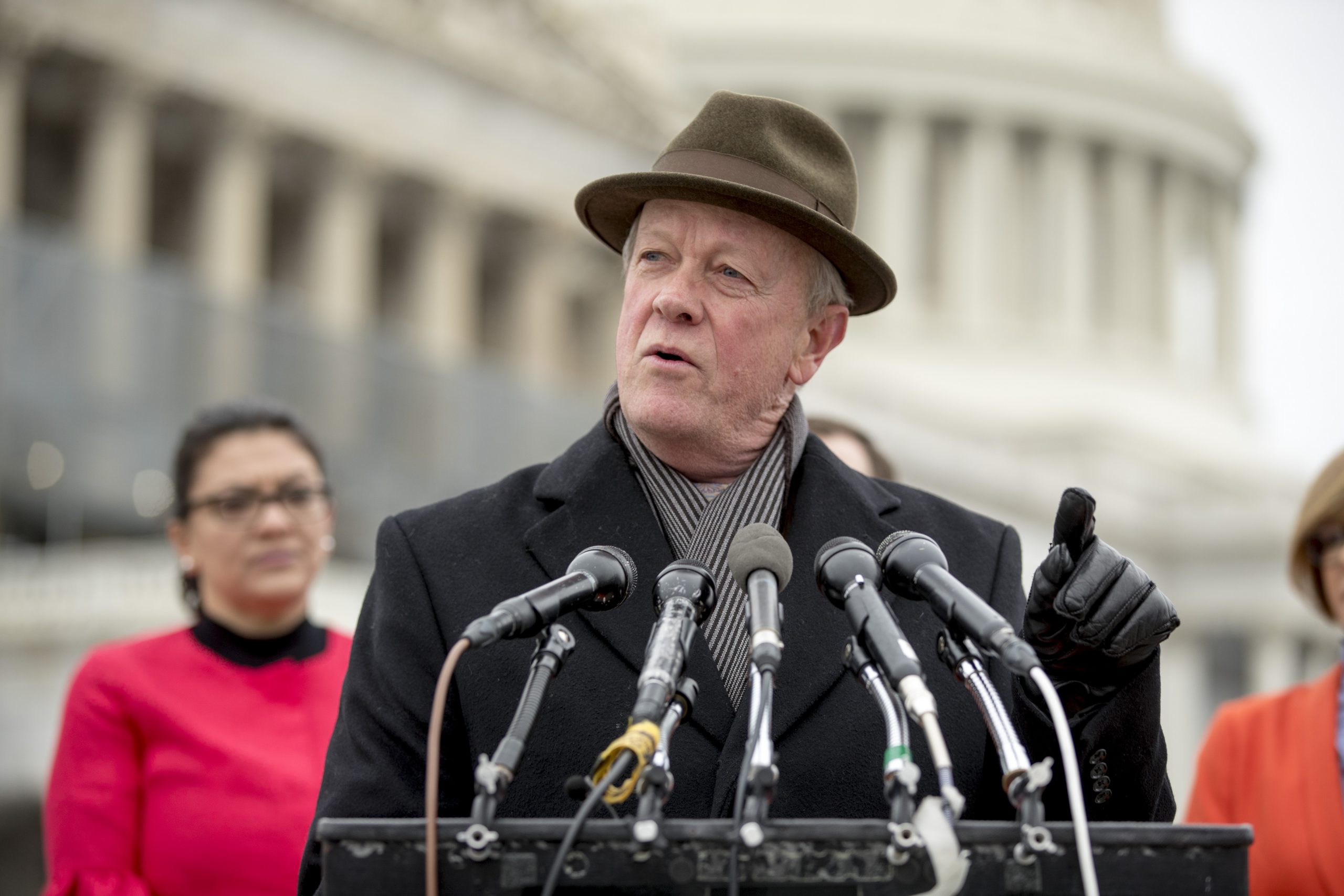
Former Rep. Jerry McNerney is running for an open seat in California’s Legislature less than a year after leaving Congress.

McNerney said in an interview that he was running for the Stockton-area office because he saw “a great opportunity to get really good work done in California.”

“I feel really strongly about the climate, about gun violence, about women’s rights and so many other things, and I believe the California state Legislature is a place where you can really get stuff done,” said McNerney, a Democrat who spent more than a decade in the House.

His entry further upends the fast-changing race for the vacant 5th Senate district, which state Sen. Susan Eggman (D-Stockton) is leaving at the end of the year, and could be seen as an effort to block a dynasty-making play by Assemblymember Carlos Villapudua (D-Stockton) and his wife, Edith Villapudua.

McNerney will be running against Carlos Villapudua, one of the most moderate Democrats in the state Assembly. The state lawmaker announced on Thursday — just before the candidate filing deadline — that he would run for the open Senate seat rather than for another Assembly term.

Carlos Villapudua’s last-minute swerve into the state Senate race looked likely to benefit his wife, who had been running for the Senate seat but faced a tough Democratic opponent. Now, Edith Villapudua is positioned to run unopposed for the Assembly seat her husband is vacating.

Both Villapuduas have faced resistance from California Democrats. Last month the party endorsed Rhodesia Ransom, a staffer to Rep. Josh Harder, over Edith Villapudua for the Senate seat — and declined to endorse Carlos Villapudua’s reelection bid.

In a sign the Democrat-on-Democrat clash will turn contentious, Carlos Villapudua’s campaign consultant Lee Neves brushed off McNerney’s entry on Friday, describing the former representative as “a backbencher.”

“I look forward to a campaign where we compare (McNerney’s) record as a backbencher who collected a paycheck while getting nothing done in Congress to Assemblymember Villapudua’s laundry list of accomplishments in the state Assembly,” Neves said in an interview.

Bret Stephens: Silence is violence — but not when it comes to Israeli rape victims?

posted in: Politics | 0

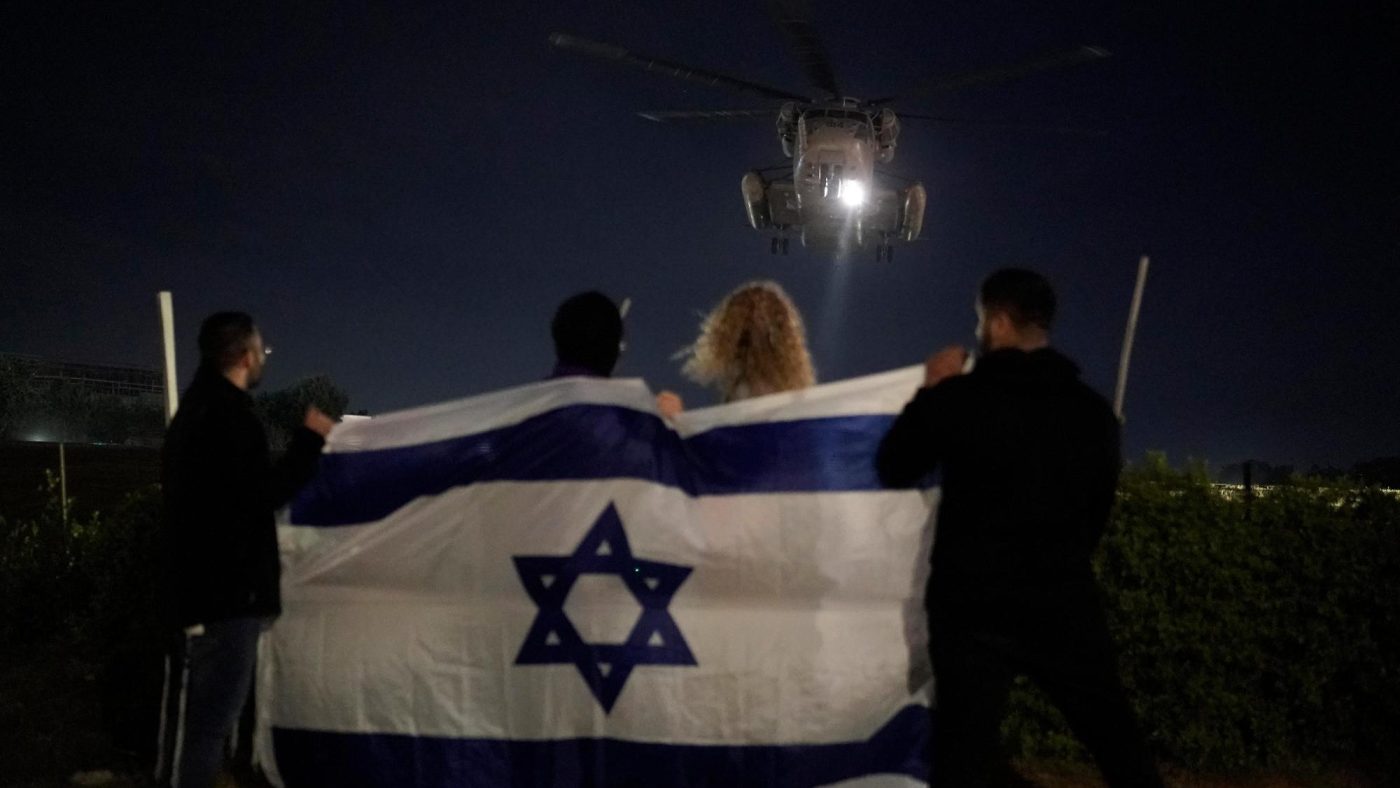
On Sunday, CNN’s Dana Bash asked Rep. Pramila Jayapal, D-Wash., why so many progressive women have been silent about the extensive reports of widespread rape and sexual assault carried out by Hamas against Israeli women during the massacres of Oct. 7.

What followed was a master class in evasion, both-sidesism and changing the subject from the chair of the Congressional Progressive Caucus.

“I’ve condemned what Hamas has done,” Jayapal allowed, briefly, before moving immediately to condemn Israel. Bash persisted: “I was just asking about the women, and you turned it back to Israel. I’m asking about Hamas.”

“I’ve already answered your question, Dana,” Jayapal replied, adding that while rape was “horrific,” it “happens in war situations. Terrorist organizations like Hamas obviously are using these as tools. However, I think we have to be balanced about bringing in the outrages against Palestinians.”

A day after the CNN interview, I attended a conference at the United Nations headquarters in New York, organized by the Israeli mission and Jewish groups, in which Hamas’ “tools,” to use Jayapal’s term, were described. Sheryl Sandberg, Hillary Clinton and Kirsten Gillibrand were among the headline speakers. But the important testimony came from Israelis who bore witness to what they had seen firsthand or heard from eyewitnesses of Oct. 7.

Here is some of what I heard, which people like Jayapal would do well to hear also. It’s extremely graphic.

Yael Richert, a chief superintendent with the Israeli national police, quoting a survivor of the Nova rave massacre:

“Everything was an apocalypse of corpses. Girls without any clothes on. Without tops. Without underwear. People cut in half. Butchered. Some were beheaded. There were girls with a broken pelvis due to repetitive rapes. Their legs were spread wide apart, in a split.”

An unidentified survivor of the rave, shown in a video with her face obscured:

“They laid a woman down, and I understood they were raping her. He was basically shifting her around and passing her to another person. She stood on her feet; she was bleeding from her back. He’s pulling her hair. She’s not dressed, and he cuts her breast, throws it on the road, and they are playing with it.”

Shari Mendes, an architect and army reservist who helped identify and prepare female corpses for burial as part of the Israeli military’s morgue staff, describing what she saw:

“It seems as if the mutilation of these women’s faces was an objective in their murders. Some heads were bashed in so badly that brains were spilling out.”

She added:

“Many young women arrived in bloody shredded rags or just in underwear, and their underwear was often very bloody. Our team commander saw several female soldiers who were shot in the crotch, intimate parts, vagina, or shot in the breasts. There seemed to be systematic genital mutilation of a group of victims.”

Simcha Greinman, an emergency medical worker with ZAKA, Israel’s volunteer identification, extraction and rescue teams:

“I was called down on Oct. 7 to collect bodies and remains from the terror attack. On one of the days, I was called into a house, told there were a few bodies there, and I walked into the house. I saw in front of my eyes a woman; she was naked. She had nails and different objects in her female organs. Her body was brutalized in a way that we cannot identify her, from her head to her toes.”

He went on:

“On a different day, we got a mission to go into another house. I walked into this house, into the bedroom; there was a woman leaning on her bed. She was half-naked, from the waist down. She was shot in the back of her head. When we turned her around she had an open grenade in her hand. Thank God no one on our team got hurt.”

Following the testimonies, Yifat Bitton, an Israeli law professor, noted that the victims had been “silenced twice”— first by Hamas on Oct. 7, and then “by the silence of the very U.N. organizations that were entrusted with the mandate of protecting them.” There were clear signs of sexual abuse from the first moments of the attack, and by mid-November there were authoritative reports of Hamas’ widespread sexual assaults.

Yet it took U.N. Women, the agency that has that mandate to look out for women’s rights globally, eight weeks before issuing a perfunctory statement saying it was “alarmed” by accounts of gender-based atrocities during the attacks of Oct. 7.

As for other so-called human-rights organizations, the website of Human Rights Watch — which includes a page ostensibly devoted to women’s rights — has dozens of news releases about the war in Gaza. Not a word about the rapes. From Amnesty International: nothing that can be found on its website. The National Organization for Women denounced the Oct. 7 attacks on the day they occurred and last week issued a news release condemning “rape as a weapon of war.” But it contained no mention of Hamas.

Why not?

In a remarkable floor speech last week, Senate Majority Leader Chuck Schumer, D-N.Y., spoke of “the sting of the double standard,” which, he said, “is at the root of antisemitism.” He also recalled a talk he heard in college by Abba Eban, then Israel’s foreign minister, who confronted left-wing hecklers at an event at Harvard.

“We have lived with the double standard throughout the centuries,” Eban told the protesters, Schumer said. “There are always things the Jews couldn’t do. Everyone could be a farmer but not the Jew, everyone could be a carpenter but not the Jew, everyone could move to Moscow but not the Jew, and everyone could have their own state, but not the Jew.”

To which one can today add: Every victim of sexual violence should be heard; no condemnation of rape should ever come with qualifiers; “Silence Is Violence.”

But not when it comes to Jews.

Related Articles

Opinion |


Stephen L. Carter: Sandra Day O’Connor’s legacy: She listened

Opinion |


David French: It’s time to fix America’s most dangerous law

Opinion |


Chris Churchill: Schumer calls out antisemitism on his own side

Opinion |


Thomas Friedman: This is the 9/11 lesson Israel needs to learn

Opinion |


Paul Krugman: Donald Trump still wants to kill Obamacare? Why?

Bret Stephens writes a column for the New York Times.

Elizabeth Shackelford: Ukrainians won’t submit to Russian rule. The horrors of the Holodomor help explain why

posted in: Politics | 0

The last Saturday in November this year marked Holodomor Memorial Day, the 90th anniversary of the Great Famine when Soviet leader Josef Stalin’s autocratic regime ruthlessly starved 4 million Ukrainians to death.

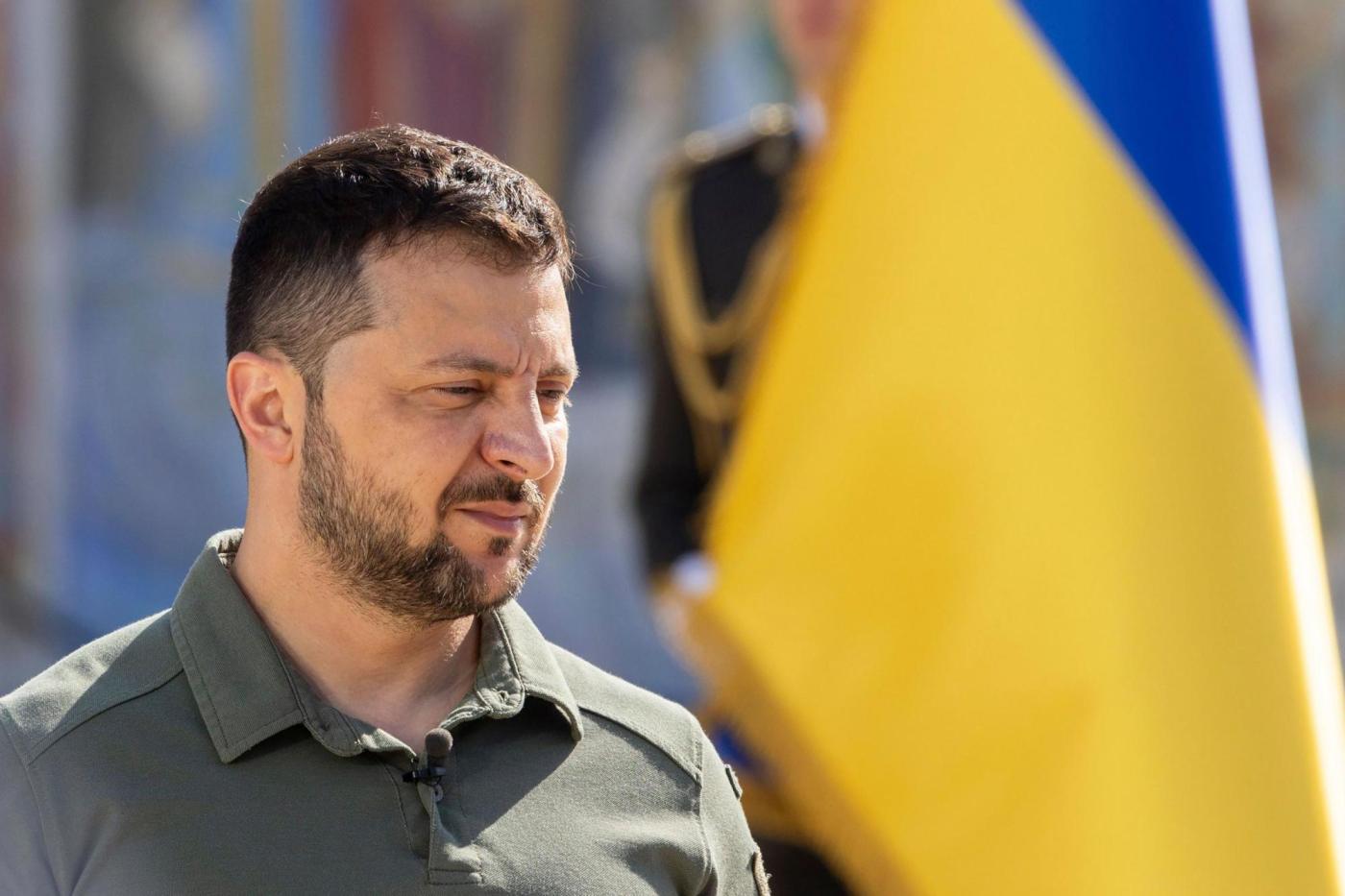
This horrific event is part of the historic backdrop shaping Ukraine’s response to Russia’s war. This experience is why, even as a stalemate sets in and winter approaches, the Ukrainian people oppose the idea of negotiating an end to this conflict.

Ukraine has good reason not to trust that its people would be safe under Russian rule. Russia has a long history with Ukraine, but that history is a far cry from Russian President Vladimir Putin’s claims that Russians and Ukrainians are “one people.”

Rather, Russia’s history with Ukraine is one of abuse, exploitation and horror.

This was true of the Russian empire and the Soviet Union, and it remains so under Putin’s autocratic Russia today. But Holodomor is perhaps the starkest reminder.

‘Death by starvation’

Holodomor, in Ukrainian, means “death by starvation.” The specific intent of Stalin’s regime remains a point of debate, but the cruel and massive scale of suffering his policies caused the Ukrainian people, with full knowledge of the consequences, is undeniable.

Stalin stole land, livestock and farming equipment from millions of Ukrainian farmers and forced them to labor on government farms as part of his collectivization policy launched in the late 1920s. The policy was meant to use grain exports, brought under the control of the Soviet state, to fuel the Soviet Union’s industrialization.

Most Ukrainians were small-scale farmers, and they cultivated the breadbasket of Europe, so Stalin used them to feed that transformation. But the famine wasn’t simply the unintended consequence of a cruel economic policy. Collectivization happened alongside mass political repression to intentionally crush Ukraine’s nationalist spirit.

Ukraine had declared independence in the wake of World War I but lost its bid in 1922 after a three-year war with the Bolshevik Red Army and was forced into the Soviet Union. The desire for independence, though, wasn’t defeated, and the Soviet regime knew it. Tens of thousands of Ukrainians were arrested, executed or sent to labor camps in the years that followed. Those who opposed collectivization were declared enemies of the state and targeted for elimination.

The Great Famine affected millions across the Soviet Union, as Stalin imposed grain quotas elsewhere too, but he put impossibly high targets on Ukrainian communities specifically to wear them down. And it worked.

About 13% of the Ukrainian population perished in the 1932-33 government-made famine.

The world looked away

The breadbasket was starving to death. Farmers were prohibited from leaving their villages to seek work or food in cities. Villages that failed to meet their quotas were blockaded, leaving the inhabitants to die with no supplies or sustenance. Anyone caught taking produce from a collective field could be shot or imprisoned for stealing from the state.

Meanwhile, the Soviet government extracted millions of tons of grains and had enough in reserves in 1933 to feed 10 million people, according to Soviet records. The government exported and sold Ukrainian grain for cash, fully aware that millions of Ukrainians were dying of hunger as a result. The Soviet government denied the famine, rejected offers of outside assistance and prohibited any discussion of Holodomor for decades thereafter.

For this horrific crime, and many others, Stalin paid no price.

The rest of the world conveniently looked away, and more pressing geopolitical concerns soon made it expeditious for the West to form an alliance with his regime to defeat Germany in World War II.

Putin, like Stalin …

Ukrainians have taken lessons from this brutal history, and Putin has too.

Like Stalin, Putin seeks to violently exploit Ukraine to strengthen himself at home. He uses terror and repression to defeat political enemies. And he expects the rest of the world will ultimately let him get away with it, as he believes he cares more about defeating Ukraine than others care about liberating it.

He could be right. Ukraine is getting few breaks right now. Its military has made no real gains this year, as a bloody stalemate has set in. Military aid commitments from the United States, Ukraine’s biggest backer, are stuck in a dysfunctional Congress. Although most American lawmakers and citizens still support providing military assistance to Ukraine, the issue has become a lightning rod for the hard-right wing of the Republican Party, which retains just enough power to act as an obstacle, much to Putin’s delight. Meanwhile, the onset of another brutal war in the Middle East has made it easier for Ukraine to disappear from the headlines, even as its own war rages on.

History and its consequences

But whether the United States is with them or not, the Ukrainian people will continue the fight. They know this history well and its consequences. They also know what Putin’s military did to their people in massacres in Bucha, Mariupol and elsewhere across Ukraine in the past two years.

For Ukraine, this isn’t a question of territorial control, power or trade-offs. It’s a question of existence.

Related Articles

Opinion |


Stephen L. Carter: Sandra Day O’Connor’s legacy: She listened

Opinion |


David French: It’s time to fix America’s most dangerous law

Opinion |


Chris Churchill: Schumer calls out antisemitism on his own side

Opinion |


Thomas Friedman: This is the 9/11 lesson Israel needs to learn

Opinion |


Paul Krugman: Donald Trump still wants to kill Obamacare? Why?

Elizabeth Shackelford is a foreign affairs columnist for the Chicago Tribune. She was previously a U.S. diplomat and is the author of “The Dissent Channel: American Diplomacy in a Dishonest Age.”