Attention, Chicago White Sox fans: SoxFest will return in January 2025

posted in: News | 0

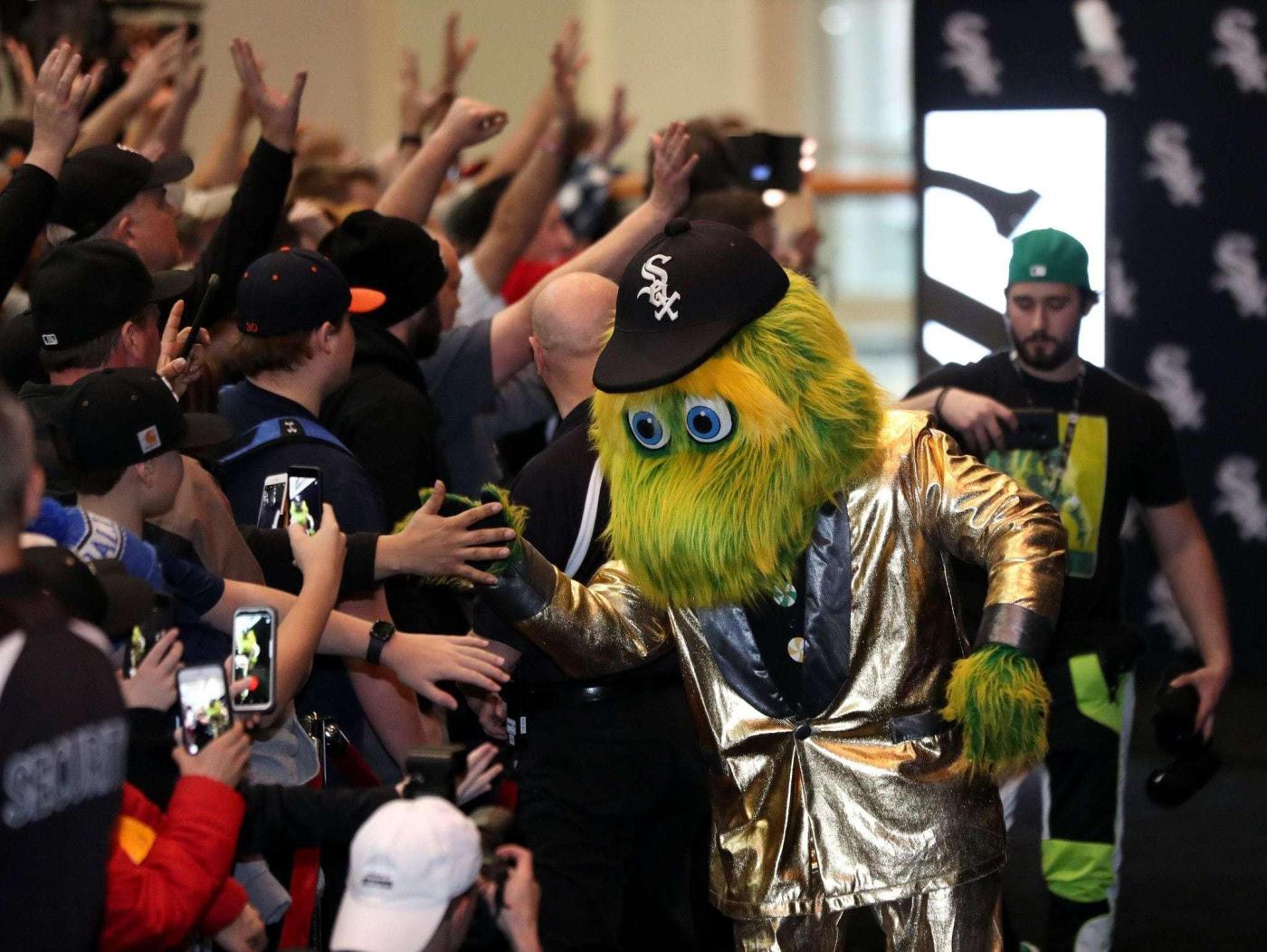
SoxFest will return next year, the Chicago White Sox announced Friday.

The fan event — last held in 2020 — will take place Jan. 24-25, 2025. Location, official on-sale dates, programming and scheduled appearances will be announced later.

SoxFest has been a gathering that provides fans the opportunity to connect with former and current players, coaches and prospects while taking a look toward the upcoming season.

In a release announcing the news, the Sox said SoxFest 2025 “returns with the same community-building spirit, featuring new and reimagined programming and experiences to immerse guests into the world of White Sox baseball.”

The most recent SoxFest — the 28th edition — occurred in late January 2020. The 2021 event was canceled because of the COVID-19 pandemic. 2022 SoxFest also was canceled, with the Sox noting at the time the challenges of projecting and managing COVID-19-related protocols in an indoor setting.

SoxFest did not take place last year “due to several factors,” the Sox said at the time. The Cubs have held their annual fan fest the last two years.

Friday’s announcement comes on the same day of a gathering for season ticket holders at the Field Museum.

The returning SoxFest will mark a pair of milestones in the franchise’s history in 2025 — the 20-year anniversary of the 2005 World Series championship team and the 125-year anniversary of the Chicago White Sox organization.

()

David Brooks: Models for a generous American patriotism — and national self-confidence

posted in: News | 0

I’ve been crisscrossing the country almost constantly over the last five months. When I ask people about politics, the feeling I hear most often is exhaustion. People are just tired out from the endless national crises, their dread of the 2024 presidential campaign, the ugliness of it all. Many people I talk with seem passive, discouraged and are trying, mostly in vain, to shut out the political noise. It’s almost as if people have been so beaten down by the last decade, they’ve lost the self-confidence to wish for more.

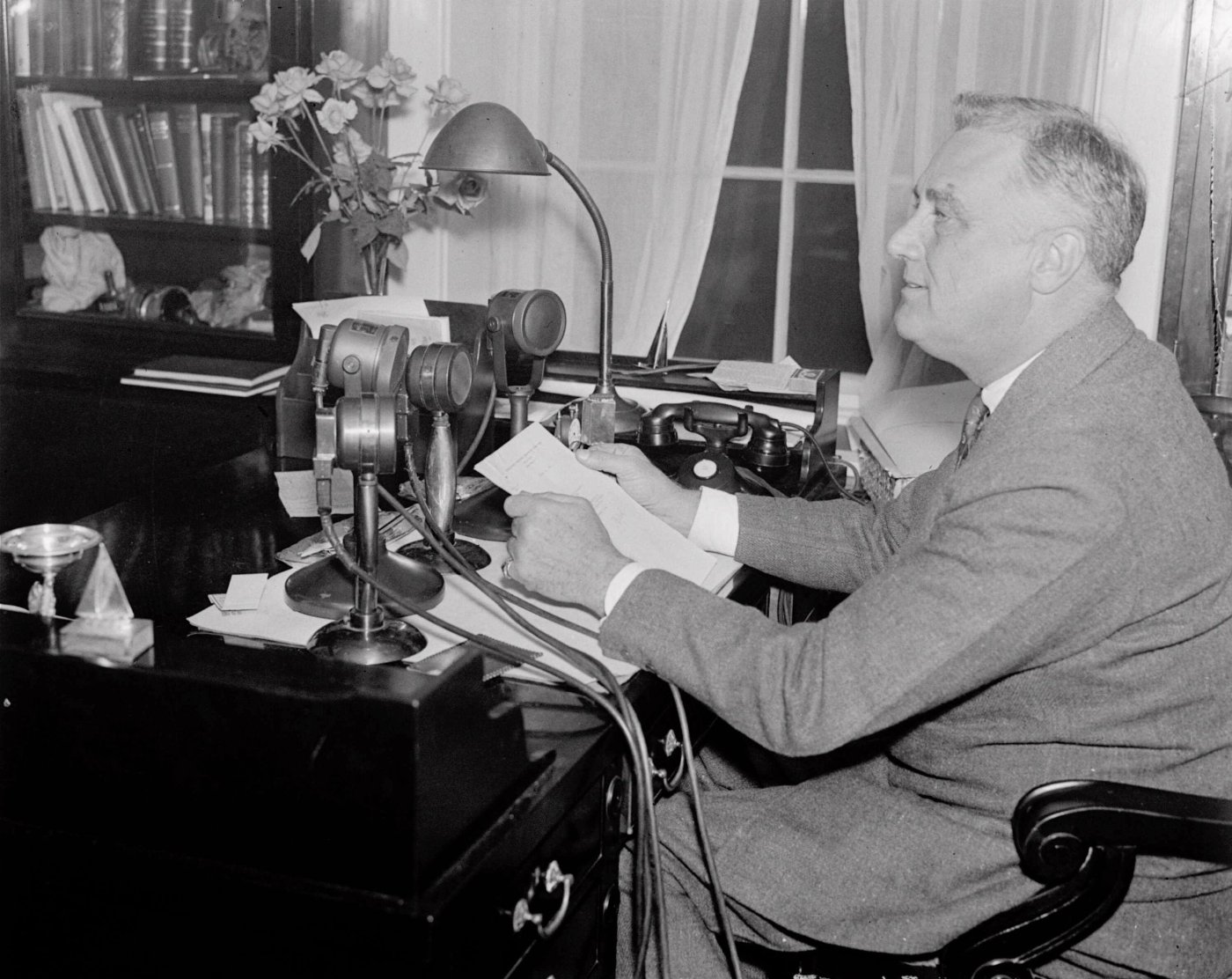
In these circumstances, I turn to two leaders who knew something about projecting hope in exhausting times: Winston Churchill and Franklin D. Roosevelt. They offered two very different versions of national self-confidence.

Churchill’s strongest sense was his romantic attachment to Britain’s past. At a time when it was fashionable to scorn the pompous Victorians and dismiss the ancient grandees like the first Duke of Marlborough, Churchill believed in the whole pageant of British history with the enthusiasm of a schoolboy. In the stentorian 18th-century cadences of historian Edward Gibbon and essayist Samuel Johnson, he painted a heroic portrait of that nation of shopkeepers and saw Britain’s current troubles in light of its glorious past.

In 1940, his romantic vision gave moral shape to contemporary terrors. Under his guidance, the British people came to see themselves as the phlegmatic and resolute defenders of their island home, the latest in a great line of underdog warriors. His invocations of their common past united a class-riven nation.

His confidence was not of the plucky, upbeat type. He offered instead blood, toil, tears and sweat. Like many past-minded people, his sensibility was tragic, aware that history is a procession of depravity, conflict and war, and that no generation is spared its traumas. But his historical frame of mind did give him an unshakable sense of who Britons were and what Britons must do.

He was not built to be a bobber and weaver, to shimmy in tune with passing trends. His confidence had a defensive but stalwart nature — to stick oneself down, to never waver, to be willing to fight on forever and ever, to project a rocklike firmness that turned out to be contagious. In a magnificent 1949 essay on Churchill, Isaiah Berlin noticed that Churchill idealized his fellow Brits with such intensity that he lifted “a large number of inhabitants of the British Isles out of their normal selves and, by dramatizing their lives and making them seem to themselves and to each other clad in the fabulous garments appropriate to a great historic moment, transformed cowards into brave men, and so fulfilled the purpose of shining armor.”

I see an American analogue to Churchill’s historic sensibility in Abraham Lincoln’s rhetoric during the Civil War: “Our fathers brought forth on this continent a new nation, conceived in liberty, and dedicated to the proposition that all men are created equal.” And I can imagine a contemporary American leader putting our current crises in the frame of the constant and similar crises of our own national past — the populists versus the coasts, the struggles for racial justice, America’s unasked-for role as leader of the free world. I can imagine a contemporary leader with a similarly weathered but undaunted confidence in our institutions and our ideas, a leader with an acute awareness of our own national identity — the nation of the future; the beacon of democracy; the nation that, with its unbounded dynamism and immigrant drive, manages to overcome the recurring tumult caused by its own idiocy and iniquity, and in the end energizes the world.

The second very different model of confidence was projected by Churchill’s great friend FDR. Berlin wrote that Roosevelt stood out for “his astonishing appetite for life and by his apparently complete freedom from fear of the future; as a man who welcomed the future eagerly as such, and conveyed the feeling that whatever the times might bring all would be grist to his mill.”

Roosevelt looked forward with such optimism, such an assumption of abundance, such a faith in progress that he saw present difficulties as stumbles on the path to the sunlit uplands to come.

While Churchill’s political gift was steadfastness, Roosevelt’s was nimble dexterity. He relished improvisation, trying multiple things at once even if they did not fit together. His untroubled confidence in his own and his nation’s power rested upon an exceptionally sensitive awareness, conscious and unconscious, of his own milieu, his intuitive anticipation of how public opinion would flow, how events would unfold. It’s as if he had antennae that could feel the minutest vibrations across the political world.

Berlin writes, “This feeling of being at home not merely in the present but in the future, of knowing where he was going and by what means and why, made him, until his health was finally undermined, buoyant and gay; made him delight in the company of the most varied and opposed individuals.” In Roosevelt’s self-confident vision, a nation enduring depression and then war was nonetheless illuminated by the brilliance of its future days. He never lost that faith.

You may doubt it in these gloomy years, but I think even today’s America could produce a leader of FDR’s buoyancy. We have by far the strongest large economy on Earth. We have by far the most innovative technical centers, the greatest centers of learning and the mental and spiritual resources brought by millions of striving immigrants. We have more talent in America today than ever before. We need somebody who can name those strengths and connect them to our children’s future.

We’re floating upon a pessimism bubble. The underlying realities do not justify the bearish mood that Donald Trump feeds and then feeds off of. We need a leader who can counteract Trump’s sour and grievance-ridden patriotism with a vaster and more generous patriotism, drawing on the glorious inheritance left by our ancestors and lured by FDR’s buoyant faith in what’s to come.

David Brooks writes a column for the New York Times.

Related Articles

Opinion |


Nicholas Kristof: The school issues we’re battling over aren’t the ones that matter

Opinion |


Paul Krugman: The rich spend differently from you and me

Opinion |


Trudy Rubin: Gaza needs humanitarian aid now — with or without a cease-fire

Opinion |


Noah Feldman: On bump stocks, the Supreme Court is divorced from reality

Opinion |


Lisa Jarvis: Going ‘California sober’ may be bad for your heart

Column: As Shane Waldron gets started as Chicago Bears offensive coordinator, finding his ideal fit is the top priority

posted in: News | 0

Maybe it’s best to start here, late in the fourth quarter of Week 15 with the Seattle Seahawks trailing 17-13 and pinned inside their 10-yard line. The two-minute warning had just passed, right after the Philadelphia Eagles downed a punt at the Seahawks 8.

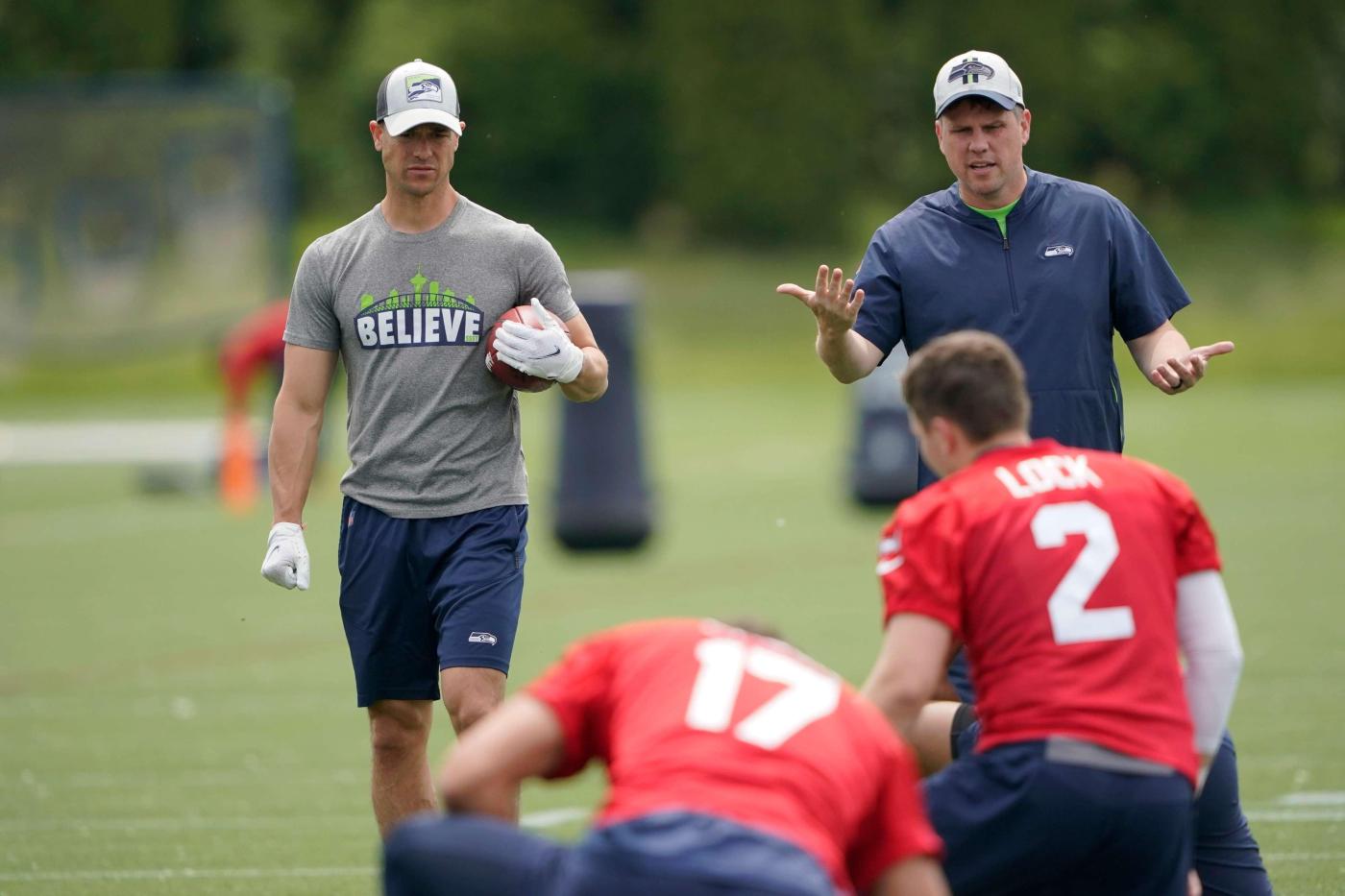
After kicking a field goal two possessions earlier, the Seahawks had life but faced a pressure-packed challenge against a quality opponent in the late stages of a “gotta have it” game. On the sideline at Lumen Field, offensive coordinator Shane Waldron grabbed quarterback Drew Lock — an emergency starter that night due to Geno Smith’s groin injury — and went to work.

It was showtime in Seattle for a 6-7, playoff-contending team in need of a big moment on the “Monday Night Football” stage.

The ensuing drive began with an incompletion — a Lock bullet over the middle that ricocheted off tight end Noah Fant’s hands and almost was intercepted. Over the next nine snaps, there were a few other near-disasters too. But the series also included five Lock completions, including a third-and-10 shot play up the right sideline to DK Metcalf for 34 yards.

Then, in the moment of truth, facing another third-and-long from the Eagles 29, Lock identified rookie Jaxon Smith-Njigba in single coverage, had the ideal play call from Waldron and dropped a game-winning bomb into the end zone with 28 seconds remaining.

Seahawks 20, Eagles 17.

That was a relatively small moment folded into a disappointing season for the Seahawks. But for all involved, it was a game-on-the-line triumph and represented the kind of resilient, poised and fearless football Waldron wants his unit to play.

Six days later, with Smith back at quarterback, Waldron put his fingerprints on another game-winning touchdown drive that ended in the final minute, this time a grinding, 14-play, 75-yard march that finished with Smith’s 5-yard pass to Colby Parkinson in a 20-17 road win over the Tennessee Titans.

That marked the second time in NFL history — and the first since 1999 — a team had two quarterbacks throw game-winning touchdown passes in the final minute of regulation in consecutive weeks. And it provided added evidence of Waldron’s ability to adapt and set up his players for success in the critical stages of games.

The Chicago Bears hope to lean into those skills and many more with Waldron as their new offensive coordinator. That union became official Tuesday. Waldron, 44, will begin the next leg of his football journey at a potentially landmark time in Bears history.

He will be the offensive visionary tasked with fueling the team’s championship pursuit while bringing out the best in whichever quarterback(s) the Bears choose to lead them into 2024 and beyond.

Waldron also will walk into an offensive coordinator’s office at Halas Hall where — with the exception of Adam Gase — the inhabitants almost always leave through a trap door rather than on an up escalator.

The pursuit of consistency

Within league circles, Waldron is regarded as an up-and-coming offensive architect, an intelligent and creative coach with strong teaching skills. His work with Smith in Seattle in 2022 is particularly notable as the once-forgotten quarterback enjoyed a career year (4,282 passing yards, 30 TDs) on the way to earning Pro Bowl honors and the league’s Comeback Player of the Year award.

Waldron has worked under some of the sport’s coaching greats — Bill Belichick with the New England Patriots (2008-09), Sean McVay with the Los Angeles Rams (2017-20) and Pete Carroll for the last three seasons in Seattle.

He was the Rams passing game coordinator for three seasons and Jared Goff’s quarterbacks coach in 2019. He spent one season with Russell Wilson in Seattle before preparing Smith to be a productive starter for a playoff team in 2022.

When it comes time for the Bears to formally introduce Waldron, he likely will detail three key tenets within his offensive philosophy. Ball security is a must. Fundamentals require a daily investment to stay sharp. Buy-in from the entire group will be the blowtorch that ignites everything.

Waldron likely will talk often about being committed to the pursuit of consistency. He strives for balance in his offense, wanting to establish a strong running game while embracing an attacking mentality when explosive-play opportunities present themselves.

And as was the case in those two late comeback victories last month, Waldron surely wants the identity of his offense to include composure, determination and high-level mental toughness.

As a play caller, he will have to connect on a heightened level with his quarterback, striving to consistently bring out the best in whomever that turns out to be.

The presumption is, at the very least, he will be afforded input as his new bosses at Halas Hall work to solve that riddle in the coming weeks and months. That work will include both pre-draft homework and in-house discussions on the developmental progress of Justin Fields.

Fit process

Like with any coaching hire, it’s easy to gravitate first to feelings of hope, to the optimistic visions of the significant improvements that can catalyze a meaningful breakthrough. Waldron’s experience calling plays was a definite plus for the Bears. For general manager Ryan Poles and coach Matt Eberflus, that removes a chunk of the guesswork that comes with trying to forecast how he might handle those duties in Chicago and what kind of productivity they can expect.

Still, Eberflus and Poles are less than two years removed from hiring their last offensive coordinator — the January 2022 union with Luke Getsy that triggered significant excitement at Halas Hall.

Like Waldron, Getsy was hailed as a rising, young offensive coach with high intelligence, proven teaching skills and impressive creativity. He had been with the Green Bay Packers for six of the previous seven seasons, including three working under Matt LaFleur in a Kyle Shanahan/McVay-style offense. Getsy was endorsed by those who knew him best — players and coaches — as a strong communicator, steadying leader and sincere, relatable team builder.

He had been Aaron Rodgers’ quarterbacks coach for MVP seasons in 2020 and 2021 and, while serving as Mike McCarthy’s receivers coach in 2016 and 2017, had been credited by Davante Adams as influential in his breakthrough.

“He’s been on my radar for a while,” Eberflus said after hiring Getsy, later emphasizing his attraction to the timing-based, quick-decision passing attack Getsy was likely to bring.

For the next two seasons, Getsy was regarded as an imaginative football mind with strong collaborative skills and a comprehensive understanding of all the moving parts within an offense. But the Bears, under his guidance, also had significant inconsistency issues, and the desired breakthrough for Fields never reached the level the team hoped.

All the positive traits the Bears identified in Getsy didn’t mean enough when his offense too frequently found itself sputtering.

Fields worked his hardest to master a system that was not ideal for him. Getsy’s troubleshooting efforts sometimes steered Fields away from concepts and plays he was most comfortable with.

It became a frustrating square dance. The quarterback was frequently adjusting to the play caller. The play caller was adjusting to the quarterback. The offense, in turn, was adjusting, readjusting, then adjusting yet again for large chunks of two seasons, impeding the opportunity to build momentum or expand, particularly in the passing game.

It was a fit issue. A significant one. And it’s a lesson Eberflus and Poles must learn as they try to set up Waldron for success.

Waldron’s experience and adaptive qualities should help. But with the Bears potentially at a pivot point at quarterback, striving to marry the offensive vision with the personnel must remain a priority as well.

For whatever it’s worth, Waldron’s Seahawks ranked behind the Bears this season in total offense, first downs, touchdowns, third-down conversion percentage and red-zone efficiency. They also had a bottom-five rushing attack.

Waldron must find ways to make his next offense much more potent. Whatever it takes. He must have solutions and ideas for maximizing his quarterback’s gifts while also playing to the strengths of the supporting cast.

And when the pressure rises? When the Bears reach those critical stages of close games? Waldron will be expected to consistently be at his best, bringing out the best in every player in his offense.

The Bears, naturally, are hopeful for what’s ahead. Ultimately, the results Waldron produces and his ability to help the team’s quarterback(s) shine will define his time in Chicago.

()

Chicago White Sox sign John Brebbia to a 1-year deal to bolster their bullpen depth

posted in: News | 0

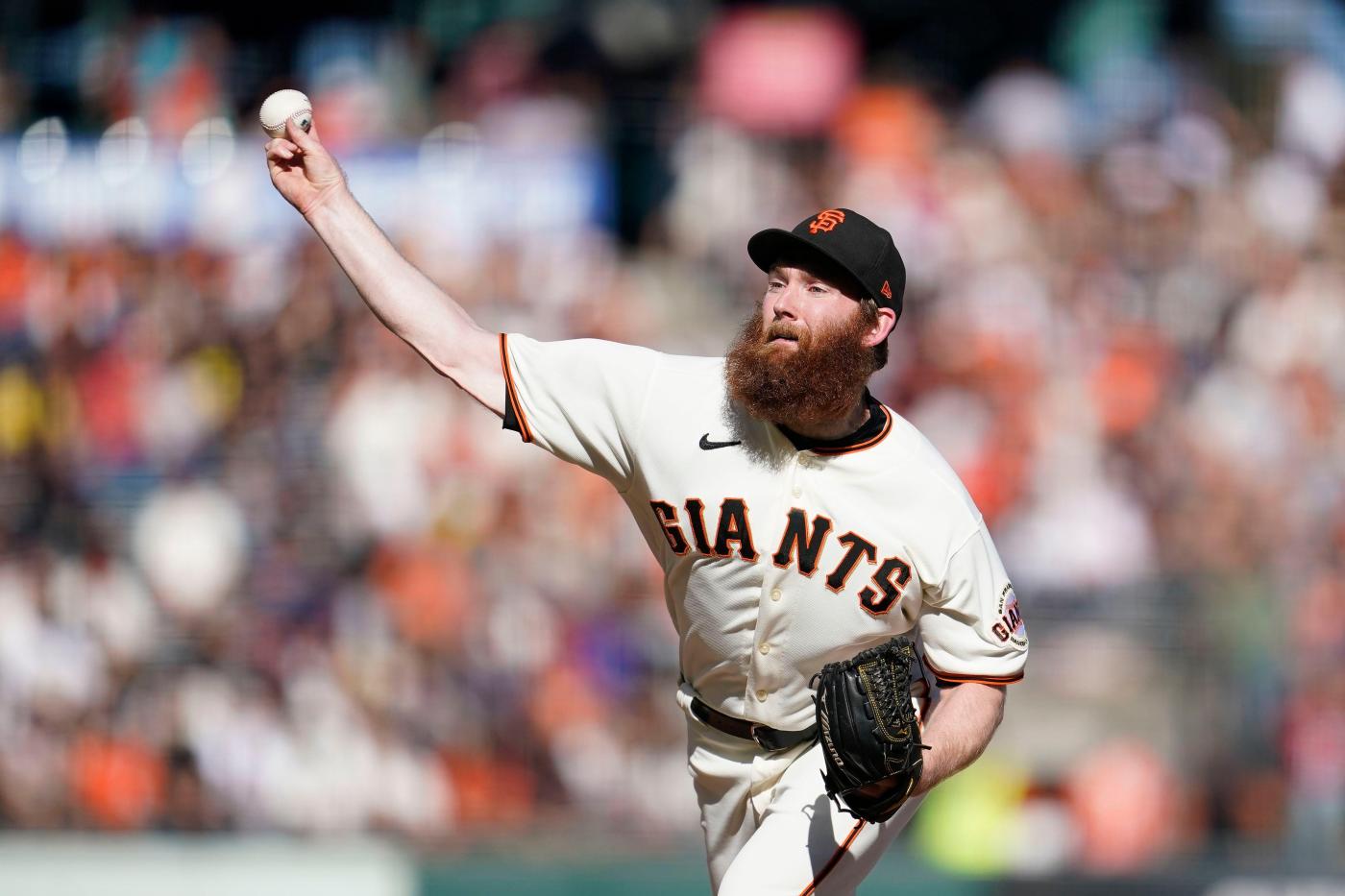
The Chicago White Sox added to their bullpen depth Saturday, signing right-hander John Brebbia to a one-year deal, a source confirmed to the Tribune.

The move is pending a physical.

MLB Network’s Jon Morosi initially reported the signing and Ken Rosenthal of The Athletic reported the deal is for $5.5 million.

Brebbia, 33, is 15-15 with a 3.42 ERA and two saves in 295 career appearances (21 starts as an opener) during six seasons with the St. Louis Cardinals (2017-19) and San Francisco Giants (2021-23). He has 321 strikeouts and 90 walks in 299 2/3 career innings.

He went 3-5 with a 3.99 ERA in 40 outings (10 as an opener) for the Giants in 2023. Brebbia had 47 strikeouts and 14 walks in 38 1/3 innings, missing a portion of the season with a right lat strain.

Brebbia underwent Tommy John surgery in June 2020 and made 18 appearances for the Giants in 2021. He led the National League with 76 outings the next season (11 as an opener), going 6-2 with a 3.18 ERA, 54 strikeouts and 18 walks in 68 innings.

The signing comes on the heels of the Sox agreeing to terms on a one-year contract with left-handed reliever Tim Hill last month.

()