Macron urges EU to consider trade ‘bazooka’ in response to US tariffs threat

posted in: All news | 0

by SAM McNEIL, Associated Press

BRUSSELS (AP) — Rattled by President Donald Trump’s aggression towards Greenland, the European Union is readying counter-measures against the United States.

Related Articles


Israel agrees to join Trump’s Board of Peace as some western European nations say no


EU chief says Trump’s threats challenge Europe’s security and prosperity, ahead of emergency summit


Today in History: January 21, Concorde jet takes first supersonic passenger flight


Barcelona commuter train crashes, killing 1, days after deadly train collision in Spain


Australia’s Parliament passes anti-hate speech and gun laws after Sydney attack

But as primarily a trading bloc of 27 nations, the EU’s toolkit is mostly financial instruments, from steep tariffs on U.S. goods to the so-called “trade bazooka” touted by French President Emmanuel Macron.

The term is shorthand for the bloc’s Anti-Coercion Instrument, or ACI, that could sanction individuals or institutions found to be putting undue pressure on the EU.

Those sanctions could inflict untold billions of dollars in costs to U.S. companies by restricting EU market access, barring them from EU public tenders, and potentially limiting foreign direct investment and curtailing the export and import of goods and services.

So far, there’s little backing in the 27-nation EU to use it, with the exception of France.

Macron warned in Davos on Tuesday that additional tariffs by the U.S. could force the EU to use its anti-coercion mechanism for the first time.

“The crazy thing is that we could find ourselves in a situation where we use the anti-coercion mechanism for the very first time against the United States,” said Macron, arguing that allied countries should be focusing instead on bringing peace to Ukraine.

“Can you imagine it? It’s crazy. I regret it, but it is the consequence of unnecessary aggressiveness. Still, we must all remain calm.”

Macron described the mechanism as “a powerful instrument and we should not hesitate to deploy it in today’s tough environment.”

EU leaders will hold an emergency summit in Brussels on Thursday over tensions with Trump.

The ACI was established by the European Commission in 2021 after Beijing restricted trade to Lithuania over its ties with Taiwan, which is claimed by China as its territory.

“The primary objective of the ACI is deterrence. The instrument will, therefore, be most successful if there is no need to use it,” according to a commission statement issued before the dispute over Greenland.

It would take at least six months to activate the ACI.

The value of EU-U.S. trade in goods and services amounted to 1.7 trillion euros ($2 trillion) in 2024, or an average of 4.6 billion euros a day, according to EU statistics agency Eurostat.

Europe’s biggest exports to the U.S. are pharmaceuticals, cars, aircraft, chemicals, medical instruments, and wine and spirits.

Associated Press writer Sylvie Corbet in Paris contributed to this report.

House Republicans begin push to hold the Clintons in contempt of Congress over the Epstein probe

posted in: All news | 0

By STEPHEN GROVES and MATT BROWN, Associated Press

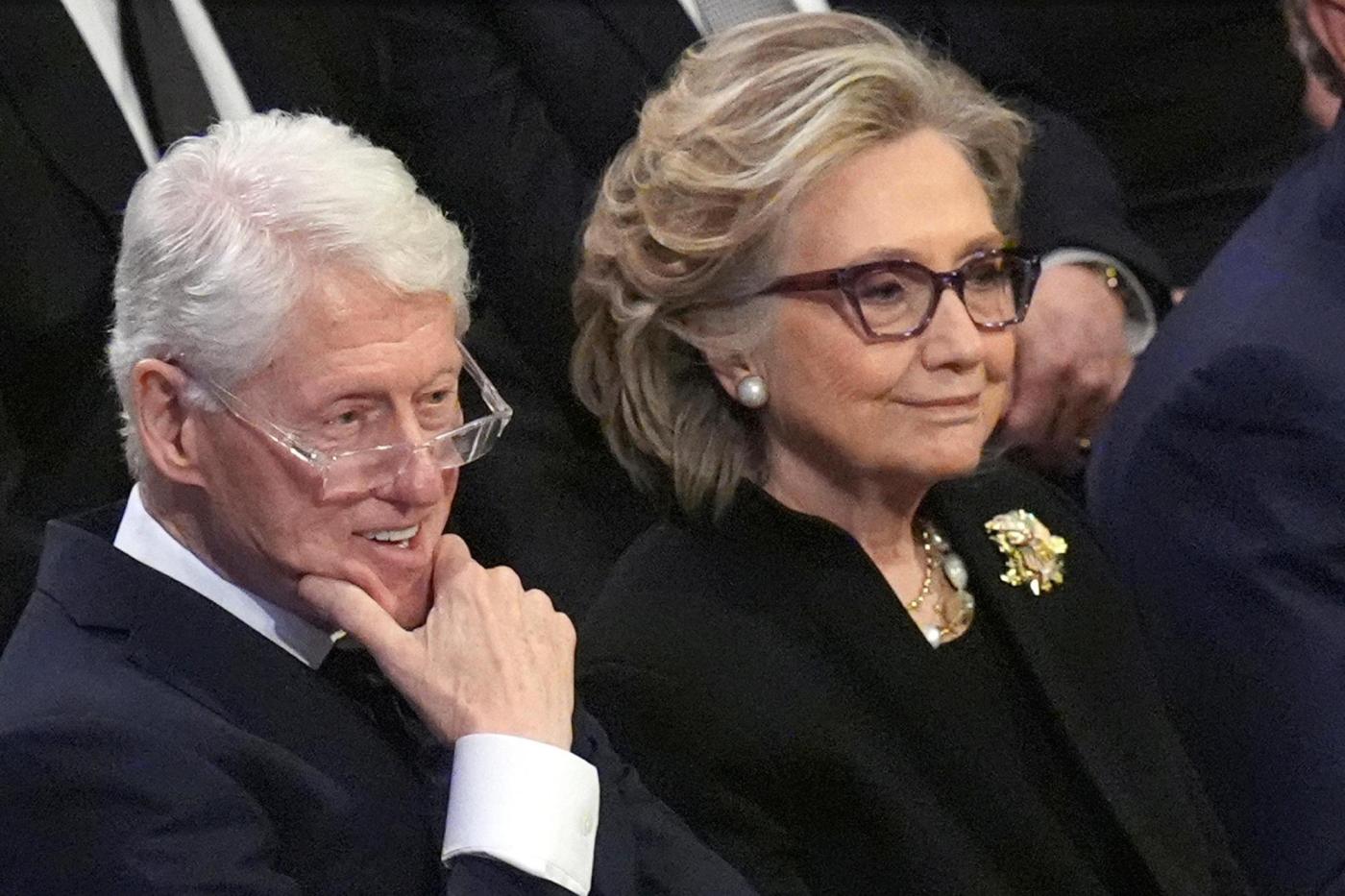
WASHINGTON (AP) — House Republicans are starting a push Wednesday to hold former President Bill Clinton and former Secretary of State Hillary Clinton in contempt of Congress over the Jeffrey Epstein investigation, opening the prospect of the House using one of its most powerful punishments against a former president for the first time.

Related Articles


Trump will talk domestic policy at Davos, where his quest for Greenland could overshadow other goals


Suspect charged in vandalism of Vice President JD Vance’s Ohio home pleads not guilty


IRS head announces a shake-up on the eve of the 2026 tax season


FACT FOCUS: Trump highlights familiar false claims as he reviews his first year back in office


Doctors in Minnesota decry fear and chaos amid Trump administration’s immigration crackdown

The contempt proceedings are an initial step toward a criminal prosecution by the Department of Justice that, if successful, could send the Clintons to prison.

Still, ahead of a meeting Wednesday by the House Oversight Committee to prepare the charges, there were signs of a thaw. The Clintons, both Democrats, appeared to be searching for an off-ramp to testify, and passage of contempt charges through the full House was far from guaranteed, requiring a majority vote — something Republicans increasingly struggle to achieve.

The repercussions of contempt charges loomed large, given the possibility of a substantial fine and even incarceration. While the charges have historically been used only as a last resort, lawmakers in recent years have been more willing to reach for the option. The Oversight Committee chair, Rep, James Comer of Kentucky, initiated the contempt proceedings after the Clintons refused for months to fulfill a House Oversight Committee subpoena for their testimony in the panel’s Epstein probe.

The clash was the latest turn in the unpredictable Epstein saga, as Congress investigates how he was able to sexually abuse dozens of teenage girls for years. Epstein killed himself in 2019 in a New York jail cell while awaiting trial. The public release of case files has shown details of the connections between Epstein and both Bill Clinton and Donald Trump, among many other high-powered men.

Clinton, Trump and many others connected to Epstein have not been accused of wrongdoing. Yet lawmakers are wrestling over who receives the most scrutiny.

“They’re not above the law. We’ve issued subpoenas in good faith,” Comer told The Associated Press on the eve of the contempt proceedings. “For five months we’ve worked with them. And time’s up.”

Comer rejected an offer Tuesday from an attorney for the Clintons to have Comer and the ranking Democrat on the committee, Rep. Robert Garcia, interview Bill Clinton in New York, along with staff.

How the Clintons have responded

The Clintons released a scathing letter last week criticizing Comer for seeking their testimony at a time when the Department of Justice is running a month behind a congressionally mandated deadline to release its complete case files on Epstein.

Behind the scenes, however, a longtime attorney for the Clintons, David Kendall, has tried to negotiate an agreement. Kendall raised the prospect of having the Clintons testify last Christmas and Christmas Eve, according to the committee’s account of the negotiations.

The Clintons have also argued that the subpoenas are invalid because they don’t serve any legislative purpose and say that they did not know about Epstein’s abuse. They have offered the committee written declarations about their interactions with Epstein.

“We have tried to give you the little information we have. We’ve done so because Mr. Epstein’s crimes were horrific,” the Clintons wrote in a letter to Comer last week.

How contempt proceedings have been used

Contempt of Congress proceedings are rare, used when lawmakers are trying to force testimony for high-profile investigations, such as the infamous inquiry during the 1940s into alleged Communist sympathizers in Hollywood or the impeachment proceedings of President Richard Nixon.

Most recently, Trump’s advisers Peter Navarro and Steve Bannon were convicted of contempt charges for defying subpoenas from a House panel investigating the Jan. 6, 2021, riot by a mob of the Republican president’s supporters at the Capitol. Both men spent months in prison.

The Jan. 6 committee also subpoenaed Trump in its inquiry, but Trump’s lawyers resisted the subpoena, citing decades of legal precedent they said shielded ex-presidents from being ordered to appear before Congress. The committee ultimately withdrew its subpoena.

No former president has ever been successfully forced to appear before Congress, although some have voluntarily appeared.

The Democrats’ response

Democrats have largely been focused on advancing the investigation into Epstein rather than mounting an all-out defense of the Clintons, who led their party for decades. They’ve said Bill Clinton should inform the committee if he has any pertinent information about Epstein’s abuses.

A wealthy financier, Epstein donated to Bill Clinton’s 1992 presidential campaign and Hillary Clinton’s joint fundraising committee ahead of her 2000 Senate campaign in New York.

Democrats embraced the call for full transparency on Epstein after Trump’s return to the White House, particularly after Attorney General Pam Bondi stumbled on her promise to release the entirety of the unredacted Epstein files to the public. The backlash scrambled traditional ideological lines, leading Republicans to side with Democrats demanding further investigation.

The pressure eventually resulted in a bipartisan subpoena from the committee that ordered the Justice Department and Epstein estate to release files related to Epstein. Republicans quickly moved to include the Clintons in the subpoena.

Comer indicated Tuesday that he would insist that the subpoena be fulfilled by a transcribed deposition of Bill Clinton.

“You have to have a transcript in an investigation,” he said. “So no transcript, no deal.”

Israel agrees to join Trump’s Board of Peace as some western European nations say no

posted in: All news | 0

By JULIA FRANKEL, Associated Press

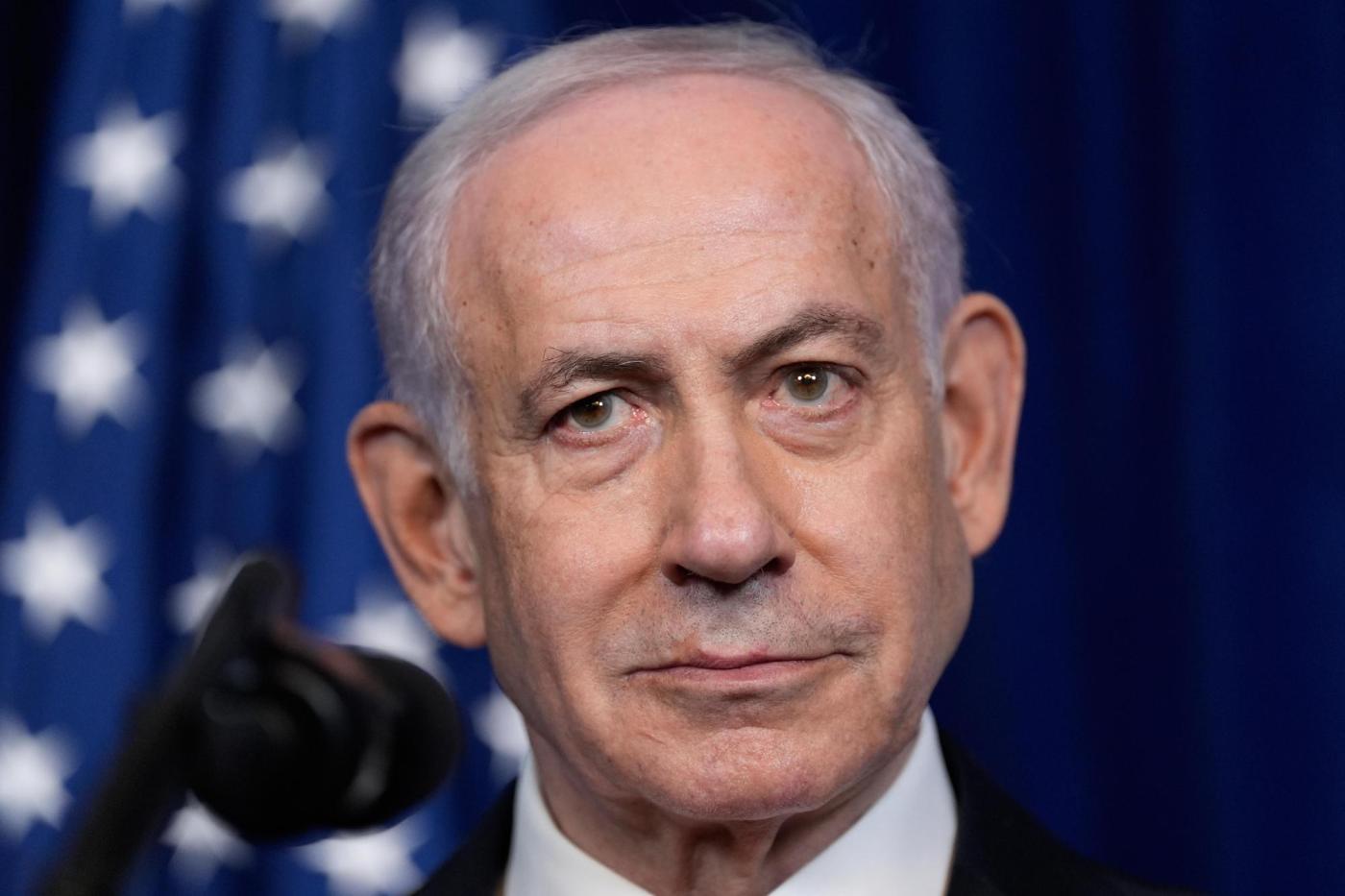
JERUSALEM (AP) — Israel’s Prime Minister Benjamin Netanyahu said Wednesday that he has agreed to join U.S. President Donald Trump’s Board of Peace in a departure from an earlier stance when his office criticized the makeup of the board’s committee tasked with overseeing Gaza.

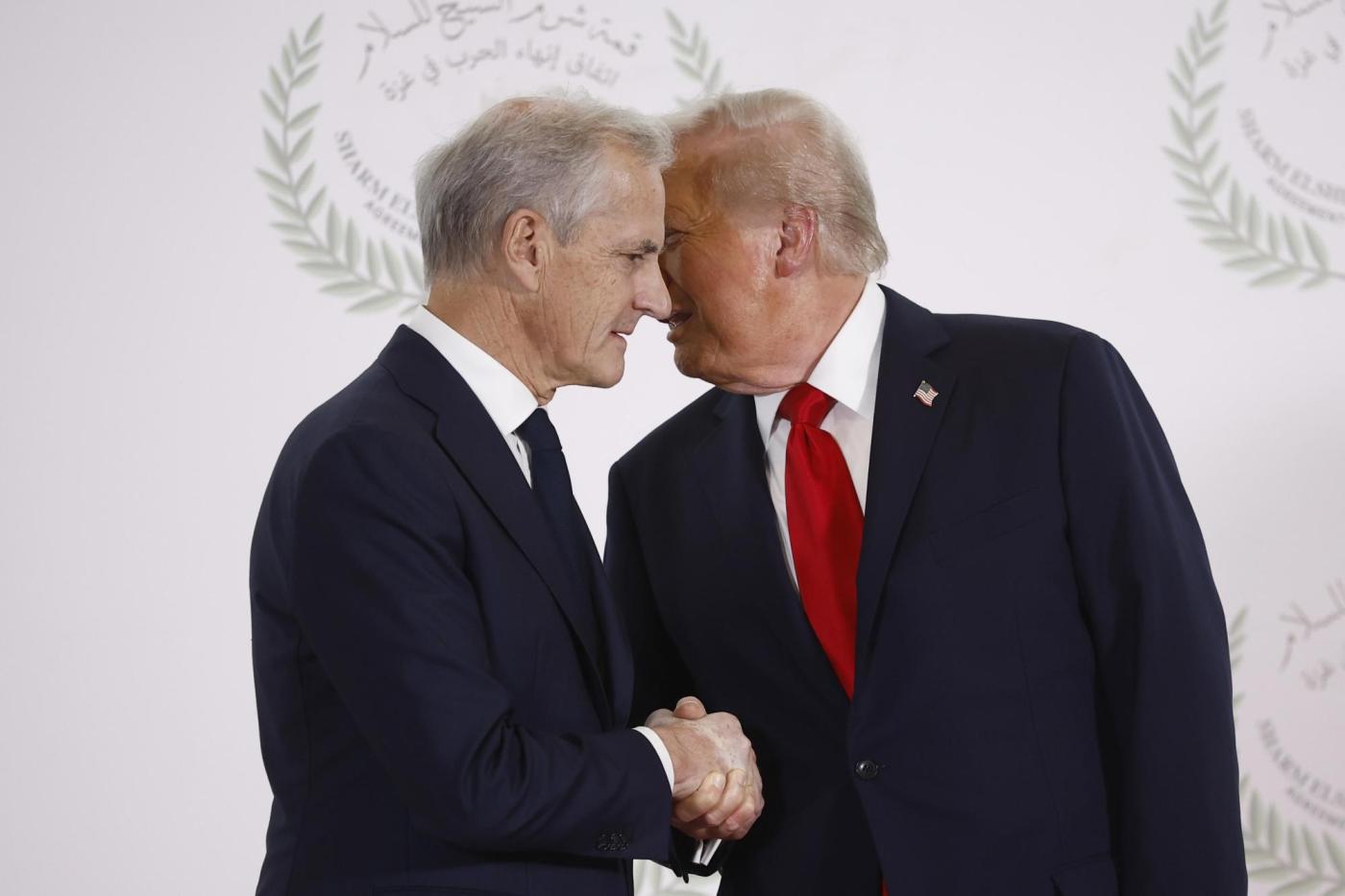
Norway and Sweden, meanwhile, said they would not be joining the board at this stage, following in the footsteps of France, which has expressed concern the board could seek to replace the United Nations as the mediator in global conflicts.

Chaired by Trump, the board was originally envisaged as a small group of world leaders overseeing the Gaza ceasefire plan. The Trump administration’s ambitions have since expanded into a more sprawling concept, with Trump extending invitations to dozens of nations and hinting the board will soon broker global conflicts.

Trump headed for the World Economic Forum meeting in Davos, Switzerland, where he is expected to provide more details about the board.

Israel, Azerbaijan and Kosovo say yes, Norway and Sweden say no

Netanyahu’s office had previously said the composition of the Gaza executive committee — which includes Turkey, Israel’s key regional rival — was not coordinated with the Israeli government and ran “contrary to its policy,” without clarifying its objections.

Related Articles


Today in History: January 21, Concorde jet takes first supersonic passenger flight


Barcelona commuter train crashes, killing 1, days after deadly train collision in Spain


Australia’s Parliament passes anti-hate speech and gun laws after Sydney attack


China meets initial soybean purchase goal, but Trump’s shifting trade policy could disrupt deal


US forces seize seventh sanctioned tanker linked to Venezuela in Trump’s effort to control its oil

Netanyahu’s decision to join the board could now put him in conflict with some of the far-right allies in his coalition, such as Israel’s Finance Minister Bezalel Smotrich, who has criticized the board and called for Israel to take unilateral responsibility for Gaza’s future.

Azerbaijan President Ilham Aliyev said Wednesday he was also joining, as did Kosovo President Vjosa Osmani.

Norway’s state secretary, Kristoffer Thoner, said in a statement Wednesday that Norway would not join the board because it “raises a number of questions that requires further dialogue with the United States.” He said Norway would not attend the signing ceremony in Davos.

Swedish Prime Minister Ulf Kristersson said on the sidelines of Davos on Wednesday that his country isn’t signing up for the board as the text currently stands, Swedish news agency TT reported. Sweden hasn’t yet formally responded.

Much of Western Europe, Russia and China have not said whether they will join

Those who previously joined the board are the United Arab Emirates, Armenia, Morocco, Vietnam, Belarus, Hungary, Kazakhstan and Argentina. Bahrain and Egypt said Wednesday they would also join.

Invitation letters from Trump also have been sent to the United Kingdom, Canada, Russia, Ukraine, China, Egypt, Paraguay, Turkey, India, Slovenia, Croatia, Thailand and the European Union’s executive arm.

There are many unanswered questions. It was not immediately clear how many other leaders would receive invitations and how broad the board’s mandate will be. When asked by a reporter on Tuesday if the board should replace the United Nations, Trump said: “It might.”

The makeup of the board

Under the ceasefire deal, the board’s Gaza executive committee will be in charge of implementing the tough second phase of the agreement. That includes deploying an international security force, disarming the Hamas group and rebuilding the war-devastated territory. It will also supervise a newly appointed committee of Palestinian technocrats who will be running Gaza’s day-to-day affairs.

The White House says its members include Trump envoy Steve Witkoff, Trump’s son-in-law Jared Kushner, former British Prime Minister Tony Blair, Apollo Global Management CEO Marc Rowan, Turkish Foreign Minister Hakan Fidan; Qatari diplomat Ali Al-Thawadi; Hassan Rashad, director of Egypt’s General Intelligence Agency; Emirati minister Reem Al-Hashimy; Israeli businessman Yakir Gabay; and Sigrid Kaag, the Netherlands’ former deputy prime minister and a Mideast expert.

Nickolay Mladenov, a former Bulgarian politician and U.N. Mideast envoy, is to serve as the Gaza executive board’s representative overseeing day-to-day matters.

Separate from the Gaza executive committee, the founding executive committee’s members include U.S. Secretary of State Marco Rubio, Witkoff, Kushner, Blair, Rowan, World Bank President Ajay Banga and Trump’s deputy national security adviser Robert Gabriel.

Associated Press writers Matthew Lee in Washington and Catherine Gaschka in Paris contributed to this report.

EU chief says Trump’s threats challenge Europe’s security and prosperity, ahead of emergency summit

posted in: All news | 0

By LORNE COOK, Associated Press

BRUSSELS (AP) — U.S. President Donald Trump’s threats to annex Greenland and slap tariffs on its backers pose a challenge to Europe’s security, principles and prosperity, a top EU official said on Wednesday.

Related Articles


Today in History: January 21, Concorde jet takes first supersonic passenger flight


Barcelona commuter train crashes, killing 1, days after deadly train collision in Spain


Australia’s Parliament passes anti-hate speech and gun laws after Sydney attack


China meets initial soybean purchase goal, but Trump’s shifting trade policy could disrupt deal


US forces seize seventh sanctioned tanker linked to Venezuela in Trump’s effort to control its oil

“All these three dimensions are being tested in the current moment of transatlantic relations,” European Council President António Costa said. He has convened an emergency summit of the EU’s 27 national leaders in Brussels on Thursday.

Trump’s determination to “acquire” the mineral-rich island in the Arctic region, for what he claims are security reasons, has undermined trust in the United States among allies in Europe and Canada.

Denmark angered Trump after sending a military “reconnaissance” force to Greenland, a semiautonomous Danish territory. A small numbers of troops from several European nations joined, and Denmark is weighing a longer-term military presence there.

Costa said EU leaders are united on “the principles of international law, territorial integrity and national sovereignty,” something the bloc has underlined in defending Ukraine against invasion by Russia, and which is now threatened in Greenland.

In a speech to EU lawmakers in Strasbourg, France, he also stressed that only “Denmark and Greenland can decide their future.”

He insisted that “further tariffs would undermine transatlantic relations and are incompatible with the EU-US trade agreement.” The lawmakers must endorse that deal made last July, but have threatened not to do so over Trump’s tariff threats.

Costa said that “we stand ready to defend ourselves, our member states, our citizens, our companies, against any form of coercion. And the European Union has the power and the tools to do so.”

EU leaders have been galvanized by Trump’s threats over Greenland, and are rethinking their relations with America, their long-time ally and the most powerful member of NATO.

“Appeasement is always a sign of weakness. Europe cannot afford to be weak — neither against its enemies, nor ally,” Polish Prime Minister Donald Tusk, long a staunch supporter of strong transatlantic ties, posted on social media on Tuesday.

“Appeasement means no results, only humiliation. European assertiveness and self-confidence have become the need of the moment,” Tusk wrote.

European Commission President Ursula von der Leyen, who manages trade on behalf of EU countries, warned that the bloc is “at a crossroads.” Should tariffs come, she said, “we are fully prepared to act, if necessary, with unity, urgency and determination.”

In Strasbourg, she told the lawmakers that the commission is working on “a massive European investment surge in Greenland” to beef up its economy and infrastructure, as well as a new European security strategy.

Security around the island itself should be boosted with partners like the U.K., Canada, Norway and Iceland, among others, von der Leyen said.