To recuse or refuse? A look at Supreme Court justices’ decisions on whether to step aside in cases

posted in: Politics | 0

By MARK SHERMAN (Associated Press)

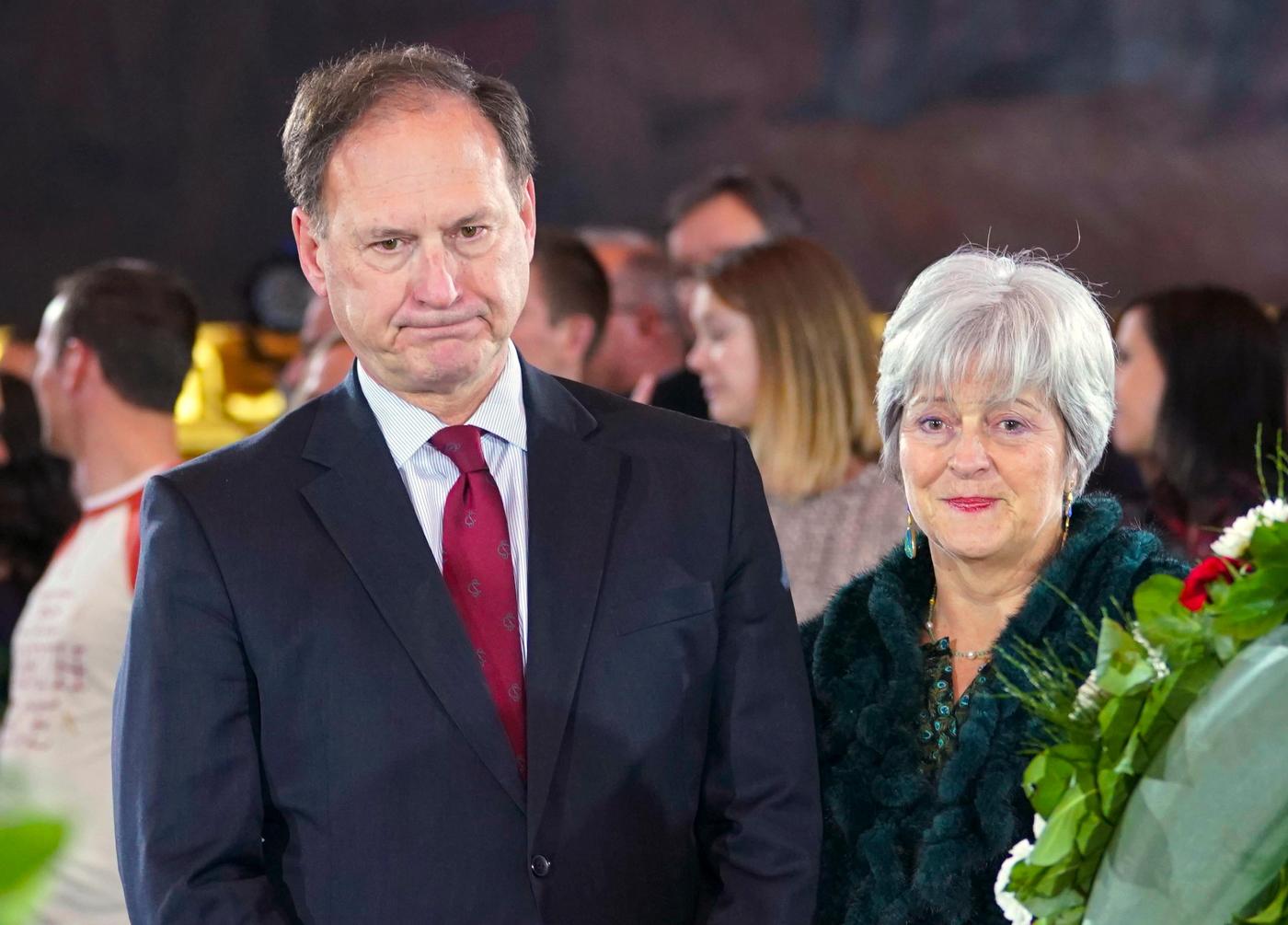
WASHINGTON (AP) — In declining to step aside from two high-profile Supreme Court cases, Justice Samuel Alito on Wednesday provided a rare window on the opaque process by which justices decide to step aside from cases.

Alito faced calls from Democrats to recuse from two cases involving former President Donald Trump and Jan. 6 defendants because of the controversy over flags that flew over his homes.

Both flags were like those carried by rioters who violently stormed the Capitol in January 2021 while echoing Trump’s false claims of election fraud.

Revelations about the flags came as the court is considering cases related to the Jan. 6 riot, including charges faced by the rioters and whether Trump has immunity from prosecution on election interference charges.

In letters to members of Congress, Alito said he had no involvement in flying an upside-down flag over his home in 2021 and an “Appeal to Heaven” flag at his New Jersey beach house last year. He said his wife, Martha-Ann, was responsible for both flags. His impartiality, he said, could not reasonably be questioned.

The explanation is unlikely to satisfy Democratic critics, but they have little recourse.

A look at the Supreme Court’s recusal process:

THERE OUGHT TO BE A LAW

There is, as well as a recently adopted Supreme Court ethics code to guide the justices, though there’s really no means of enforcing either.

A law that applies to Supreme Court justices and all other federal judges lays out several criteria that require recusal.

The language most relevant in Alito’s case reads, “Any justice, judge, or magistrate judge of the United States shall disqualify himself in any proceeding in which his impartiality might reasonably be questioned.”

The court’s code of conduct says a justice ordinarily has a duty to take part in cases since justices, unlike lower-court judges, can’t be replaced when there’s a conflict. The code differs from the federal law by saying a justice “should,” rather than “shall,” disqualify himself or herself. It also says that only an impartial and reasonable person who is “aware of all relevant circumstances” can validly call for recusal.

WHO DECIDES?

Supreme Court justices decide for themselves whether and when to recuse from a case. On rare occasions, a party to a case will ask a justice to recuse.

In one notable example, the Sierra Club asked Justice Antonin Scalia to recuse from a 2004 case about an energy task force convened by then-Vice President Dick Cheney after reports that Scalia and Cheney, old friends, went duck-hunting together.

Scalia spent 21 pages explaining his decision not to recuse, acknowledging that he accepted an invitation to fly to a Louisiana hunting camp on Cheney’s government plane, but denying that they actually hunted or spent any significant time together.

“If it is reasonable to think that a Supreme Court justice can be bought so cheap, the nation is in deeper trouble than I had imagined,” Scalia wrote.

“Since I do not believe my impartiality can reasonably be questioned, I do not think it would be proper for me to recuse,” he wrote.

Ultimately, the only consequence for a justice’s refusal to recuse is also a highly unlikely one: impeachment by the House of Representatives and removal from office by the Senate. That’s never happened.

ALITO’S EXPLANATION

Alito pointed to the Supreme Court’s ethics code to explain that justices have an obligation to take part in a case unless their impartiality might reasonably be questioned. In this instance, he said, anyone “not motivated by political or ideological considerations or a desire to affect the outcome of Supreme Court cases” would see that recusal is not required.

The justice wrote that in both instances, the flags were flown by his wife and were not hoisted to identify with Capitol rioters or the “Stop the Steal Movement.” Alito said he was unaware of the “Appeal to Heaven” flag’s association with the effort to undo the 2020 election results. In 2021, he said he urged his wife to take down the inverted U.S. flag, but she refused for several days.

Alito defended his wife’s right to her express herself and also detailed some of the sacrifices she has made because of his Supreme Court service, “including the insult of having to endure numerous, loud, obscene, and personally insulting protests in front of our home that continue to this day and now threaten to escalate.”

DO JUSTICES EVER RECUSE?

Yes, it happens all the time. Most recently, Justice Brett Kavanaugh noted his recusal from the court’s rejection Tuesday of lawyer Michael Avenatti’s appeal of his criminal conviction for attempting to extort up to $25 million from Nike. Although Kavanaugh didn’t say why, it seems likely that he sat out the case because Avenatti represented one of the women who accused Kavanaugh, during his Supreme Court confirmation hearings, of sexual misconduct. Kavanaugh has denied any impropriety.

Other examples are when justices, including Alito, hold even a tiny investment in a company with a case before the court. Last year, Alito didn’t take part in an appeal involving Phillips 66. He didn’t explain his decision, but his financial disclosure showed he owns between $15,000 and $50,000 in company stock.

One other common reason for recusal is when justices have dealt with cases in previous jobs, either in the executive branch or as lower-court judges. Last week, Justice Ketanji Brown Jackson and Kavanaugh recused from a case involving former Guantanamo detainee Omar Khadr, whose case had previously been before the federal appeals court in Washington on which Jackson and Kavanaugh both served. Jackson noted the reason for her recusal, but Kavanaugh didn’t.
St. Paul: Cooper’s Foods to close final location on June 27

posted in: News | 0

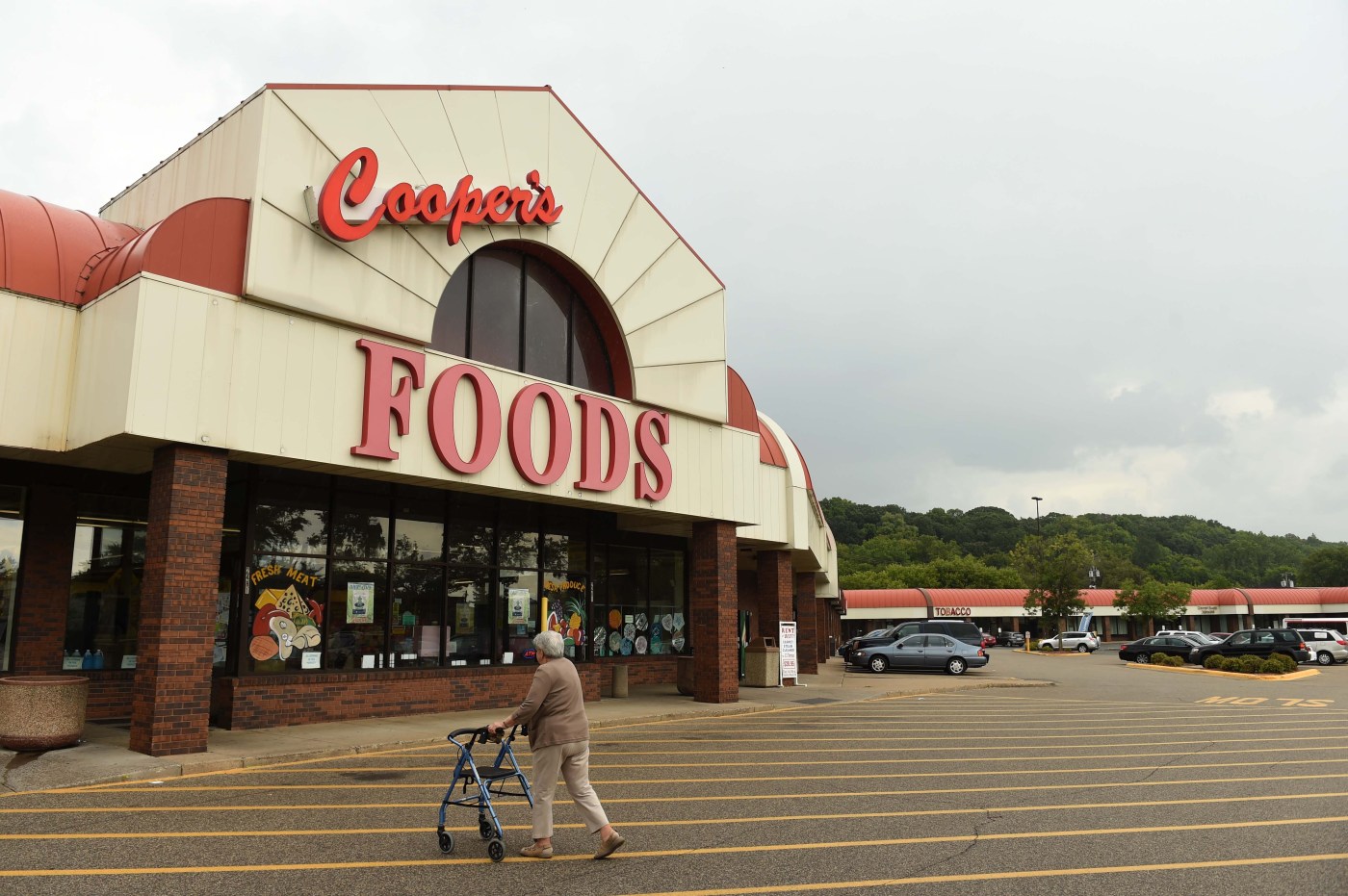
Cooper’s Foods will close out more than a century of service when its last remaining St. Paul grocery store shutters on June 27, according to store proprietor Gary Cooper. The location at 633 Seventh St. W., a few blocks from the Smith Avenue High Bridge, has served the West Seventh community since the 1990s.

Cooper, in a brief interview, declined to speculate on the location’s fate, though customers and employees appeared convinced on Wednesday that the shop would reopen as a grocery geared toward the Asian community.

“Somebody bought the building and it’s up to them what they want to do with it,” he said.

Built in 1950 and spanning 18,000 square feet, the single-story structure adjoins a 47-stall parking lot. A certificate of real estate value listing the buyer and seller’s information, which must be filed when major property is sold or transferred, was not immediately available Wednesday from the Minnesota Department of Revenue.

Five generations of Coopers have worked the store shelves at two locations along West Seventh Street.

The grocery’s departure from the West Seventh location, at St. Clair Avenue, leaves the neighborhood with relatively limited options for fresh produce, at least within walking distance. The downtown Lunds & Byerlys, the Mississippi Market co-op farther down West Seventh and Trader Joe’s on Randolph Avenue are all about 1.5 miles away. Cooper’s also kept late-night hours.

The Cooper’s Foods’ Highland Park location in the Sibley Plaza strip mall closed in 2017, though an Aldi supermarket has since opened in its place. The Coopers closed their 107-year-old Chaska store in early March, citing competition from big box stores.

Related Articles

Business |


Cooper’s Foods to close West Seventh Street store in St. Paul, the family-run grocer’s last location

Business |


Kemps puts out Luke Skywalker’s Blue Milk from ‘Star Wars’ in time for May the Fourth

Business |


‘The lifeblood of the community’: States invest to save rural grocery stores

St. Paul man charged after toddler son shoots himself in wrist

posted in: News | 0

A man is charged with negligent firearm storage after prosecutors say his toddler accessed his gun and accidentally shot himself in the wrist in St. Paul.

The 22-month-old child was treated at Children’s Minnesota Hospital in St. Paul after the Saturday shooting, according to police.

The boy’s father, who lives in the Summit-University neighborhood, previously found a firearm and wrapped the loaded gun in a towel, said a criminal complaint filed Monday. The 29-year-old stored it in the lower cubby of a closet in the residence on Fuller Avenue near Lexington Parkway.

The St. Paul city attorney’s office charged the man with negligently storing a loaded firearm in a location where a person knows, or reasonably should know, that a child is likely to gain access unless reasonable access is taken to secure the firearm. The offense is a gross misdemeanor.

Everytown for Gun Safety tracks unintentional shootings by children and, for the first time since it began in 2015, they saw more than 400 incidents across the U.S. last year.

Firearm injuries are the leading cause of death for children and teens in the U.S. In half of unintentional shootings by children, they shoot themselves and in more than 90 percent of the remaining cases, the victim is another child, according to Everytown for Gun Safety.

Children who are five and younger, and teens ages 14 to 17 are most likely to unintentionally shoot themselves or others, the data shows.

Ramsey County and its partners have free cable gun locks available and bit.ly/RamseyCogunlocks lists the locations.

Related Articles

Crime & Public Safety |


Part of Stillwater prison remains on lockdown following weekend attack on corrections officers

Crime & Public Safety |


Lakeville man charged with killing pregnant sister, dismembering body

Crime & Public Safety |


Woman dies in single-vehicle rollover crash on I-94 in St. Paul. Authorities say alcohol was involved.

Crime & Public Safety |


Drive-by shooting injures 3 at St. Paul birthday party, marking 3rd shooting at weekend gatherings

Crime & Public Safety |


Shooting at St. Paul’s Crosby Farm Park injures 3 young women

Here’s how to stay safe when visiting national parks this summer

posted in: Adventure | 0

Mia Taylor | TravelPulse (TNS)

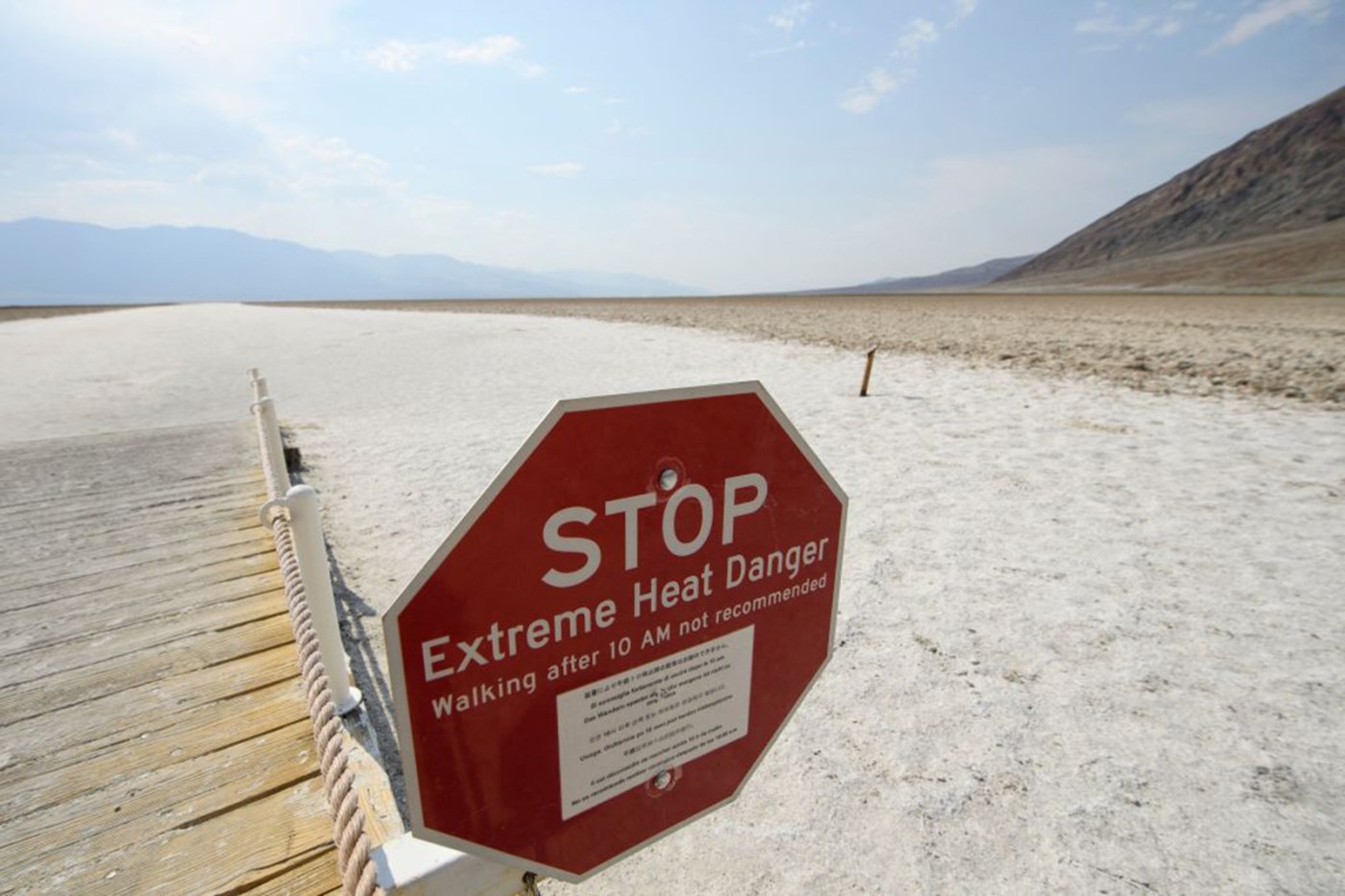
At Death Valley National Park, summer temperatures can reach as high as 130 to 134 degrees.

For some travelers, that would be reason enough not to visit. But for others, it’s the exact motivation for a trek to Death Valley during the summer: The novelty of experiencing temperatures you’d be hard-pressed to find elsewhere around the globe.

“Some folks are seeking out what they consider to be a rare experience,” Nichole Andler, a park ranger with the U.S. National Park Service, said during a media briefing.

But it should go without saying that when heat is that extreme, it can easily be a life-or-death situation.

“This time of year, when you’re preparing for coming to Death Valley, it’s important to know what you’re getting into,” emphasized Andler, who stressed not only having enough water on hand all times, but staying near your vehicle.

In fact, in extreme heat conditions, it may even be best to stay in your vehicle amid the comfort of air conditioning and explore the park by car, said Andler.

Her comments were part of a larger National Park Service media conference call, during which officials from parks across the country shared tips for safely visiting this summer.

If one of the 400-plus national parks is on your radar for the months ahead, here are the tips NPS officials would like you to keep in mind.

The Grand Teton mountain range in Grand Teton National Park, Wyoming, on June 13, 2019. (Daniel Slim/AFP/Getty Images/TNS)

5 safety tips for national park explorations this summer

1. Select activities that align with your capabilities

There’s all manner of activities available across the U.S. National Park system — from hiking and rock climbing to boating and swimming. The national parks also allow for engaging in challenging and extreme sports including canyoneering, hang gliding and whitewater rafting.

During the planning phase for your visit and during your time onsite, it’s important select activities that are appropriate for your experience and physical limitations.

“Pick activities that meet your skills and fitness level,” said Cynthia Hernandez, a national park spokesperson. “That might mean being honest if you haven’t prepared for that 15-mile hiking trip.”

2. Bring suitable equipment

In addition to focusing on activities that are appropriate for your abilities, it’s critical that you arrive at a national park prepared with the right equipment for your visit.

Bring the “right shoes for your activity, water, a compass or a map or a life jacket, if you’re going on the water,” continued Hernandez.

It’s also worth noting that weather in many of the wild spaces that make up the national park system can change quickly, so it’s important to bring additional clothing.

“What can start out as a beautiful and sunny day can pivot quickly into rain and sleet,” said Jen Newton, with Grand Teton National Park in Wyoming, of conditions in that park. “Extra layers and a rain jacket can be helpful.”

3. Communication is critical

While this tip is especially critical for solo travelers, it really holds true for anyone visiting national parks, including families and groups: Communicate your plans to others.

“Make sure to leave a trip plan with a friend back home,” advises Hernandez, who also suggests telling someone who’s not on your trip how long you intend to be gone and when you can be expected to return.

This type of communication is especially critical for remote hikes or other far-flung excursions and explorations.

4. Keep away from wildlife

The thrill of seeing wildlife while exploring national parks is unforgettable. But that doesn’t mean it’s open season on taking selfies with wildlife, or engaging with the animals in any way. It’s a rule that should be followed for the safety of the animals and visitors alike.

“Keep a safe distance from wildlife, don’t startle wildlife,” Hernandez explained. “Do not pick up wildlife and do not feed wildlife.”

Related Articles

Travel |


4 epic waterfall road trip itineraries in Colorado

Travel |


All eyes are on Milwaukee this summer. Here’s what to do beyond the Republican National Convention

Travel |


2 people, 1 RV, 1 year: Florida travel writers complete American journey

Travel |


6 LGBTQ+ celebrations around the world worth a trip

Travel |


‘Hush trip’ hideouts: Where to go for your next remote work vacation

Understanding bear safety is also critical when visiting some national parks, said Newton. Grand Teton National Park, for instance, is home to both black and Grizzly bears.

“Be bear aware,” said Newton. “Be alert and have good situational awareness.”

When hiking in places like Grand Teton or other national parks, it’s important to make at least some level of noise in order to alert animals in the area of your presence.

“That’s not necessarily singing and clapping, but even just normal conversation can be helpful to let all creatures know you are out and around,” Newton continued.

Newton also recommend carrying bear spray when in Grand Teton (a tip that could apply to other national parks as well that are home to bears). Additionally, know how many seconds of bear spray you have and how far it will go.

5. Review park safety tips in advance

Every national park in the country has its own website and that website includes safety guidelines that visitors need to follow in order to have a good experience at the park in question, said Hernandez.

Be sure to spend some time reading the website for your intended national park and reviewing the safety tips before you arrive on location.

“Even if you visited a park before or have been going to this park for awhile, follow all park recommendations and safety guidelines,” stressed Hernandez, who added that it’s also important to “follow guidelines from park rangers on site.”

The National Park Service has also created a Trip Planning Guide that includes “key tips, links, and tools to help” visitors “Plan like a Ranger” for a national park adventure. The guide can be downloaded here.

Ultimately, Hernandez said, it’s important for visitors to make what she described as “informed decisions” about their behavior and activities when visiting a national park, in order to help ensure a fun and safe visit.

©2024 Northstar Travel Media, LLC. Visit at travelpulse.com. Distributed by Tribune Content Agency, LLC.