Waiting for a mentor: Sara

posted in: All news | 0

Waiting for a Mentor: Sara

Kids ‘n Kinship provides friendships and positive role models to children and youth ages 5-16 who are in need of an additional supportive relationship with an adult. Here’s one of the youth waiting for a mentor:

First name: Sara

Age: 6

Interests: Sara is a first-grader who likes to play with her older brother and sister. Her favorite toy is her Barbie. At school, she likes going to specialists — gym and art. If she gets frustrated, she likes to use the calming corner in the classroom.

Personality/Characteristics: Sara has a fun-loving and talkative personality. She likes to be silly, but she also says she is a good listener. Her guardian says she can be very independent but craves a lot of attention.

Goals/dreams: If she had a wish, she’d turn herself into a pony or a flower. Her guardian hopes having a mentor will help her navigate life and be another supportive adult in her life.

For more information: Sara is waiting for a mentor through Kids n’ Kinship in Dakota County. To learn more about this youth mentoring program and the 39+ youth waiting for a mentor, sign up for an Information Session, visit www.kidsnkinship.org or email programs@kidsnkinship.org. For more information about mentoring in the Twin Cities outside of Dakota County, contact MENTOR MN at mentor@mentormn.org or fill out a brief form at www.mentoring.org/take-action/become-a-mentor/#search.

Related Articles


Burnsville takes new approach to implement affordable housing programs


Farmington mayor abruptly resigns after expletives fly at city council meeting


Minnesota Hockey Hall Of Fame clears planning commission hurdle


Fare For All, an affordable pop-up grocery store, ending service to metro


One year after death, authorities release video hoping for information on William ‘Ike’ Eickholt

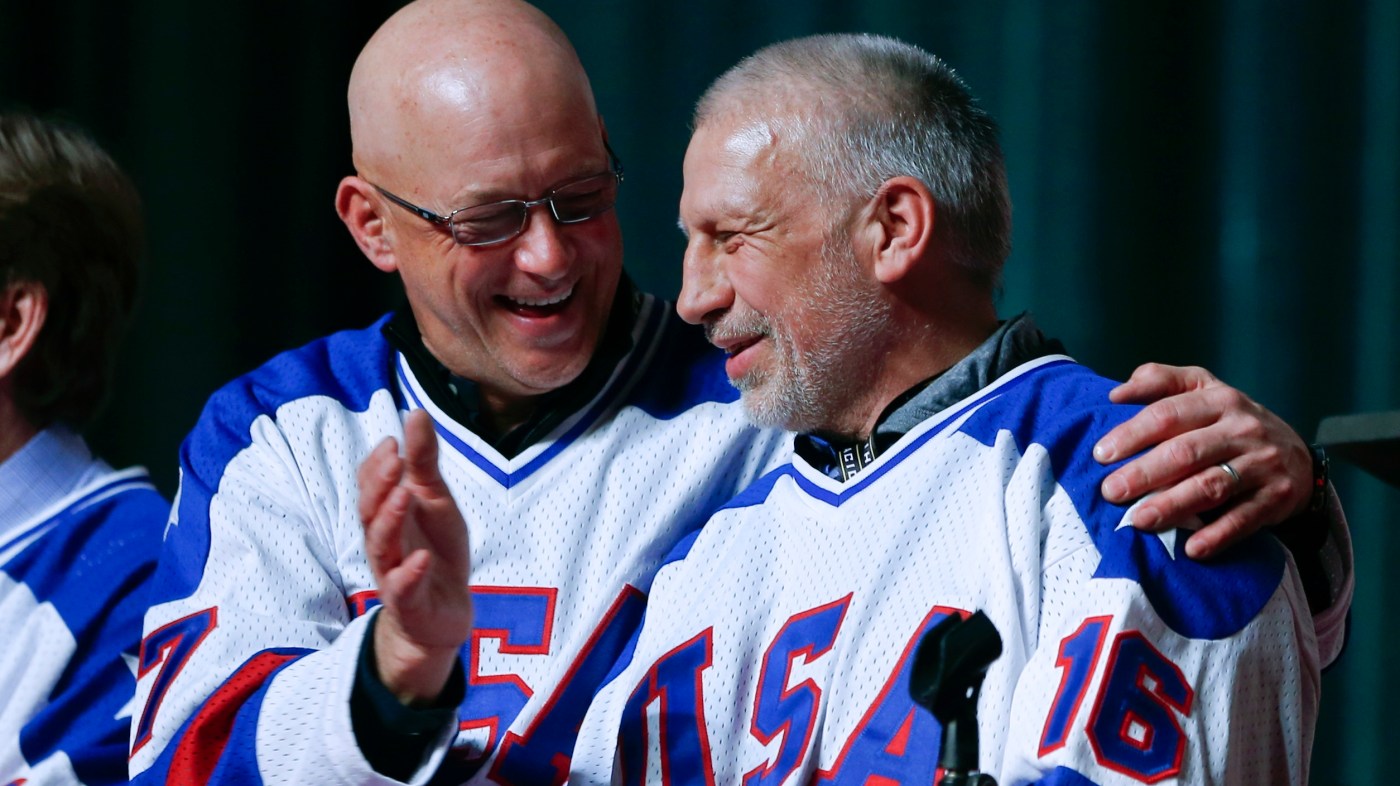
‘Miracle’ teammates continue work of late teammate Mark Pavelich

posted in: All news | 0

Mark Pavelich grappled with mental illness in the final years of his life, long after playing a big role in the “Miracle on Ice” in 1980. He was charged in 2019 with a felony for assaulting a neighbor he thought had spiked his beer, and experts diagnosed him with a mild neurocognitive disorder due to a traumatic brain injury that was likely related to repeated head injuries.

“I’m convinced it happened because of the number of hits he took, and also he had some real personal trauma in his life,” lifelong friend Ronn Tomassoni said. “It all caught up to him at the end.”

Mark Pavelich

Going to the Eagle’s Healing Nest in Sauk Centre, Minnesota, seemed to help. Sister Jean Pavelich Gevik felt she had her brother back. Neal Broten said he and other U.S. Olympic teammates didn’t realize how much pain Pavelich was feeling.

“He sounded fine. Everything was great,” 1980 U.S. captain Mike Eruzione recalled. “I thought he was very comfortable and in a great spot, in a great place. But when you have that kind of illness or sickness, you never know. And I don’t think anybody knew.”

Pavelich died by suicide on March 4, 2021, his death one of several linked to hits to the head from playing hockey, and his sister suggested CTE, or chronic traumatic encephalopathy, may have been a factor. Before taking his life, he wrote her a sizeable check to keep efforts going at The Ranch — Teammates for Life for athletes, veterans and first responders suffering from PTSD, substance abuse or mental distress associated with traumatic brain injury.

The Ranch had become a source of purpose for Pavelich, and the members of the country’s last gold-medal winning men’s hockey team have made it a point to raise money and awareness for it in his memory.

“He’s part of our family,” said Rob McClanahan, who also played with Pavelich in the NHL with the New York Rangers and roomed with him on the road. “It’s really important to know that we all struggle. I don’t want to get hugely philosophical, but life is hard and things like this bring it to the forefront.”

Who Mark Pavelich was

On the ice, Pavelich was a skilled forward whose talent was clear from a young age growing up in Eveleth, Minnesota. He starred at Minnesota Duluth and assisted on Eruzione’s game-winning goal when the underdog Americans beat the heavily favored Soviet Union 46 years ago.

Off the ice, “Pav” was soft-spoken and not much of a talker. Broten remembers Pavelich plucking his guitar and singing Neil Young songs on bus rides.

“He was just a quiet, sweet person,” Broten said. “He didn’t stay very much in the locker room. He didn’t say very much away from the locker room. Kept to himself. That’s Mark Pavelich.”

He also loved to hunt and fish, something Eruzione used as bait to get Pavelich to agree to a TV interview on the Rangers’ broadcast. It only materialized after Pavelich was offered a $1,000 gift certificate to a fishing store.

“He looks at me, he says, ‘How long is the interview going to take?’ ” Eruzione said. “We ended up doing it, but that’s the only way I could get him to come on the air.”

Getting to know The Ranch

Pavelich when he was first arrested spent time in a mental institution. With help from former teammate Barry Beck, retired goaltender Clint Malarchuk — who has been public about his own mental health struggles and suicide attempt — and founder Mel Butler, Pavelich got into the Eagle’s Healing Nest for military veterans and their families.

“Mark and I have a lot of the same issues, problems, lifeline almost,” Malarchuk said. “He died by suicide, and I almost died by suicide, so we can certainly relate to each other’s issues.”

When the veterans were asked if they’d accept Pavelich into their ranks despite not serving in the military, Tomassoni recalls them saying, “We think he and 19 other teammates served their country really well in 1980 when they lifted a whole country’s spirits when that country’s spirits needed to be lifted.”

Pavelich and Beck envisioned opening a mental wellness facility in a warm locale, but the Eagle’s Healing Nest gifted them a building and land for free. Hundreds of thousands of dollars were raised and invested to fix it up and open The Ranch, which has now had roughly 40 people go through it.

Retired player Dan Carcillo, who has been open about his history of traumatic brain injuries and opened Experience Onward, a psilocybin treatment center in Oregon, got better only after saying the death of close friend and former hockey player Steve Montador saved his life. He believes success stories and tragedies like Pavelich’s and Montador’s are both needed.

“It forced me into action — because I saw what the alternative was, and it was dying,” Carcillo said. “There’s unfortunate situations where people don’t make it out, and they’re never able to see the light and they’re never able to get better.”

Paying tribute to Mark Pavelich

Several 1980 alumni, Malarchuk and NHL Commissioner Gary Bettman and Deputy Commissioner Bill Daly were among those in attendance for the “Do You Still Believe in Miracles” Gala in New York in October that raised $1 million for The Ranch.

“It means a lot to do that, to get together for a great teammate of ours and somebody who had some things happen to him and that maybe didn’t want to recognize them himself,” Harrington said. “This is important for us, and it’s important for mental health and everything else that we show that it means something to us.”

Nearly five decades since the Olympics in Lake Placid made them national heroes, players from that team still cherish chances to get together. That includes honoring Pavelich.

“The team is still close,” Broten said. “Mark was such a big part of our team: a super quiet guy, a peaceful guy. It’s sad to talk about, but we still keep him in our hearts and move on with life, I guess.”

Eruzione said he and Jack O’Callahan, who has gotten involved with rescue dogs, named one in training Pav.

“The dog Pav is going continue to help somebody,” Eruzione said. “Even though Mark’s not with us, he’s still with us.”

Knowing full well that her brother set up Bill Baker’s tying goal with 27 seconds left against Sweden and Eruzione’s against the Russians, Jean Pavelich Gevik believes The Ranch will be his lasting legacy.

“I don’t want to downplay anything there,” she said. “But I feel like this is his greatest assist.”

The puck goes past the feet of U.S. goalie Jim Craig as a tight defense stops the Soviet attack in the first period of the USA vs. USSR ice hockey game, Friday, February 22, 1980, in Lake Placid. Players are, from left to right: Mark Pavelich, William Baker (partially hidden), James Craig, and Soviet player Helmut Balderis. (AP Photo)

Related Articles


Raedler and Huber of Austria win team combined at the Olympics, Mikaela Shiffrin is 4th


‘Don’t jump in them’: Olympic athletes’ medals break during celebrations


US figure skater Amber Glenn resolves copyright issues with a Canadian music artist at the Olympics


Harvey, Dunne lead U.S. to 3rd straight win in Olympic women’s hockey


When conflict meets competition: Trump’s immigration agenda roils opening days of Winter Olympics

Record snow drought in Western US raises concern for a spring of water shortages and wildfires

posted in: All news | 0

By DORANY PINEDA and SETH BORENSTEIN

A record snow drought with unprecedented heat is hitting most of the American West, depleting future water supplies, making it more vulnerable to wildfires and hurting winter tourism and recreation.

Related Articles


Trump set to gut US climate change policy and environmental regulations: White House official


In the Arctic, the major climate threat of black carbon is overshadowed by geopolitical tensions


Olympic town warms up as climate change puts Winter Games on thin ice


The consumer-friendly Energy Star program survived Trump. What about other efficiency efforts?


Oregon, Washington and tribes head back to court after Trump pulls out of deal to recover salmon

Scientists say snow cover and snow depth are both at the lowest levels they’ve seen in decades, while at least 67 Western weather stations have measured their warmest December through early February on record. Normal snow cover this time of year should be about 460,000 square miles — about the size of California, Utah, Idaho and Montana — but this year it’s only California-sized, about 155,000 square miles, according to the National Snow and Ice Data Center.

“I have not seen a winter like this before,” said center director Mark Serreze, who has been in Colorado almost 40 years. “This pattern that we’re in is so darned persistent.”

The snowpack — measured by how much water is trapped inside — in Oregon is not only record low, but 30% lower than the previous record, said Jason Gerlich, regional drought early warning system coordinator for the National Oceanic and Atmospheric Administration.

Much of the U.S. east of the Rockies is snowbound and enduring more than two weeks of bone-chilling abnormal cold, but in West Jordan, Utah, a suburb of Salt Lake City, Trevor Stephens went to the store last week in gym shorts and a T-shirt.

“Right now there’s no snow on the ground,” he said in a video interview, looking out his window and lamenting the lack of snowboarding opportunities. “I’d definitely rather have icy roads and snow than whatever is going on out here right now.”

Concerns over water supply and wildfires

Ski resorts had already been struggling through a difficult season, but the lack of snow has been persistent enough that concerns are growing about wider effects.

Oregon, Colorado and Utah have reported their lowest statewide snowpack since the early 1980s, as far back as records go.

A dry January has meant most states have received half their average precipitation or even less. Along with sunny days and higher-than-average temperatures, that’s meant little snow buildup in a month that historically gets a lot of snow accumulation across much of the Pacific Northwest and Northern Rockies. Because of heavy rains in December, California is in better shape than the other states, scientists said.

As of Monday, it had been 327 days since Salt Lake City International Airport got 1 inch of snow, making it the longest stretch since 1890-91, according to the National Weather Service.

The meager snow in Colorado and Utah has put the Upper Colorado River Basin at the heart of the snow drought, said Gerlich.

A robust mountain snowpack that slowly melts as winter warms to spring provides a steady flow of water into creeks and rivers. That helps ensure there’s enough water later in the year for agriculture, cities, hydropower electric systems and more.

But lack of snow or a too-fast melt means less water will replenish rivers like the Colorado later in the season.

“This is a pretty big problem for the Colorado basin,” said Daniel Swain of the University of California’s Water Resources Institute.

Experts said the snow drought could also kick-start an early wildfire season. Snow disappearing earlier than average leaves the ground exposed to warmer weather in the spring and summer that dries soils and vegetation quicker, said Daniel McEvoy, researcher with the Western Regional Climate Center.

Too warm to snow

While it’s been dry, the record-low snowpack is mostly due to how warm the West has been, which is connected to climate change from the burning of coal, oil and natural gas, several scientists said. Since Dec. 1, there have been more than 8,500 daily high temperature records broken or tied in the West, according to NOAA data.

Much of the precipitation that would normally fall as snow and stay in the mountains for months is instead falling as rain, which runs off quicker, Swain and other scientists said. It’s a problem scientists have warned about with climate change.

Going snowless happens from time to time, but it’s the warmth that has been so extreme, which is easier to tie to climate change, said Russ Schumacher, professor of atmospheric science at Colorado State University and Colorado State Climatologist.

“It was so warm, especially in December, that the snow was only falling at the highest parts of the mountains,” McEvoy said. “And then we moved into January and it got really dry almost everywhere for the last three to four weeks and stayed warm.”

Wetter, cooler weather is coming

Meteorologists expect wetter, cooler weather across the West this week with some snow so this may be the peak of the snow drought. But it’ll still be warmer than usual in many areas, and scientists aren’t optimistic the snow will be enough.

“I don’t think there’s any way we’re going to go back up to, you know, average or anywhere close to that,” said Schumacher. “But at least we can chip away at those deficits a little bit if it does get more active.”

The Associated Press receives support from the Walton Family Foundation for coverage of water and environmental policy. The AP is solely responsible for all content. For all of AP’s environmental coverage, visit https://apnews.com/hub/climate-and-environment

Pleas from Savannah Guthrie’s family to finding missing mom turn from hopeful to desperate

posted in: All news | 0

By TY O’NEIL and JOHN SEEWER

TUCSON, Ariz. (AP) — The heart-breaking messages made by “Today” show host Savannah Guthrie and her family have shifted from hopeful to desperate as they plead with the apparent kidnappers to hand over their missing mother.

More than a week into the search for Nancy Guthrie, there are more questions than answers about who abducted the 84-year-old from her home in Arizona and whether she is still alive.

Authorities have released few details, leaving it unclear if ransom notes demanding money with deadlines already passed were authentic and whether the Guthrie family has had any contact with the abductors.

Guthrie and her family have posted a series of videos over the past week, each striking a different tone. The latest message from Savannah Guthrie, in which she appeared alone, was more bleak.

“We are at an hour of desperation,” she said Monday, telling the public “We need your help.”

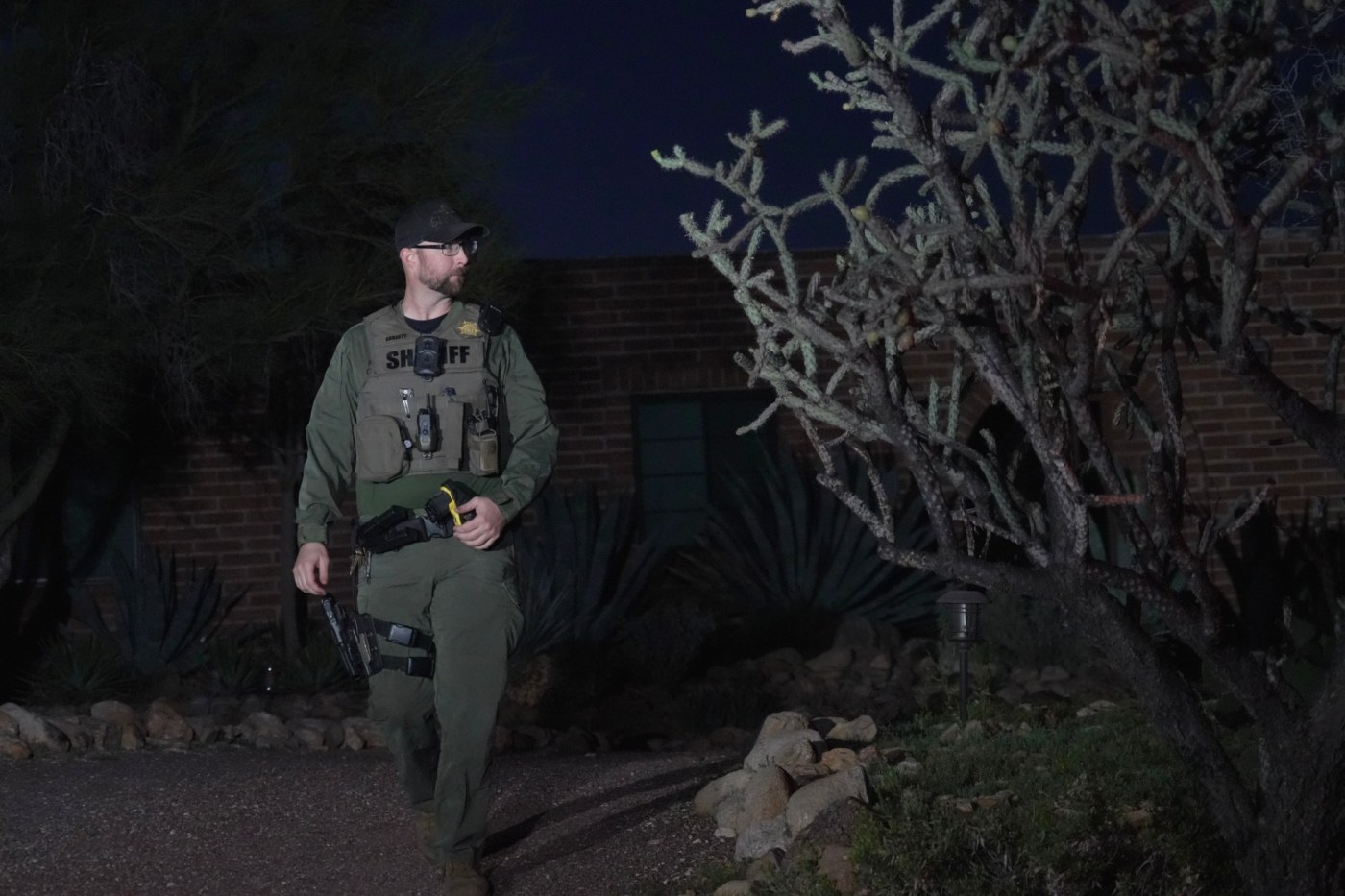
Authorities believe Nancy Guthrie was taken against her will from her house just outside Tucson. She was last seen there Jan. 31 and reported missing the next day after not attending church. DNA tests showed blood on Nancy Guthrie’s front porch was a match to her, and a doorbell camera was disconnected in the early hours of Sunday morning, Pima County Sheriff Chris Nanos has said.

Adding to the urgency is that authorities say Nancy Guthrie needs daily medication because she is said to have high blood pressure and heart issues, including a pacemaker.

Investigators were in her neighborhood several times over the past few days and plan to keep working Tuesday as they expand the search and follow up on new leads, the sheriff’s department said.

Three days after the search began, Savannah Guthrie and her two siblings sent their first public appeal to the kidnappers, telling them “we want to hear from you and we are ready to listen.”

In the recorded video, Guthrie said her family was aware of media reports about a ransom letter, but they first wanted proof their mother was alive. “Please reach out to us,” they said.

Law enforcement officials declined to say whether the letters sent to several media outlets were credible but said all tips were being investigated seriously.

The next day, Savannah Guthrie’s brother again told the kidnappers to reach out “so we can move forward.”

“Whoever is out there holding our mother, we want to hear from you. We haven’t heard anything directly,” Camron Guthrie said.

Related Articles


Record snow drought in Western US raises concern for a spring of water shortages and wildfires


US immigration court blocks deportation of Tufts graduate student from Turkey, her attorneys say


US stocks flirt with records as Hasbro soars but Coca-Cola slips


Retail sales unchanged in December from November, closing out year on a lackluster tone


Social media ‘addicting the brains of children,’ plaintiff’s lawyer argues in landmark trial

Then over the past weekend the family posted another a video — one that was more cryptic and generated even more speculation about Nancy Guthrie’s fate.

“We received your message, and we understand. We beg you now to return our mother to us so that we can celebrate with her,” said Savannah Guthrie, flanked by her siblings. “This is the only way we will have peace. This is very valuable to us, and we will pay.”

Up to that point, the family’s first three videos addressed the kidnappers directly.

But just ahead of Monday’s deadline spelled out in a purported note, Savannah Guthrie urged people nationwide to be on the lookout “no matter where you are, even if you’re far from Tucson, if you see anything, if you hear anything.”

Her turn to the public comes as much of the nation is closely following the dramatic twists and turns involving the longtime anchor of NBC’s morning show.

The FBI this week began posting digital billboards in major cities from Texas to California.

Connor Hagan, a spokesperson for the FBI, said Monday that the agency wasn’t aware of ongoing communication between Guthrie’s family and the suspected kidnappers. Authorities also had not identified any suspects or persons of interest, he said.

“Someone has that one piece of information that can help us bring Nancy home,” he said.

Seewer reported from Toledo, Ohio.