Early detection, constant communication key in dealing with prostate cancers

posted in: All news | 0

When a team of doctors diagnosed former President Joe Biden with an aggressive form of prostate cancer last month, it cast the most commonly occurring cancer among men into the national spotlight.

But for as common as it is, there remain questions, even confusion, about all prostate cancer entails, borderline controversy surrounding how it should be diagnosed, and the processes by which it is treated.

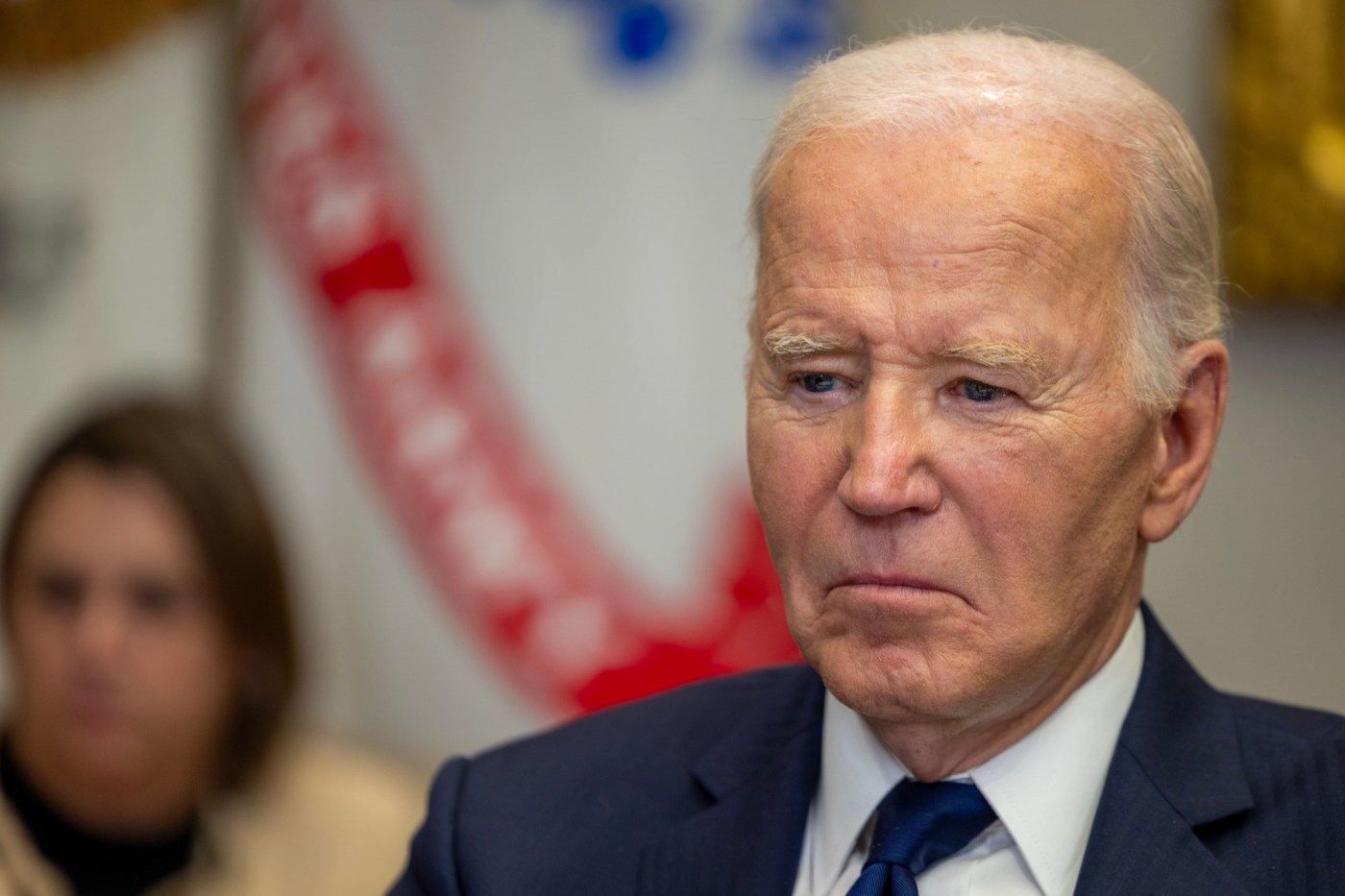
President Joe Biden and Vice President Kamala Harris arrive for the inauguration of Donald Trump as the 47th president of the United States takes place inside the Capitol Rotunda of the U.S. Capitol building in Washington, D.C., Monday, Jan. 20, 2025. (Kenny Holston/Getty Images North America/TNS)

Or, in perhaps a surprising amount of cases, the reasons it isn’t.

“I think a real disservice, speaking as an oncologist, when we label prostate cancer is, it’s a little confusing,” said Dr. Christopher Peters, the medical director of Northeast Radiation Oncology Centers in Dunmore, Lackawanna County, and a board of directors member at the Northeast Regional Cancer Institute in Scranton and Wilkes-Barre. “Low-grade, low-risk prostate cancer acts very, very differently than high-risk, high-grade prostate cancer. But, they’re all called prostate cancer. This is a problem, because some people’s prostate cancers are very aggressive; they may cause mortality and morbidity, such as bone metastasis, which may be painful and may cause the patient’s death. There are also other prostate cancers that are low-grade that we may be able to diagnose and watch, for many years, without any treatment. And then, there’s everything in between.”

The trick for men, and their doctors, is discovering where they land on that spectrum.

What is prostate cancer?

By definition, prostate cancer is a growth of cells that starts in the prostate, a walnut-sized gland that is part of the male reproductive system and located just below the bladder.

By the statistics, it can be considered quite a bit more intimidating.

According to the American Cancer Society, nearly 314,000 new cases of prostate cancers are estimated to be diagnosed in 2025. It also estimates prostate cancer-related deaths will top 35,700 this year. Since 2014, the incidence rate for diagnoses has increased by 3% per year. About one in eight American men will be diagnosed with prostate cancer, and ultimately, it will kill one in 44.

That said, those numbers tell more of a story about how common the cancer is than how fatal it can be.

More than 3.3 million men living currently in the United States were, at one point in their lives, diagnosed with a form of prostate cancer, many of which are highly treatable and even curable when detected early.

President Joe Biden speaks to union workers at the Carpenters Local Union 445 in Scranton on Saturday, Nov. 2, 2024.
(Christopher Dolan / Staff Photographer)

What are the symptoms?

“As far as symptoms, unfortunately with prostate cancer, there usually are none,” said Dr. Angelo Baccala, deputy physician in chief, innovation and program development, Institute for Surgical Excellence, and chief of the division of urology at Lehigh Valley Health Network, part of Jefferson Health.

That’s why, oncologists and urologists agree, it’s important for men to understand their own personal risk factors.

Those risks vary based on several things, like age, race and ethnicity, and especially family history.

The risk is also statistically higher for men of African ancestry than it is for men of other races.

So for men between the ages of 50 and 69 — and even a few years earlier for those with extreme risk factors — who find themselves in those categories, awareness of potential warning signs for prostate cancers remains important.

While it tends not to show any signs in its early forms and can be relatively slow-growing compared to other forms of cancer, men may notice at least one of the following as early stage prostate cancer progresses:

Blood in the urine or semen.
A weak urine flow, or one that stops and starts.
Pain or burning while urinating.
The need to urinate more often, and waking up during the night more often to do so.
Difficulty getting started while trying to urinate.

Advancing stages can come with other symptoms as well, including pain in the back or bones, loss of bladder or bowel control, unintended weight loss, extreme fatigue and erectile dysfunction.

Of course, doctors point out that many of those conditions are symptomatic of maladies not related to prostate cancer, but a general rule is encouraged among those in the age group and with the risk factors who are concerned by changes in how they feel: Call your doctor or another health care professional if there are any symptoms that concern you.

FILE – Former President Joe Biden speaks at a conference in Chicago, April 15, 2025. (AP Photo/Nam Y. Huh, File)

How is it diagnosed?

Just about every process when it comes to diagnosing potential prostate cancer issues starts with a basic prostate exam, one that can be done by a primary care doctor, a urologist or any other physician.

“Basically, what they do is look at the size of the prostate and see if the prostate is big or not,” said Dr. Ahmad Hanif, the division chief of hematology oncology at Geisinger Wyoming Valley Medical Center in Wilkes-Barre. “Even if the prostate is found to be bigger than normal, it doesn’t mean that it is cancer. But it would mean that further workup is needed, especially if you’re having symptoms.”

The main method by which prostate cancers are screened remains the prostate-specific antigen (PSA) blood test.

When detected early, prostate cancer is highly survivable: Upward of 99% live five years or more if the cancer is detected while still localized to the prostate or has not spread beyond nearby structures or lymph nodes, according to the American Cancer Society. Baccala points out that number drops to 37% if the patient’s cancer is advanced or metastatic, stressing the importance of consistent PSA screenings.

“Catching it early is really important, and it’s easy,” he said. “It’s a blood test at an exam. It takes all of three seconds to do, and you’re getting blood drawn by your primary care doctor anyway, so it should be included.”

Baccala said screening should be recommended up to age 70, with some going a few years beyond if there is any concern on recent PSA results.

Understanding the results

If the test reveals higher levels of the antigen in the bloodstream, it is an indicator of a potential cancer presence. However, increased PSA levels are not uncommon in older men, and they also could be a sign of noncancerous diseases or even other factors that could raise the levels.

The question doctors face is whether benefits to consistent screening outweigh potential risks.

“Ordering the test is not a problem. Cost of the test is not a problem. It’s the understanding of the test that is the problem,” Hanif said.

The longer PSA screening recommendations put in place in the early 2010s have been followed, the number of advanced prostate cancer cases that have been diagnosed have decreased. That, Hanif added, is plenty of evidence that screening works.

However, it can be a double-edged sword if patients walk into a PSA screening without the full knowledge of what the results could mean. High results on the test don’t necessarily mean the type of cancer needs to be treated immediately, if ever, given how slowly the cancer can grow. There’s also a chance that a high test result doesn’t result in a positive test for cancer.

“As long as there is a discussion between you and your doctor regarding what a high PSA means and someone can be comfortable living with the fact that they have prostate cancer and a doctor isn’t doing anything about it, then yes, a PSA should be ordered and is a great screening tool,” Hanif said. “It has been shown to reduce the number of advanced cases being detected, so prostate cancer in the early stages can be detected. But, there has to be a discussion.”

What are the treatments?

Research has led to a boon over the last 15 years both in prostate cancer treatments and ways it can be managed.

Peters said that, in addition to testing for PSA, doctors now have multiparametric MRIs that can, noninvasively, more effectively detect aggressive tumors in the prostate that are more likely to need a biopsy. There is also a Prostate Specific Membrane Antigen that can determine if a cancer has spread or returned after treatment.

“We do a lot better in treating prostate cancer in men, on average,” Peters said. “And, that’s the key here. On average, men live longer with prostate cancer.”

There are also potentially curative treatments for more localized, less-advanced prostate cancers that can be handled with surgery or through radiation treatments, like ones Peters specializes in at NROC.

Hanif said that, for less aggressive forms of prostate cancer, living with it can be much more simple: A few visits to the oncologist every year, simply to make sure there aren’t drastic changes that need more immediate attention.

More than anything, the key to beating prostate cancer is detecting it early. And the key to detecting it early is honest, open conversation between men and their doctors about what steps make the most sense for their individual lifestyle.

“If I had a take-home conversation on this, it would be, discuss matters with your doctor,” Peters said. “Ask your doctor, who you trust, ‘What are the pros and cons for me with prostate cancer screening, not on a population-based level, but on an individualized level?’

“Of course, as an oncologist, I recommend some screening, because my goal is to keep people out of my office, right? We want to keep people not having prostate cancer, or having it detected at the earliest possible stage so we can have a shared decision-making conversation as far as, what do we do with this prostate cancer from here?”
Trump asks the Supreme Court to clear the way for federal downsizing plans

posted in: All news | 0

By MARK SHERMAN

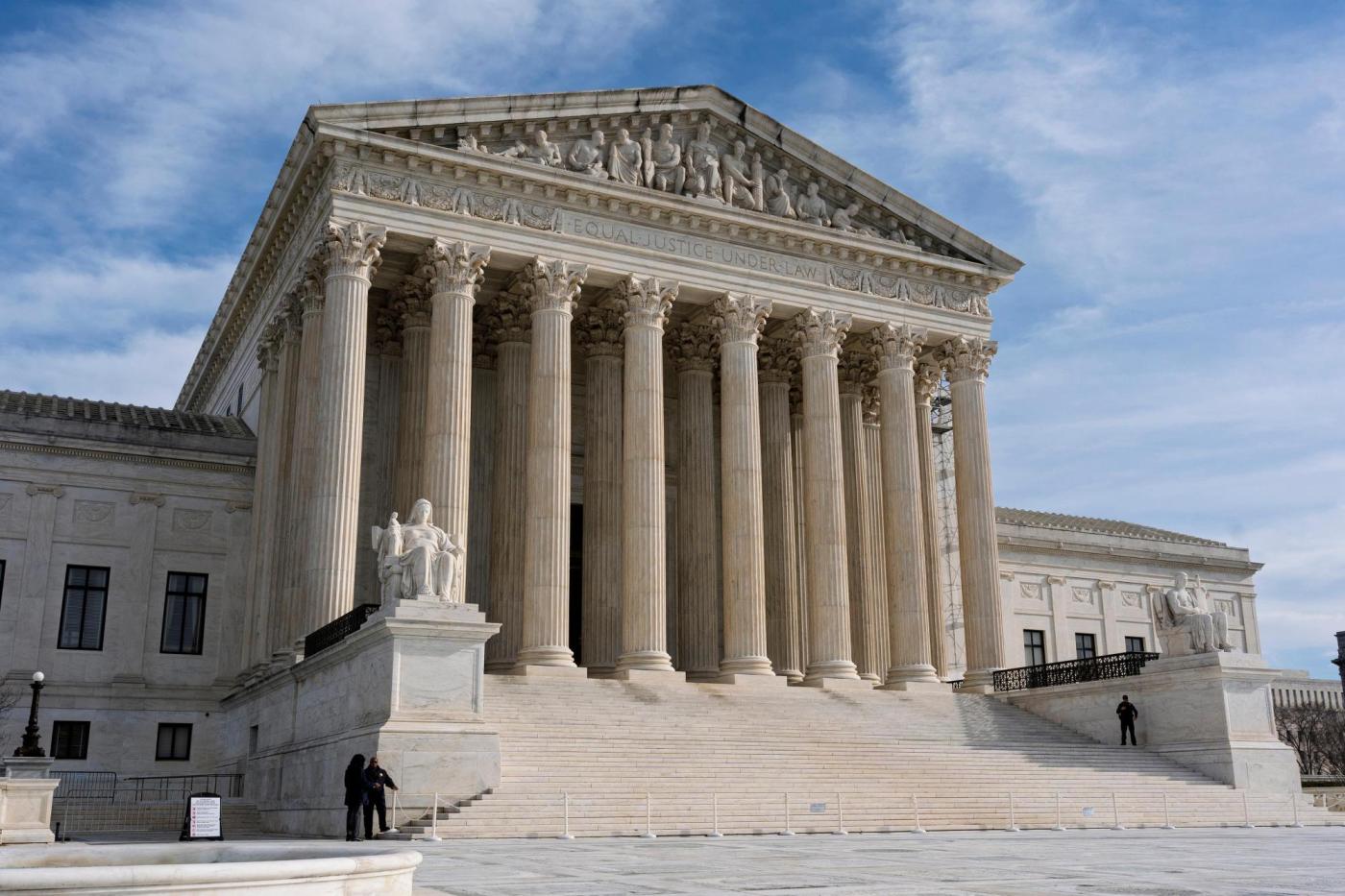
WASHINGTON (AP) — President Donald Trump’s administration on Monday renewed its request for the Supreme Court to clear the way for plans to downsize the federal workforce, while a lawsuit filed by labor unions and cities proceeds.

Related Articles


China says US moves on computer chips and student visas ‘seriously violate’ tariffs truce


Supreme Court will consider reviving Republican challenge to Illinois law on mail ballots


RFK Jr. says autism ‘destroys’ families. Here’s what those families want you to know


List of ‘sanctuary jurisdictions’ removed from US government website following criticism


The EU prepares ‘countermeasures’ if a tariff deal with the US crumbles

The high court filing came after an appeals court refused to freeze a California-based judge’s order halting the cuts, which have been led by the Department of Government Efficiency.

By a 2-1 vote, a panel of the U.S. 9th Circuit Court of Appeals found that the downsizing could have broader effects, including on the nation’s food-safety system and health care for veterans.

In her ruling last month, U.S. District Judge Susan Illston found that Trump’s administration congressional approval to make sizable reductions to the federal workforce.

The administration initially asked the justices to step in last month, but withdrew its appeal for technical, legal reasons. The latest filing is one in a series of emergency appeals arguing federal judges had overstepped their authority.

Illston’s order “rests on the indefensible premise that the President needs explicit statutory authorization from Congress to exercise his core Article II authority to superintend the internal personnel decisions of the Executive Branch,” Solicitor General D. John Sauer wrote in the new appeal.

Trump has repeatedly said voters gave him a mandate to remake the federal government, and he tapped billionaire ally Elon Musk to lead the charge through DOGE. Musk left his role last week.

Tens of thousands of federal workers have been fired, have left their jobs via deferred resignation programs, or have been placed on leave. There is no official figure for the job cuts, but at least 75,000 federal employees took deferred resignation, and thousands of probationary workers have already been let go.

Illston’s order directs numerous federal agencies to halt acting on the president’s workforce executive order signed in February and a subsequent memo issued by DOGE and the Office of Personnel Management. Illston was nominated by former Democratic President Bill Clinton.

Among the agencies affected by the order are the departments of Agriculture, Energy, Labor, the Interior, State, the Treasury and Veterans Affairs. It also applies to the National Science Foundation, Small Business Association, Social Security Administration and Environmental Protection Agency.

The Supreme Court set a deadline of next Monday for a response from the unions and cities, including Baltimore, Chicago and San Francisco.

Some of the labor unions and nonprofit groups are also plaintiffs in another lawsuit before a San Francisco judge challenging the mass firings of probationary workers. In that case, Judge William Alsup ordered the government in March to reinstate those workers, but the U.S. Supreme Court later blocked his order.

Federal student loan rates soften for 2025-26, making borrowing slightly more affordable

posted in: All news | 0

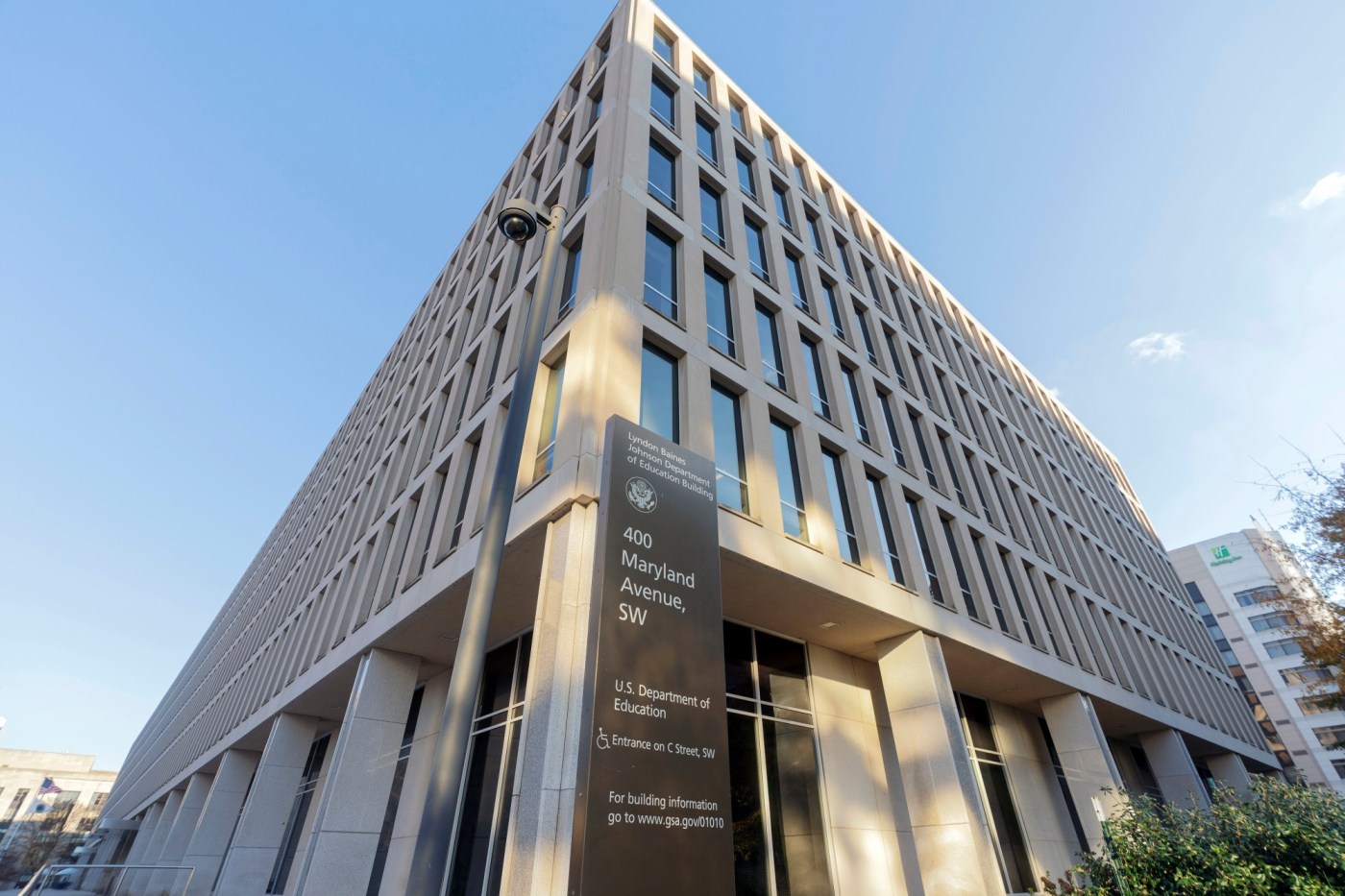
After years of steady increases and record highs, federal student loan interest rates will finally soften this summer — making college slightly more affordable for student borrowers in the upcoming academic year.

Related Articles


China says US moves on computer chips and student visas ‘seriously violate’ tariffs truce


Wall Street drifts as oil prices jump and US manufacturing slumps


Business People: Catherine Penkert named chief of staff at Twin Cities Habitat for Humanity


Real World Economics: Bond primer part 1: Understanding the market


Edmunds recommends these under-$40,000 SUVs for new parents

Here are the new 2025-26 federal student loan interest rates, according to a May 30 Education Department announcement, compared to 2024-25 rates:

Direct subsidized and unsubsidized loans for undergraduate students: 6.39%, down from 6.53%.
Direct unsubsidized loans for graduate students: 7.94%, down from 8.08%.
PLUS loans, available to parents and grad students to fill funding gaps: 8.94%, down from 9.08%.

This rate change becomes effective July 1, and it only affects students who take out new federal loans for the 2025-26 academic year. If you’re already repaying a federal student loan, your interest rate won’t change — it’s fixed based on when you originally borrowed.

How student loan interest rates impact college costs

Each May, the government sets federal student loan interest rates for the upcoming academic year based on the yield of the 10-year U.S. Treasury note and including an “add-on percentage.” The result becomes the interest rate for new loans issued between July 1 and June 30 of the following academic year.

Here’s how that works in practice. The latest 10-year Treasury note yield was 4.342%, and the add-on percentage for direct undergraduate loans is 2.05%. Add the two together to get the new interest rate for direct undergraduate loans: 6.392%, rounded down to 6.39%.

The lower rates could save you money over the life of your loan — but not much.

For example, let’s say you take out a $12,500 direct loan, which is the maximum amount an undergraduate can borrow in a single year. At the previous 2024-25 interest rate of 6.53%, you’d pay about $4,555 worth of interest over a 10-year repayment term. That same loan taken out in 2025-26 at the new 6.39% interest rate costs you $4,448 over 10 years. It’s a small difference, but still dollars saved.

Use a student loan repayment calculator to see how interest could add up for your specific loan amount and type.

All borrowers get the same interest rate for each type of federal student loan in a given year, regardless of factors like income or credit score.

What about private student loan interest rates?

This news does not directly impact private student loans. Lenders set their interest rate ranges based on market conditions. Private student loans can come with fixed rates, like federal loans, or variable interest rates, which can change during repayment.

If you or a co-signer has a credit score at least in the high 600s, you might qualify for a lower interest rate with a private loan than a federal loan. Still, federal loans are a better choice for most borrowers, because they come with generous borrower protections, including income-driven repayment plans, payment relief programs and student loan forgiveness opportunities, like Public Service Loan Forgiveness. Private loans don’t offer these same features.

Generally, borrowers should only think about taking out private student loans if they still have cost gaps after they take out the maximum possible amount in federal student loans. Compare offers from multiple lenders to find the lowest interest rate.

Minimize borrowing to make college more affordable

Lower interest rates can make your college debt feel more manageable. Even so, you should do everything you can to minimize borrowing in the first place.

Start by submitting the 2025-26 Free Application for Federal Student Aid (FAFSA). This form unlocks not only federal student loans, but also free aid that you don’t need to repay — like need-based Pell Grants (up to $7,395 per year), work-study and scholarships.

After filing the FAFSA, explore other strategies to limit borrowing. Consider all post-secondary options and compare financial aid letters. A community college or in-state institution can be significantly more affordable than a private or out-of-state school. Pick up a part-time job while you’re in school to cover some day-to-day expenses. If you take out unsubsidized student loans, make small interest-only payments while you’re in school to reduce your future bills.

Eliza Haverstock writes for NerdWallet. Email: ehaverstock@nerdwallet.com. Twitter: @elizahaverstock.

Federal hate crime charge for man authorities say injured 8 in Colorado attack

posted in: All news | 0

By COLLEEN SLEVIN and ERIC TUCKER

BOULDER, Colo. (AP) — A man accused of using a makeshift flamethrower and an incendiary device to attack a group in Boulder, Colorado, that had gathered to bring attention to Israeli hostages in Gaza, has been charged with a federal hate crime, according to court documents filed Monday.

The suspect, Mohammed Sabry Soliman, 45, told police he planned it for a year and specifically targeted what he described as the “Zionist group,” the FBI said. Eight people were injured in the attack, some with burns, as a group was concluding their weekly demonstration to raise visibility for the hostages who remain in Gaza. Witnesses reported the man yelled “Free Palestine” during the attack.

An FBI affidavit says Soliman confessed to the attack after being taken into custody Sunday and told the police he would do it again. The affidavit was released in support of a federal hate crime charged filed by the Justice Department on Monday.

Court records show Soliman was scheduled to appear in state court in Boulder at 1:30 p.m.

The burst of violence at the popular Pearl Street pedestrian mall, a four-block area in downtown Boulder, unfolded against the backdrop of a war between Israel and Hamas that continues to inflame global tensions and has contributed to a spike in antisemitic violence in the United States. The attack happened on the beginning of the Jewish holiday of Shavuot, which is marked with the reading of the Torah and barely a week after a man who also yelled “Free Palestine” was charged with fatally shooting two Israeli embassy staffers outside of a Jewish museum in Washington.

Israeli Prime Minister Benjamin Netanyahu issued a statement Monday saying he, his wife and the entire nation of Israel were praying for the full recovery of the people wounded in the “vicious terror attack” in Colorado.

Attack leads to increased security elsewhere

“Sadly, attacks like this are becoming too common across the country,” said Mark Michalek, the special agent in charge of the FBI’s Denver field office, which encompasses Boulder.

In New York, the police department said it upped its presence at religious sites throughout the city for Shavuot.

The eight victims who were wounded range in age from 52 to 88 and the injuries spanned from serious to minor, officials said.

The attack occurred as people with a volunteer group called Run For Their Lives was concluding their weekly demonstration to raise visibility for the hostages who remain in Gaza. Video from the scene shows a witness shouting, “He’s right there. He’s throwing Molotov cocktails,” as a police officer with his gun drawn advances on a bare-chested suspect who is holding containers in each hand.

Alex Osante of San Diego said he was having lunch on a restaurant patio across the pedestrian mall when he heard the crash of a bottle breaking on the ground and a “boom” sound followed by people yelling and screaming.

In video of the scene captured by Osante, people could be seen pouring water on a woman lying on the ground who Osante said had caught on fire during the attack. A man, who later identified himself as an Israeli visiting Boulder who decided to join the group that day, ran up to Osante on the video asking for some water to help.

This image provided by the Boulder Police Dept. shows Mohamed Sabry Soliman. (Boulder Police Dept. via AP)

Suspect reemerged after initial attack before being arrested

After the initial attack, Osante said the suspect went behind some bushes and then reemerged and threw a Molotov cocktail but apparently accidentally caught himself on fire as he threw it. The man then took off his shirt and what appeared to be a bulletproof vest before the police arrived. The man dropped to the ground and was arrested without any apparent resistance in the video that Osante filmed.

Lynn Segal, 72, was among about 20 people who gathered Sunday. They had finished their march in front of the courthouse when a “rope of fire” shot in front of her and then “two big flares.”

She said the scene quickly turned chaotic as people worked to find water to put out flames and find help.

Law enforcement found more than a dozen unlit Molotov cocktails near where Soliman was arrested. The devices were made up of glass wine carafe bottles or jars with clear liquid and red rags hanging out of the them, the FBI said. Inside his car, law enforcement found papers with the words “Israel,” “Palestine,” and “USAID,” the affidavit says.

Soliman told investigators that he constructed homemade Molotov cocktails after doing research on YouTube and buying the ingredients. He drove to Boulder with the devices in his car and stopped along the way for gas, according to the affidavit.

He said in his interview that his goal was to “kill all Zionists,” the FBI said, and that he intentionally targeted the group and knew they they would be assembled on Sunday afternoon.

“He stated that he had been planning the attack for a year and was waiting until after his daughter graduated to conduct the attack,” the affidavit says.

The group that was attacked has said it was trying to raise attention to the plight of the Israeli hostages in Gaza.

The map above highlights Pearl Street Mall in Boulder, Colorado, where a man with a makeshift flamethrower yelled “Free Palestine” and hurled an incendiary device into a crowd. (AP Digital Embed)

Authorities say they believe the suspect acted alone

Authorities said Sunday they believe Soliman acted alone and that no other suspect was being sought. No criminal charges were immediately announced but officials said they would move to hold Soliman accountable. He was also injured and was taken to the hospital to be treated. Authorities did not elaborate on the nature of his injuries, but a booking photo showed him with a large bandage over one ear.

State and federal authorities planned to hold a news conference Monday afternoon.

Related Articles


What is Shavuot? The Jewish festival that started hours after Boulder, Colorado, attack


Supreme Court won’t hear challenge to Maryland assault weapons ban


Wall Street drifts as oil prices jump and US manufacturing slumps


What cases are left on the Supreme Court’s emergency docket? Here’s a look


What we know about the suspect and victims in the Boulder, Colorado, attack

Soliman was living in the U.S. illegally after having entered the country in August 2022 on a B2 visa that expired in February 2023, Department of Homeland Security Assistant Secretary Tricia McLaughlin said in a post on X. McLaughlin said Soliman filed for asylum in September 2022 and was granted a work authorization in March 2023 that had expired. DHS did not immediately respond to requests for additional information.

Public records listed Soliman as living in a modest rented townhouse in Colorado Springs, where local media outlets reported federal law enforcement agents were on the scene Sunday.

Shameka Pruiett knew Soliman and his family as kindly neighbors with five children, three young kids and two teenagers, who’d play with Pruiett’s kids in front of their building, share food and hellos. But she said when she saw Soliman on video in Boulder, shirtless and holding bottles with flames licking up the grass in front of him, it was hard to recognize him.

“There had to be something deeply disturbing him, cause that is not the guy we see in the neighborhood,” said Pruiett, leaning on her doorframe and gazing several feet away at Soliman’s apartment. Soliman had never been outwardly political, she said, “he didn’t push his views or values on anyone.”

On Sunday, Pruiett saw law enforcement vehicles waiting on the street throughout the day until the evening, when they spoke through a megaphone telling anyone in Soliman’s home to come out. Nobody came out, and it did not appear anyone was inside, said Pruiett. The raid lasted several hours, she said.

An online resume under Soliman’s name said he was employed by a Denver-area health care company working in accounting and inventory control, with prior employers listed as companies in Egypt. Under education, the resume listed Al-Azhar University, a historic center for Islamic and Arabic learning located in Cairo.

FBI leaders immediately declared the attack an act of terrorism and the Justice Department denounced it as a “needless act of violence, which follows recent attacks against Jewish Americans.”

“This act of terror is being investigated as an act of ideologically motivated violence based on the early information, the evidence, and witness accounts. We will speak clearly on these incidents when the facts warrant it,” FBI Deputy Director Dan Bongino said in a post on X.

Israel’s war in Gaza began when Hamas-led terrorists stormed into southern Israel on Oct. 7, 2023, killing some 1,200 people, mostly civilians, and abducting about 250 others. They are still holding 58 hostages, around a third believed to be alive, after most of the rest were released in ceasefire agreements or other deals. Hamas has been designated as a terrorist organization by the United States, Canada and the European Union.

Israel’s military campaign has killed more than 54,000 people in Hamas-run Gaza, mostly women and children, according to Gaza’s Health Ministry, which does not say how many of the dead were civilians or combatants. The offensive has destroyed vast areas, displaced around 90% of the population and left people almost completely reliant on international aid.

The violence comes four years after a shooting rampage at a grocery store in Boulder, about 25 miles (40 kilometers) northwest of Denver, that killed 10 people. The gunman was sentenced to life in prison for murder after a jury rejected his attempt to avoid prison time by pleading not guilty by reason of insanity.

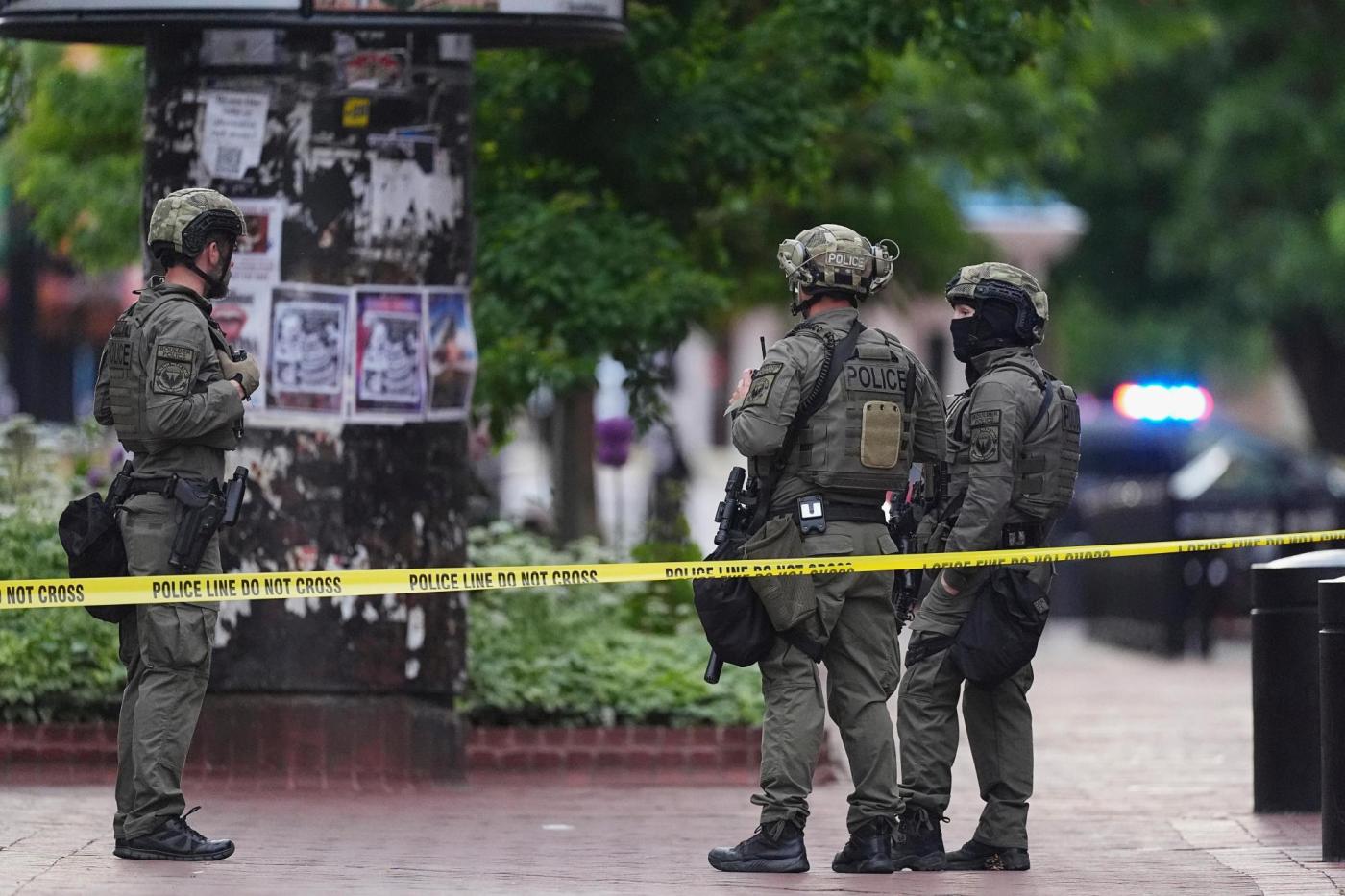
Multiple blocks of the pedestrian mall area were evacuated by police. The scene shortly after the attack was tense, as law enforcement agents with a police dog walked through the streets looking for threats and instructed the public to stay clear of the mall.

Tucker reported from Washington. Associated Press journalists Brittany Peterson and David Zalubowski in Boulder, Colorado; Kimberlee Kruesi in Providence, Rhode Island; Steve Karnowski in Minneapolis; Alanna Durkin Richer and Michael Biesecker in Washington and Jim Mustian in New York contributed to this report.