
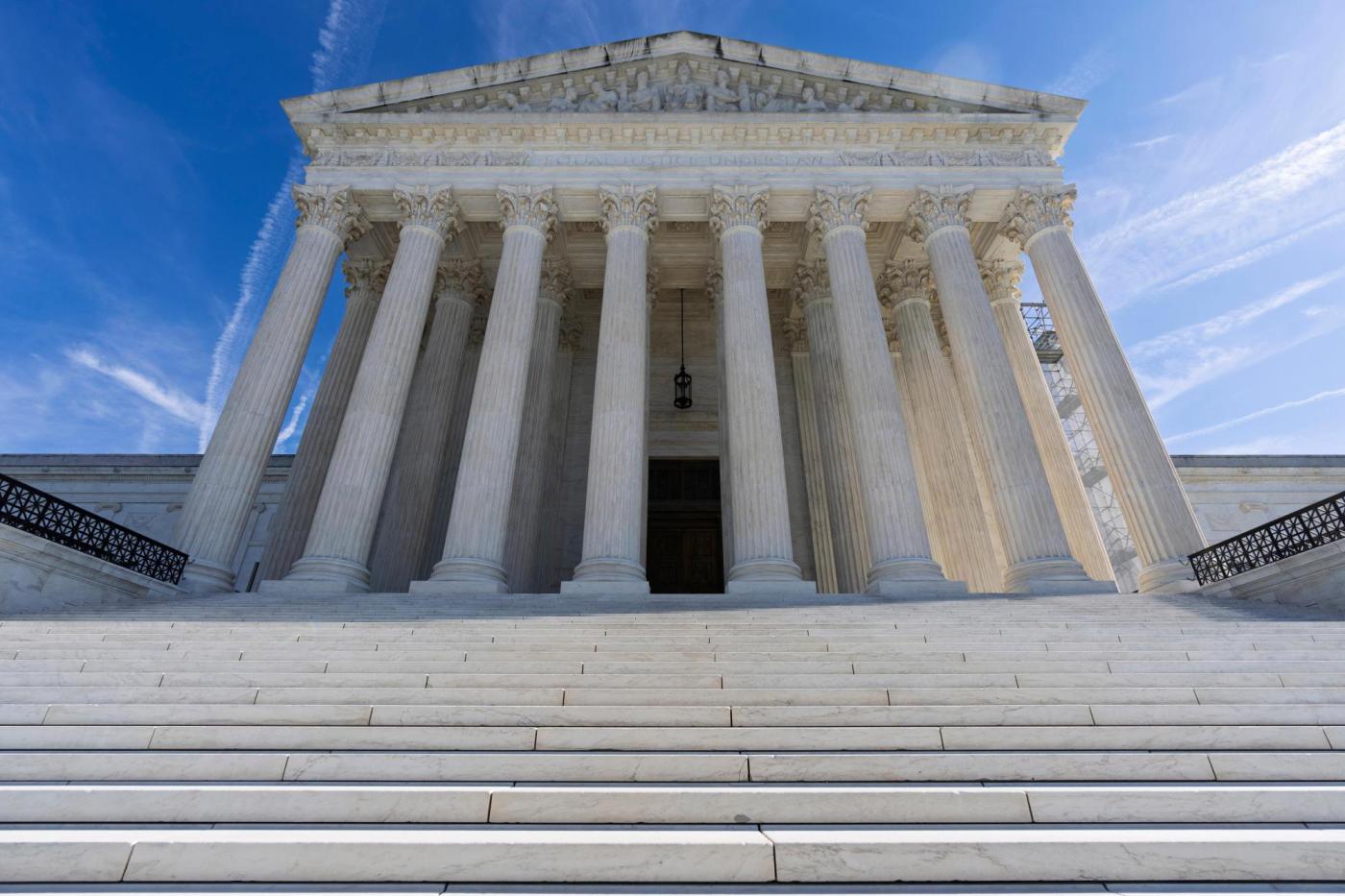
Supreme Court says Maryland parents can pull their kids from public school lessons using LGBTQ books

posted in: All news | 0

By MARK SHERMAN

WASHINGTON (AP) — The Supreme Court ruled on Friday that Maryland parents who have religious objections can pull their children from public school lessons using LGBTQ storybooks.

The justices reversed lower-court rulings in favor of the Montgomery County school system in suburban Washington. The high court ruled that the schools likely could not require elementary school children to sit through lessons involving the books if parents expressed religious objections to the material.

The decision was not a final ruling in the case, but the justices strongly suggested that the parents will win in the end.

The court ruled that policies like the one at issue in the case are subjected to the strictest level of review, nearly always dooming them.

The school district introduced the storybooks, including “Prince & Knight” and “Uncle Bobby’s Wedding,” in 2022 as part of an effort to better reflect the district’s diversity. In “Uncle Bobby’s Wedding,” a niece worries that her uncle won’t have as much time for her after he gets married to another man.

The justices have repeatedly endorsed claims of religious discrimination in recent years and the case is among several religious-rights cases at the court this term. The decision also comes amid increases in recent years in books being banned from public school and public libraries.

Many of the removals were organized by Moms for Liberty and other conservative organizations that advocate for more parental input over what books are available to students. Soon after President Donald Trump, a Republican, took office in January, the Education Department called the book bans a “hoax” and dismissed 11 complaints that had been filed under Trump’s predecessor, President Joe Biden, a Democrat.

Related Articles


Supreme Court preserves key part of Obamacare coverage requirements


Supreme Court OKs fee that subsidizes phone, internet services in schools, libraries and rural areas


Supreme Court limits nationwide injunctions, but fate of Trump birthright citizenship order unclear


Deal with Beijing will speed China’s export of minerals to the US, treasury secretary says


Canadian man held by immigration officials dies in South Florida federal facility, officials say

The writers’ group Pen America said in a court filing in the Maryland case that the objecting parents wanted “a constitutionally suspect book ban by another name.” Pen America reported more than 10,000 books were banned in the last school year.

Parents initially had been allowed to opt their children out of the lessons for religious and other reasons, but the school board reversed course a year later, prompting protests and eventually a lawsuit.

At arguments in April, a lawyer for the school district told the justices that the “opt outs” had become disruptive. Sex education is the only area of instruction in Montgomery schools that students can be excused from, lawyer Alan Schoenfeld said.

The case hit unusually close to home, as three justices live in the county, though they didn’t send their children to public schools.

Follow the AP’s coverage of the U.S. Supreme Court at https://apnews.com/hub/us-supreme-court.
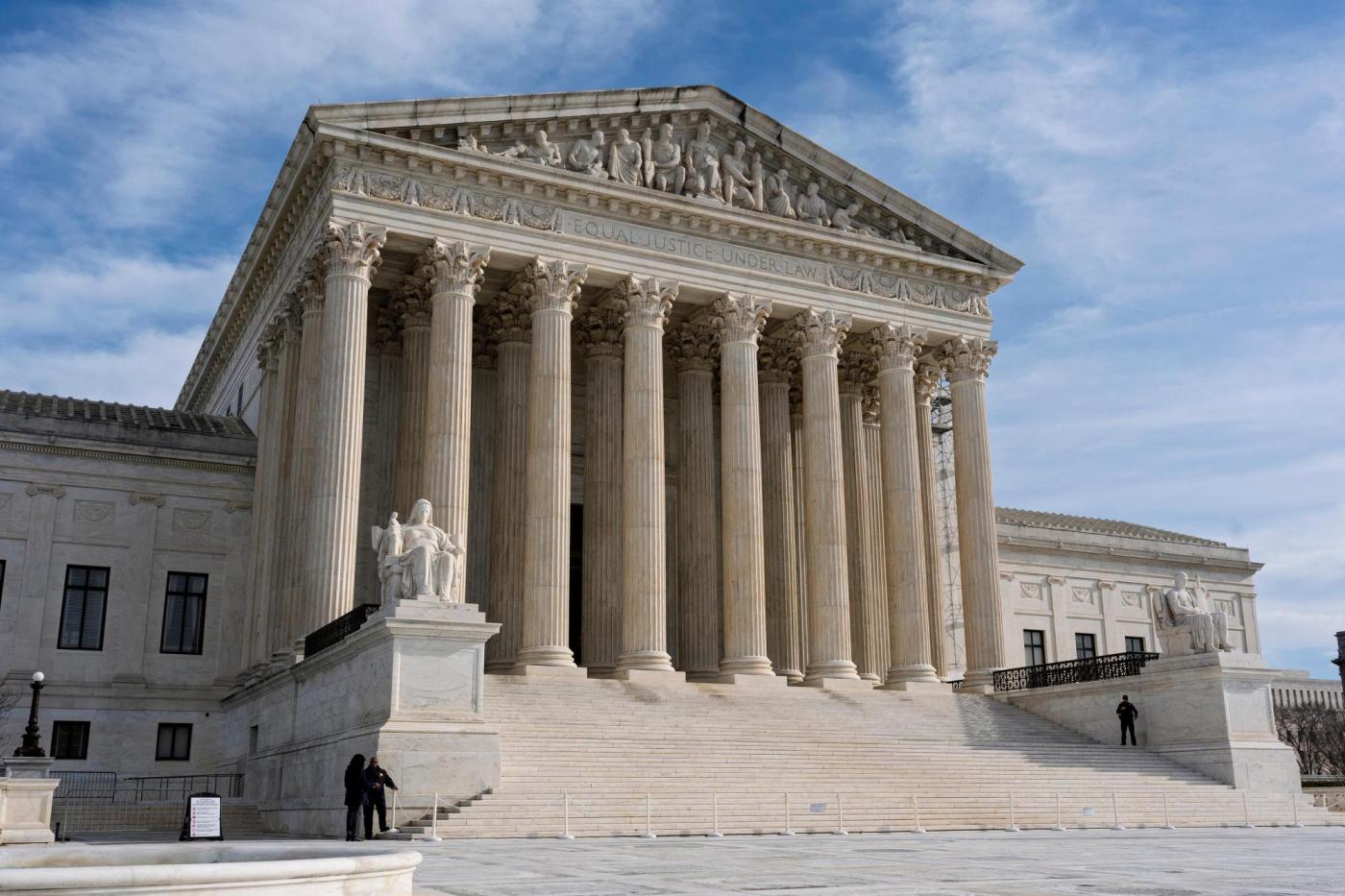
Supreme Court preserves key part of Obamacare coverage requirements

posted in: All news | 0

By LINDSAY WHITEHURST

WASHINGTON (AP) — The Supreme Court preserved a key part of the Affordable Care Act’s preventive health care coverage requirements on Friday, rejecting a challenge from Christian employers to the provision that affects some 150 million Americans.

The 6-3 ruling comes in a lawsuit over how the government decides which health care medications and services must be fully covered by private insurance under former President Barack Obama’s signature law, often referred to as Obamacare.

Justice Brett Kavanaugh wrote for the court’s majority. Justice Clarence Thomas dissented, joined by Justices Samuel Alito and Neil Gorsuch.

The plaintiffs said the process is unconstitutional because a volunteer board of medical experts tasked with recommending which services are covered is not Senate approved.

President Donald Trump’s administration defended the mandate before the court, though the Republican president has been a critic of his Democratic predecessor’s law. The Justice Department said board members don’t need Senate approval because they can be removed by the health and human services secretary.

Medications and services that could have been affected include statins to lower cholesterol, lung cancer screenings, HIV-prevention drugs and medication to lower the chance of breast cancer for women.

Related Articles


Supreme Court says Maryland parents can pull their kids from public school lessons using LGBTQ books


Supreme Court OKs fee that subsidizes phone, internet services in schools, libraries and rural areas


Supreme Court limits nationwide injunctions, but fate of Trump birthright citizenship order unclear


Deal with Beijing will speed China’s export of minerals to the US, treasury secretary says


Canadian man held by immigration officials dies in South Florida federal facility, officials say

The case came before the Supreme Court after an appeals court struck down some preventive care coverage requirements. The U.S. 5th Circuit Court of Appeals sided with the Christian employers and Texas residents who argued they can’t be forced to provide full insurance coverage for things like medication to prevent HIV and some cancer screenings.

Well-known conservative attorney Jonathan Mitchell, who represented Trump before the high court in a dispute about whether he could appear on the 2024 ballot, argued the case.

The appeals court found that coverage requirements were unconstitutional because they came from a body — the United States Preventive Services Task Force — whose members were not nominated by the president and confirmed by the Senate.

A 2023 analysis prepared by the nonprofit KFF found that ruling would still allow full-coverage requirements for some services, including mammography and cervical cancer screening.

Follow the AP’s coverage of the U.S. Supreme Court at https://apnews.com/hub/us-supreme-court.
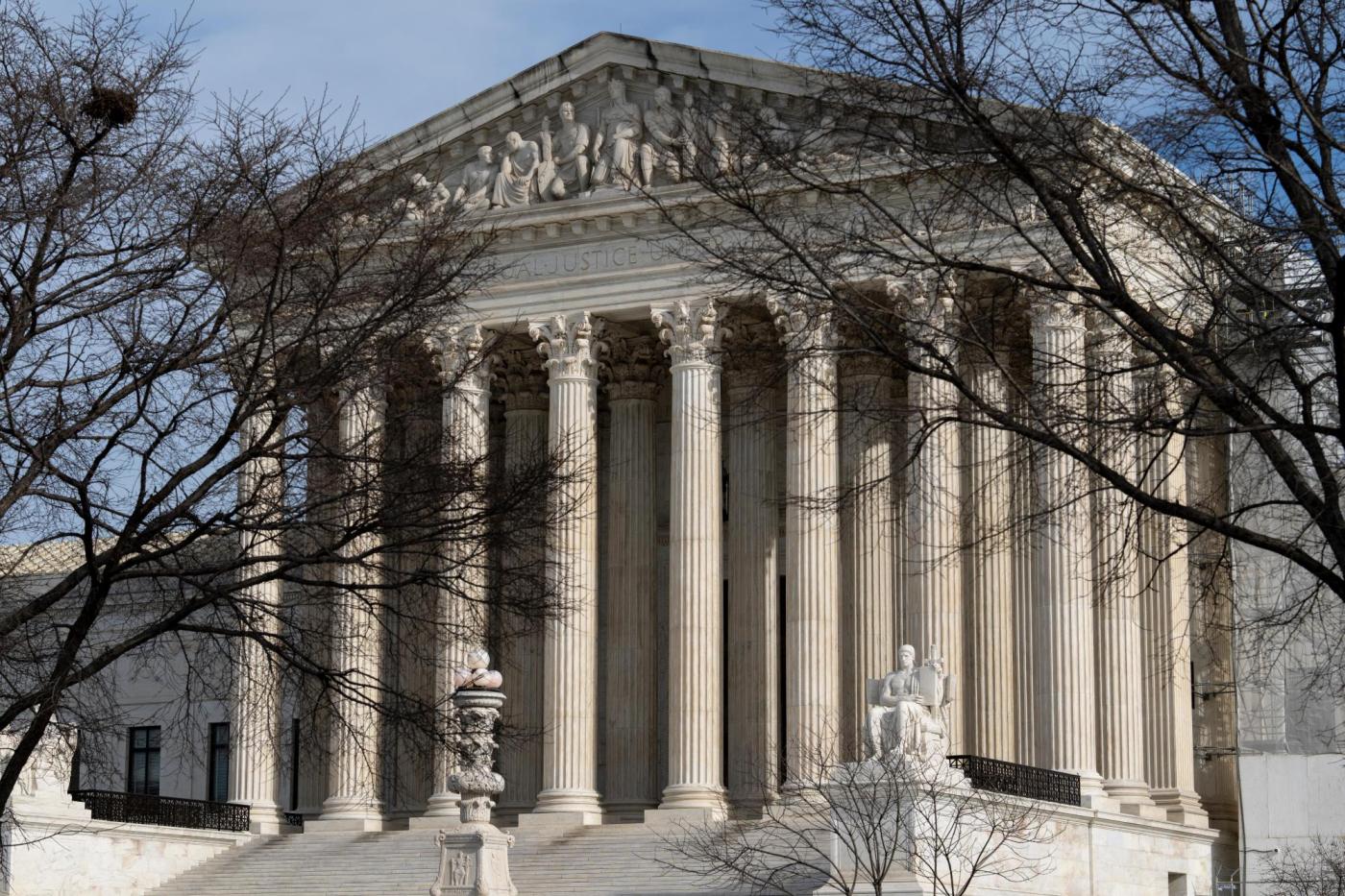
Supreme Court OKs fee that subsidizes phone, internet services in schools, libraries and rural areas

posted in: All news | 0

By MARK SHERMAN

WASHINGTON (AP) — The Supreme Court on Friday upheld the fee that is added to phone bills to provide billions of dollars a year in subsidized phone and internet services in schools, libraries and rural areas.

The justices, by a 6-3 vote, reversed an appeals court ruling that had struck down as unconstitutional the Universal Service Fund, the charge that has been added to phone bills for nearly 30 years.

At arguments in March, liberal and conservative justices alike expressed concerns about the potentially devastating consequences of eliminating the fund, which has benefited tens of millions of Americans.

The Federal Communications Commission collects the money from telecommunications providers, which pass the cost on to their customers.

A Virginia-based conservative advocacy group, Consumers’ Research, had challenged the practice. The justices had previously denied two appeals from Consumers’ Research after federal appeals courts upheld the program. But the full 5th U.S. Circuit Court of Appeals, among the nation’s most conservative, ruled 9-7 that the method of funding is unconstitutional.

The 5th Circuit held that Congress had given too much authority to the FCC and the agency in turn had ceded too much power to a private entity, or administrator.

The last time the Supreme Court invoked what is known as the nondelegation doctrine to strike down a federal law was in 1935. But several conservative justices have suggested they are open to breathing new life into the legal doctrine.

Related Articles


Supreme Court says Maryland parents can pull their kids from public school lessons using LGBTQ books


Supreme Court preserves key part of Obamacare coverage requirements


Supreme Court limits nationwide injunctions, but fate of Trump birthright citizenship order unclear


Deal with Beijing will speed China’s export of minerals to the US, treasury secretary says


Canadian man held by immigration officials dies in South Florida federal facility, officials say

The conservative-led court also has reined in federal agencies in high-profile rulings in recent years. Last year, the court reversed a 40-year-old case that had been used thousands of times to uphold federal regulations. In 2022, the court ruled Congress has to act with specificity before agencies can address “major questions,” in a ruling that limited the Environmental Protection Agency’s ability to combat climate change.

But the phone fee case turned out not to be the right one for finding yet another way to restrict federal regulators.

President Donald Trump’s Republican administration, which has moved aggressively to curtail administrative agencies in other areas, defended the FCC program. The appeal was initially filed by President Joe Biden’s Democratic administration.

Follow the AP’s coverage of the U.S. Supreme Court at https://apnews.com/hub/us-supreme-court.
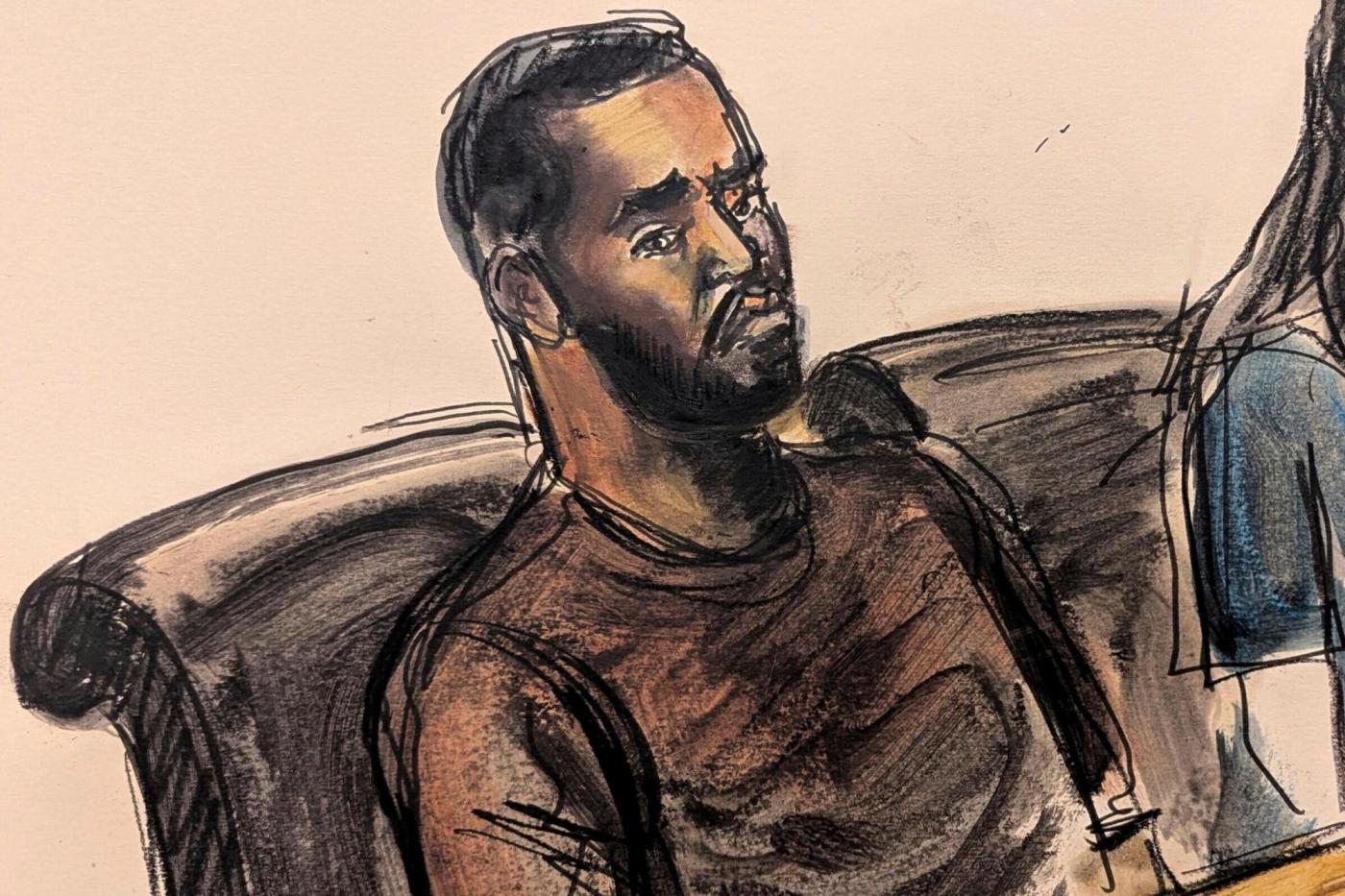
Sean ‘Diddy’ Combs’ lawyer mocks sex trafficking case in closing, says charges ‘badly exaggerated’

posted in: All news | 0

By MICHAEL R. SISAK and LARRY NEUMEISTER

NEW YORK (AP) — Sean “Diddy” Combs was portrayed in his lawyer’s closing argument on Friday as the victim of an overzealous prosecution that tried to turn the recreational use of drugs and a swinger lifestyle into a racketeering conspiracy that could put the music mogul behind bars for life.

Attorney Marc Angifilo mocked the government’s case against Combs and belittled the agents who seized hundreds of bottles of Astroglide lubricant and baby oil at his properties as he began a presentation expected to last several hours.

“Way to go, fellas,” he said of the agents.

He said prosecutors had “badly exaggerated” evidence of the swinger lifestyle and threesomes to combine it with recreational drug use and call it a racketeering conspiracy.

“He did not do the things he’s charged with. He didn’t do racketeering conspiracy and sex trafficking,” the lawyer said.

Agnifilo also called Combs’ prosecution a “fake trial” and ridiculed the notion that he engaged in racketeering. “Are you kidding me? Are you kidding me?” Agnifilo asked. “Did any witness get on that witness stand and say yes, I was part of a racketeering enterprise — I engaged in racketeering?” No, Agnifilo argued, telling jurors that those accusations were a figment of the prosecution’s imagination.

Combs’ family, including six of his children and his mother, were in the audience for the closing.

All his life Combs has taken care of people, Agnifilo said, including the ex-girlfriend who testified under the pseudonym Jane, whose rent he’s paying.

“I don’t know what Jane is doing today,” Agnifilo said. “But she’s doing it in a house he’s paying for.”

Referring to lawsuits filed by Combs’ accusers, he said: “This isn’t about crime. It’s about money. This is about money.”

He noted that Combs’ girlfriend of nearly 11 years — Casandra “Cassie” Ventura — sued him in a lawsuit that was settled for $20 million in a day in November 2023, triggering a federal probe the following day.

“If you had to pick a winner in this whole thing, it’s hard not to pick Cassie,” Agnifilo said.

Related Articles


Today in History: June 27, Hurricane Audrey makes Gulf Coast landfall


The best that Bezos’ money can buy: The billionaire’s Venice wedding to Lauren Sánchez causes a stir


Home reportedly owned by Brad Pitt was ransacked by burglars, police say


Judge blocks Georgia’s social media age verification law, citing free speech concerns


Louisiana is latest state to redefine natural gas — a planet-warming fossil fuel — as green energy

Cassie and Jane both testified during the trial that they were coerced repeatedly by Combs to perform in drug-fueled dayslong sex marathons with male sex workers while Combs watched, directed, masturbated and sometimes filmed the encounters.

If convicted, Combs could face a mandatory minimum of 15 years in prison and a maximum of life.

He did not testify during the trial that is in its seventh week.

After Agnifilo completes his closing, Assistant U.S. Attorney Maurene Comey was expected to deliver a rebuttal summation before the judge reads the law to the jury, which is not expected to begin deliberations until Monday.