By ISABELLA O’MALLEY and AMELIA THOMSON-DEVEAUX
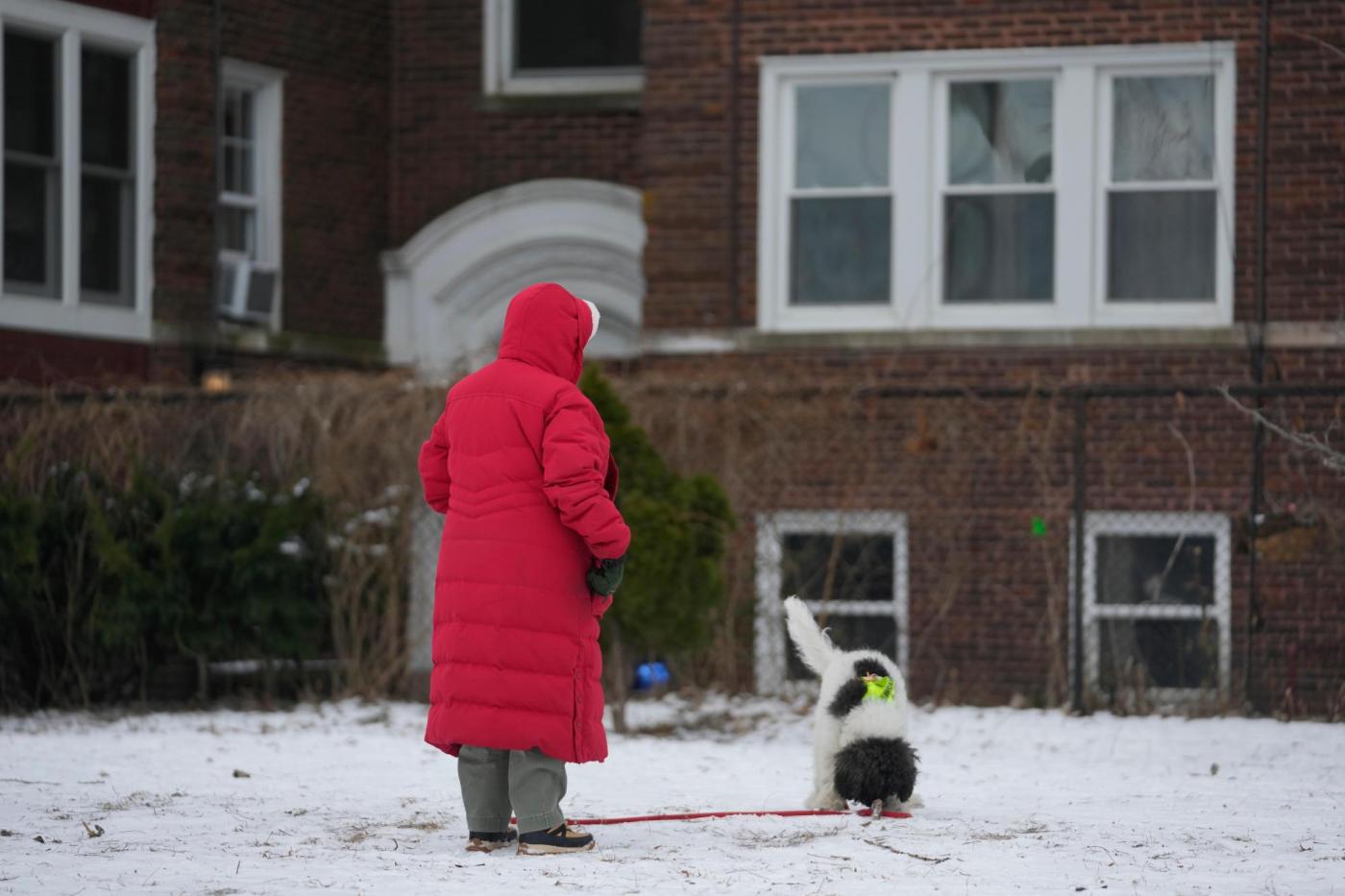
WASHINGTON (AP) — Millions in North America kicked off 2026 with bitterly cold temperatures, with many saying it’s been years since they’ve experienced such frigid winter weather.
“Pipes that never froze on me for 15 years froze,” said Chris Ferro, 58, from Brooklyn, New York, about the abnormally cold temperatures he experienced in January and February. Ferro owns several residential properties in Albany and said multiple days of below-freezing temperatures prevented him from doing repairs and renovations. He said he was thankful that none of the pipes burst and that this winter had the same bitter cold he remembers from when he was young, which contrasts with the relatively warmer winters he experienced in recent years.
Saudi Arabia may have uranium enrichment under proposed deal with US, arms control experts warn
World shares, US futures advance after AI fears drag Wall Street lower
Today in History: February 20, Thousands attend pro-Nazi rally at Madison Square Garden
Eric Dane, ‘Grey’s Anatomy’ star and ALS awareness advocate, dies at 53
Prosecutors stand by former Black Panther’s conviction but accuse judge of misconduct when he prosecuted the case
About 6 in 10 U.S. adults say they’ve been personally affected by severe cold weather or severe winter storms in the past five years, according to a new poll from The Associated Press-NORC Center for Public Affairs Research. That’s an increase from an AP-NORC poll conducted in February 2025, when about half of U.S. adults said they’d been affected by extreme cold.
The finding points to the growing prevalence of experiences with cold weather, or at least people’s perceptions of them, after a massive winter storm brought freezing temperatures to the East Coast and caused widespread power outages in the South.
In a warming world, people’s reactions to cold weather are subjective. Scientific research indicates the first quarter of the 21st century was unusually warm by historical standards — mostly due to human-induced climate change — and abnormally cold winters are happening less frequently in North America. Because this type of extreme cold occurs less frequently, experts say Americans are experiencing it more intensely now than they did in the past and prolonged cold spells are unfamiliar to many people, especially younger Americans.
In the summer of 2024, an AP-NORC poll found that about 7 in 10 U.S. adults had experienced extremely hot weather or extreme heat waves in the prior five years.
Higher electric bills, school and work cancellations, and more
The most recent survey found that just in the past year, Americans’ lives have been upended in multiple ways by cold weather.
About 7 in 10 Americans say that in the past year, their electricity or gas bills have been higher than usual because of winter storms or extreme cold. About 4 in 10 have experienced a work or school cancellation because of winter storms or extreme cold, roughly one-third have experienced a power outage, and about 3 in 10 have had a travel cancellation or delay.
Annie Braswell, 66, from Greenville, North Carolina, said January and February felt like “it hadn’t been that cold in 40 years” and that her utility bill doubled compared to normal. She said it was a dramatic change from the weather she experienced last summer when she endured many days at or above 100°F (38°C). “I just take life one day at a time, and I realize these are things that I can’t change,” Braswell said about how she copes with the extreme temperatures.
Heat waves and extreme cold require more heating and cooling to keep temperatures inside homes and buildings comfortable, which leads to higher utility bills. Electricity prices are rising in the U.S. and an AP-NORC poll from October 2025 found that nearly 4 in 10 U.S. adults say the cost of electricity is a “major source” of stress for them. Bill McKibben, a longtime climate activist, told The Associated Press in a separate interview that he thinks rising electricity prices will have a major political impact.
The effects of cold weather were felt across wide swathes of the country. About 6 in 10 Midwesterners, around half of Southerners, and about 4 in 10 Northeasterners say they’ve experienced work or school cancellation as a result of winter storms or extreme cold, compared to 15% of adults who live in the West.
A person bundles up as she takes a walk during a cold weather day in the snow-covered sand at Lake Michigan in Chicago, Wednesday, Jan. 28, 2026. (AP Photo/Nam Y. Huh)
Linking extreme cold and climate change
Among all of the people who experienced some kind of severe weather event in the past few years – including extreme heat, extreme cold, major droughts or water shortages, hurricanes or severe tropical storms, major flooding, wildfires, tornadoes – about two-thirds believe climate change was a cause.
“I think climate change is a natural thing that happens … to some extent it’s sped up by some things,” such as pollutants released from factories and the shipping industry, said Joseph Bird, 21, a college student in Provo, Utah, who identifies as an independent. “I think it increases the frequency of extreme weather is how I’d see it,” said Bird.
Democrats and independents who experienced any kind of severe weather event are much likelier than Republicans to see climate change as a cause.
There’s a particularly large gap between conservative Republicans – only about 3 in 10 who experienced an extreme weather event think it was related to climate change – compared to liberal Democrats, the vast majority of whom think climate change was involved.
While rising atmospheric temperatures are a result of global warming, scientists say that extreme cold outbreaks across North America are a feature of climate change. The Arctic polar vortex, a swirling area of low pressure and cold air that is typically trapped over the North Pole throughout the year, can stretch down and infiltrate regions further south. Scientific research indicates such polar vortex disruptions are happening more frequently due to rapidly warming temperatures in the Arctic and shrinking Arctic sea ice.
A pedestrian bundles up as she crosses a street during a cold weather day in Evanston, Ill., Thursday, Jan. 22, 2026. (AP Photo/Nam Y. Huh)
Nearly all Americans have experienced some kind of extreme weather recently
Overall, the vast majority of U.S. adults, 80%, have experienced some kind of severe weather event in the past five years, although they are much likelier to report experiencing extremely hot weather or extreme heat waves and extreme cold in the past five years than any other kind of major weather events, including major droughts or water shortages, hurricanes or severe tropical storms, major flooding, wildfires, tornadoes, or other severe weather events or weather disasters.
There are no meaningful partisan differences in Americans’ experiences of extreme weather, but about 8 in 10 Democrats who experienced any of these extreme weather events said they were the result of climate change, compared to only about 4 in 10 Republicans.
O’Malley reported from Philadelphia.
The AP-NORC poll of 1,156 adults was conducted Feb. 5-8 using a sample drawn from NORC’s probability-based AmeriSpeak Panel, which is designed to be representative of the U.S. population. The margin of sampling error for adults overall is plus or minus 3.9 percentage points.
The Associated Press’ climate and environmental coverage receives financial support from multiple private foundations. AP is solely responsible for all content. Find AP’s standards for working with philanthropies, a list of supporters and funded coverage areas at AP.org.