The Farmington Police Department said Wednesday they’re mourning the loss of an officer.
Pete Zajac, who spent the past two years as a school resource officer, died by suicide late Tuesday, according to a social media post from the department.
The 41-year-old Zajac was married and had three children. He’d been with the Farmington police for 15 years.
“His presence within our department and our community as a whole will be missed,” said the department’s post. “A sincere thank you to our law enforcement partners, and those in the community who have surrounded us in our time of need and those that will support us in the tough times ahead.”
The department also reminded that anyone who is struggling can call or text 988 to reach the Suicide & Crisis Lifeline. For current and former law enforcement and their families, CopLine is at 800-COPLINE.
Related Articles
How Minnesota is feeding federal workers and SNAP recipients
Dakota County elections: Three districts with school boards on the ballot
Waiting for a mentor: Aaron
West St. Paul pool up for refresh in two winter phases
Eagan, Dakota County officers involved in Cottage Grove man’s jail death should be fired, inmate advocates say
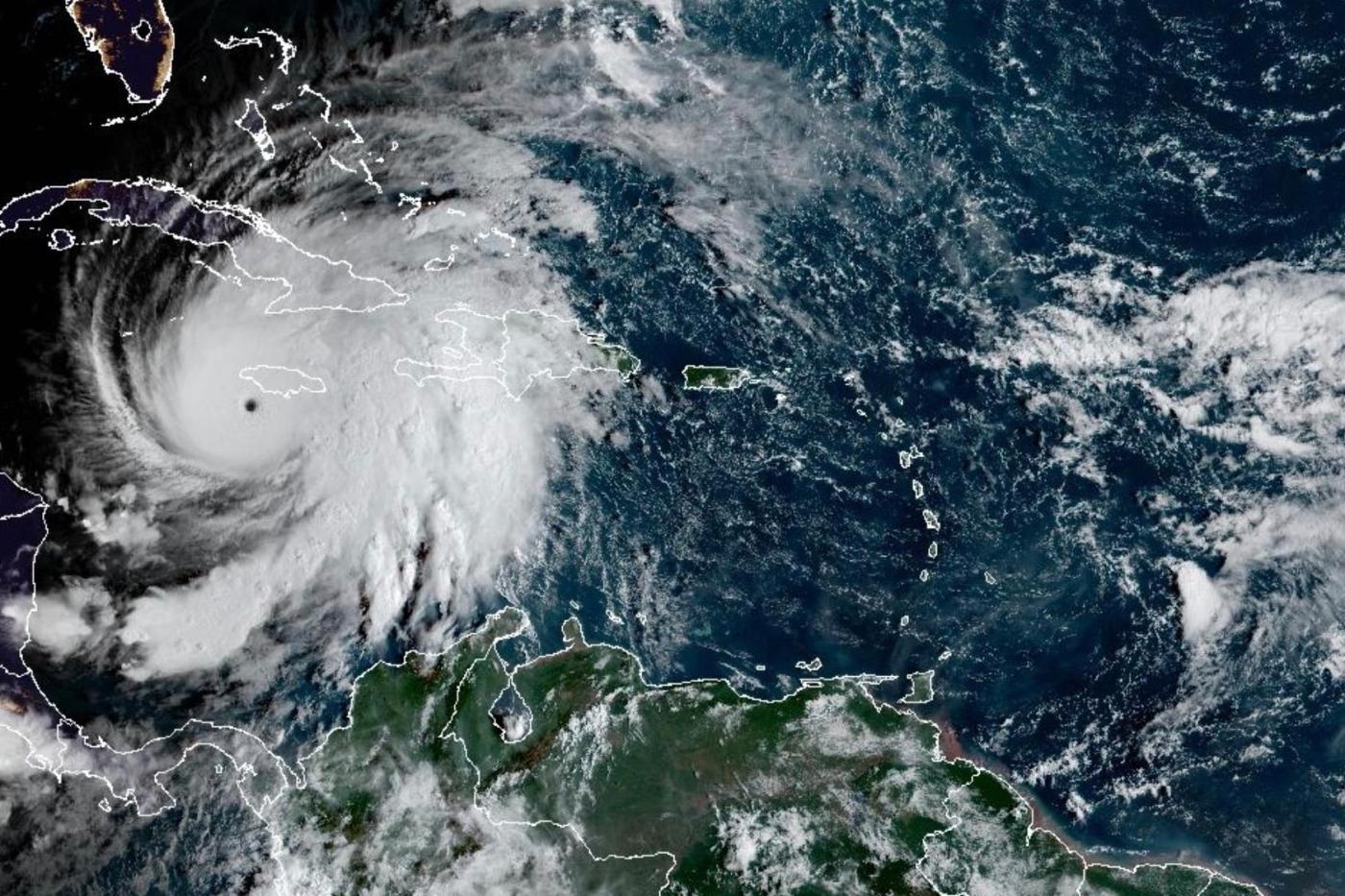
Hurricane Melissa made landfall in Jamaica on Tuesday as a devastating Category 5 storm, tied for the strongest landfalling Atlantic hurricane in history. The deadly storm has also caused devastation in Cuba, Haiti and the Dominican Republic.
Cooks prepare meals at a shelter set up in a school ahead of Hurricane Melissa’s forecast arrival in Old Harbour, Jamaica, Monday, Oct. 27, 2025. (AP Photo/Matias Delacroix)
People walk along a road during the passing of Hurricane Melissa in Rocky Point, Jamaica, Tuesday, Oct. 28, 2025. (AP Photo/Matias Delacroix)
Residents inspect a house destroyed by Hurricane Melissa in a neighborhood of Santiago de Cuba on October 29, 2025. A powerful Hurricane Melissa made landfall in eastern Cuba on Wednesday, causing damage and flooding to homes and streets in Santiago de Cuba province, an AFP team on the ground reported. (Photo by YAMIL LAGE / AFP) (Photo by YAMIL LAGE/AFP via Getty Images)
A man looks at houses destroyed by Hurricane Melissa in a neighborhood of Santiago de Cuba on October 29, 2025. A powerful Hurricane Melissa made landfall in eastern Cuba on Wednesday, causing damage and flooding to homes and streets in Santiago de Cuba province, an AFP team on the ground reported. (Photo by YAMIL LAGE / AFP) (Photo by YAMIL LAGE/AFP via Getty Images)
A man stands outside his home destroyed by Hurricane Melissa in Santiago de Cuba on October 29, 2025. A powerful Hurricane Melissa made landfall in eastern Cuba on Wednesday, causing damage and flooding to homes and streets in Santiago de Cuba province, an AFP team on the ground reported. (Photo by YAMIL LAGE / AFP) (Photo by YAMIL LAGE/AFP via Getty Images)
A driver tries to remove his vehicle from a flooded area after heavy rains caused by Hurricane Melissa in the town of San Miguel de Parada, Santiago de Cuba province, on October 29, 2025. A powerful Hurricane Melissa made landfall in eastern Cuba on Wednesday, causing damage and flooding to homes and streets in Santiago de Cuba province, an AFP team on the ground reported. (Photo by YAMIL LAGE / AFP) (Photo by YAMIL LAGE/AFP via Getty Images)
A man walks through a flooded street in a neighborhood affected by Hurricane Melissa in Santiago de Cuba on October 29, 2025. A powerful Hurricane Melissa made landfall in eastern Cuba on Wednesday, causing damage and flooding to homes and streets in Santiago de Cuba province, an AFP team on the ground reported. (Photo by YAMIL LAGE / AFP) (Photo by YAMIL LAGE/AFP via Getty Images)
A woman walks on rubble left following the passage of Hurricane Melissa following the passage of Hurricane Melissa, in Santa Cruz, St Elizabeth, Jamaica on October 29, 2025. Hurricane Melissa ripped up trees and knocked out power after making landfall in Jamaica on October 28, 2025 as one of the most powerful hurricanes on record, inundating the island nation with rains that threaten flash floods and landslides. (Photo by Ricardo MAKYN / AFP) (Photo by RICARDO MAKYN/AFP via Getty Images)
Rollin Salmond uses an electrical saw to cut sections of a tree blocking the entrance to his home in Longwood, St Elizabeth, Jamaica on October 29, 2025. Hurricane Melissa ripped up trees and knocked out power after making landfall in Jamaica on October 28, 2025 as one of the most powerful hurricanes on record, inundating the island nation with rains that threaten flash floods and landslides. (Photo by Ricardo MAKYN / AFP) (Photo by RICARDO MAKYN/AFP via Getty Images)
A woman salvages belongings from the rubble of her home after it collapsed during Hurricane Melissa’s passage through Santiago de Cuba, Cuba, on October 29, 2025. A powerful Hurricane Melissa made landfall in eastern Cuba on Wednesday, causing damage and flooding to homes and streets in Santiago de Cuba province, an AFP team on the ground reported. (Photo by YAMIL LAGE / AFP) (Photo by YAMIL LAGE/AFP via Getty Images)
A family salvages belongings from the rubble of their home after it collapsed during Hurricane Melissa’s passage through Santiago de Cuba, Cuba, on October 29, 2025. A powerful Hurricane Melissa made landfall in eastern Cuba on Wednesday, causing damage and flooding to homes and streets in Santiago de Cuba province, an AFP team on the ground reported. (Photo by YAMIL LAGE / AFP) (Photo by YAMIL LAGE/AFP via Getty Images)
People clean a street after the passing of the tropical storm Melissa before becoming a hurricane in Barahona, Dominican Republic on October 28, 2025. (Photo by Carlos FABAL / AFP) (Photo by CARLOS FABAL/AFP via Getty Images)
TOPSHOT – Residents wait in the streets for food hours before Hurricane Melissa hits the city of Santiago de Cuba, Cuba, on October 28, 2025. (Photo by YAMIL LAGE / AFP) (Photo by YAMIL LAGE/AFP via Getty Images)
A couple leaves their flooded house after the passing of the tropical storm Melissa before becoming a hurricane at Las Cucarachas neighborhood in Santo Domingo, Dominican Republic on October 28, 2025. (Photo by Danny Polanco / AFP) (Photo by DANNY POLANCO/AFP via Getty Images)
A man looks at a fallen tree in St. Catherine, Jamaica, shortly before Hurricane Melissa made landfall on October 28, 2025. Ferocious winds and torrential rain tore into Jamaica Tuesday as Hurricane Melissa made landfall, the worst storm ever to strike the island nation and one of the most powerful hurricanes on record. The extremely violent Category 5 system was still crawling across the Caribbean, promising catastrophic floods and life-threatening conditions as maximum sustained winds reached a staggering 185 miles per hour (295 kilometers per hour). (Photo by Ricardo Makyn / AFP) (Photo by RICARDO MAKYN/AFP via Getty Images)
TOPSHOT – A soldier helps evacuate an elderly woman to a secure location ahead of the arrival of Hurricane Melissa at Siboney beach, in Santiago de Cuba, Cuba, on October 28, 2025. Hurricane Melissa was set to strike nearby eastern end of Cuba late Tuesday after pummeling Jamaica. (Photo by YAMIL LAGE / AFP) (Photo by YAMIL LAGE/AFP via Getty Images)
1 of 16
Cooks prepare meals at a shelter set up in a school ahead of Hurricane Melissa’s forecast arrival in Old Harbour, Jamaica, Monday, Oct. 27, 2025. (AP Photo/Matias Delacroix)
The world is still learning the extent of the destruction, but relief organizations are already mobilizing to help across the northern Caribbean.
As is typical in disasters, nonprofit groups told The Associated Press that cash is the best way to help, since unsolicited goods donations can overwhelm already strained systems. Experts recommend using sites like Charity Navigator or the Better Business Bureau’s Wise Giving Alliance to check out unfamiliar charities before donating.
Here is some of the work being done and ways to support people impacted by Hurricane Melissa in Jamaica, Cuba, Haiti and beyond.
Locals supporting locals: United Way of Jamaica
The 40-year-old nonprofit has a history of supporting Jamaicans after disasters, especially the country’s farmers.
Doubling your dollars: American Friends of Jamaica
AFJ has donated to Jamaican charitable organizations since 1982, supporting education, economic development and health care. Its disaster relief fund helped repair nearly 800 roofs after Hurricane Beryl, according to the group.
The New York-based organization is currently matching donations to its Disaster Relief Fund, up to $1 million.
Fast cash: GiveDirectly
GiveDirectly will deliver emergency cash directly to Jamaica households.
CORE ‘s local staff is already responding in Haiti and will arrive in Jamaica when airports reopen to deliver relief items like hygiene kits and tarps, conduct medical assessments an distribute cash assistance. The group will also help households remove debris and rebuild homes.
The Los Angeles-based nonprofit is accepting cash donations to its Emergency Response Fund. Its board of directors is matching up to $200,000.
Footprint Project is shipping 150 portable solar and battery power stations and deploying mobile microgrid equipment, working with local partners like Jamaica Renewable Energy Association to ensure the systems are deployed where they are most needed.
The humanitarian organization supports the Caribbean year round with medicines and other supplies, and has delivered more than $3 million in medical aid in the last month to areas now under threat.
Direct Relief will support health facilities, many of which it says are in coastal and low-lying areas vulnerable to flooding and power outages. The group also sent 100 field-medic packs for Jamaica’s National Health Fund, and is working with the Pan American Health Organization on supplies for Cuba.
The Santa Barbara, California-based group is accepting cash donations. All contributions specifically designated for “Hurricane Melissa” will go directly to those efforts.
Shipping supplies and logistics: Good360 and Airlink
Related Articles
Senate is voting on a Democratic effort to block Trump’s tariffs on Canadian imports
From beaches to ski slopes, photos show how cameras keep watch all over China
Paris prosecutor says 2 suspects in the Louvre jewel heist acknowledge their involvement
France adopts consent-based rape law in the wake of landmark Gisèle Pelicot case
How climate change is changing the way athletes train ahead of the Winter Olympics
Good360 connects corporate donors who have surplus, high-quality supplies with nonprofits that need those items. It will partner with local groups to deliver what’s needed, anticipating demand for generators, tarps and hygiene kits.
Good360 is accepting cash donations to support delivery of these supplies.
Airlink works with major airlines like United and American, using extra cargo space to help humanitarian organizations move aid to disaster zones.
It’s moving cargo to Haiti and Jamaica on behalf of 16 NGOs and finding solutions for moving supplies on the ground when many roads are blocked or washed out.
Long-term recovery: Center for Disaster Philanthropy
While the immediate needs will be vast, CDP focuses on long-term recovery, an often underfunded aspect of disaster response.
The group will give grants to local organizations that are most in tune with the needs, focusing on the most at-risk residents and emphasizing solutions that leave communities better prepared for future climate events.
Associated Press coverage of philanthropy and nonprofits receives support through the AP’s collaboration with The Conversation US, with funding from Lilly Endowment Inc. The AP is solely responsible for this content. For all of AP’s philanthropy coverage, visit https://apnews.com/hub/philanthropy.
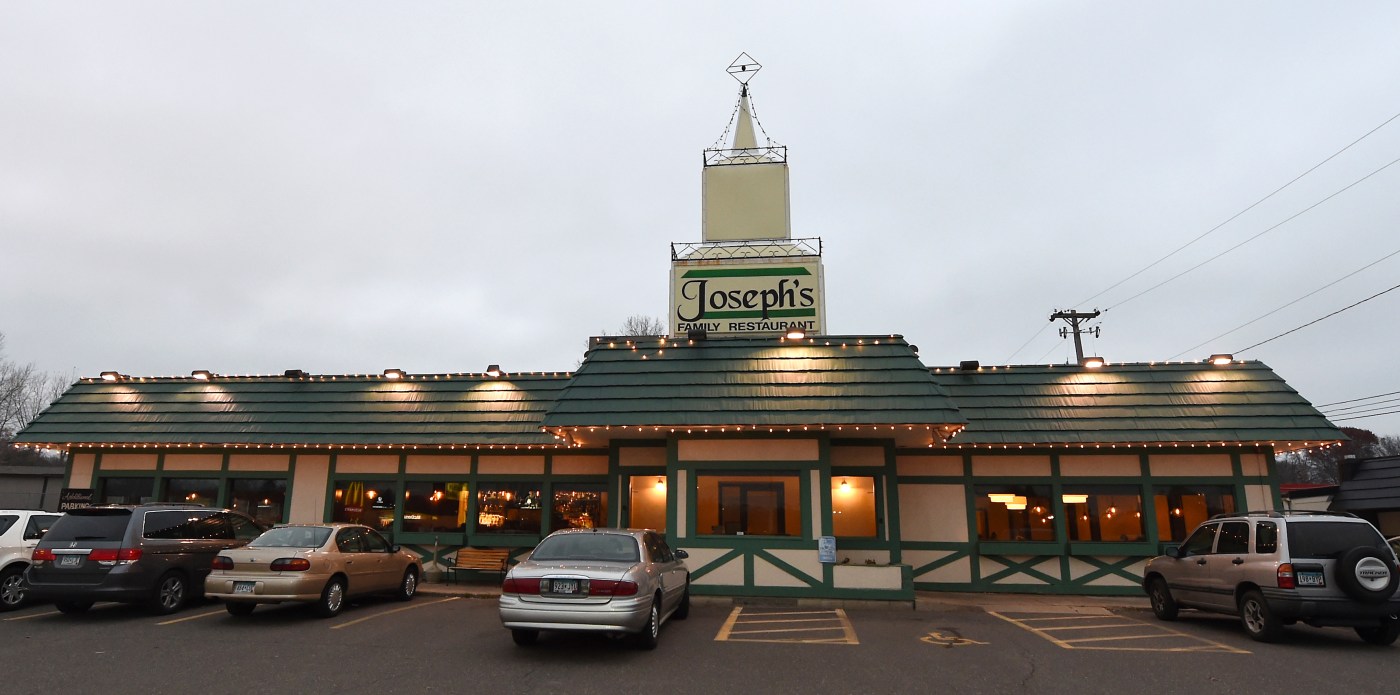
The Oak Park Heights City Council on Tuesday night unanimously approved a conditional-use permit for a retail cannabis business in the Joseph’s restaurant space.
The business will be known as Mango Cannabis and it will occupy the entire building at 14608 60th St. N., City Administrator Jacob Rife said. The restaurant is expected to move to a different location in the area, he said.
The application for a conditional-use permit to operate the retail cannabis business was submitted by Kevin Pattah, of ABJKM Holdings, and Boundary Waters Capital. They also have submitted an application for a permit to open a Mango Cannabis in the former Devil’s Advocate restaurant at 14200 60th St. N., in Stillwater, a half-mile west of Joseph’s.
When officials at ABJKM Holdings applied for the retail registration in Stillwater, the number of retail cannabis locations allowed in the city was capped at one, Pattah told Oak Park Heights city council members on Tuesday night. Stillwater has since increased the cap to allow four retail locations; Oak Park Heights also will allow four locations.
“Oak Park Heights has always been our destination for a Mango location,” Pattah said. “Joseph’s fit our demographics.”
What about the cupola?
Council member Mark Swenson asked Pattah about his plans for the cupola on the roof of Joseph’s, which has been a city landmark since the restaurant, then known as Big Ben, opened.
Joseph’s, an Oak Park Heights restaurant, pictured Oct. 9, 2025. (Mars King / Pioneer Press)
“Joseph’s has been a staple of the community for years, and the cupola that’s on the top of the roof has always been the kind of the gathering point, ever since it was with Big Ben,” Swenson said.
The community is losing a staple, Swenson said. “I mean, that was the place to go. If you’re going for breakfast or lunch, you go to Joseph’s, right? I’ve received just about as many calls on this as I did about the Highway 36 bridge.”
Swenson said he would like to see the cupola removed if the building will no longer house Joseph’s. “Let it be gone,” he said. “That’s not the restaurant anymore. It’s not what it used to be.”
“You want it gone?” Pattah asked.
“It’s part of change,” Swenson said. “I mean, those are my feelings.”
Joseph’s owner Sam Leon did not immediately return a phone call seeking comment.
Pattah reassured the council that the owners of Joseph’s plan to relocate the restaurant in the area.
“Everyone has been asking about it,” he said. “I’ve talked to them numerous times, and their goal is to relocate, and they’re possibly thinking about relocating up the street, if I’m not mistaken.”
Interest in border community
Related Articles
As Stillwater wrestles with cannabis shop locations, what are other east metro cities seeing?
Proposed cannabis shop near Stillwater rec center raises park-proximity question
Walz, Prairie Island Indian Community sign cannabis compact
Oak Park Heights: Joseph’s restaurant a step closer to becoming cannabis shop
Oak Park Heights officials to hear request to turn Joseph’s restaurant into cannabis shop
The Oak Park Heights City Council in July approved plans for the city’s first retail cannabis business, Oak Park Heights Canna, at 14729 60th St. N., near Carbone’s Pizzeria & Pub. The store is expected to open sometime in 2026, Rife said.
“We get calls all the time from folks interested in opening retail cannabis operations in the city,” Rife said. “We certainly understand their desire to be here. It’s a robust business corridor and a desirable place for people to do business.”
Because cannabis retail businesses are not legal in Wisconsin, just across the border, the Minnesota 36 corridor in Oak Park Heights is a prime location for potential shops, Rife said.
“That obviously is going to enhance the interest in locating here,” he said.
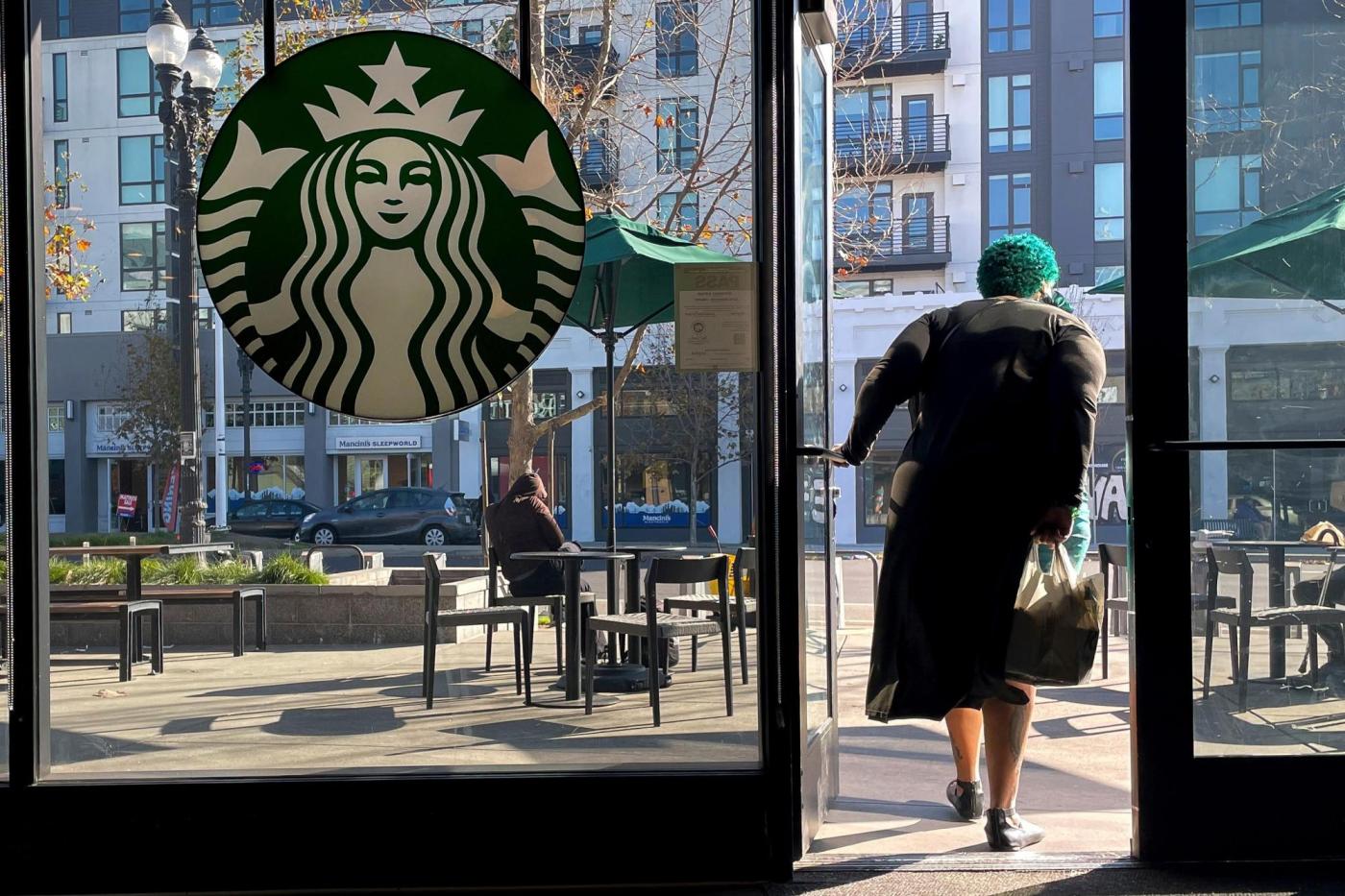
Starbucks halted a long sales slide in its fiscal fourth quarter as pumpkin drinks and improved service brought customers back to its stores.
Related Articles
Cannabis shop at Joseph’s restaurant in Oak Park Heights approved
Meta shares slide after company projects higher expenses for 2026
Google’s corporate parent posts first-ever quarter with $100B in revenue in latest show of its power
St. Paul: Hearing officer recommends demolition of vacant Midway CVS
What a Federal Reserve rate cut means for your finances
The Seattle coffee giant said Wednesday that its global same-store sales, or sales at locations open at least a year, rose 1% over last year in the July-September period. It was the first time in nearly two years that the company posted an increase in same-store sales.
That increase was largely due to international markets, where same-store sales rose 3%. In the U.S., same-store sales were flat; spending per transaction was up 1% but transactions were down 1%. Still, that was an improvement from the third quarter, when U.S. same-store sales fell 2%.
Starbucks Chairman and CEO Brian Niccol said the results indicate the company’s turnaround, which he put in place after joining Starbucks a little more than a year ago, is working. Niccol has set new hospitality standards, redesigned stores to be cozier and more welcoming and adjusted staffing levels to better handle peak hours.
New software is also helping stores sequence drive-thru, in-store and mobile orders, cutting down on wait times. Niccol said 80% of company-operated U.S. stores have in-store wait times averaging four minutes or less, even on high-volume days like this year’s record-breaking U.S. launch of fall drinks in August.
“We still have a lot of work in front of us, but it’s clear we’re moving in the right direction,” Niccol said during a conference call with investors Wednesday.
Niccol said this year’s holiday season, which kicks off Nov. 6, will allow even more customers to see the difference that Starbucks’ investments have made over the last year.
Still, those changes have been costly. In addition to hiring more staff and redesigning stores, Starbucks incurred $755 million in restructuring charges in the fourth quarter. Late last month, the company laid off 900 non-retail employees and closed 627 stores as part of that restructuring; 90% of them were in North America.
As a result, Starbucks said its profit fell 85% in the fourth quarter to 12 cents per share.
Adjusted for one-time items, including its restructuring costs, Starbucks said it earned 52 cents per share in the fourth quarter. That was lower than the 56-cent profit Wall Street expected, according to analysts polled by FactSet.
Starbucks’ shares were flat in after-market trading Wednesday.
Niccol insisted the improvements in service and speed, along with innovations like protein drinks, will pay off in stronger sales.
Starbucks’ net revenue rose 5% to $9.6 billion in the July-September period. That was better than the $9.3 billion Wall Street was expecting, according to analysts polled by FactSet.
“I believe we’re best-positioned to provide the best customer experience in the industry,” Niccol said. “It is as simple as just being greeted when you walk into our stores. And that has changed.”
Niccol said Starbucks also plans to keep price increases in check even as the cost of labor, coffee and other commodities rises. The company had vowed not to increase prices in its 2025 fiscal year.
“We’re going to be very strategic, very targeted,” Niccol said. “I don’t envision us just doing broad-scale pricing across our menu.”
Starbucks Chairman and CEO Brian Niccol, who marked his first year with the company in September, said the fourth-quarter results indicate that Starbucks is making progress in its multi-year turnaround.
Starbucks shares rose nearly 2% in after-hours trading Wednesday.