By MARCIA DUNN
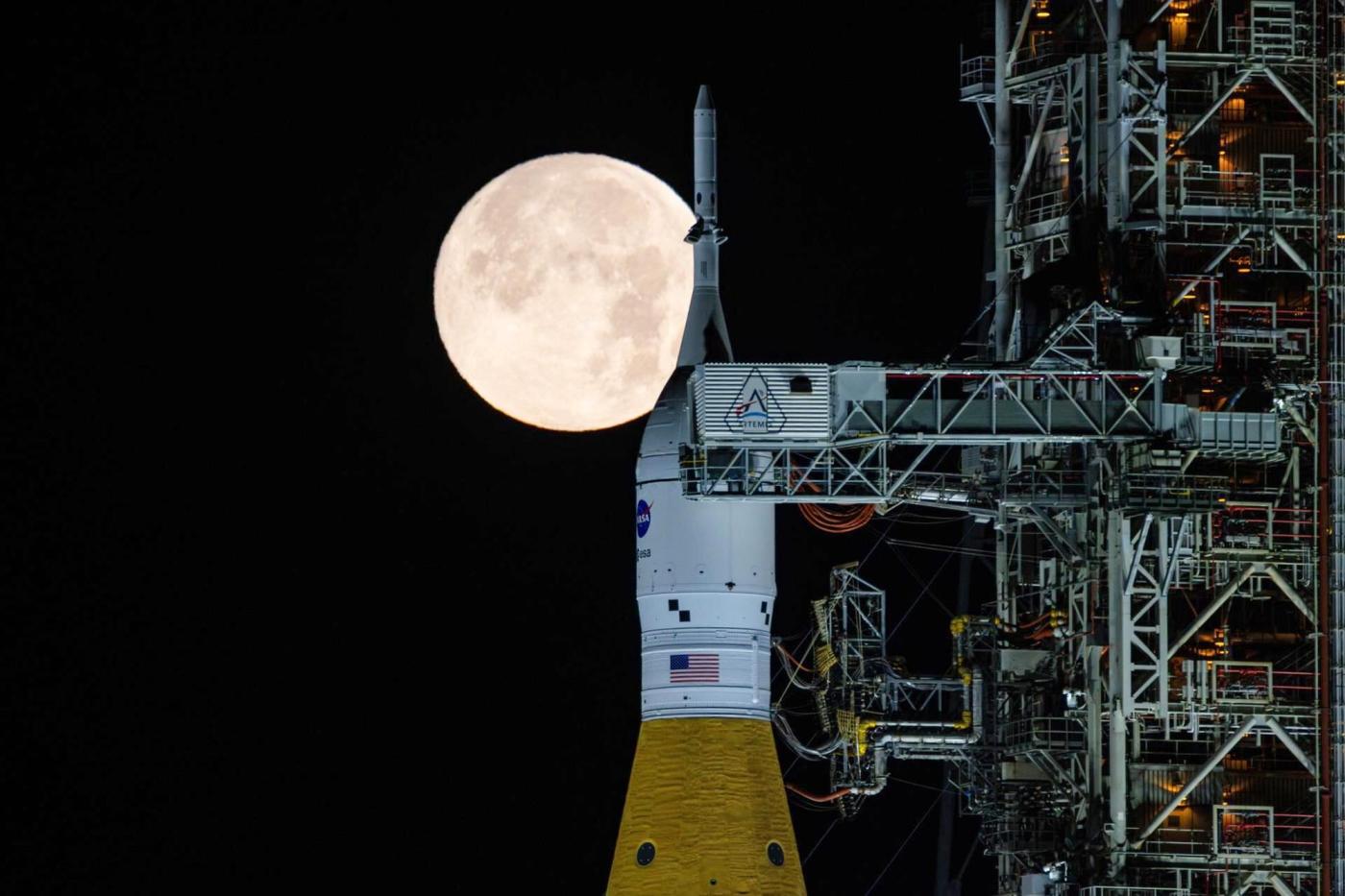
CAPE CANAVERAL, Fla. (AP) — NASA’s long-awaited moonshot with astronauts is off until at least March because of hydrogen fuel leaks that marred the dress rehearsal of its giant new rocket.
Related Articles
NASA hit by fuel leaks during a practice countdown of the moon rocket that will fly with astronauts
NASA delays the first Artemis moonshot with astronauts because of extreme cold at the launch site
It’s one storm after another for much of the US, but the next one’s path is uncertain
Video shows flames flying from NASA plane that touched down without landing gear
Frost quakes cause loud booms, light shaking when bitterly cold temperatures persist
It’s the same problem that delayed the Space Launch System rocket’s debut three years ago. That first test flight was grounded for months because of leaking hydrogen.
NASA announced the news Tuesday, shortly after the critical fueling test ended at Kennedy Space Center. Until the exasperating hydrogen leaks, the space agency had been targeting as soon as this weekend for humanity’s first trip to the moon in more than half a century.
“As always, safety remains our top priority,” NASA’s new administrator Jared Isaacman said via X. “We will only launch when we believe we are as ready to undertake this historic mission.”
Officials said the monthlong delay will allow the launch team to conduct another fueling test before committing the four astronauts — three U.S. and one Canadian — to a lunar fly-around.
The leaks cropped up early in Monday’s loading operation and again hours later, ultimately halting the countdown clocks at the five-minute mark. Launch controllers had wanted to get all the way down to a half-minute in the countdown.
NASA interrupted the flow of hydrogen several times in an attempt to warm up the area between the rocket and fuel lines and, hopefully, reseat any loose seals. But that didn’t work and neither did altering the flow of the hydrogen — adjustments that allowed the first SLS rocket to finally soar without a crew in 2022.
With their launch now off until at least March 6, commander Reid Wiseman and his crew were given the all-clear to emerge from quarantine in Houston. They will reenter it two weeks before the next launch attempt.
NASA has only a handful of days any given month to send them around the moon — the first time astronauts will have flown there since 1972. They won’t land on the moon or even go into lunar orbit during the nearly 10-day mission, but rather check out life support and other vital capsule systems ahead of a moon landing by other astronauts in a few years.
NASA sent 24 astronauts to the moon during the 1960s and 1970s Apollo. The new Artemis program is aiming for new territory — the moon’s south polar region — and looking to keep crews on the lunar surface for much longer periods.
The Associated Press Health and Science Department receives support from the Howard Hughes Medical Institute’s Department of Science Education and the Robert Wood Johnson Foundation. The AP is solely responsible for all content.
Leave a Reply