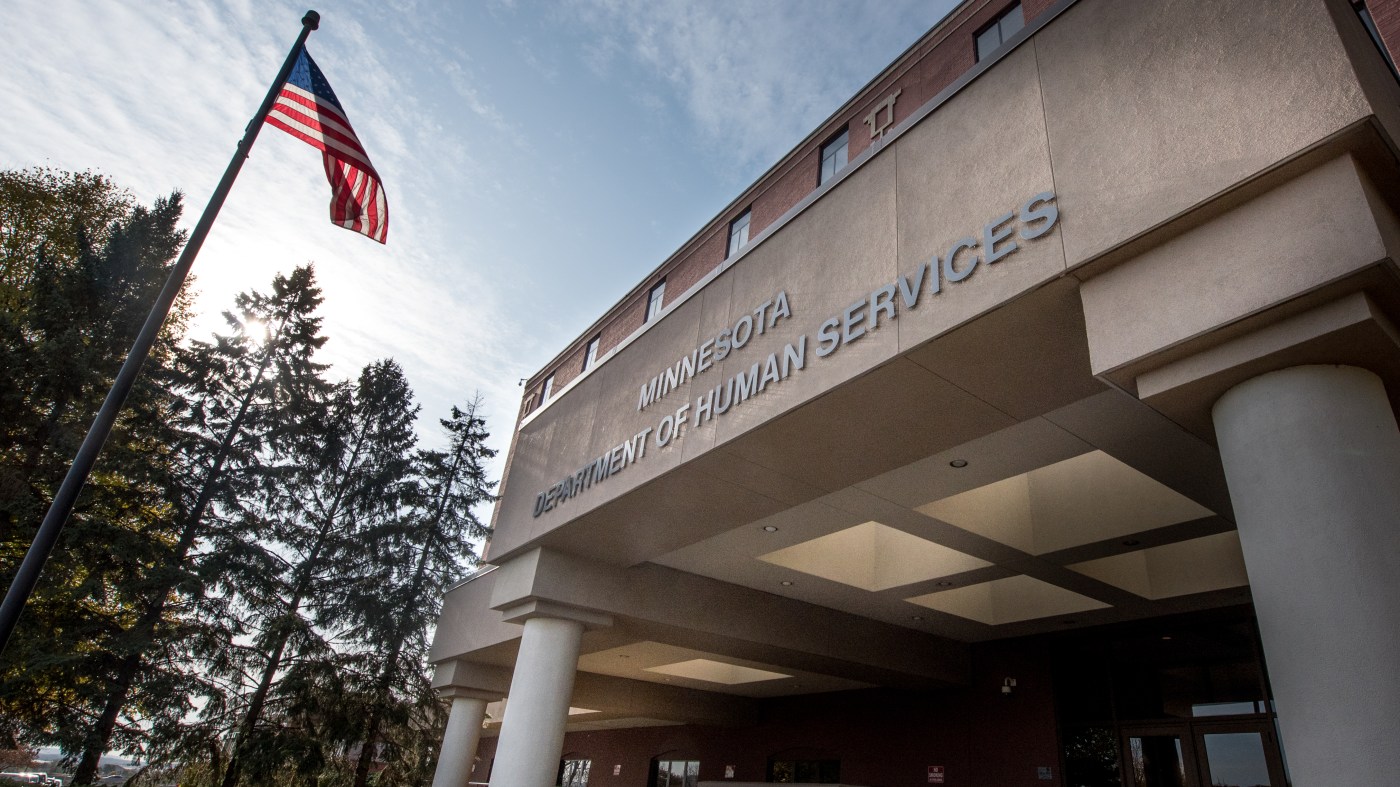
The Minnesota Department of Human Services says it will stop accepting license applications for adult day care providers for up to two years amid suspicion of fraudulent activity and allegations of kickback schemes in the program.
It’s the latest program the agency has put under greater scrutiny as officials try to do more to stop fraud. Last week, DHS announced it would pause new licenses for Home and Community-Based Human Services for two years.
DHS said Tuesday it will pause new licenses for daytime programs for the elderly and disabled because the number of providers currently goes “well beyond” the needs for service. The pause will begin Feb. 1 next year and likely extend to Jan. 31, 2028.
At a Wednesday hearing of the House Fraud Prevention and State Agency Oversight Committee, DHS Inspector General James Clark told state representatives that an “excess of providers” was cause for fraud concerns.
“When you have a marketplace where there’s excess capacity, there’s not a way for you to drum up legitimate business. Then you’re going to try to figure out — if profit is your motive — you’re going to figure out ways to drum up illegitimate businesses,” Clark said. “That’s why we’ve seen allegations and we’re investigating allegations of kickbacks in the adult day program area.”
Asked about how much adult day care programs had grown in the past five years, state Medicaid Director John Connolly said DHS numbers showed a roughly 7% increase in people enrolled in adult day care and a 43% increase in license capacity over the last decade.
For that reason, adult day services is among the 14 programs undergoing a third-party audit after being deemed high risk by the human services department, Connolly said. Gov. Tim Walz ordered the audit at the end of October, and the layer of review could mean delayed payments for providers.
DHS will stop issuing licenses for new home and community-based services providers at the beginning of 2026, and the pause is expected to last until the end of 2027. The agency said it would consider exceptions to the pause for both those services and adult day care.
Home and community services will have a licensing pause for similar reasons to adult day care: the increase in provider applications greatly exceeded the demand for services.
At the end of October, DHS ended one Medicaid-funded program altogether: Housing Stabilization Services. The move came after news emerged of a federal investigation of a “massive” fraud scheme that cost the state millions.
Housing Stabilization Services, a first-of-its-kind program launched in 2020, used Medicaid dollars to help the elderly and people with disabilities at risk of homelessness find and pay for housing. People with mental illness and addiction problems were also eligible.
But some providers acquired names and other information from facilities like addiction treatment centers to file false and inflated claims to DHS, according to the U.S. Attorney’s Office.
In September, federal prosecutors charged eight people for allegedly stealing around $10 million from the program. It’s just one of numerous fraud cases that have come to light in Minnesota in recent years. Then-acting U.S. Attorney Joe Thompson estimated in July that fraud in the state could top $1 billion.
Related Articles
Voters choose DFL candidates for St. Paul, Woodbury-Maplewood House seats
Walz signs executive orders on guns as Legislature remains stalled on issue
Tuesday special primary will pick DFL candidates for vacant MN House seats
Gov. Tim Walz appoints former BCA chief as state fraud czar
Joe Spencer: St. Paul’s budget signals bold push for a stronger downtown
Walz has issued executive orders directing state agencies to do more to address fraud, though the administration of President Donald Trump also has begun pressuring Minnesota.
Earlier this month, Centers for Medicare and Medicaid Services Director Mehmet Oz, better known as the TV personality Dr. Oz, demanded a six-month freeze on enrollments for “high-risk providers” and confirmation of existing providers’ legitimacy. Oz threatened federal funding for the state if it didn’t comply.
Leave a Reply