
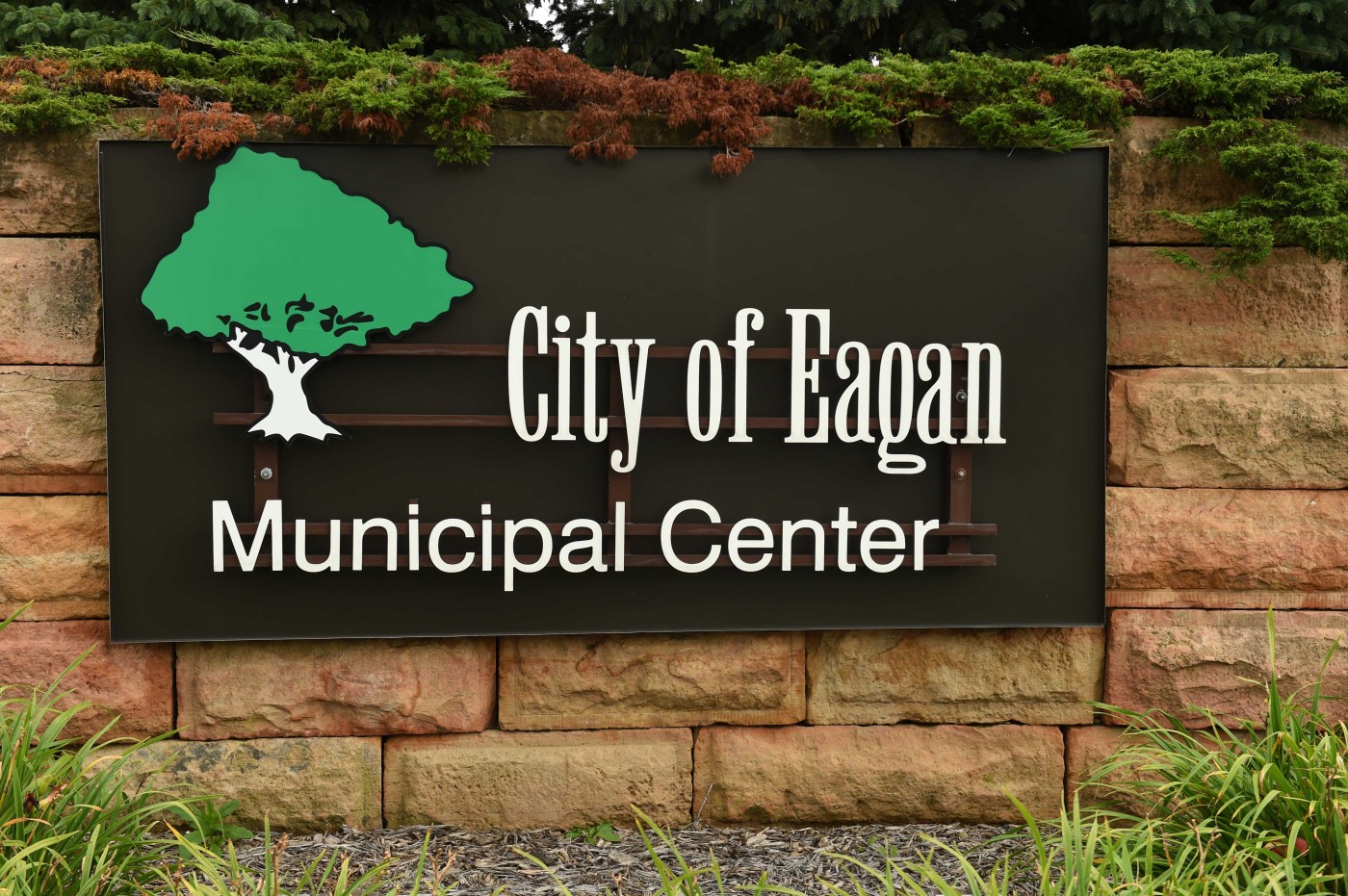
As the tech industry races to build sprawling facilities to fulfill growing data needs, the Eagan City Council has decided to pause any further data center development within the city, allowing staff to study long-term infrastructure impacts, clarify changing design standards and review how future data warehouses could fit within the zoning patchwork of the city.
The moratorium halts development of any new data center that would use more than 20 megawatts of electricity or that is proposed to be within 500 feet of residential homes for one year, lasting until Feb. 17, 2027.
Eagan city staff were not aware of any other active data center moratoria in the Twin Cities area; this move is believed to be the first.
The push of artificial intelligence among industry giants in the technology sector has led to the growth of large scale data centers, required for the intensive computation power required to store, process and analyze data for the large language models driving popular A.I. applications.
The most noticeable growth has come from huge “hyperscale” data centers planned by tech giants like Amazon, Meta, Microsoft and Google, facilities that can use hundreds of megawatts.
An Amazon Web Services data center is seen on Aug. 22, 2024, in Boardman, Ore. (AP Photo/Jenny Kane, File)
As of this fall, at least 13 hyper-scale data centers had been proposed across the state; there are no hyperscale data centers currently planned in Eagan.
Other types of data centers include “edge” data centers, smaller centers built near a business or its end users; “enterprise” data centers, a facility that handles a single organization and its information technology team; and “co-located” data centers, a shared space where more than one company might subcontract and locate IT needs. There also are data centers that focus on cloud computing.
Costs and benefits
Reached by email, city of Eagan Director of Community Development Jill Hutmacher said the temporary pause allows for reasonable planning before high-impact facilities potentially are approved one day.
Previously, Eagan has considered data centers within “warehouse” use classifications in business park and industrial districts. But modern data centers are not traditional warehouses, Hutmacher said. They can have higher energy demand and produce significant noise due to large backup power systems, continuous operations and specialized cooling equipment. Reviewing them under warehouse standards can limit the city’s ability to tailor regulations to those unique characteristics.
Related Articles
Trump’s portrayal of ‘golden age’ is out of sync with how Americans see economy
DoorDash exits 4 markets, including Japan, to focus on growth elsewhere
Discord postpones age verification rollout amid criticism, promises transparency
NerdWallet book club: How to manage a parent’s money
Nvidia and tech stocks lead Wall Street higher
Eagan has two existing data centers currently, and two facilities under construction. These smaller data centers fit under the definitions of enterprise, co-location and edge data centers. Under the ordinance, these centers can still complete updates and repairs and finish approved construction.
“Data centers can provide economic benefits, including contributions to the tax base,” said Hutmacher. “At the same time, very large facilities can have unique operational characteristics, including significant energy use, noise-producing mechanical equipment, and long-term infrastructure demands.”
As an indicator of potential economic impacts, the city of Pine Island, Minn., announced this week that Google will build a data center that is expected to pump over $20 million “in Google and developer-funded infrastructure upgrades” to the city and school district, along with creating 100 permanent jobs and 500 construction jobs.
Hutmacher said Eagan’s data center pause should provide clarity and predictability for the city and taxpayers. “It ensures we are planning ahead rather than reacting later. For residents, that means growth that is intentional, transparent, and aligned with the long-term interests of the community.”
With the pause in effect, Eagan city staff plan to review its current codes, consider long-term infrastructure impacts and study noise and operational characteristics.
Community concerns
Eagan resident Leo Caravello spoke before the city council on Feb. 17, supporting the pause on any data center development.
“Modern data centers today have proven time and time again to not be beneficial for our communities overall. They hog and pollute our water. They consume electricity like no other business,” Caravello said. “They generate profit and money for businesses outside of our community while benefitting off of our infrastructure, and rarely improving our community itself.”
Related Articles
‘Horrible death’: Apple Valley man sentenced in hit-and-run killing during Bloomington pot deal
Waiting for a mentor: Zach
Rep. Angie Craig will bring son of deported Minnesota woman to state of union
Data center foes bring swelling opposition to Minnesota Capitol
Burnsville woman admits to fatally shooting 70-year-old, trying to cover up killing
Residents across the state have been concerned about the growth of data centers, specifically regarding the intensive water and energy drain of the mega processing sites. Data center opponents held a rally at the State Capitol on Feb. 18, calling for a statewide ban on hyperscale facilities.
President Donald Trump in Tuesday’s State of the Union address said he would press tech companies to pay higher electricity rates in areas where their data centers are located.
A 280-acre development in Rosemount for Meta, Facebook’s parent company, is still under construction, while in Farmington, residents verbally sparred with the Mayor Joshua Hoyt during a contentious discussion about a proposed data center.
Hoyt has since resigned.
Leave a Reply