
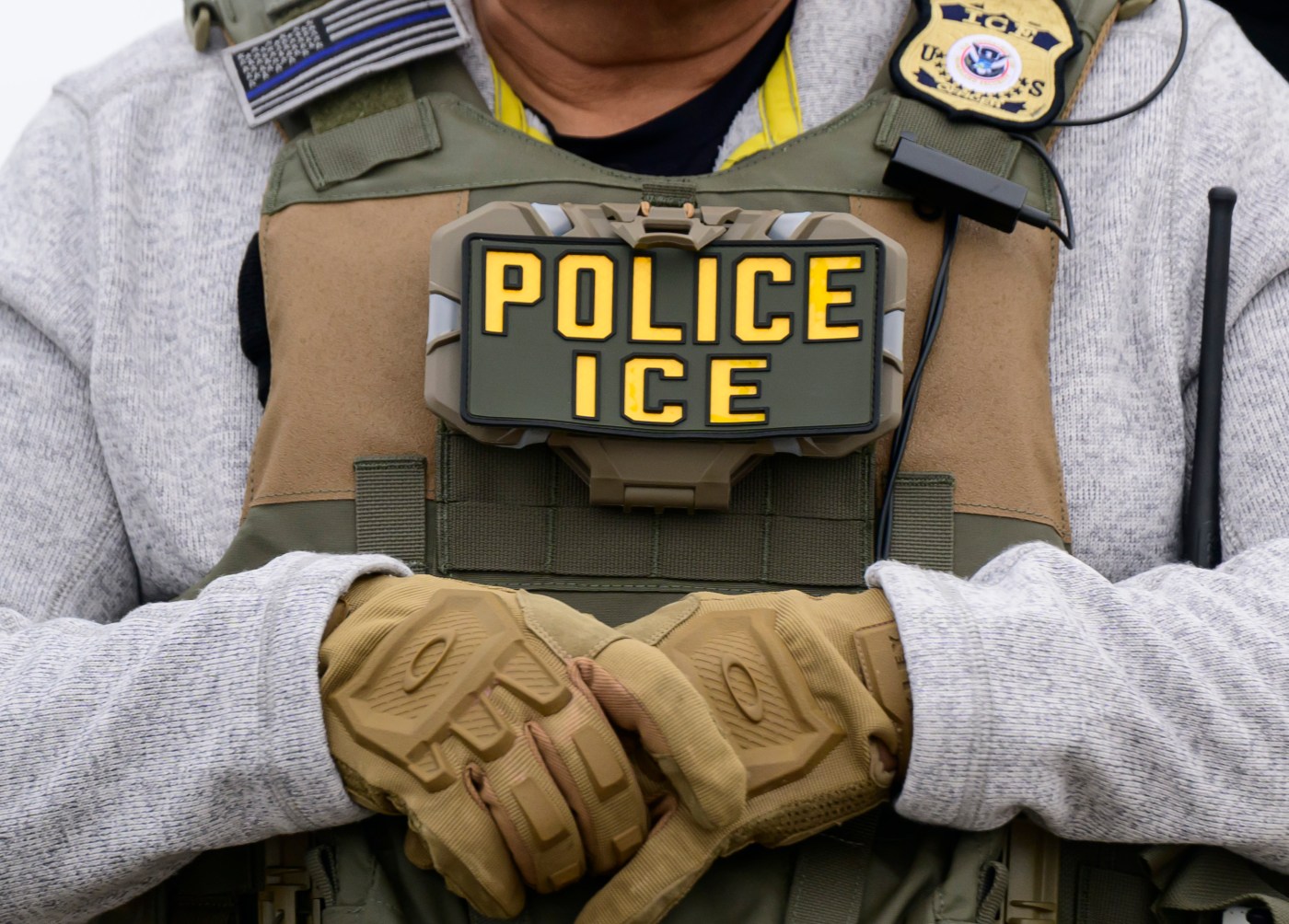
A federal judge in Minneapolis has granted a temporary restraining order intended to prevent federal officers from arresting and detaining lawful refugees in Minnesota who have yet to receive their proof of permanent residency and have not been charged with criminal wrongdoing.
The 32-page order was issued Wednesday in response to a class action lawsuit against the Homeland Security initiative dubbed Operation PARRIS. It called for the immediate release of refugees detained in Minnesota, as well as the release within five days of those transferred to Texas.
“Refugees have a legal right to be in the United States,” wrote Judge John Tunheim, chief judge of the U.S. District Court for Minnesota, “a right to work, a right to live peacefully — and importantly, a right not to be subjected to the terror of being arrested and detained without warrants or cause in their homes or on their way to religious services or to buy groceries.”
“At its best, America serves as a haven of individual liberties in a world too often full of tyranny and cruelty,” Tunheim wrote. “We abandon that ideal when we subject our neighbors to fear and chaos.”
The decision, likely to be appealed by the federal government, was immediately criticized by White House Deputy Chief of Staff Stephen Miller, who posted on the social media platform X: “The judicial sabotage of democracy is unending.”
The U.S. Department of Homeland Security had announced this month it would reevaluate the refugee status of 5,600 people who had applied for but not yet received their Green Cards, which provide proof of lawful permanent residency.
The pipeline cases, according to a Jan. 9 memo from DHS, would be put through “vetting enhancements,” including fresh background checks, re-interviews and merit reviews. Operation PARRIS, or “Post-Admission Refugee Reverification and Integrity Strengthening,” was described in the memo as an offshoot of the federal fraud investigations that got underway last year in Minnesota.
In legal filings, immigrant and human rights advocates have said the initiative has translated into warrantless arrests featuring armed Immigration and Customs Enforcement agents going door to door, surrounding homes or entering with guns drawn.
Detainees are quickly sent to the federal Whipple Building at Fort Snelling, from where many are then flown out-of-state within 24 hours for federal processing in Texas, without access to an attorney. Those who are released end up on the streets of Houston and are not offered a flight home.
During their detention, according to the lawsuit, some refugees were subjected to intense questioning, imprisoned for more than a week and shuffled between facilities in shackles.
Tunheim’s order applies to lawful refugees who “have not been charged with any ground for removal under the Immigration and Nationality Act.” It calls for refugees to be released to legal counsel or a designated representative, and “they shall not be released at the out-of-district location of detention,” and “not left outside in dangerous cold.”
“The refugees impacted by this order are carefully and thoroughly vetted individuals who have been invited into the United States because of persecution in the countries from which they have come,” the judge wrote.
The class action lawsuit was filed by a group of refugees represented by the International Refugee Assistance Project, the law firm of Berger Montague and the Center for Human Rights and Constitutional Law. The Advocates for Human Rights, a Minneapolis-based nonprofit that provides legal representation to refugees in Minnesota, is the organizational plaintiff.
Related Articles
Trump’s border czar suggests a possible drawdown in Minnesota, but only after ‘cooperation’
Sen. Susan Collins announces end to ICE large-scale operations in Maine after talks with Noem
US appeals court says Noem’s decision to end protections for Venezuelans in US was illegal
A shadow network in Minneapolis defies ICE and protects immigrants
Ecuador files protest after ICE agents try to enter consulate in Minneapolis
Leave a Reply