
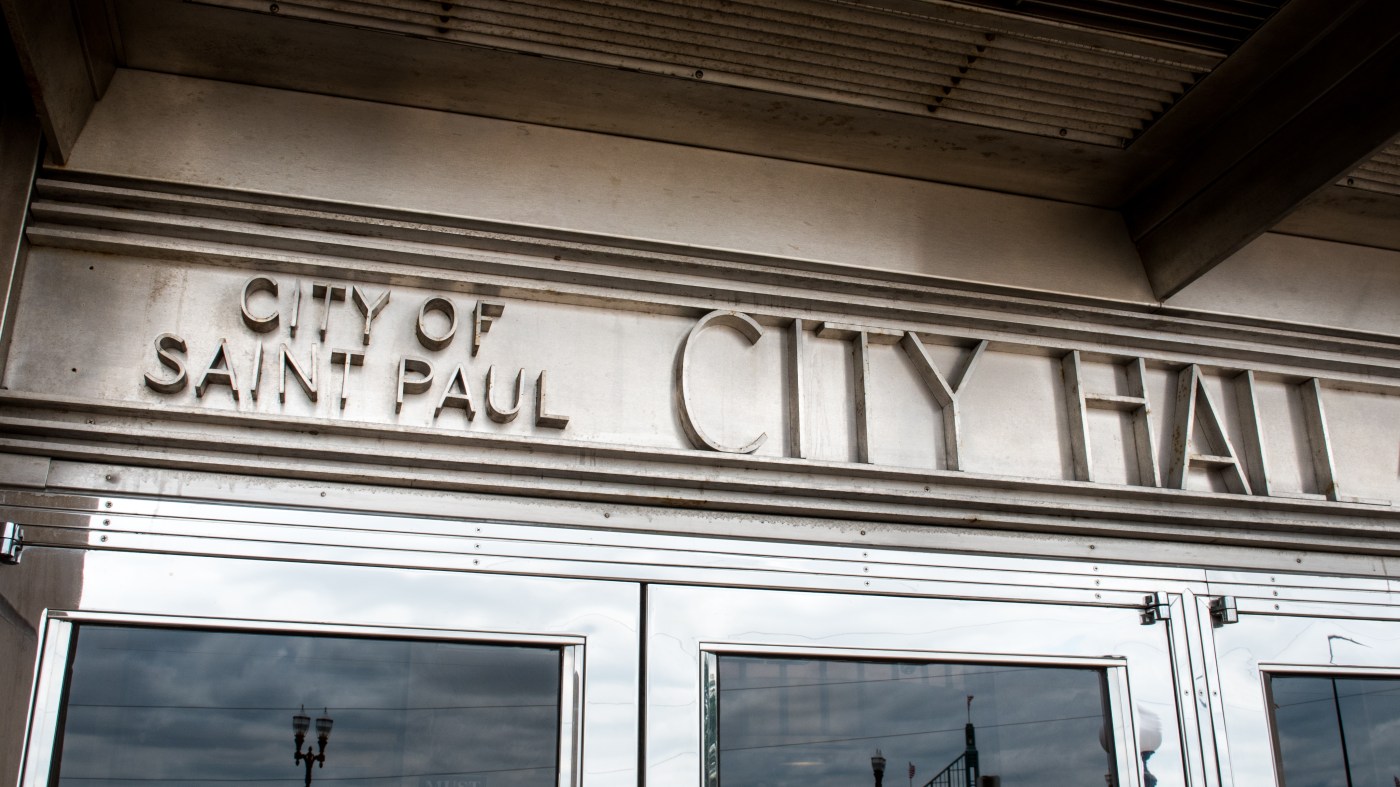
A group of housing advocates is collecting signatures to get a “right to repair” ordinance placed on St. Paul’s November ballot.
The citywide ballot question would ask residents whether they would support a local law that gives landlords 14 days to fix a broken item or schedule a repair after it’s reported to them by a tenant in writing. A similar “right to repair” ordinance was recently approved by voters in Duluth.
“They’ve got to show the effort and demonstrate it,” such as by getting bids from contractors, said Cole Hanson, a member of the Safe Homes St. Paul Committee.
Otherwise, tenants would be allowed to withhold up to 50% of their rent or $500, whichever is greater, and put the money toward replacing a broken appliance or fixing whatever needs to be remedied. Documented repair costs can also be deducted from rent or reimbursed by a landlord.
The primary focus would be on common and “commonsense repairs,” such as pest control, broken appliances, leaky plumbing, drafty windows, broken locks and broken doorframes, mold and growing cracks, advocates say.
“St. Paul and Minnesota state laws have existing protection for tenants regarding emergency repairs that put renters in immediate danger, ex: heat going out in the middle of winter,” reads the St. Paul Right to Repair website. “For non-emergency scenarios, the current systems in place can take months to resolve or require city intervention — we just want to get things fixed and move on.”
Duluth approved similar measure
Duluth voters overwhelmingly approved a “right to repair” ordinance at ballot last November, over the objection of the Duluth City Council, which voted not to support the measure last July. Landlord and business groups argued the ordinance could make rental housing more expensive, and even leave tenants legally liable for poorly executed repairs.
Critics also raised objection that making management of rental housing more complicated would inspire more mom-and-pop landlords to sell off their properties to corporate ownership groups and out-of-state interests, which can be more difficult to negotiate with when tenant concerns arise and more stringent with tenant screening.
The Safe Homes St. Paul Committee is chaired by Taylor Sibthorp, with Hanson, a former Hamline-Midway Coalition board chair, serving as political coordinator and coalition builder. Karl Berg is listed on campaign finance registration documents as treasurer.
Ashland Avenue apartments
Hanson said a leading goal is to improve properties before they suffer major deterioration. He pointed to the example of three small apartment buildings along Ashland Avenue, where “years of neglect added up,” leaving tenants pleading their case to City Hall against rent increases of 28%-50%.
Given the condition of the properties, a divided St. Paul City Council voted 4-3 last September to deny the rent increases, over the landlord’s pleas that the only way to fix them up would be to obtain an exemption from the city’s rent control ordinance and increase rents to pay for improvements.
Related Articles
St. Paul pauses towing of abandoned vehicles during ICE surge
St. Paul: Hmong elder, a U.S. citizen, forced from his home at gunpoint, according to family
MLK Day: In a time of tension, protest in Twin Cities, speakers urge rejection of violence
Hours after ABC News ran a story about Mischief Toy Store, ICE agents arrived at their door
St. Paul Animal Control likely to become ‘Animal Services’
“Really, the only way tenants got remedies was through the rent stabilization process,” Hanson said. “We also think other current remedies are insufficient.” Court-ordered injunctions, for example, are costly and time consuming, he said.
To get their question to ballot, the Safe Homes St. Paul Committee must provide 5,800 valid signatures from St. Paul voters to Ramsey County Elections. The committee aims to collect 8,900 signatures by June 1.
More information is online at safehomessaintpaul.org.
Leave a Reply