
By MICHAEL PHILLIS
WASHINGTON (AP) — The Environmental Protection Agency on Monday said it would propose a drinking water limit for perchlorate, a harmful chemical in rockets and other explosives, but also said doing so wouldn’t significantly benefit public health and that it was acting only because a court ordered it.
The agency said it will seek input on how strict the limit should be for perchlorate, which is particularly dangerous for infants, and require utilities to test. The agency’s move is the latest in a more than decade-long battle over whether to regulate perchlorate. The EPA said that the public benefit of the regulation did not justify its expected cost.
“Due to infrequent perchlorate levels of health concern, the vast majority of the approximately 66,000 water systems that would be subject to the rule will incur substantial administrative and monitoring costs with limited or no corresponding public health benefits as a whole,” the agency wrote in its proposal.
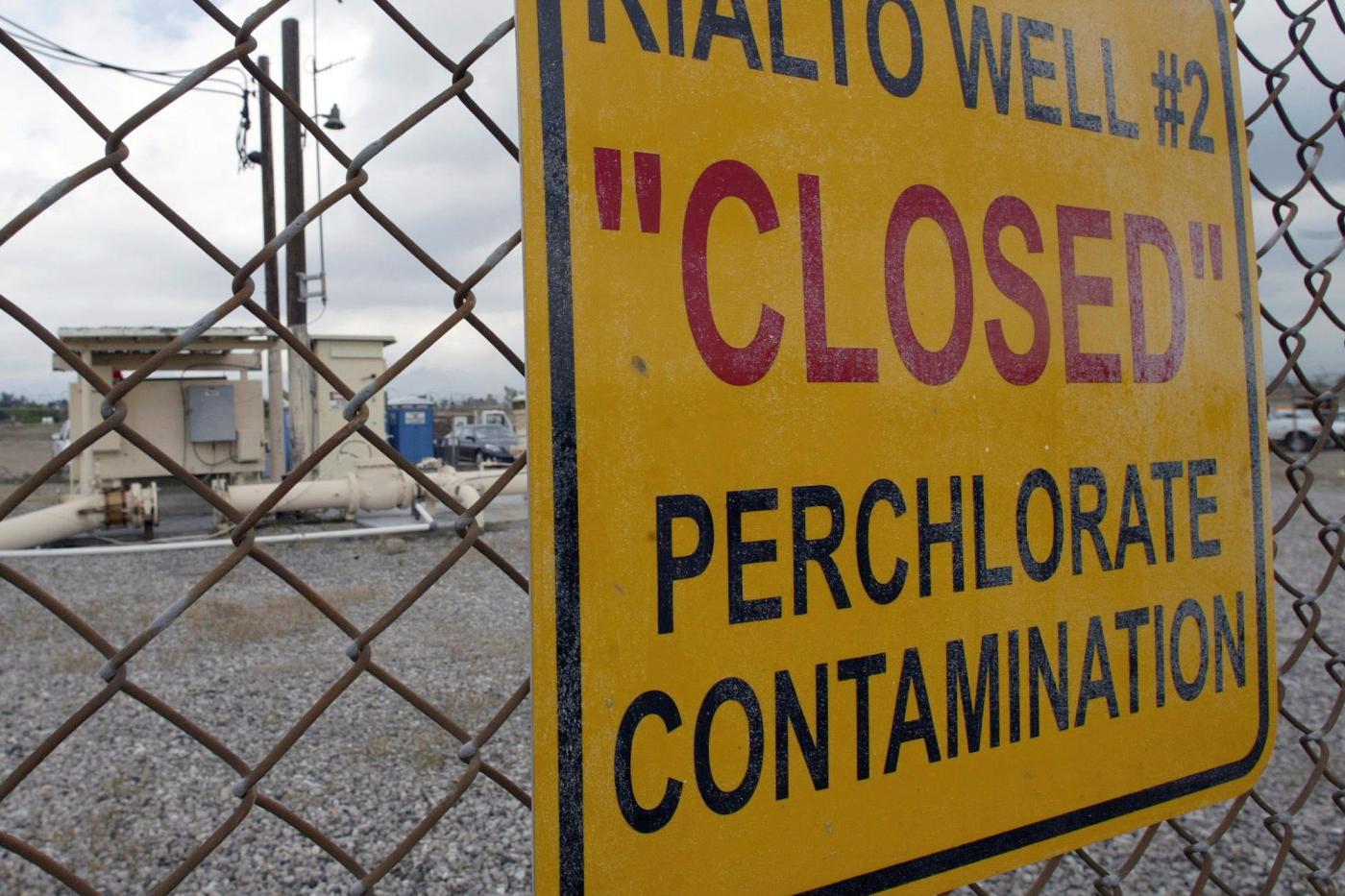
Perchlorate is used to make rockets, fireworks and other explosives, although it can also occur naturally. At some defense, aerospace and manufacturing sites, it seeped into nearby groundwater where it could spread, a problem that has been concentrated in the Southwest and along sections of the East Coast.
Perchlorate is a concern because it affects the function of the thyroid, which can be particularly detrimental for the development of young children, lowering IQ scores and increasing rates of behavioral problems.
Based on estimates that perchlorate could be in the drinking water of roughly 16 million people, the EPA determined in 2011 that it was a sufficient threat to public health that it needed to be regulated. Under the Safe Drinking Water Act, this determination required the EPA to propose and then finalize regulations by strict deadlines, with a proposal due in two years.
It didn’t happen. First, the agency updated the science to better estimate perchlorate’s risks, but that took time. By 2016, the nonprofit Natural Resources Defense Council sued to force action.
During the first Trump administration, the EPA proposed a never-implemented standard that the NRDC said was less restrictive than any state limit and would lead to IQ point loss in children. It reversed itself in 2020, saying no standard was necessary because a new analysis had found the chemical was less dangerous and its appearance in drinking water less common than previously thought.
That’s still the agency’s position. It said Monday that its data shows perchlorate is not widespread in drinking water.
Related Articles
How Trump’s first year reshaped U.S. energy and climate policy
A study is retracted, renewing concerns about the weedkiller Roundup
DNR approves exploratory drilling near Boundary Waters
Christmas is over, but what to do with the tree? These landfill alternatives can also help your garden
Save money, get organized, live better: Common New Year’s resolutions can also cut climate impact
“We anticipate that fewer than one‑tenth of 1% of regulated water systems are likely to find perchlorate above the proposed limits,” the agency said. A limit will help the small number of places with a problem, but burden the vast majority with costs they don’t need, officials said.
The NRDC challenged that reversal and a federal appeals court said the EPA must propose a regulation for perchlorate, arguing that it still is a significant and widespread public health threat. The agency will solicit public comment on limits of 20, 40 and 80 parts per billion, as well as other elements of the proposal.
“Members of the public deserve to know whether there’s rocket fuel in their tap water. We’re pleased to see that, however reluctantly, EPA is moving one step closer to providing the public with that information,” said Sarah Fort, a senior attorney with NRDC.
EPA Administrator Lee Zeldin has sought massive rollbacks of environmental rules and promoted oil and gas development. But on drinking water, the agency’s actions have been more moderate. The agency said it would keep the Biden administration’s strict limits on two of the most common types of harmful “forever chemicals” in drinking water, while giving utilities more time to comply, and would scrap limits on other types of PFAS.
The Associated Press receives support from the Walton Family Foundation for coverage of water and environmental policy. The AP is solely responsible for all content. For all of AP’s environmental coverage, visit https://apnews.com/hub/climate-and-environment
Leave a Reply