
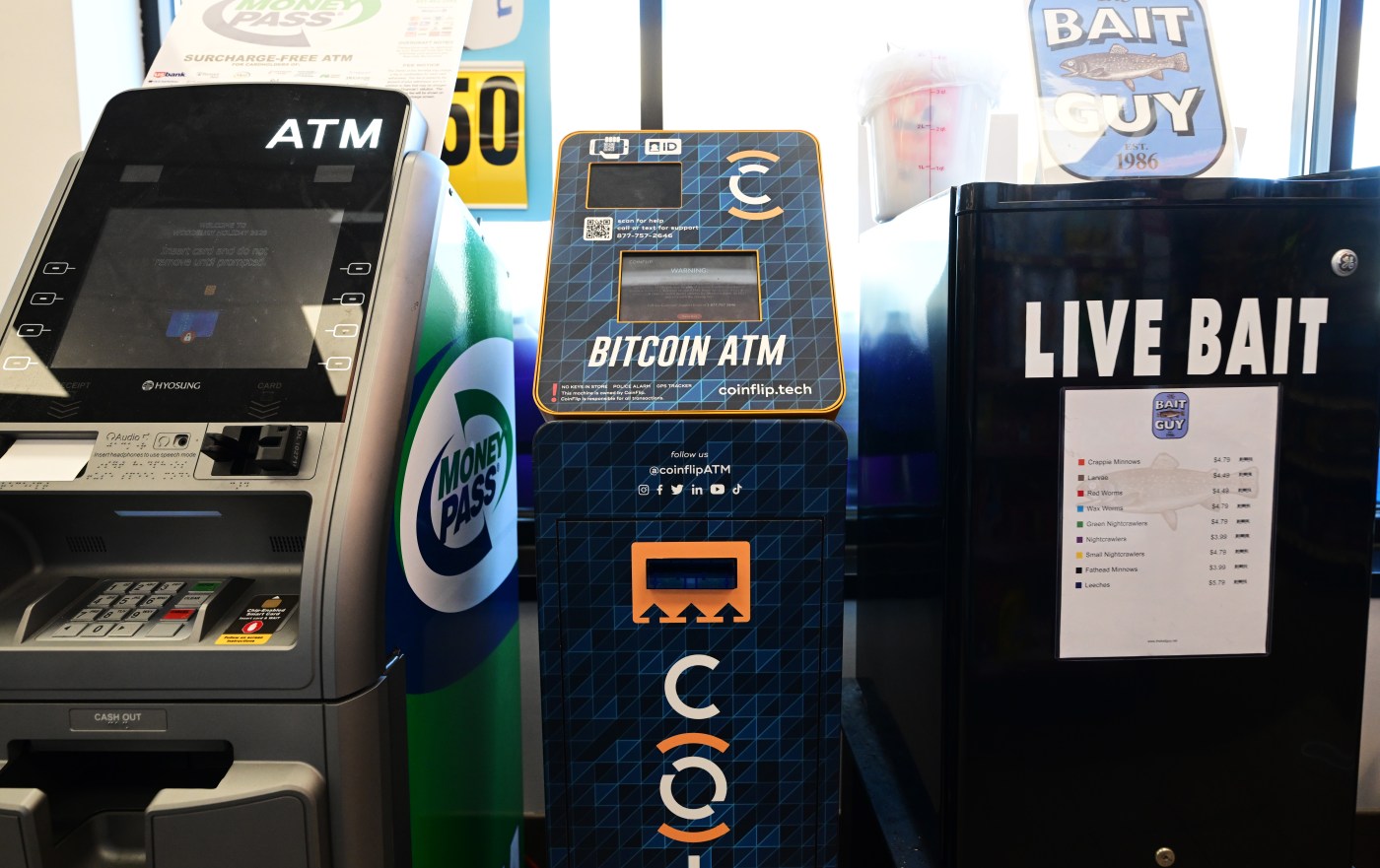
Bitcoin Depot operates the largest network of Bitcoin ATMs in the world, and it guards its territories zealously. Case in point: a new lawsuit filed against the city of St. Paul for banning all crypto-currency ATMs within the city limits.
The 11-page lawsuit, filed Dec. 22 in Ramsey County District Court, seeks a declaratory judgment and permanent injunction against the city, with the goal of upending the ordinance approved by the St. Paul City Council in November. Pointing to state licensing regulations that it claims trump local ordinances, Bitcoin Depot filed a similar lawsuit against the city of Stillwater in Washington County District Court last September. It amended that complaint last Friday.
The industry-specific ATMs allow users to deposit cash into cryptocurrency accounts and convert their money to Bitcoin, a kind of virtual non-government currency, using a serial number. Crypto-currency ATMs have been linked to at least 51 scam reports statewide, amounting to $700,000 in losses in Minnesota alone, prompting a new statewide investigation by the Minnesota Attorney General’s office.
Bitcoin, the world’s first crypto-currency, was created in 2009, but municipal officials allege the ATMs charge such high mark-ups on conversions — as much as 20% to 30% or more — that they’re mostly used by fraudsters preying on seniors and other vulnerable customers unfamiliar with the industry.
State licensing trumps local bans?
Leading up to the St. Paul City Council’s November vote to ban the machines outright, St. Paul Police found at least 32 crypto-currency ATMS within the city limits, mostly in convenience stores and small grocers.
In its lawsuit, Bitcoin Depot notes it operates approximately 8,400 virtual currency kiosks and ATMs nationwide, including 111 in Minnesota, and offers a cashier-based check-out service called “BDCheckout” at 589 partner retailers throughout the state.
The company said it possesses a Minnesota money transmission license issued by the state Department of Commerce, which it claims should overrule any local ordinances created by individual municipalities. The state Legislature repealed and re-enacted the Minnesota Money Transmission Act in 2023, rewriting regulations around the storage and transmission of money based on a “uniform model act” developed by a trade association of money transmitters known as the Conference of State Bank Supervisors.
The new state regulations streamline licensure of money transmitters at the state level, while establishing that a person may not engage in a virtual-currency business unless licensed by the Minnesota Department of Commerce. The state Legislature added additional regulations specific to crypto-currency ATMS in 2024, requiring on-screen disclosures about risks and responsibilities, a refund of any transaction involving a new customer within 72 hours, and a maximum daily transaction limit of $2,000 for each customer.
Related Articles
Bicyclist, 26, dies after he’s struck by driver in St. Paul
Ten years after a new firm was created to save Sears, only five stores remain
St. Paul firefighter who died days after academy graduation remembered for ‘all in’ mentality
Why doesn’t St. Paul call snow emergencies sooner?
John Mannillo: Some friendly advice for St. Paul’s new mayor
The lawsuit states: “Department of Commerce guidance reflects the viewpoint that the operator of a virtual currency kiosk must obtain a license from the Department, but, upon qualifying for and obtaining its license, the operator is entitled to conduct business in Minnesota.”
St. Paul has yet to file a response to the lawsuit. Stillwater, which banned crypto-currency ATMs in April, filed a proposed order in early December indicating it would respond to the Bitcoin Depot lawsuit within 10 days of the updated and amended complaint, which was filed Dec. 26.
Leave a Reply