
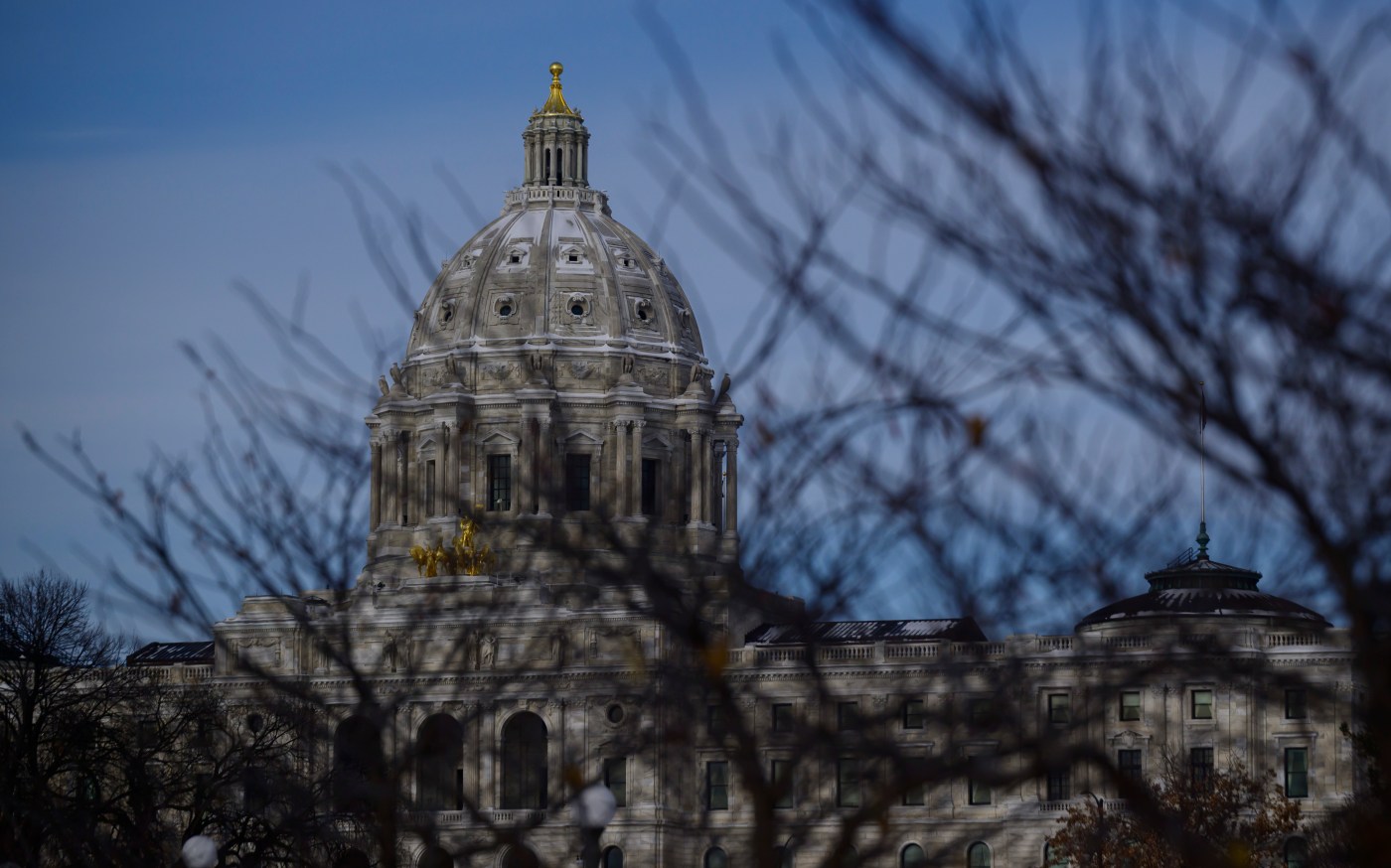
Minnesota laws and policy changes taking effect Jan. 1 will create new work break requirements, end a long-standing hunting restriction and end state-funded health insurance for adults without legal immigration status.
Perhaps the most impactful change will be the launch of the state’s paid family and medical leave program. Minnesota is the 13th state to create such a benefit, which will apply to almost all workers in the state.
Here’s a look at what will become law at the start of the new year:
Paid Family and Medical Leave
At long last, Minnesota’s Paid Family and Medical Leave program will be active starting Jan. 1.
Most Minnesota employers will be required to provide employees with 12 weeks of family leave and 12 weeks of medical leave. Annual time off will be capped at 20 weeks.
It’ll be funded by a new 0.88% payroll tax, split between employers and employees.
State officials estimate nearly 132,000 people will apply for the benefit in the first year, and that the state will collect around $1.6 billion to fund it.
The dollar amount workers will qualify for under paid leave will depend on their wages.
Someone who earns less than 50% of the state’s average weekly wage, according to the state Labor Department, would get 90% of their normal pay.
A worker earning more than 50% of the state’s average weekly wage would get 66%. Those earning double the weekly average pay would receive 55% of their regular wage.
A person earning Minnesota’s annual average salary of $71,300 would get $1,076 a week in leave program payments. DEED’s website has calculators that provide estimates of premiums and weekly payments.
Federal government and railroad employees are not covered.
Health coverage for undocumented immigrants
As part of a budget deal reached between Democratic-Farmer-Labor and Republican lawmakers in the narrowly divided Legislature this year, state-funded health insurance coverage for adult immigrants in the U.S. illegally will end next week after just one year.
As of May, more than 20,000 undocumented immigrants had enrolled in MinnesotaCare. New enrollments for adults stopped after the Legislature ended eligibility on June 15.
Around 17,000 people will lose state health insurance in 2026 under the budget passed earlier this year. Undocumented children still will be eligible.
Republicans, who have the same number of House members as the DFL, said they were concerned the expense of the expanded benefit could reach $600 million — three times what DFLers appropriated for it when they had control of state government in 2023.
DFLers said that figure was exaggerated and decried the move as cruel, but it ultimately passed with narrow margins as part of a deal to avert a government shutdown.
Minnesota’s Emergency Medical Assistance Program remains available to people who don’t qualify for state Medical Assistance due to their immigration status.
Break requirements and minimum wage
Minnesota already requires employers to provide hourly workers with lunch and rest breaks depending on their schedules, but those rules will become more specific in the new year.
Rest breaks after four hours of work had to be “adequate time” under the previous statute, but now they must be 15 minutes or “enough time to utilize the nearest convenient restroom, whichever is longer.”
The same goes for lunch breaks. An employee who works for six hours soon must receive a 30-minute meal break rather than “sufficient time to eat.”
Minnesota’s minimum wage also gets an annual inflation adjustment, to $11.41, an increase of 2.5%.
End of ‘shotgun-only’ hunting zone
Since 1942, hunters in the southern parts of Minnesota have been prohibited from shooting large game with rifles, and instead had to use slugs from shotguns, muzzle loaders and handguns.
A bill that passed during the June special session ends that restriction. Counties may pass ordinances to restrict the use of rifles — but only if they are in the previously existing shotgun zone.
Supporters of the change, including the National Rifle Association, argued it was an antiquated rule from a time when the state was attempting to increase its deer population. Backers also said there’s little evidence the shotgun-only rule had any positive safety effect.
Protecting vulnerable adults from exploitation
In 2026, a person concerned that a vulnerable adult is falling victim to a scam or financial exploitation can petition for a protective court order.
If there is evidence of exploitation, a judge will be able to prohibit a person from making contact with a vulnerable adult, or even freeze a vulnerable adult’s assets and credit line. A petitioner must demonstrate the risk of serious harm to the vulnerable adult.
Absentee ballots
In a recent briefing on upcoming changes to state laws, House Public Information Services noted a few changes to state election statutes taking effect next year.
Online applications for absentee ballots will require a Minnesota identification card number and the last four digits of the applicant’s Social Security number — unless applicants certify they do not have one.
Candidates filing to run for office will provide a phonetic spelling or pronunciation of their name to election officials. They’ll also have to report their own campaign contributions to the Campaign Finance and Public Disclosure Board the next business day when they reach contribution limits.
Boat fees
Annual watercraft surcharges funding efforts to prevent the spread of invasive species are set to increase in 2026 from $10.60 to anywhere between $14 and $62, according to House Public Information Services.
The surcharge will now depend on the size, type and use of the boat. Nonprofits with boats for water-safety instruction would pay the minimum rate. Canoes, kayaks and sailboats have a $25 fee. Sailboats over 19 feet are classified as pleasurecraft and are subject to a higher surcharge. Pleasurecraft 40 feet or longer would pay the full rate of $62.
These changes come after a new safety-training requirement for boaters came into effect earlier in 2025. Boaters between the ages of 12 and 21 now have to take a $34.95 course offered by the Department of Natural Resources for a safety-training permit that does not need to be renewed. By 2028, everyone born after 1987 will have to take the class.
New in 2025
Many of the new laws enacted by the Legislature in 2025 took effect earlier this year. On July 1, the base recreational cannabis tax increased from 10% to 15%, on top of the regular sales tax rate of 6.875%.
The state also legalized lane splitting for motorcycles, required adults to pay minors for online content creation profits, and required ticketed entertainment events with 100 or more people in attendance to provide free water.
Related Articles
Minnesota’s new emergency operations center in Blaine built to withstand storms, power outages
St. Paul lawmaker says someone attempted to break into his home
Letters: If we can sue automakers for car theft, whom should we sue for Minnesota fraud?
Gov. Tim Walz, DHS say they don’t have evidence to suggest fraud could reach $9 billion
Former Minnesota GOP chair joins U.S. Senate race
Leave a Reply