
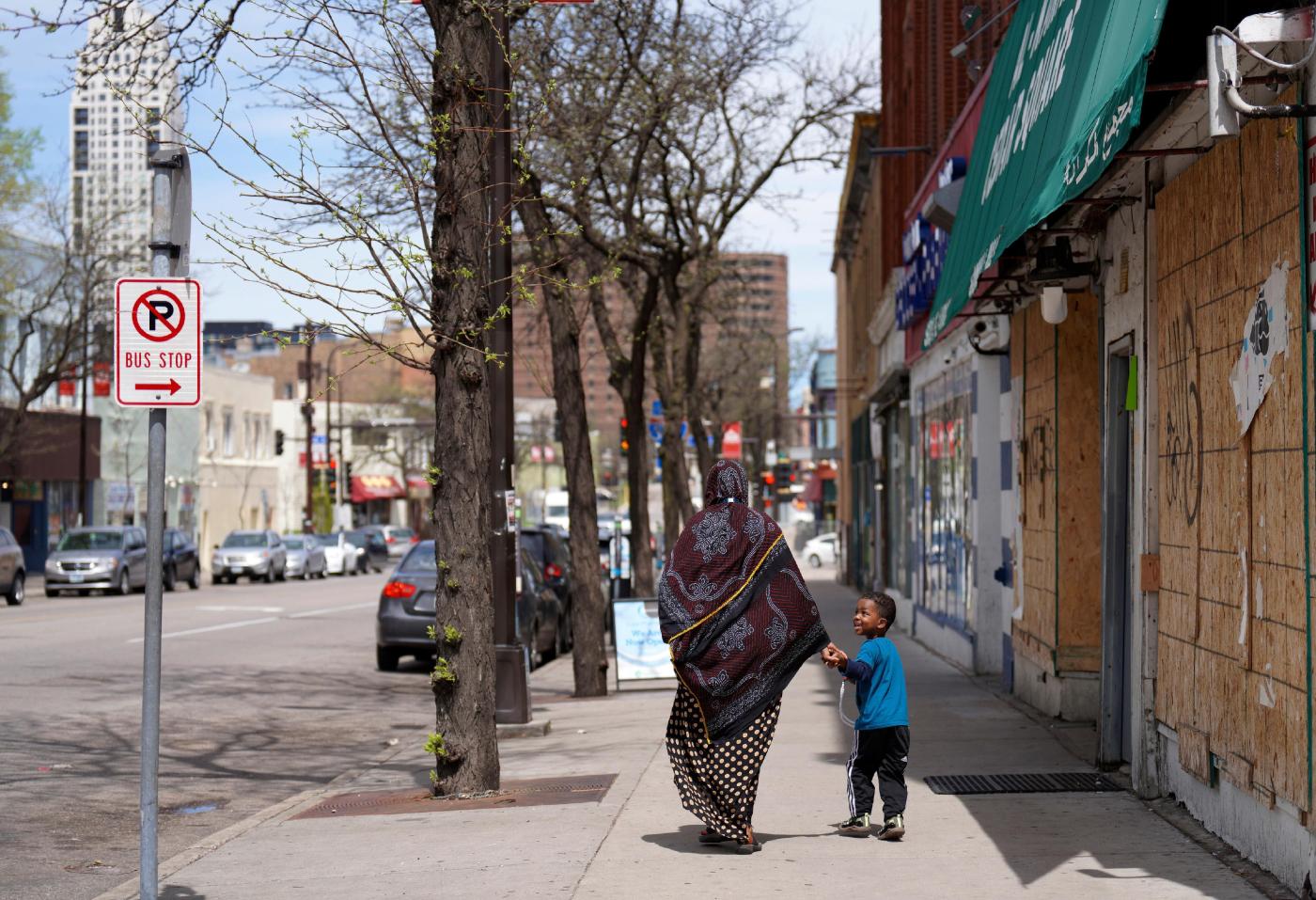
In 2015, I penned an article for the Pioneer Press titled, “Somalis are resilient Americans, not terrorists.” At the time, Minnesota’s Somali community was facing a wave of politically motivated rhetoric that cast them as terrorists and called for their deportation. Despite significant changes over the past decade, divisive and racially motivated attacks against minority communities persist, particularly against immigrant communities.
Minnesota is home to the largest Somali population in the United States, with over 100,000 Somali Minnesotans across the state. Notably, data from Minnesota Compass indicates that 47% of Somali Minnesotans are under 18, compared with 23% of the overall Minnesota population, making Somali Minnesotans one of the youngest and fastest-growing communities in Minnesota’s demographic landscape. With Minnesota facing a shrinking workforce and aging demographics, Somali Minnesotans have emerged as a vital force, driving long-term economic vitality, and promising a bright future for all.
Economically, Somali Minnesotans play a vital role in the state’s prosperity. Minnesota Compass data indicate 70% of Somali adults are employed, contributing significantly to essential industries such as health care, transportation, production, retail and manufacturing. These sectors were instrumental in maintaining Minnesota’s operations during the pandemic and continue to support its recovery. Concurrently, Somali entrepreneurship has experienced substantial growth. At present, over 3,000 East African businesses, predominantly Somali-owned, operate in Minnesota, revitalizing commercial corridors in Minneapolis, St. Paul, and the surrounding suburbs. They have created employment opportunities and transformed previously struggling neighborhoods into vibrant cultural and economic hubs.
Educational advancement among the Somali community reflects a narrative of both challenges and upward mobility. Many first-generation Somali adults arrived in the United States with disrupted educational backgrounds due to war and displacement. However, the second generation is swiftly bridging this educational gap. Somali students are exhibiting improved graduation rates, enhanced academic performance, and increased enrollment in higher education institutions. The commitment Somali parents place on education remains one of the community’s most powerful forces for change.
Civic participation presents a compelling story of transformation. Approximately a generation ago, voter turnout among Somali Minnesotans lagged behind the state average. Through dedicated grassroots mobilization, civic education initiatives, and successful integration into political discourse, the community has fostered a culture of democratic engagement. Somali Minnesotans currently demonstrate one of the state’s highest voting rates, influencing outcomes in municipal, state and federal elections.
Somali Minnesotans are significantly shaping democracy, as seen in Ilhan Omar’s election to Congress, Omar Fateh becoming Minnesota’s first Somali American state senator, and Nadia Mohamed’s historic role as the first Black mayor of St. Louis Park. In various state representative, city council, school board, and state leadership positions, Somali Minnesotans have progressed beyond mere participation in the democratic process, actively influencing its direction and development.
Despite facing significant challenges and genuine obstacles, the Somali community in Minnesota has made notable strides in integration and is outperforming many of its peers. The assertions made by President Trump and his MAGA base lack factual basis. As I argued in my 2015 commentary, resilience is at the core of Somali identity, born from conflict but transformed into civic participation, entrepreneurship and opportunities here in Minnesota. This observation remains increasingly relevant today: Somalis are resilient Americans. They are students, workers, business owners, public servants and taxpayers. They are neighbors, parents, innovators and elected leaders. They are Minnesotans.
Minnesota has long been defined by its ability to welcome newcomers and allow them to thrive. Somali Minnesotans are carrying that legacy forward, rebuilding neighborhoods, reinvigorating civic life, and enriching the state’s cultural and economic landscape. They are not on the margins of Minnesota’s story. They are essential to it.
Abdirashid Ahmed of Maplewood is a former City of Minneapolis employee and a public policy practitioner with extensive experience across Minnesota’s public assistance systems. He has worked with public assistance programs in Ramsey, Hennepin, and Dakota counties. He holds a master’s degree from the Humphrey School of Public Affairs at the University of Minnesota.
Related Articles
Your Money: Resolution: New year, no (bad) debt
Real World Economics: Banking, investment are great but need regulation
One last cast: Brad Dokken reflects on nearly 30 years of covering the outdoors
Skywatch: Season’s greetings
Joe Soucheray: Ho, ho, ho, merry TIFness!
Leave a Reply