
By MATTHEW DALY, Associated Press
WASHINGTON (AP) — The House approved legislation Thursday aimed at speeding up permitting reviews for new energy and infrastructure projects and limiting judicial review.
The bill, dubbed the SPEED Act, would enact the most significant change in decades to the National Environmental Policy Act, a bedrock environmental law that requires federal agencies to consider a project’s possible environmental impacts before it is approved.
The bill was approved, 221-196, and now goes to the Senate.
Related Articles
Trump signs executive order that would reclassify marijuana as a less dangerous drug
Trump’s handpicked board votes to rename Washington performing arts center the Trump-Kennedy Center
Democrats keep 2024 election review under wraps, saying a public rehash won’t help them win in 2026
House Democrats release more photos from Epstein’s estate
Rubio hits 2 more International Criminal Court judges with sanctions over Israel prosecutions
Republicans and many Democrats believe the 55-year-old law has become mired in red tape that routinely results in years-long delays for major projects. The law requires detailed analysis for major projects and allows for public comments before approvals are issued. A recent study found that environmental reviews total hundreds of pages and take nearly five years to complete.
The House bill would place statutory limits on environmental reviews, broaden the scope of actions that don’t require review and set clear deadlines. It also limits who can bring legal challenges and legal remedies that courts can impose.
“The SPEED Act is a focused, bipartisan effort to restore common sense and accountability to federal permitting,” said Rep. Bruce Westerman, R-Arkansas, the bill’s chief sponsor.
While NEPA was passed “with the best of intentions,” it has become unwieldly in the decades since, said Westerman, who chairs the House Natural Resources Committee and has long pushed for permitting reform.
“Unfortunately, what was meant to facilitate responsible development has been twisted into a bureaucratic bottleneck that delays investments in the infrastructure and technologies that make our country run,” Westerman said Thursday on the House floor.
Democrats agreed that the permitting process has become unwieldy, but said the House bill does not address the real causes of delay and undercuts public input and participation while overly restricting judicial review.
“The SPEED Act treats environmental reviews as a nuisance rather than a tool to prevent costly, harmful mistakes,” said California Rep. Jared Huffman, the top Democrat on the Natural Resources panel.
“Weakening environmental review won’t fix permitting challenges (and) won’t help us build the clean energy future that we need,” Huffman said. “Gutting NEPA only invites more risk, more mistakes, more litigation, more damage to communities that already face too many environmental burdens.”
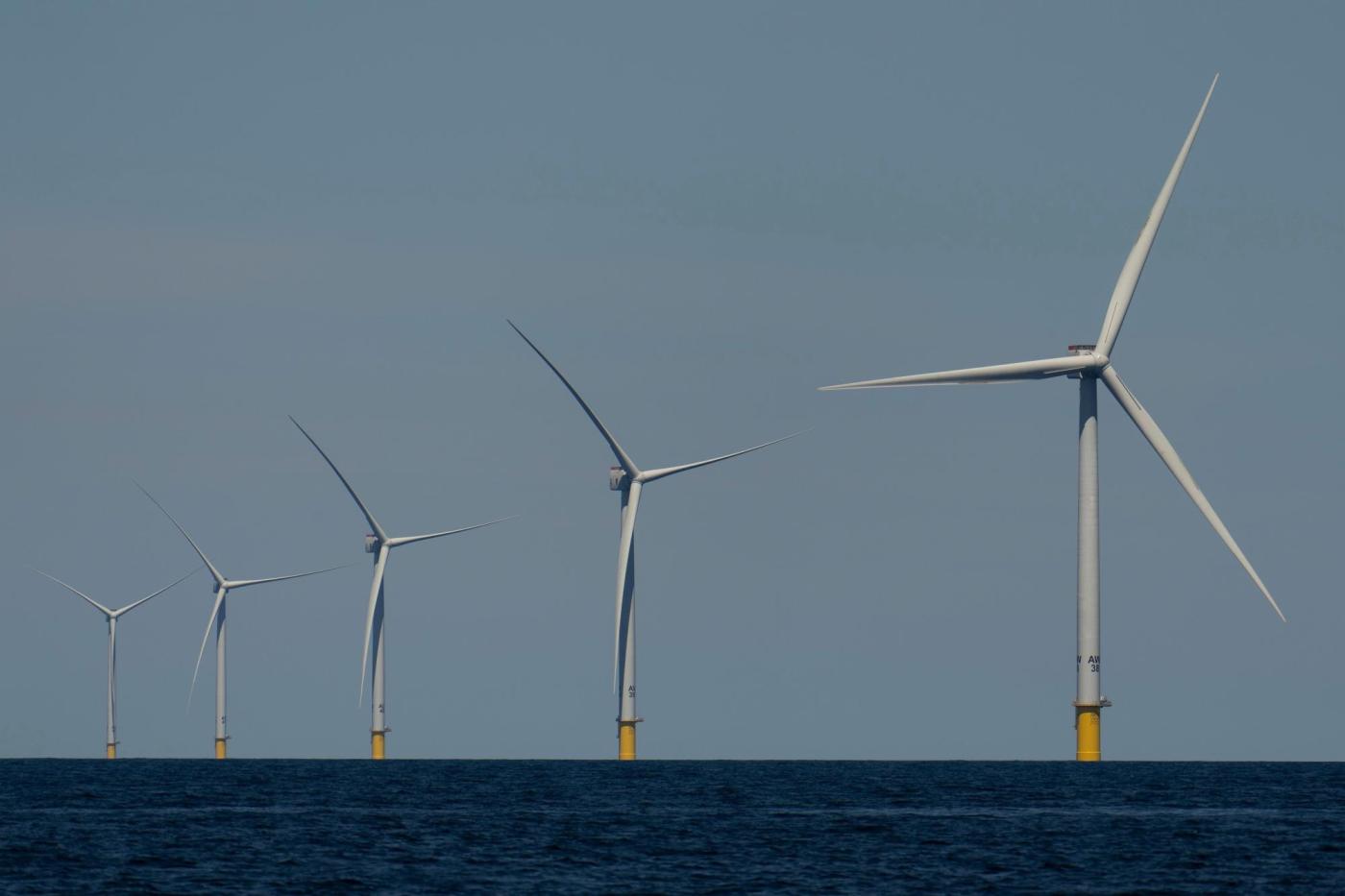
Huffman and other Democrats also complained that the bill could harm wind and solar projects that are being shut down by the Trump administration. A last-minute change this week allows the administration to continue to block some offshore wind projects, bending to demands by conservatives who oppose offshore wind.
The American Clean Power Association, which represents wind developers, pulled its support for the bill because of the changes, which were demanded by Republican Reps. Andy Harris of Maryland and Jeff Van Drew of New Jersey.
The GOP amendment “fundamentally changed legislation that represented genuine bipartisan progress on permitting reform,” said Jason Grumet, the group’s CEO. “It’s disappointing that a partisan amendment …. has now jeopardized that progress, turning what should have been a win for American energy into another missed opportunity.”
Harris, who chairs the conservative House Freedom Caucus, defended the change, which he said “will protect legal actions the Trump administration has taken thus far to combat the Biden offshore wind agenda,” including a project in Maryland that the administration has moved to block.
Westerman called the change minor and said that without it, “we probably would not have gotten permitting reform done.”
Rep. Jared Golden, D-Maine, the bill’s co-sponsor, said lawmakers from both parties have long agreed that “America’s broken permitting system is delaying investments in the basics we need — energy, transportation and housing.
Support for the measure “gives me hope that Congress is finally ready to take the win” on permitting reform, Golden said.
House approval of the permitting measure shifts focus to the Senate, where a broader deal that includes changes to the Clean Water Act to facilitate pipeline projects and transmission lines is being considered.
Democrats, including Sens. Martin Heinrich of New Mexico and Sheldon Whitehouse of Rhode Island, also are pursuing legislation to make it harder for Trump to cancel permits for clean-energy projects.
Leave a Reply