
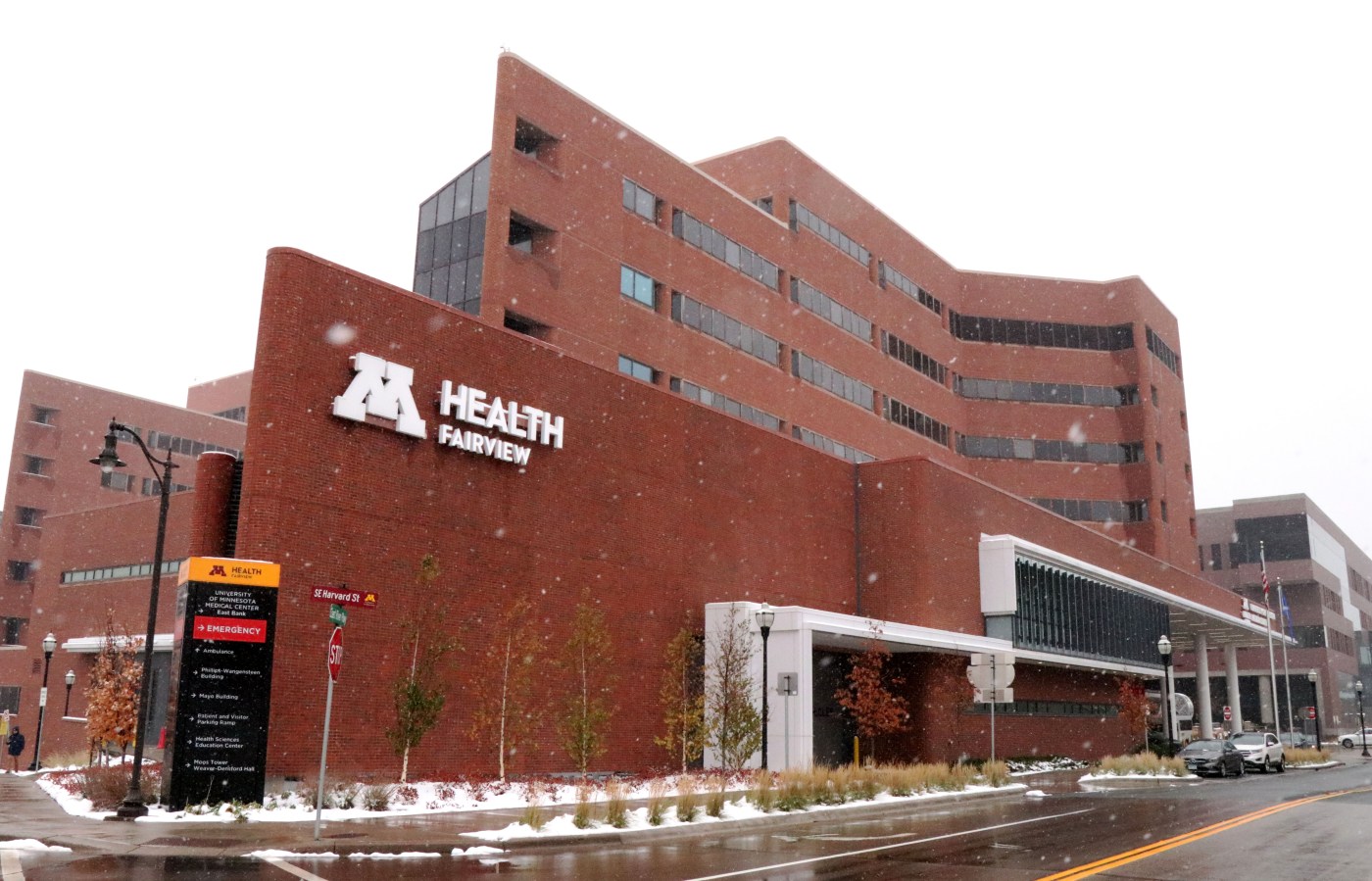
As a former chair of the University of Minnesota Board of Regents, I am discouraged to see Fairview and M Physicians (UMP) attempting to strike a deal that so clearly weakens long-term health education, research and access in Minnesota.
I believe many aspects of this proposed agreement, from the scant details available publicly, will negatively affect Minnesota’s healthcare landscape for years to come.
First, their proposed funding model will slash investment to an already underfunded Medical School by at least 50%.
Also, it is highly unlikely that any of the proposed “incentive” income will materialize. Similarly, the privatization of UMP will also jeopardize the Medical School’s ability to attract additional State of Minnesota funding, including for a needed new hospital that Fairview cannot finance privately given the condition of its balance sheet.
A lack of investment could drive up Medical School tuition, hamper the recruitment and retention of high-quality students and teaching physicians, diminish life-saving research, and halt the advancement of new technology.
Second, the deal assigns Fairview power over how physicians dedicate their time.
As a result, Fairview could compel physicians to focus more time on clinical practice in service of Fairview’s challenged bottom line — leaving less time (or no time) for teaching and research. The clinical care provided by M Physicians is a huge financial driver for Fairview — both in terms of total revenue and gross margins — and nothing would prevent Fairview from prioritizing that revenue over the University’s critical public-service priorities.
If physicians are forced to prioritize clinical time over teaching, mentorship and research, the innovative and supportive environment that gave rise to the next generation of health leaders and breakthroughs like open-heart surgery, implantable pacemakers, cell therapy for cancer and bone marrow transplants will be at risk.
Instead, the ‘All Minnesota’ plan
President Cunningham’s “All Minnesota” plan, developed in partnership with statewide providers, is the better path. It is a forward-thinking plan that ends the status quo, addresses critical workforce demands, and anticipates the impending number of forced mergers in the healthcare delivery system.
One, it will bring a larger investment to Minnesota healthcare.
The University has already pledged $1 billion over five years, twice as much as Fairview has proposed. Currently, nearly 70% of the state’s physicians and other health professionals train at the University of Minnesota. This plan will lead to more graduates, grads who are more likely to live and work throughout Minnesota, especially in rural communities.
Two, it greatly improves access to all of the University of Minnesota’s academic health programs in all corners of the state — including dentistry, nursing, pharmacy, public health, and veterinary medicine. Patients across multiple providers could seamlessly tap into the University and benefit from the latest medical research as well as clinical trials.
Related Articles
Real World Economics: A reminder on what the Fed rate cut really is
Skywatch: The tiny Christmas tree challenge
Joe Spencer: St. Paul’s budget signals bold push for a stronger downtown
Tom Horner: Minnesota can win with AI. Consider these 3 lessons from mining.
Real World Economics: Making the case for bank regulations
Three, it will create a necessary size and breadth of a healthcare enterprise that can withstand the incredible current and cascading financial pressures facing the industry.
Fairview publicly stated they cannot support academic health for the state. If they can’t afford to fairly support it, then they must allow other partners to share in the mission. Unlike Fairview’s largely urban model, the University of Minnesota has statewide land-grant obligations — and frankly a big vision — for delivery of integrated health education, research and patient care. Minnesotans deserve the best possible outcome and the University stands ready to deliver.
Regent Emeritus Richard B. Beeson served on the University of Minnesota Board of Regents from 2009 to 2021 and as board chair from 2013 to 2015. He was also a president of Sunrise Banks in St. Paul for 20 years, chair of the Saint Paul Area Chamber of Commerce and active on other volunteer boards and committees.
Leave a Reply