
One of Minnesota’s oldest industries, mining, provides important lessons for the state’s success in capturing the economic opportunities of artificial intelligence. Three lessons are especially important.
Add value
First, raw materials create immediate wealth, but sustainable prosperity is in value-added processes. Minnesota’s Iron Range produced the material for the steel that built the 20th Century and is just as vital today. But Minnesota didn’t just ship away its minerals. It also exported wealth by allowing other states and countries to dominate the value-added processing and manufacturing.
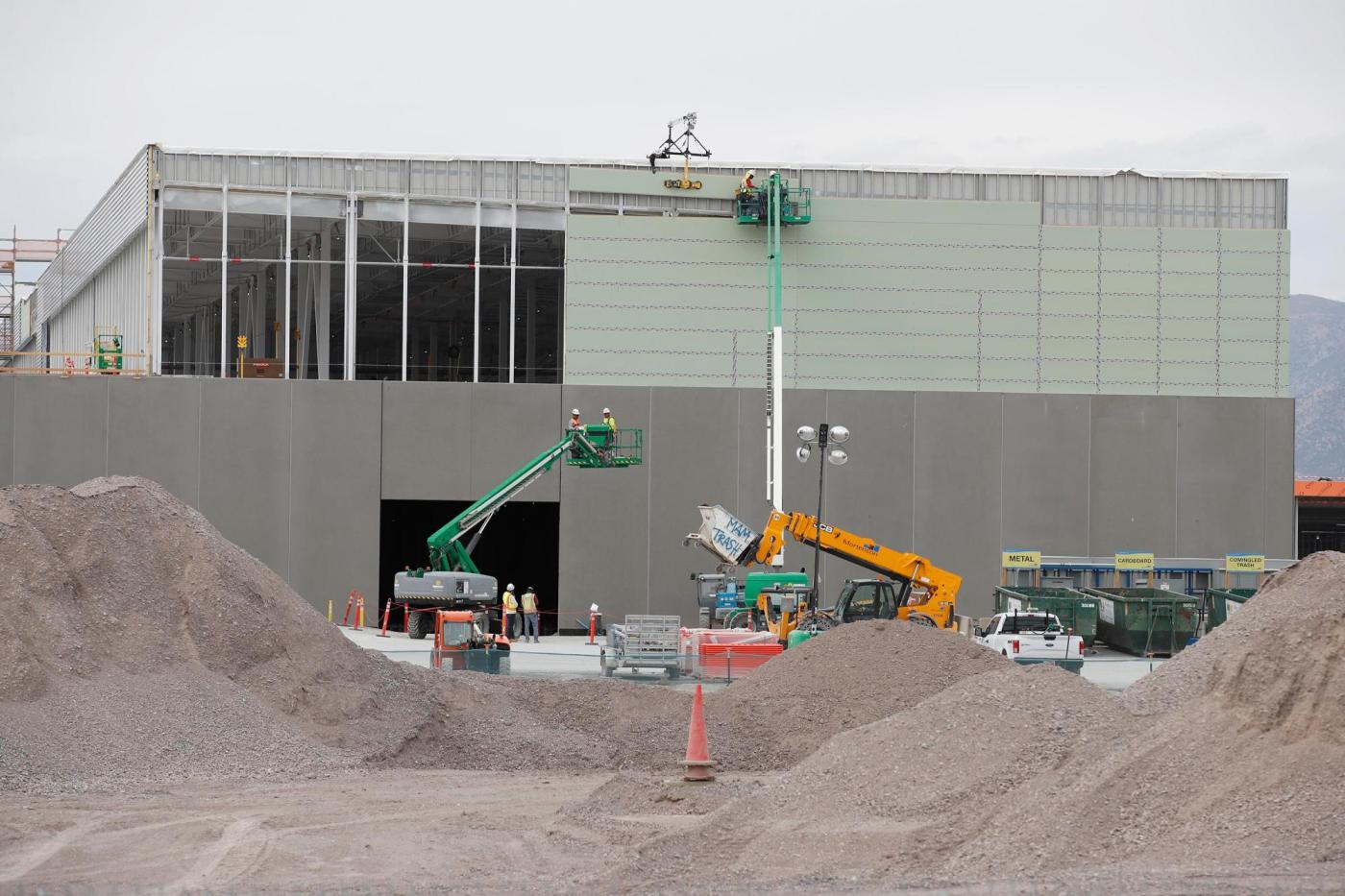
Today, AI data centers are proposed for communities throughout Minnesota. These centers are the “mines” of AI, exploiting the raw technology of the advanced chips. The centers generate revenue, but sustainable wealth is in the commercial applications of AI.
Minnesota is well-positioned to exploit the potential for value-added wealth. The state already has a strong foothold in AI research and development, advancing new uses for AI chips and improving manufacturing processes.
In addition, the state is home to the kind of industries that are among the early adopters of advanced AI. The state’s life sciences sector, for example, includes more than 7,000 companies employing 326,000 workers. Many of these are well-paying jobs in areas like medical devices, biotech and health IT. Mayo Clinic and other health leaders are well-along in adapting AI to better serve patients and customers.
Sustainable wealth, including new companies and good jobs, is in value-added applications.
Don’t protect, compete!
Second, Minnesota is not an island. In today’s economy ideas and capital move quickly around the world. Those that adapt to the global exchange of financing and expertise will be tomorrow’s job creators.
Staying competitive in a global marketplace has spurred innovation on the Iron Range. Seems something as basic as a mineral extracted from the ground wouldn’t be ripe for cutting-edge creativity. Yet, the iron ore of a century ago gave way to taconite in the mid-20th Century to a more environmentally friendly and purer iron-ore pellet today. This new pellet is essential to modern steelmaking and keeps the Iron Range viable in domestic and foreign steelmaking.
Maintaining a global market for AI chips also is essential to keeping U.S. manufacturers in the forefront of innovation and sophistication. Some policymakers have argued for export barriers and other restrictions on AI technology. A bill pending in Congress would give U.S. customers the “right of first refusal” before AI chips could be exported, according to the legislation’s lead sponsor Sen. Jim Banks (R-IN). In practice, the GAIN AI Act — Guaranteeing Access and Innovation for National Artificial Intelligence — would create a slow and ponderous process for all sales.
The GAIN AI Act and other protectionist policies undermine our incentives to stay on the cutting edge of technology. Protectionism preserves complacency; competition encourages the innovation needed to maintain leadership. U.S. manufacturers are able to compete with the world’s best. Imposing artificial barriers on the sale of AI chips is a concession by some policymakers that U.S. companies can’t compete on a level playing field. That’s not just an admission of defeat. It is a path to a self-fulfilling prophecy.
Smart science, effective policy, supportive Minnesotans
The third lesson from the Iron Range is that success takes a village, or in this case, an entire state. The Iron Range has survived the region’s boom and bust cycles with smart science, effective policy and supportive Minnesotans. When natural ore was depleted, researchers at the University of Minnesota developed new methods to mine and process taconite, a low-grade iron ore that is plentiful but more costly to produce. To offset the higher production costs, Minnesota voters approved a constitutional amendment to create a more favorable tax environment for the industry.
Minnesota’s burgeoning AI industry will need the same multi-discipline leadership. Research and training at the University of Minnesota and other post-secondary institutions will be essential to creating the knowledge, start-up companies, and workers key to the future of a globally competitive, environmentally responsible mining industry in Minnesota.
State and federal lawmakers need to develop the tax and spending policies that will support research, education and the public and private investments needed to create next-generation technology. The state’s congressional delegation, both Republican and Democrats, is needed to promote a “Minnesota First” agenda that rejects ineffective and unproductive restrictions on AI leadership like the GAIN AI Act.
Minnesota has the foundational assets to be a leader in AI manufacturing and applications. The path forward is paved with the lessons to be learned from one of the state’s defining industries.
Tom Horner is a public affairs executive and a former Independence Party candidate for governor of Minnesota.
Related Articles
Real World Economics: Making the case for bank regulations
Skywatch: Jumpin’ Geminids
Your Money: Meaningful conversations around the holidays
Working Strategies: Deciding whether to job search in December
Joe Soucheray: Walz can’t — or won’t — explain the fraud under his watch
Leave a Reply