
By MATTHEW BROWN and MATTHEW DALY
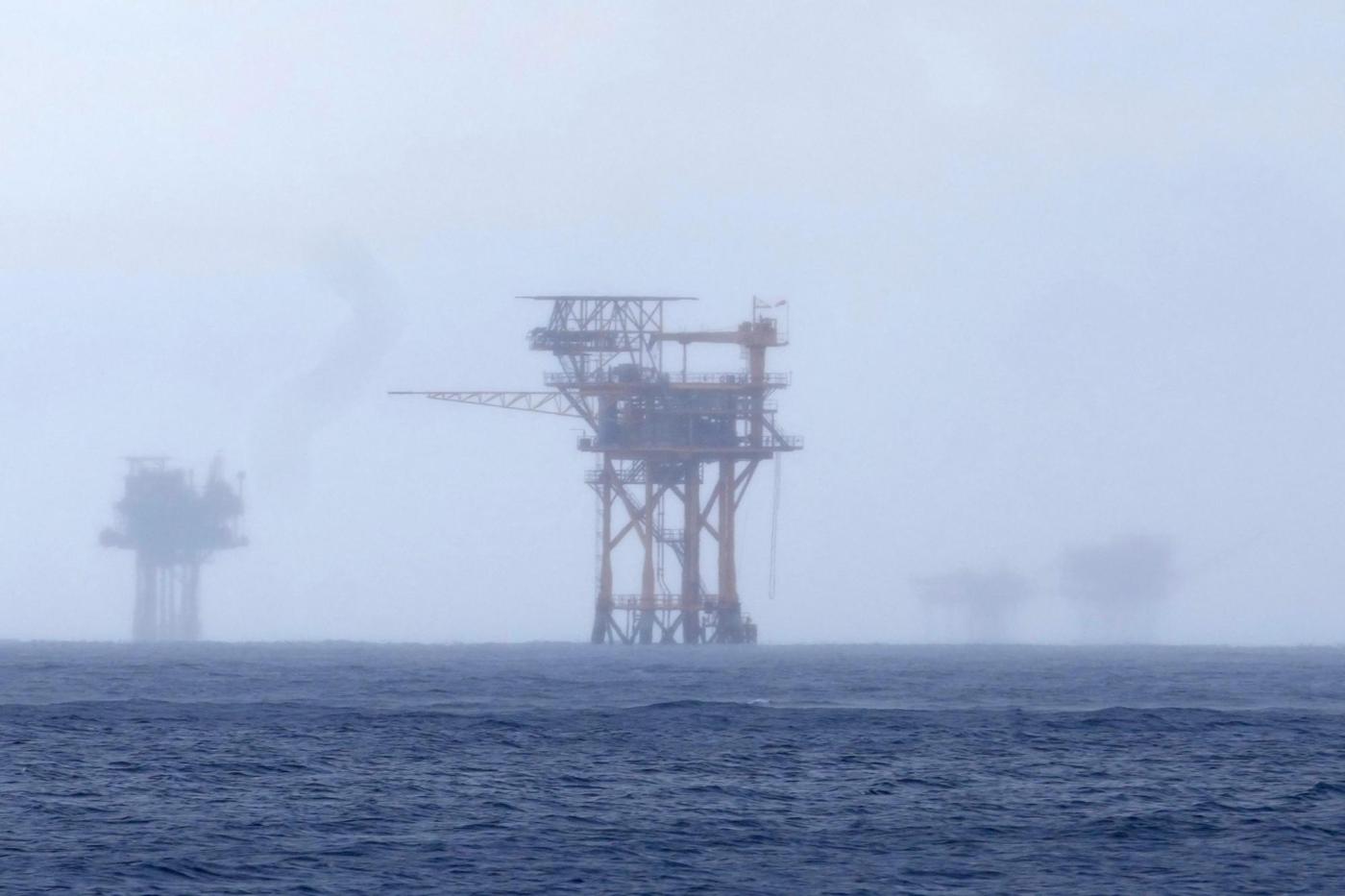
WASHINGTON (AP) — Oil companies offered $279 million for drilling rights in the Gulf of Mexico on Wednesday in the first of 30 sales planned for the region under Republican efforts to ramp up U.S. fossil fuel production.
Related Articles
Trump says the US has seized an oil tanker off the coast of Venezuela
Foreigners allowed to travel to the US without a visa could soon face new social media screening
Supreme Court struggles over whether Alabama can execute man found to be intellectually disabled
The White House says the midterms are all about Trump. Democrats aren’t so sure
Calibri font becomes the latest DEI target as Rubio orders return to Times New Roman
The sale came after President Donald Trump’s administration recently announced plans to allow new drilling off Florida and California for the first time in decades. That’s drawn pushback, including from Republicans worried about impacts to tourism.
Wednesday’s sale was mandated by the sweeping tax-and-spending bill approved by Republicans over the summer. Under that legislation, companies will pay a 12.5% royalty on oil produced from the leases. That’s the lowest royalty level for deep-water drilling since 2007.
Thirty companies submitted bids, including industry giants Chevron, Shell and BP, federal officials said. The total amount of high bids was down by more than $100 million from the most recent lease sale in the Gulf of Mexico, under former Democratic President Joe Biden, in December 2023.
“This sale reflects a significant step in the federal government’s efforts to restore U.S. energy dominance and advance responsible offshore energy development,” said Laura Robbins, acting director of the Gulf region for the Bureau of Ocean Energy Management, which is part of the Interior Department.
The administration’s promotion of fossil fuels contrasts sharply with its hostility to renewable energy, particularly offshore wind. A judge on Monday struck down an executive order from Trump blocking wind energy projects, saying it violated U.S. law.
Environmentalists said the fossil fuel sales would put wildlife in the Gulf at an higher risk of dying in oil spills. Spills occur regularly in the region and have included the 2010 Deepwater Horizon tragedy that killed 11 workers in an oil rig explosion and unleashed a massive spill.
“The Gulf is already overwhelmed with thousands of oil rigs and pipelines, and oil companies are doing a terrible job of cleaning up after themselves,” said Rachel Matthews with the Center for Biological Diversity.
Erik Milito, president of the National Ocean Industries Association, an industry group, said the takeaway from Wednesday’s sale was that the Gulf “is open.”
While results of individual lease sales may fluctuate, Milito added, “the real success is the resumption of a regular leasing cadence.”
The industry and Republican lawmakers had complained that the Biden administration conducted only a handful of lease sales in the Gulf — the largest source of U.S. offshore oil production — as it moved away from fossil fuels to address climate change.
“Knowing that (another lease sale) is coming in March 2026 allows companies to plan, study, and refine their bids, rather than being forced to respond to the uncertainty of a politically-driven multi-year pause” in leasing, Milito said.
At least two lease sales annually are mandated through 2039 and one in 2040.
Administration officials cited the new, more predictable schedule as a reason for the lower bidding by oil companies. “They are not pressed to come in all at once,” Robbins told reporters at an online news conference.
The Gulf lease sale supports an executive order by Trump that directs federal agencies to accelerate offshore oil and gas development, Interior Secretary Doug Burgum said in a statement. The sale should unlock investment, strengthen U.S. energy security and create jobs, he said.
U.S. Secretary of the Interior Doug Burgum speaks during the Western Governors’ Association meeting Thursday, Nov. 20, 2025, in Scottsdale, Ariz. (AP Photo/Rebecca Noble)
But Earthjustice attorney George Torgun said the Trump administration conducted the sale without analyzing how it would expose the entire Gulf region to oil spills, how communities could be harmed by pollution and how it could devastate vulnerable marine life such as the endangered Rice’s whale, which numbers only in the dozens and lives in the Gulf of Mexico.
The environmental group has asked a federal judge to ensure that the lease sale and future oil sales better protect Gulf communities.
Only a small portion of parcels offered for sale typically receive bids, in areas where companies want to expand their existing drilling activities or where they foresee future development potential. It can be years before drilling occurs.
The drilling leases sold in December 2023 and during another sale in March 2023 are held up by litigation, according to Robbins. A federal court ruled this spring that Interior officials did not adequately account for impacts to planet-warming greenhouse gas emissions and the Rice’s whale.
Brown reported from Billings, Montana.
Leave a Reply