
By THALIA BEATY, Associated Press
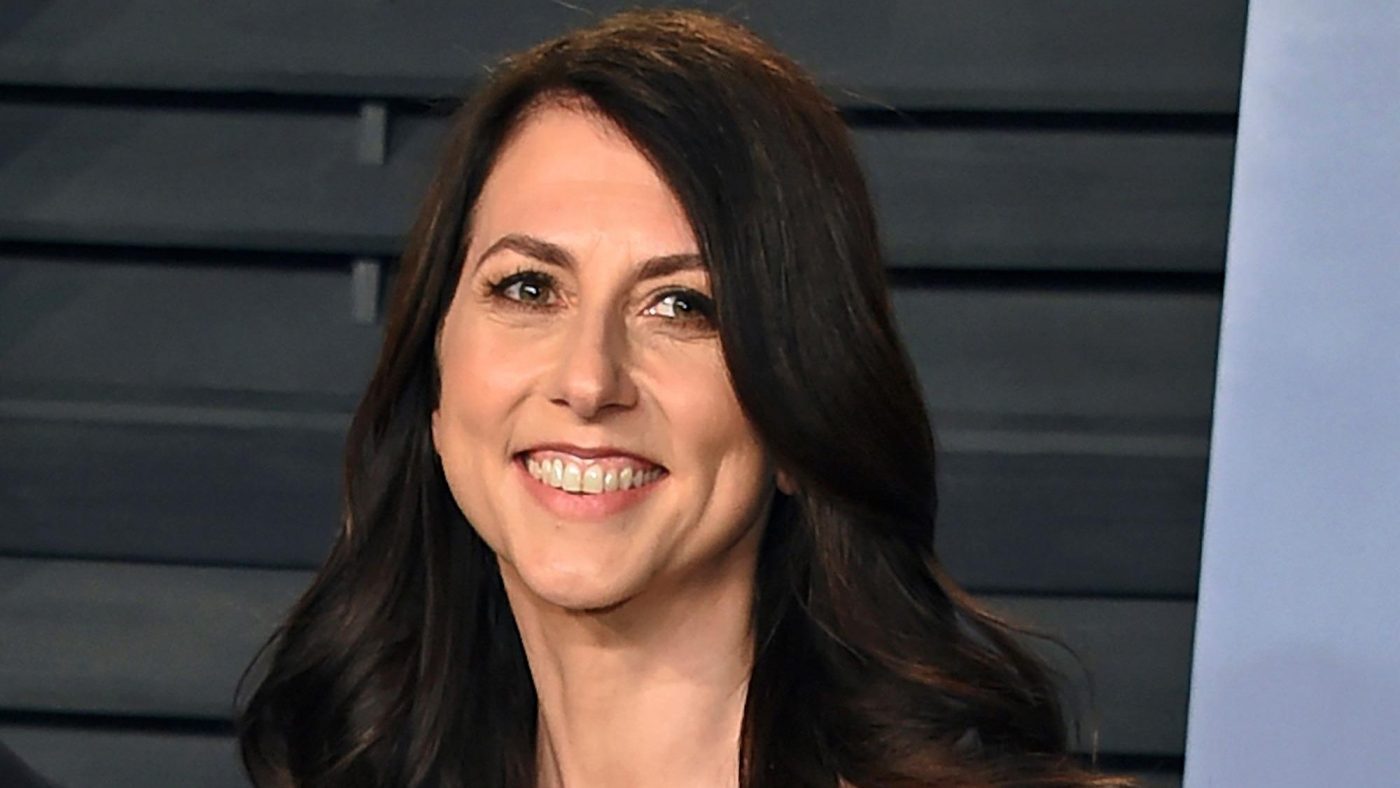
The author and philanthropist MacKenzie Scott revealed $7.1 billion in donations to nonprofits in 2025 Tuesday, marking a significant increase in her annual giving from recent years.
Writing in an essay on her website, Scott said, “This dollar total will likely be reported in the news, but any dollar amount is a vanishingly tiny fraction of the personal expressions of care being shared into communities this year.”
Scott acknowledged donating $2.6 billion in 2024 and $2.1 billion in 2023. The gifts this year bring her total giving since 2019 to $26.3 billion.
Scott’s donations have captured the attention of nonprofits and other charitable funders because they come with no strings attached and are often very large compared to the annual budgets of the recipient organizations. Forbes estimates Scott’s net worth at $33 billion, most of which comes from Amazon shares she received after her 2019 divorce from company founder Jeff Bezos.
Related Articles
FBI adds true crime TV producer to Most Wanted list for loan fraud tied to phony heiress story
Man who says religious group beat him wants prosecutor removed after long wait for retrial
UN agency reports rise in violence against women journalists and activists linked to online abuse
About 400 immigrant children were detained longer than the recommended limit, ICE admits
Georgia O’Keeffe’s views of the New Mexico desert will be preserved with conservation plan
With the exception of an open call for applications in 2023, it is not possible to apply for her funding nor to reach her directly, as Scott maintains no public facing office or foundation. Organizations are usually notified through an intermediary that Scott is awarding them a donation with little prelude or warning.
In advance of her announcement on her website, Yield Giving, more than a dozen historically Black colleges and universities revealed they had received $783 million in donations from Scott so far this year, according to research from Marybeth Gasman, a professor at Rutgers University and expert on HBCUs.
“One of the things that I really admire about Mackenzie Scott is that she is like an equity machine,” Gasman said, especially at a time when efforts to promote equity in education have come under attack from the Trump administration. She also said Scott’s gifts to HBCUs this time are bigger than the round of donations she made in 2020.
Not all of the schools that previously had received funding from Scott received a gift this time and there were some first-time recipients as well. In total, Gasman has tracked $1.35 billion in donations from Scott to HBCUs since 2020.
In addition, UNCF, which is the largest provider of scholarships to minority students, received $70 million from Scott, and said it will invest the gift in a collective endowment it is building for participating HBCUs. Another $50 million went to Native Forward Scholars Fund, which had also received a previous gift from Scott and provides college and graduate scholarships to Native American students.
Unlike Scott’s gifts, most foundations or major donors direct grants to specific programs and require an application and updates about the impact of the nonprofit’s work. Scott does not ask grantees to report back about how they used the money.
Research from the Center for Effective Philanthropy in 2023 looked at the impact of Scott’s giving and found few of the recipients have struggled to manage the funds or have seen other funders pullback.
Kim Mazzuca, the CEO of the California-based nonprofit, 10,000 Degrees, said her organization was notified of its first gift from Scott of $42 million earlier this year.
“I was just filled with such joy. I was speechless and I kind of stumbled around with my words,” she said, and asked the person calling from Fidelity Charitable to clarify the donation amount, which is about double their annual budget.
10,000 Degrees provides scholarships, mentoring and other support to low-income students and aims to help them graduate college without taking on loans. Mazzuca said that usually nonprofits grow only gradually, but that this gift will allow them to reach more students, to test some technology tools and to start an endowment.
Mazzuca credited Scott for investing in proven solutions that already exist.
“She comes from a very deep, reflective space, very heartfelt,” Mazzuca said. “And she’s only providing these financial means as a tool for people to recognize they are who they’ve been waiting for.”
That idea references a prophecy from the Hopi Tribe that ends with the line, “We are the ones we’ve been waiting for.” Mazzuca said she’s drawn on the prophecy for years to empower both her organization and the students it supports to recognize their own power to shape our world.
In October, Scott posted an essay on her website under that title and sharing the prophecy. The essay, which she expanded upon in December to announce her giving, also reflects on how acts of generosity and kindness can ripple far afield and into the future. She cited her own experiences getting help while in college, including a dentist who repaired a tooth for free and her roommate who loaned her $1,000.
Scott now has invested in that same roommate’s company, which offers loans to students who would otherwise struggle to get financing from banks. The investments seem to be part of an effort Scott announced last year to move more of her money into “mission aligned” investments, rather than into vehicles that seek only the highest monetary returns.
In her 2025 essay, Scott seemed to urge people toward action, writing, “There are many ways to influence how we move through the world, and where we land.”
Associated Press coverage of philanthropy and non-profits receives support through the AP’s collaboration with The Conversation US, with funding from Lilly Endowment Inc. The AP is solely responsible for this content. For all of AP’s philanthropy coverage, visit https://apnews.com/hub/philanthropy.
Leave a Reply